


Secondary sourceArtifactc. 278 BC
Lighthouse of Alexandria
c. 278 BC
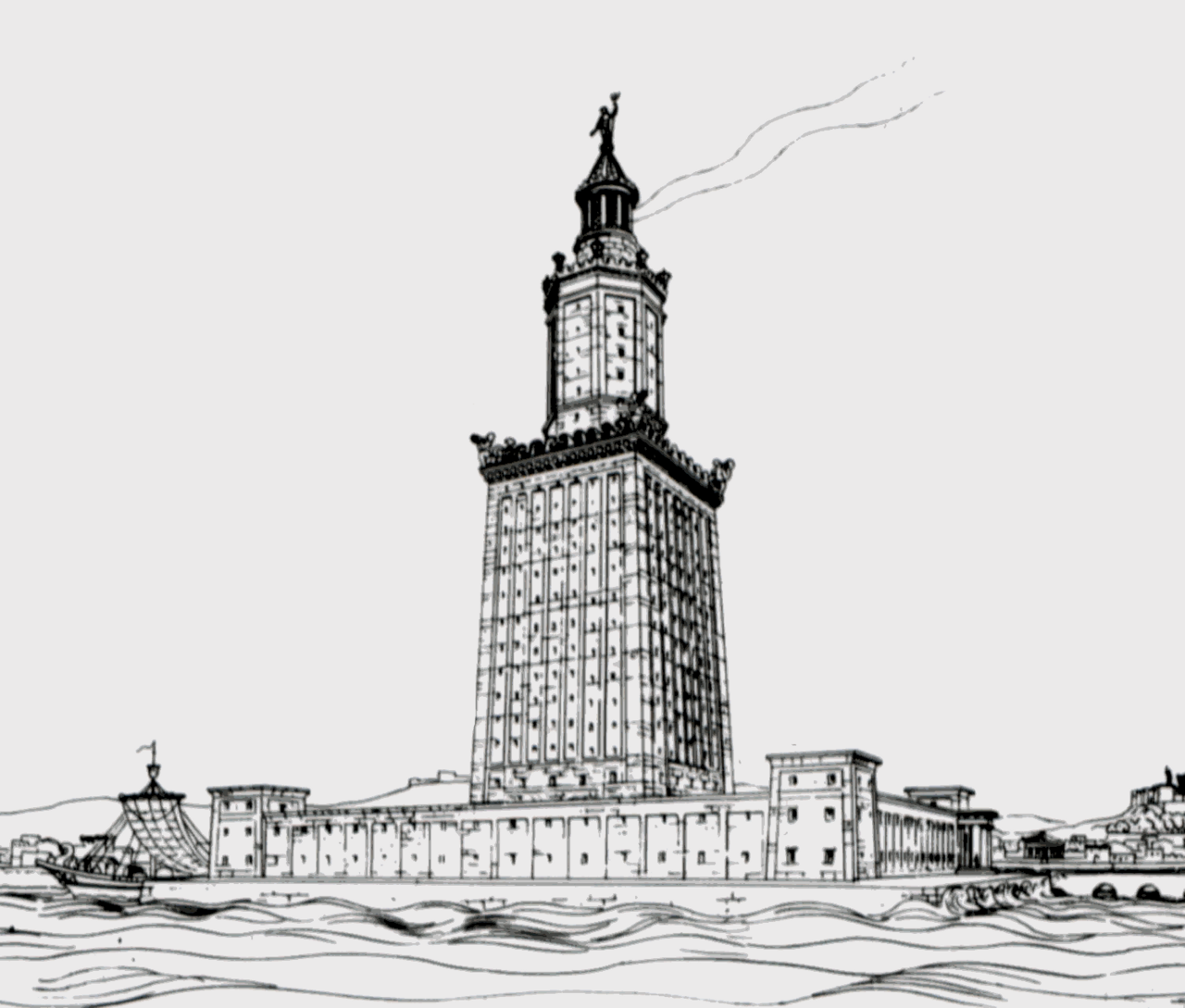
The great ancient lighthouse of Alexandria, which Ibn Battuta visited twice, leaving one of the last eyewitness reports before its ruin.
Ibn Battuta's two visits in 1326 and 1349 provide one of the last eyewitness records of the ruined lighthouse.
About this source
What it is
The Pharos of Alexandria was a lighthouse built on the island of Pharos under Ptolemy II Philadelphus in the 3rd century BC, once among the tallest structures in the ancient world and one of the Seven Wonders.
Why it matters
Damaged repeatedly by earthquakes, the Pharos slowly fell into ruin over the Middle Ages. Ibn Battuta visited it twice, in 1326 and 1349, noting it had degraded from a damaged but enterable structure into one too ruined to enter — making his account one of the last direct observations of the wonder before it disappeared entirely.
Look closer
- Why is an eyewitness account so valuable for a building that no longer survives?
- What changed between Ibn Battuta's two visits, and what might that tell us about how quickly ancient monuments can vanish?
- This image is a modern scholarly reconstruction drawing, not an ancient depiction — how might that change what we can trust about it?
This artifact is part of the curated material that grounds the AI version of Ibn Battuta on Humy.ai — when students ask about related events, the AI can quote it and cite it.
More Ibn Battuta sources
Meet the AI Ibn Battuta →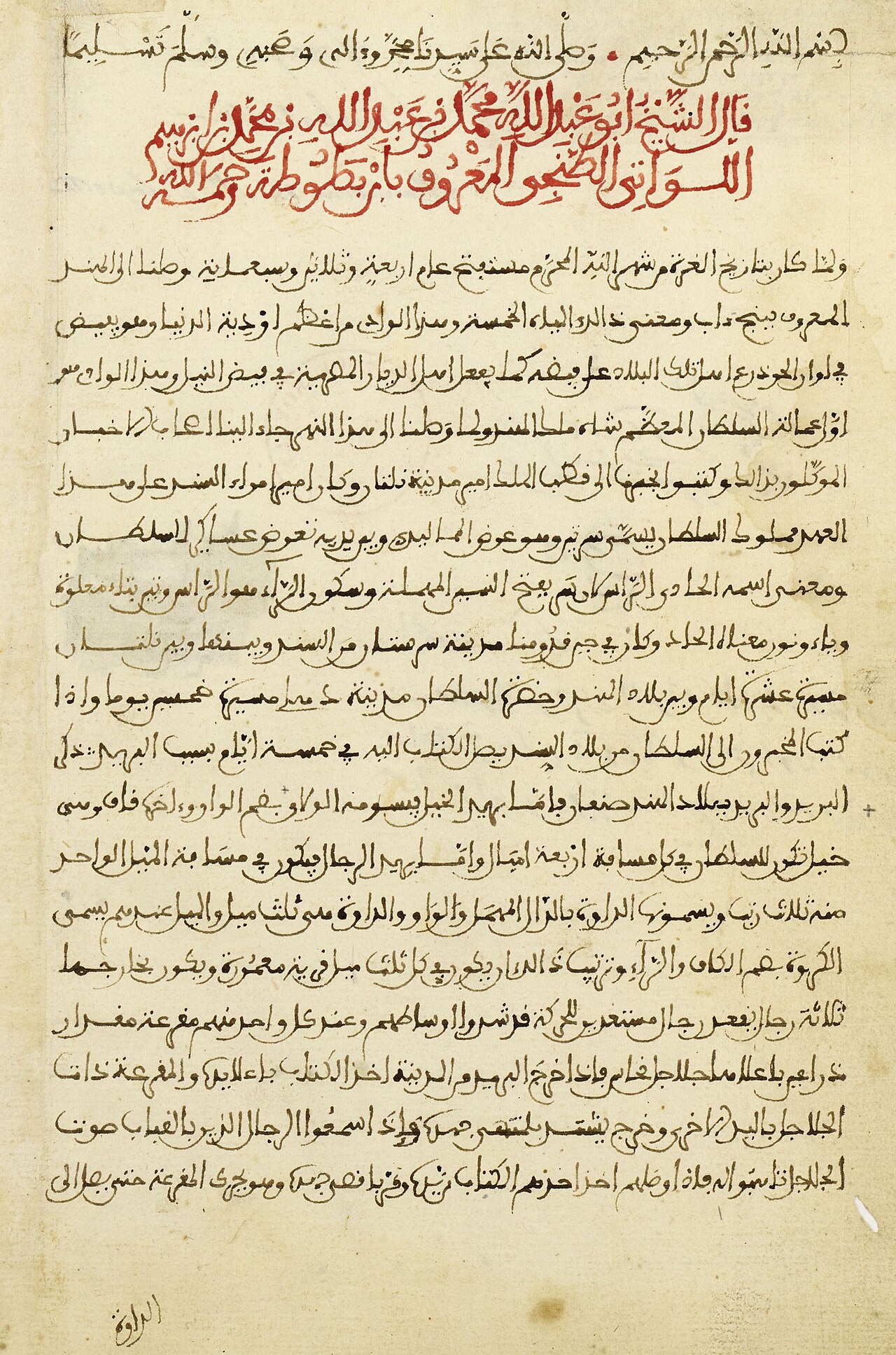 Book
Primary source
The Rihla
Ibn Battuta · 1354-1356
 Book
Primary source
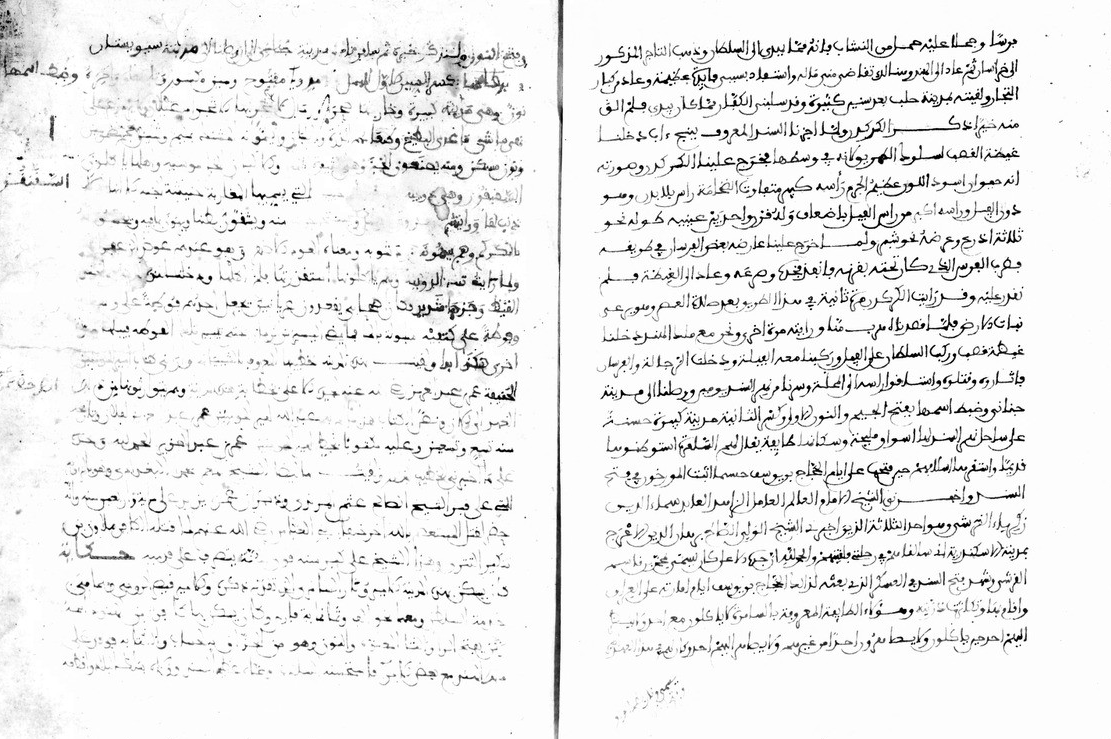
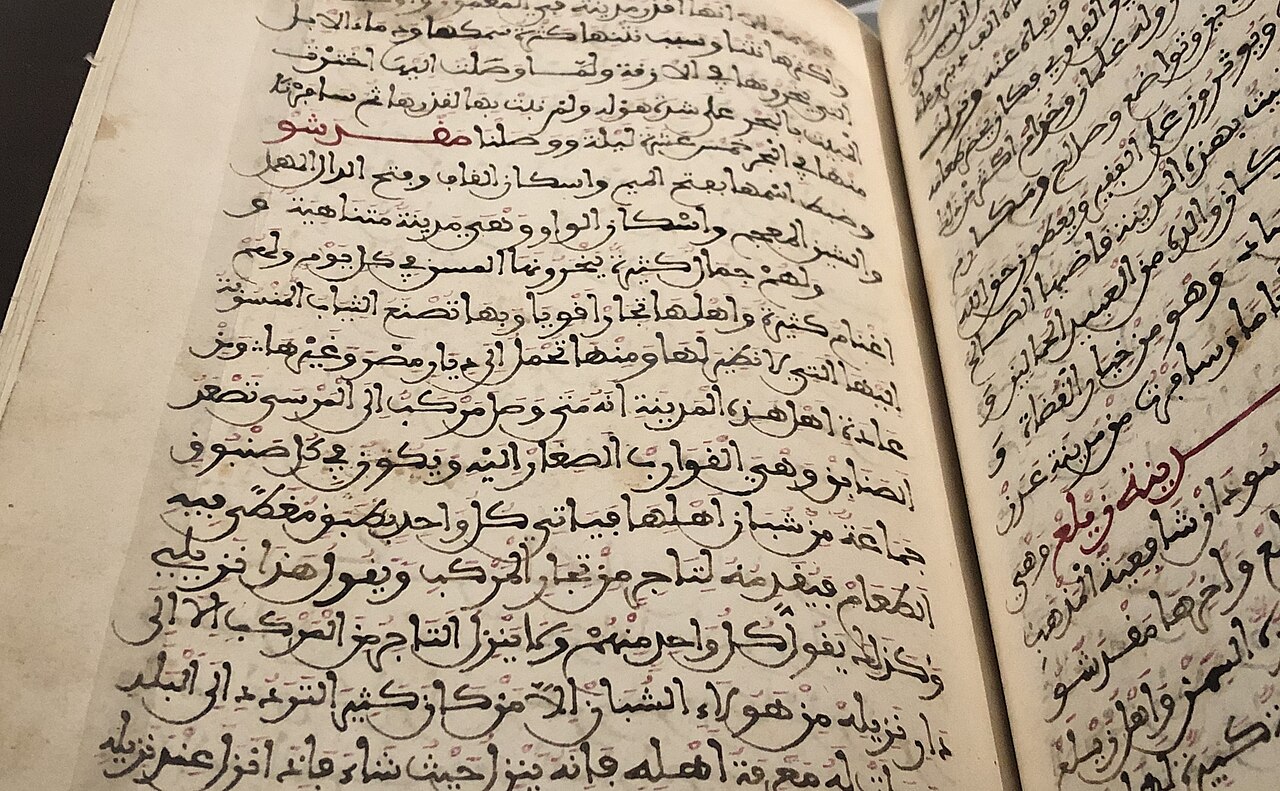
Manuscript of the Rihla by Ibn Juzayy
Ibn Juzayy · 14th century
 Artifact
Secondary source
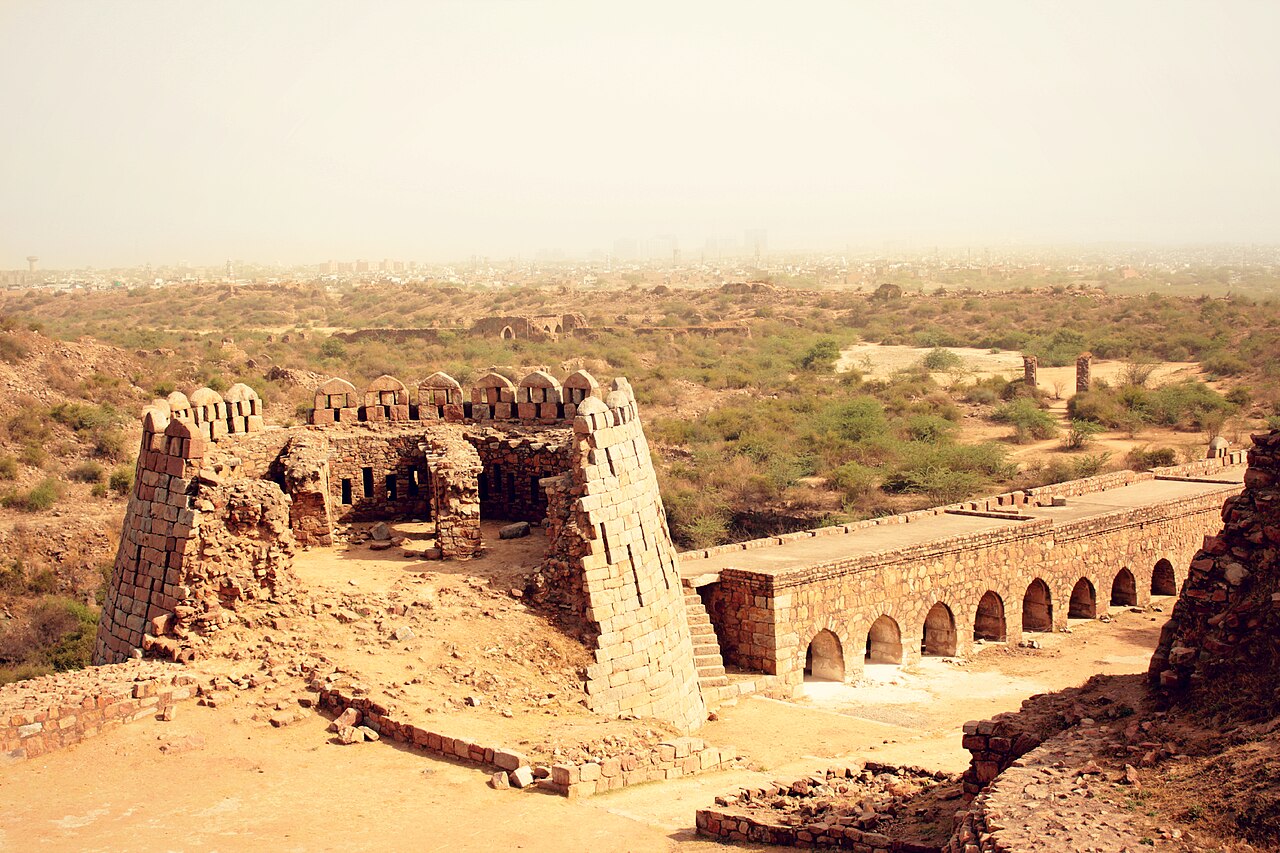
Tughlaqabad Fort
Ghiyath al-Din Tughluq · 1321
 Book
Secondary source
Manuscript copy of the Rihla (1484)
Ibn Juzayy · 1484
 Painting
Primary source
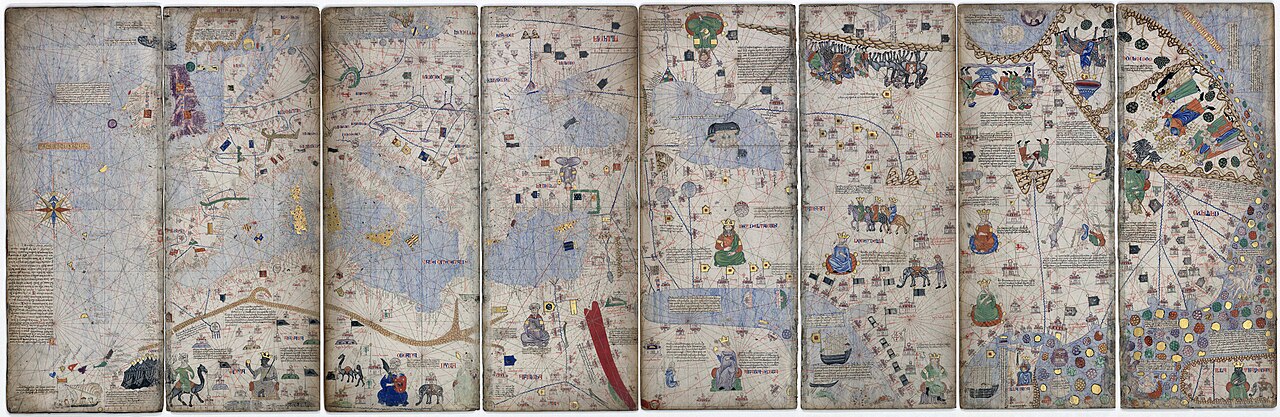
Catalan Atlas
Cresques Abraham · c. 1375
Ready when you are
Start chatting with Ibn Battuta now.
20 messages free · No credit card · Available in 50+ languages.