


Secondary sourceSculpturec. 3rd century BCE – 2nd century CE
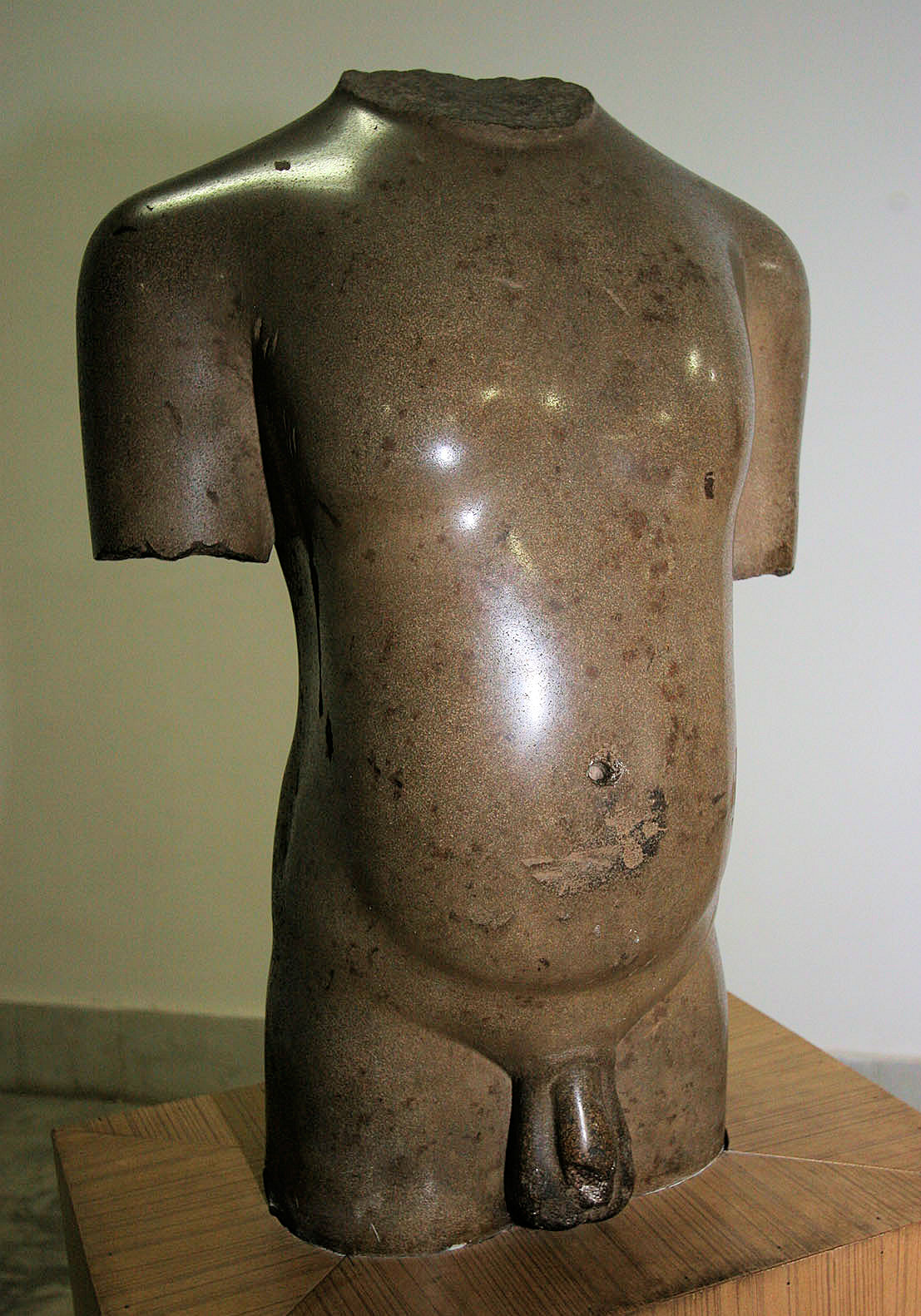
Lohanipur Torso
c. 3rd century BCE – 2nd century CE
A polished sandstone torso excavated at Patna, likely a Jain tirthankara image, linked to the Jain community of Chandragupta's capital Pataliputra.
Linked to the Jain community of Pataliputra, Chandragupta's capital, reflecting the Jain tradition associated with him.
About this source
What it is
This is a damaged, polished sandstone torso excavated in 1937 at Lohanipur in Patna, the site of ancient Pataliputra. It dates to roughly the 3rd century BCE to 2nd century CE and is held at the Patna Museum. It is thought to show a Jaina tirthankara, a key figure of Jain teaching.
Why it matters
The statue displays the famous Mauryan polishing technique, a skill that mostly disappeared after the Mauryan period. Some excavators found Mauryan coins and bricks near the find spot, which suggests a link to the Mauryan era. Because Jain tradition connects Chandragupta Maurya to the Jain community of Pataliputra, this object helps students picture the religious life surrounding his court, even though it does not show him directly.
Look closer
- What details are missing from the torso, and what might that tell us about how it was damaged or worn over time?
- Why might polishing technique help historians guess an object's date?
- What does the find location tell us about the city of Pataliputra?
This sculpture is part of the curated material that grounds the AI version of Chandragupta Maurya on Humy.ai — when students ask about related events, the AI can quote it and cite it.
More Chandragupta Maurya sources
Meet the AI Chandragupta Maurya →Secondary source
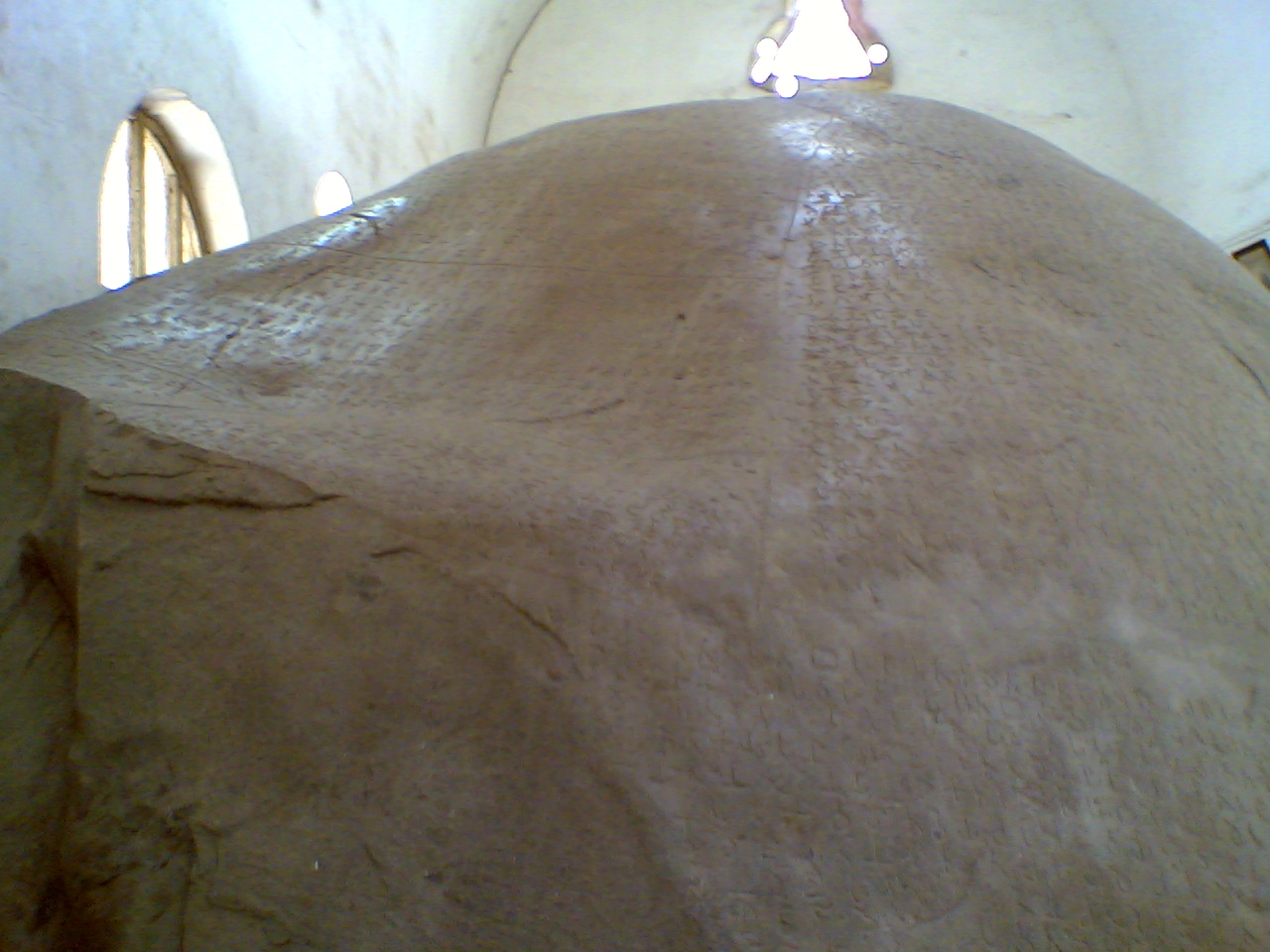
Arthashastra
Chanakya (traditional attribution) · c. 1st–3rd century CE (traditionally attributed to Chanakya, c. 300 BCE)
 Document
Secondary source
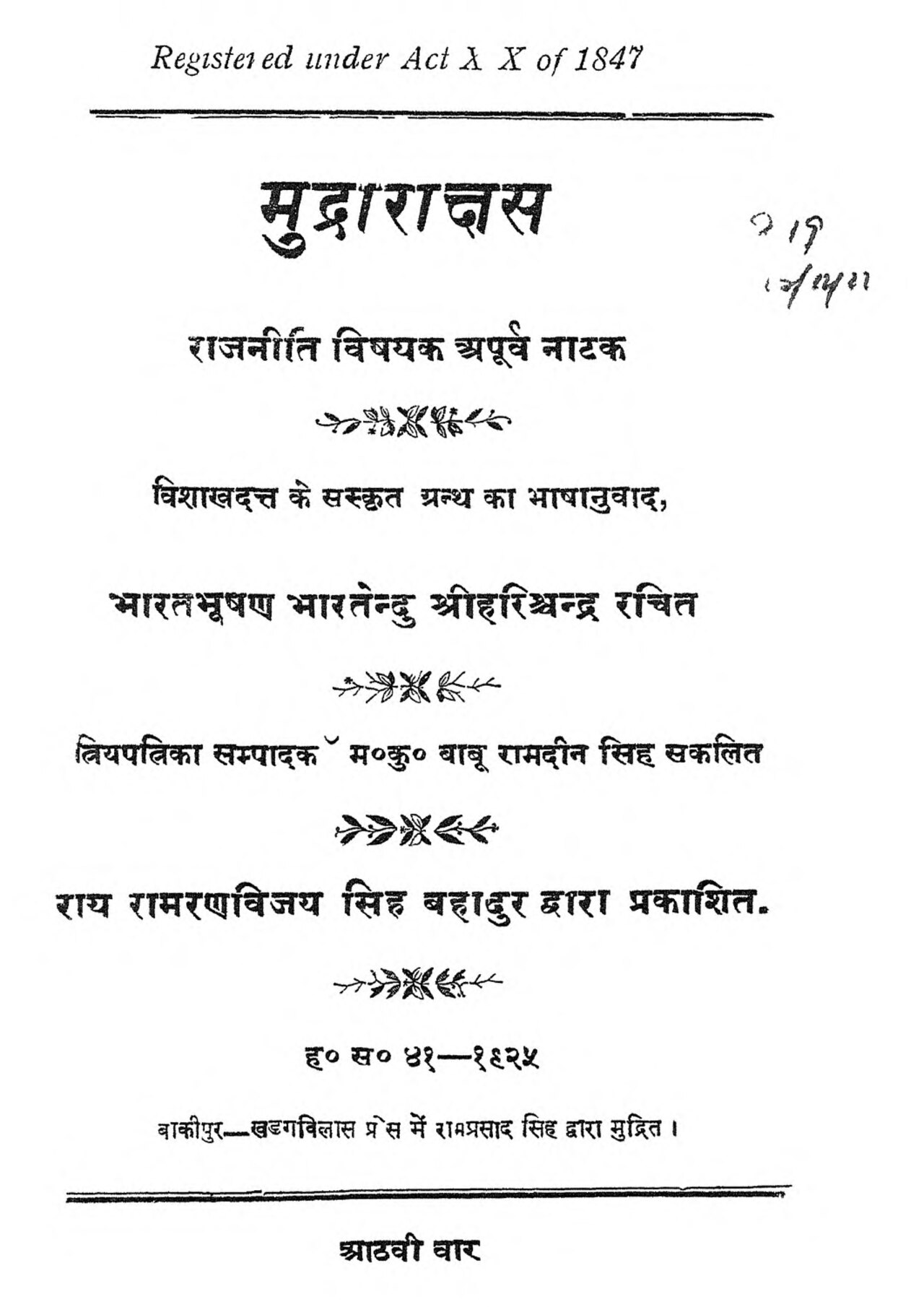
Junagadh Rock Inscription of Rudradaman
Rudradaman I (commissioner) · shortly after 150 CE
 Book
Secondary source
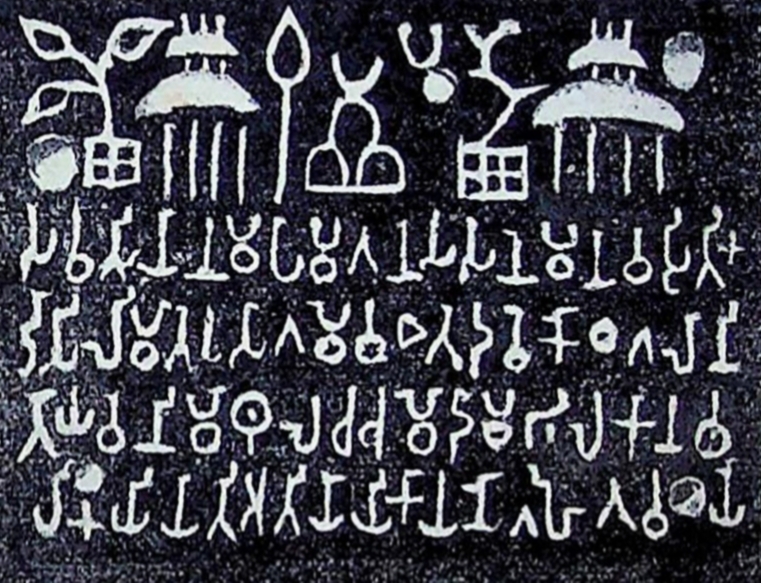
Mudrarakshasa
Vishakhadatta · between the 4th and 8th century CE
 Document
Primary source
Sohgaura Copper Plate Inscription
3rd century BCE
 Document
Secondary source
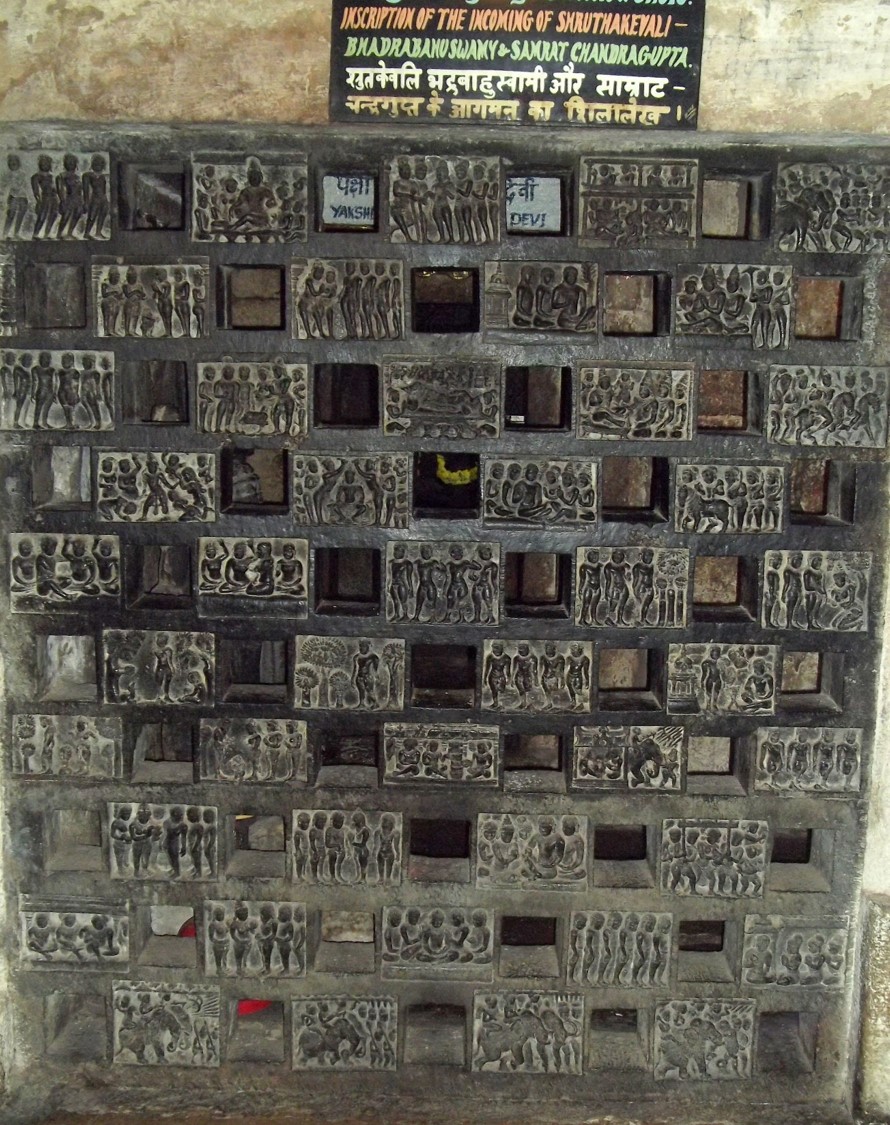
Shravanabelagola Inscription of Bhadrabahu and Chandragupta
Ready when you are
Start chatting with Chandragupta Maurya now.
20 messages free · No credit card · Available in 50+ languages.