


Primary sourcePainting1813
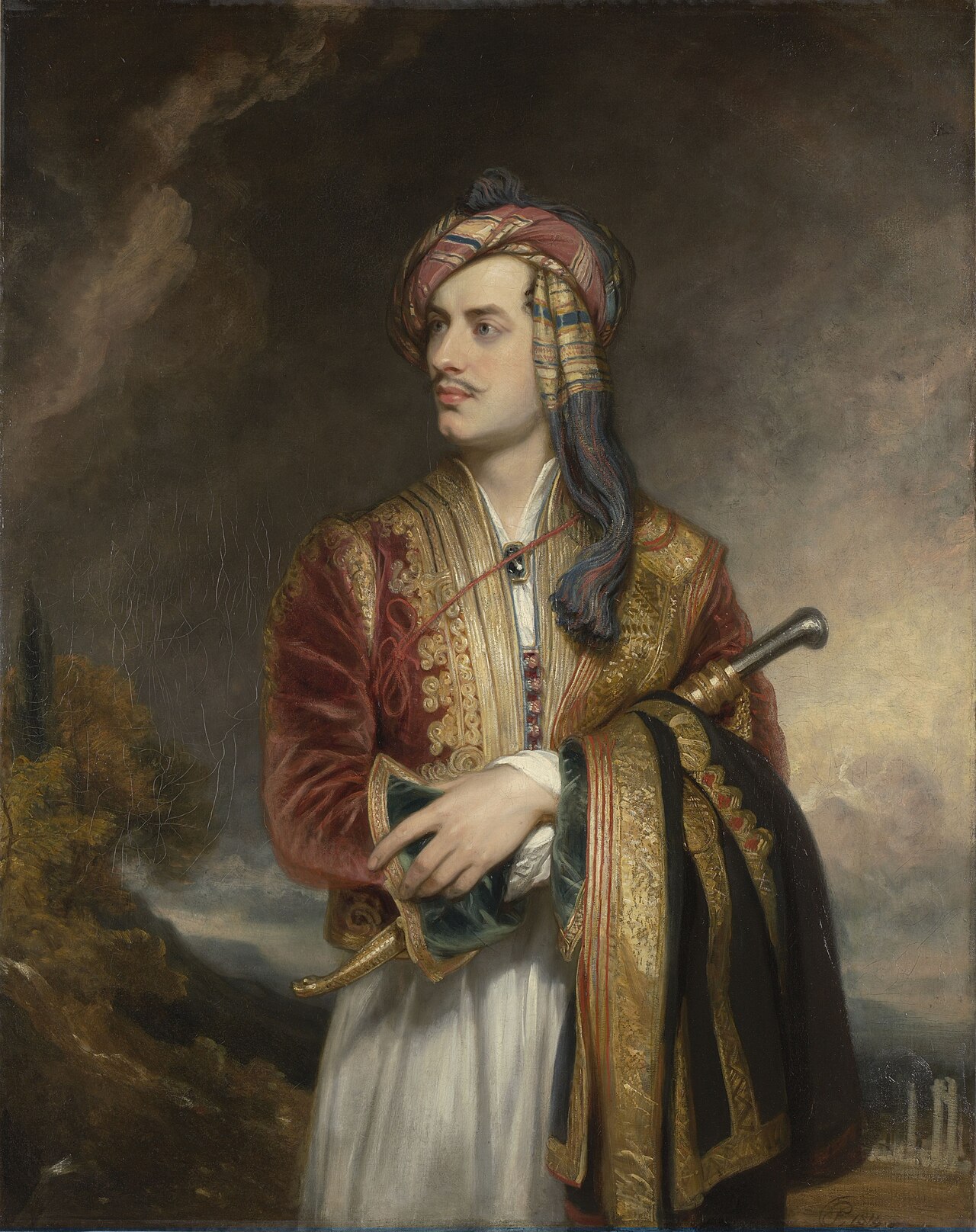
Lord Byron in Albanian Dress
Thomas Phillips · 1813
An 1813 portrait of the poet Lord Byron, Ada Lovelace's father, whom she never really knew growing up.
This portrait of Lovelace's father, Lord Byron, represents the parental legacy her mother's education plan tried to counter.
About this source
What it is
This oil painting by Thomas Phillips from 1813 shows the poet Lord Byron dressed in Albanian costume, which he had acquired while travelling. It is held by the Government Art Collection and hangs in the British Embassy in Athens, reflecting Byron's ties to Greece.
Why it matters
The painting celebrated Byron's fame as a traveller and romantic celebrity after the success of his poem Childe Harold's Pilgrimage. For Ada Lovelace, this image represents the father she never knew in person: her parents separated when she was an infant, and her mother kept portraits like this hidden from her until she was an adult, wary of the Byron reputation for scandal and passion.
Look closer
- Why might Byron have chosen to be painted in foreign costume rather than ordinary English dress?
- What does the stormy sky and ruined column in the background suggest about how the artist wanted Byron to be seen?
- Why might Lovelace's mother have wanted to keep this image away from her as a child?
This painting is part of the curated material that grounds the AI version of Ada Lovelace on Humy.ai — when students ask about related events, the AI can quote it and cite it.
More Ada Lovelace sources
Meet the AI Ada Lovelace →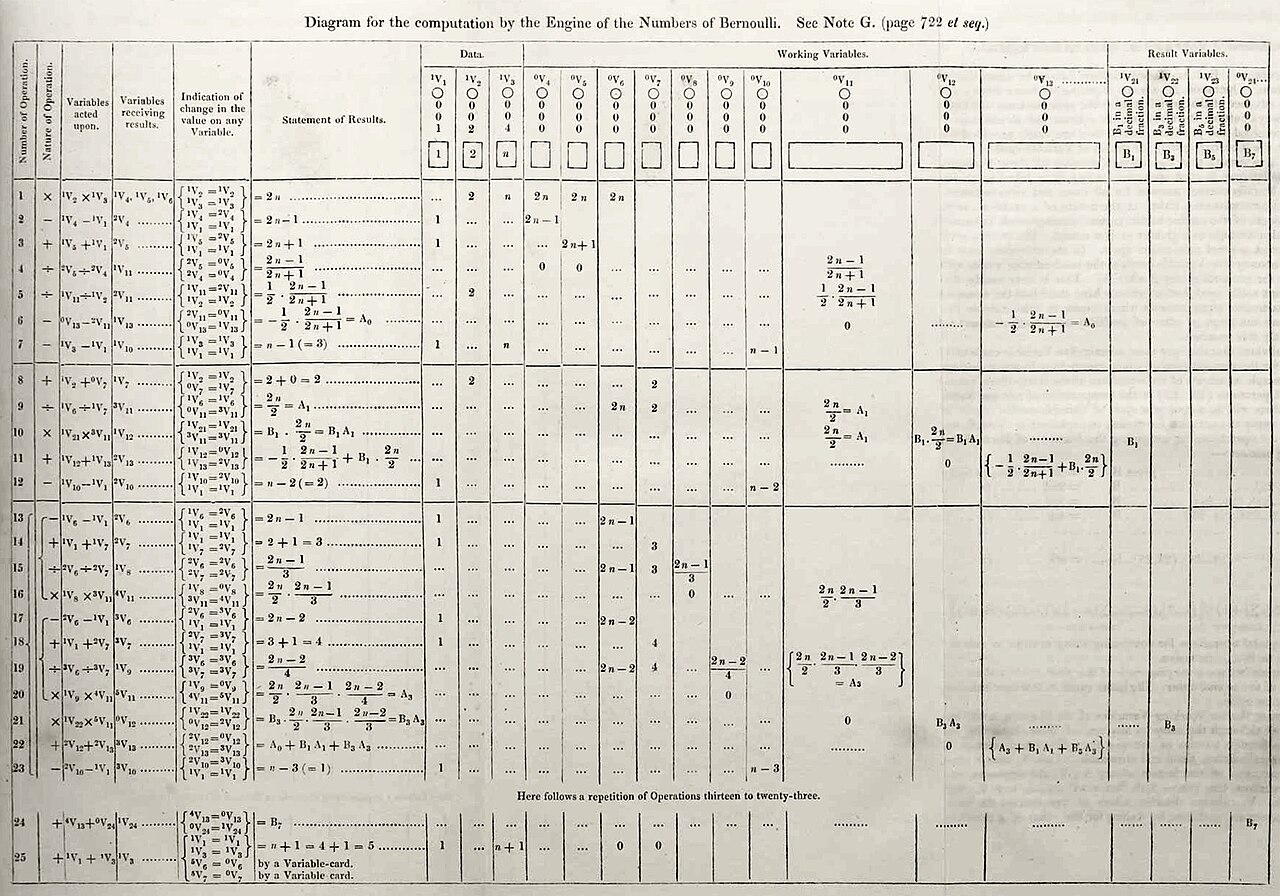 Document
Primary source
Note G
Ada Lovelace · 1843
 Book
Primary source
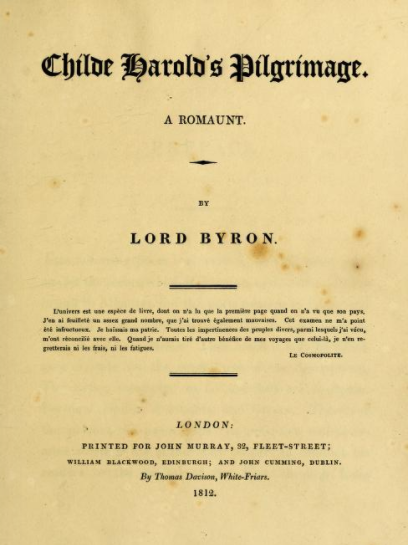
Childe Harold's Pilgrimage
Lord Byron · 1812
 Painting
Primary source
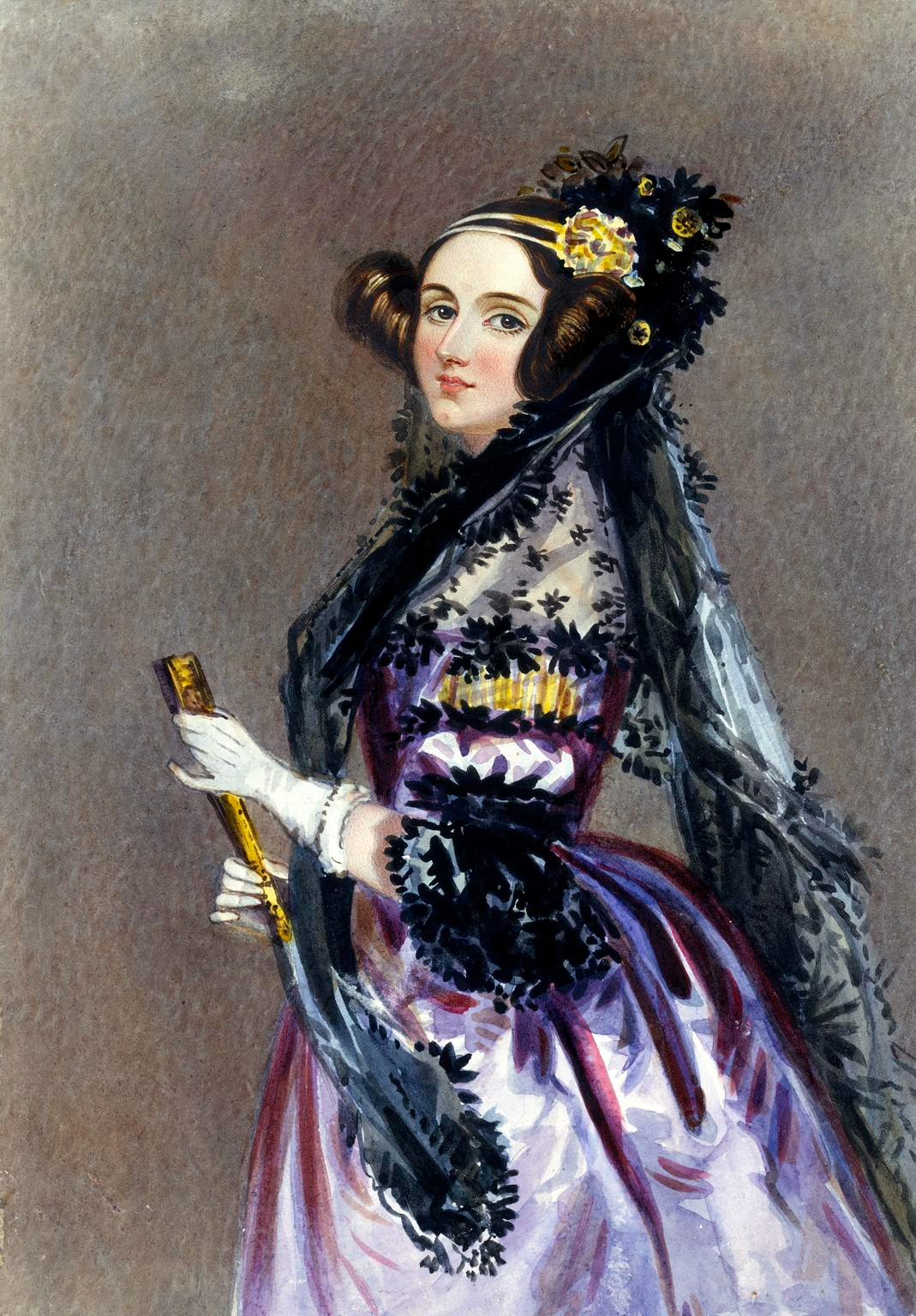
Watercolour Portrait of Ada Lovelace
Alfred Edward Chalon · c. 1840
 Painting
Primary source
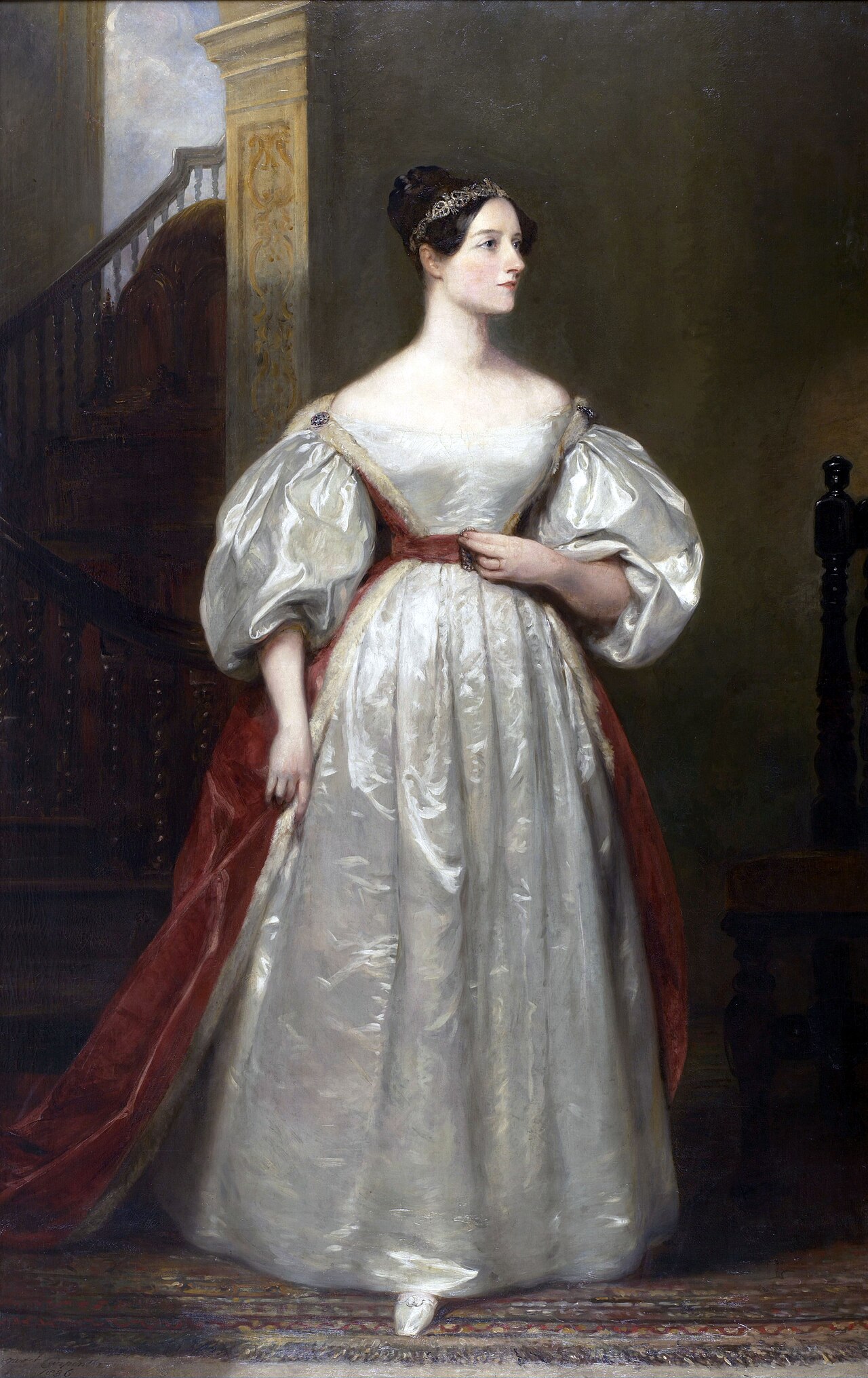
Portrait of Ada Lovelace by Margaret Carpenter
Margaret Sarah Carpenter · 1836
Primary source
Notions sur la machine analytique de M. Charles Babbage
Luigi Federico Menabrea · 1842
Ready when you are
Start chatting with Ada Lovelace now.
20 messages free · No credit card · Available in 50+ languages.