


Primary sourceArtifact900s
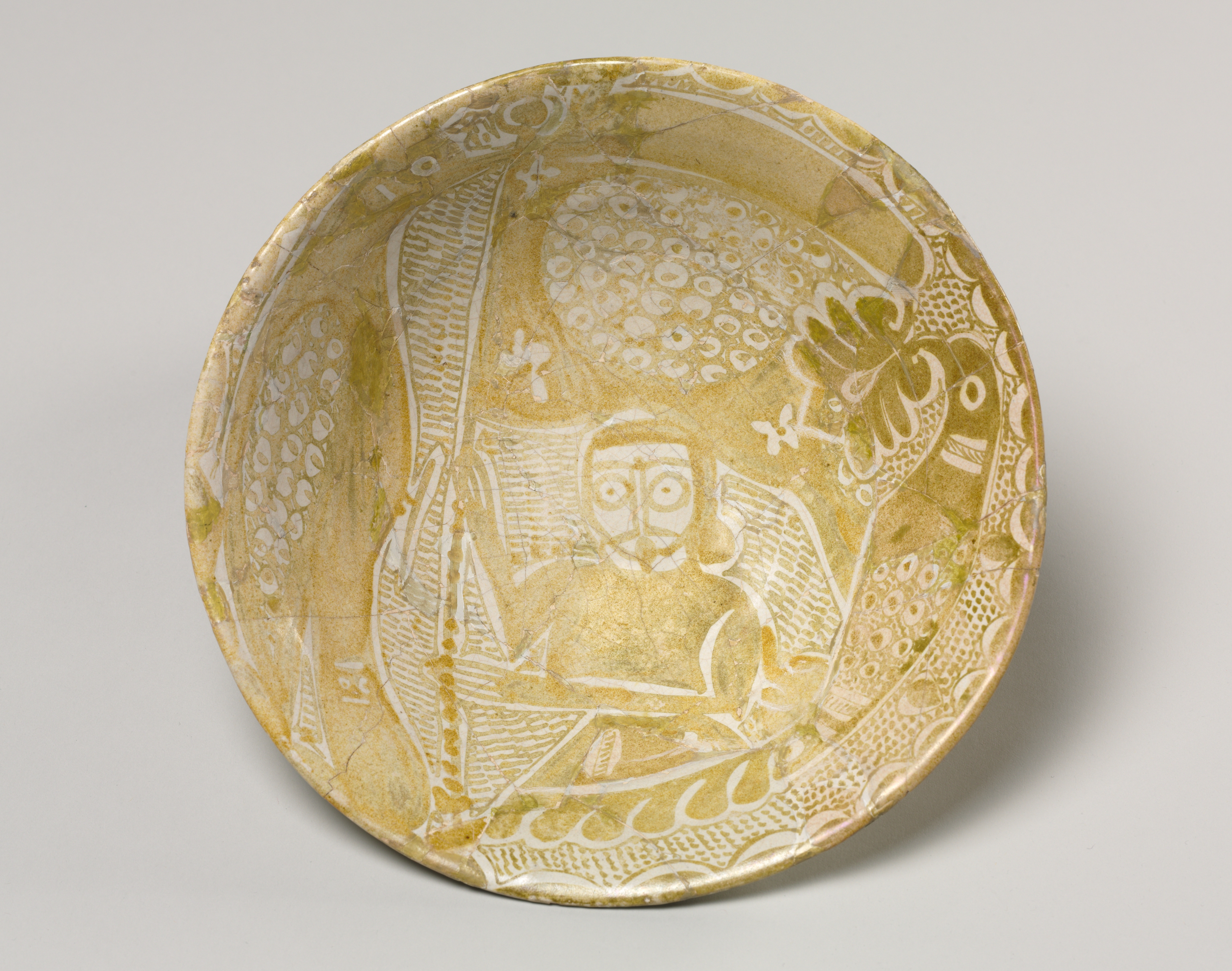
Luster Bowl with Man Holding a Banner
900s
A tenth-century Abbasid luster bowl from Iraq, likely Baghdad, showing courtly imagery from Farabi's era.
This bowl from Baghdad, where Farabi worked, shows the courtly visual culture of his lifetime.
About this source
What it is
This golden luster-painted earthenware bowl, made in the 900s in Iraq, probably Baghdad, shows a man holding a banner flanked by two peacocks. It is held at The Cleveland Museum of Art.
Why it matters
Made in the Abbasid period during Farabi's lifetime, this bowl reflects the artistic and courtly culture of Baghdad, a major center of learning where Farabi himself worked and wrote. It helps students picture the visual world around him, even though it does not depict him directly.
Look closer
- What might the banner, peacocks, and crescent symbol have meant to people at the time?
- Why do you think luster-painted pottery was valued enough to survive for over a thousand years?
- What kind of person might have owned or used a bowl like this?
This artifact is part of the curated material that grounds the AI version of Al-Farabi on Humy.ai — when students ask about related events, the AI can quote it and cite it.
More Al-Farabi sources
Meet the AI Al-Farabi →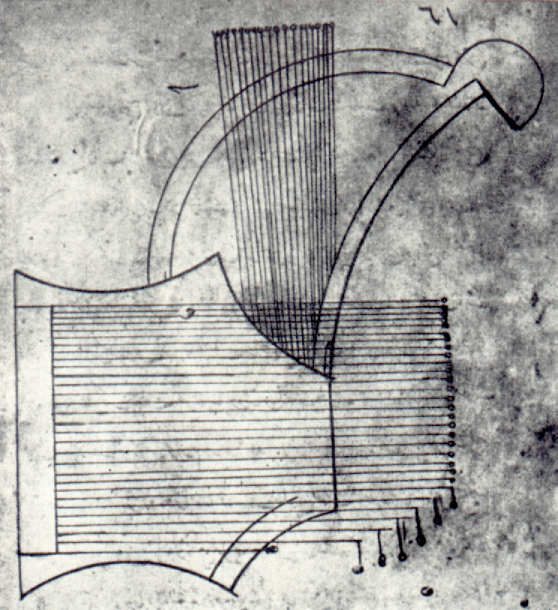 Book
Primary source
Kitab al-Musiqa al-Kabir
Farabi · 10th century
 Artifact
Primary source
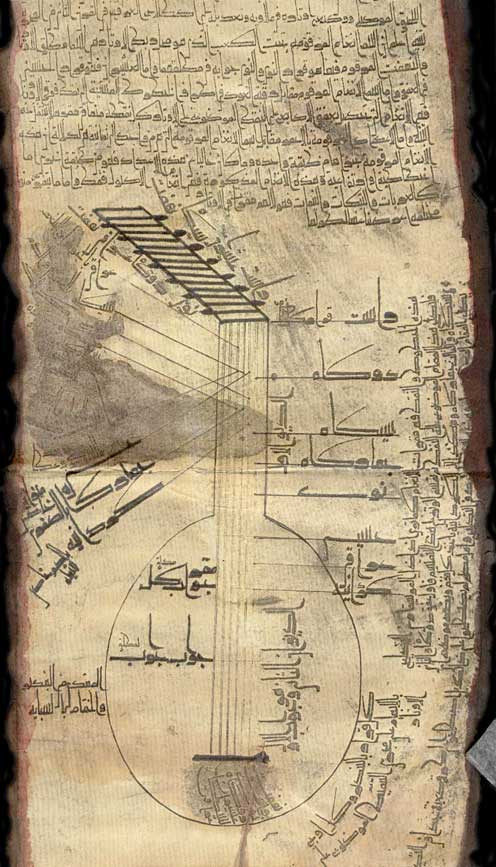
Lute Diagram with Seven Courses
Farabi · 10th century
 Book
Primary source
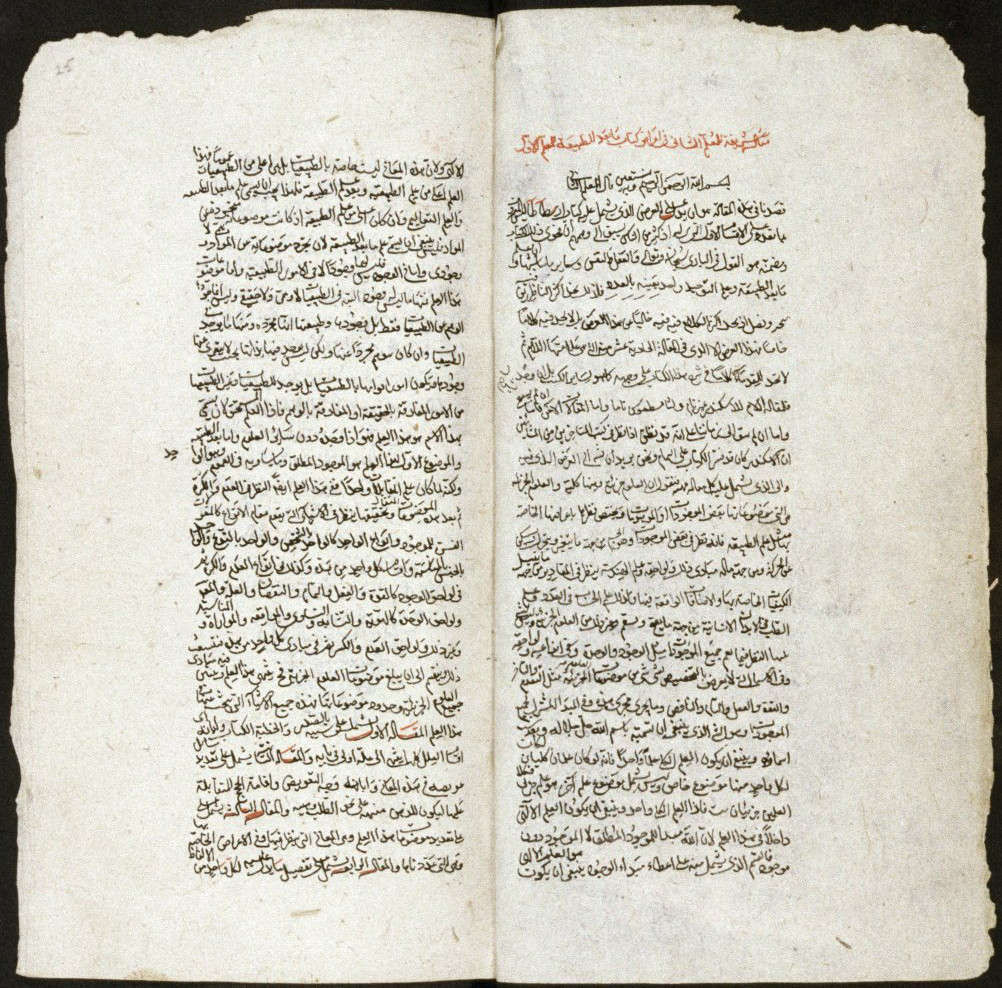
On the Scope of Aristotle's Metaphysics
Farabi · 10th century
 Book
Primary source
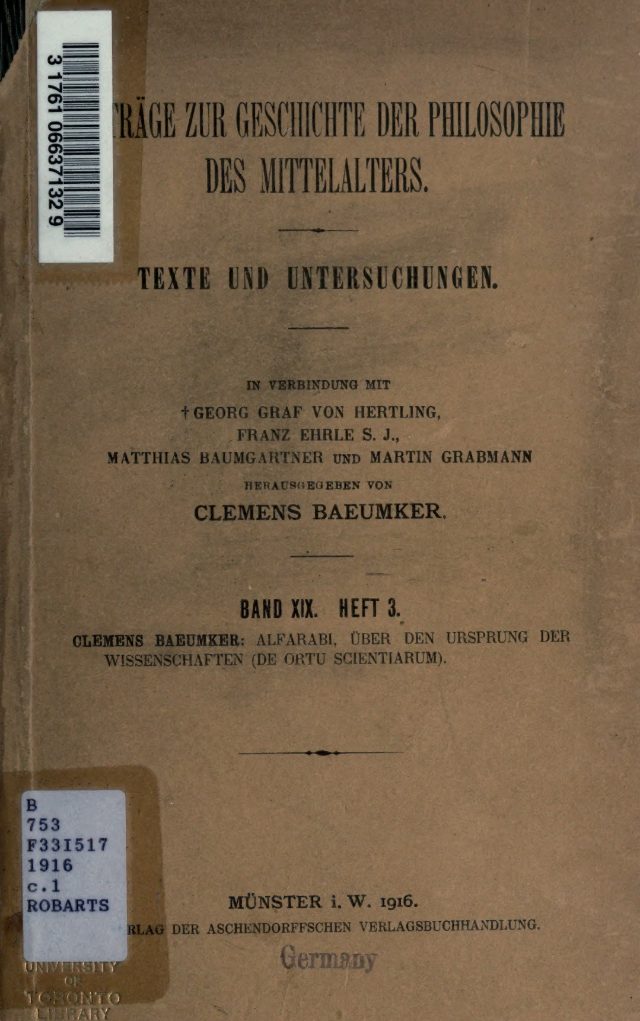
Über den Ursprung der Wissenschaften
Farabi · 1916 (edition of the original treatise)
PaintingPrimary source
Drawing of the Shahrud from the Great Book of Music
Farabi · 10th century
Ready when you are
Start chatting with Al-Farabi now.
20 messages free · No credit card · Available in 50+ languages.