


Primary sourceArtifactc. 1300 BCE
Luxor Obelisk
Ramesses II · c. 1300 BCE
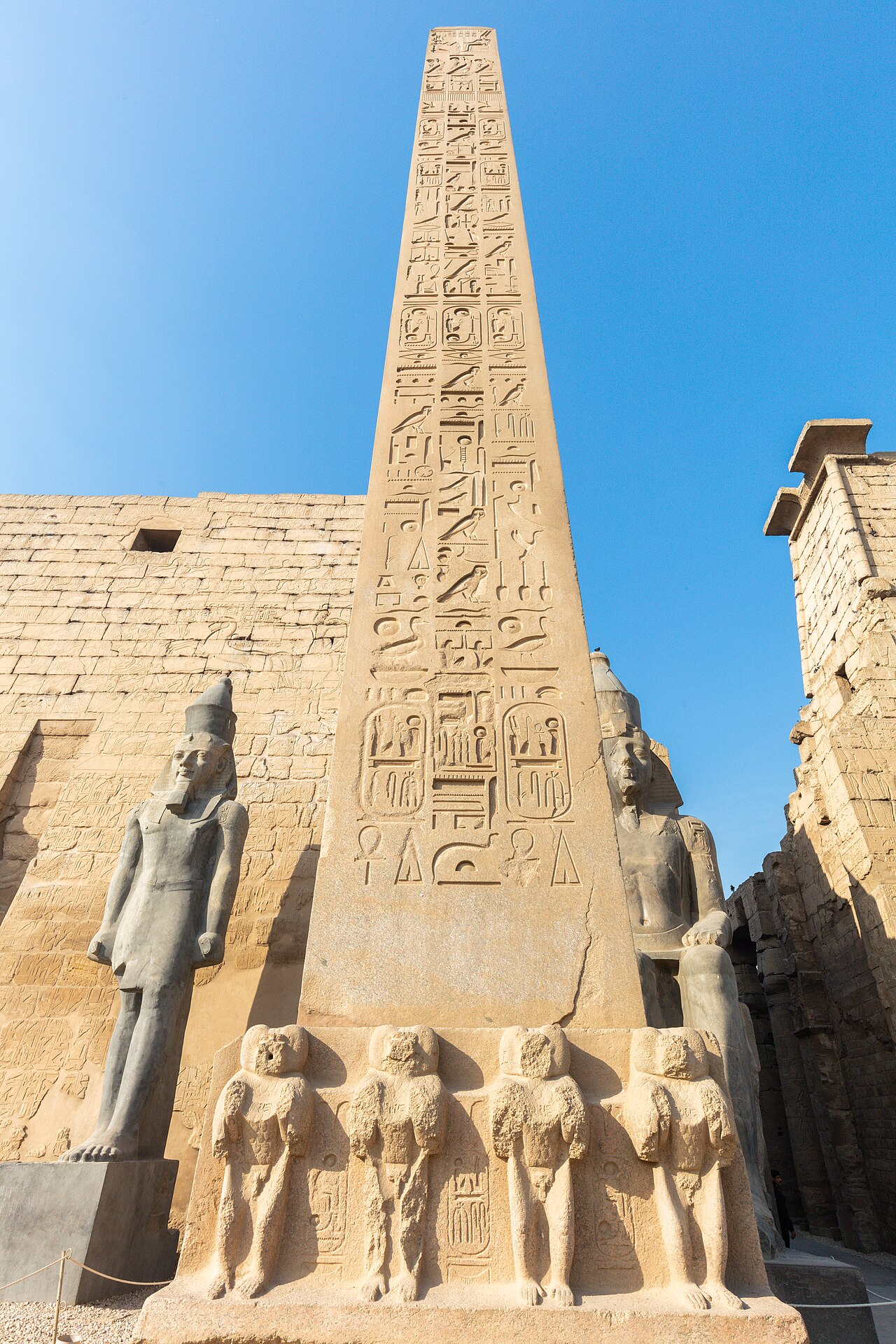
A granite obelisk commissioned by Ramesses II, still standing at the entrance to Luxor Temple, inscribed with his royal titles.
This obelisk, commissioned by Ramesses II, still stands at Luxor Temple bearing his royal titles and building achievements.
About this source
What it is
This tall granite obelisk, covered in carved hieroglyphic columns, was commissioned by Ramesses II and stands on a decorated pedestal before the Luxor Temple in Egypt. It is one of a pair originally placed at the temple's entrance.
Why it matters
The inscriptions on the obelisk proclaim Ramesses's royal titles and celebrate his building projects in Thebes. Obelisks like this were meant to be seen by everyone approaching the temple, broadcasting the pharaoh's power and his connection to the gods. The fact that it still stands in its original location gives a rare direct link to how Ramesses wanted to be remembered.
Look closer
- Why might a pharaoh choose to place such a massive, inscribed monument at a temple entrance?
- What does the pedestal's decoration of kneeling figures suggest about the obelisk's message?
- What has changed about this site since it was first built, and what has stayed the same?
This artifact is part of the curated material that grounds the AI version of Ramses II (Ramses the Great) on Humy.ai — when students ask about related events, the AI can quote it and cite it.
More Ramses II (Ramses the Great) sources
Meet the AI Ramses II (Ramses the Great) →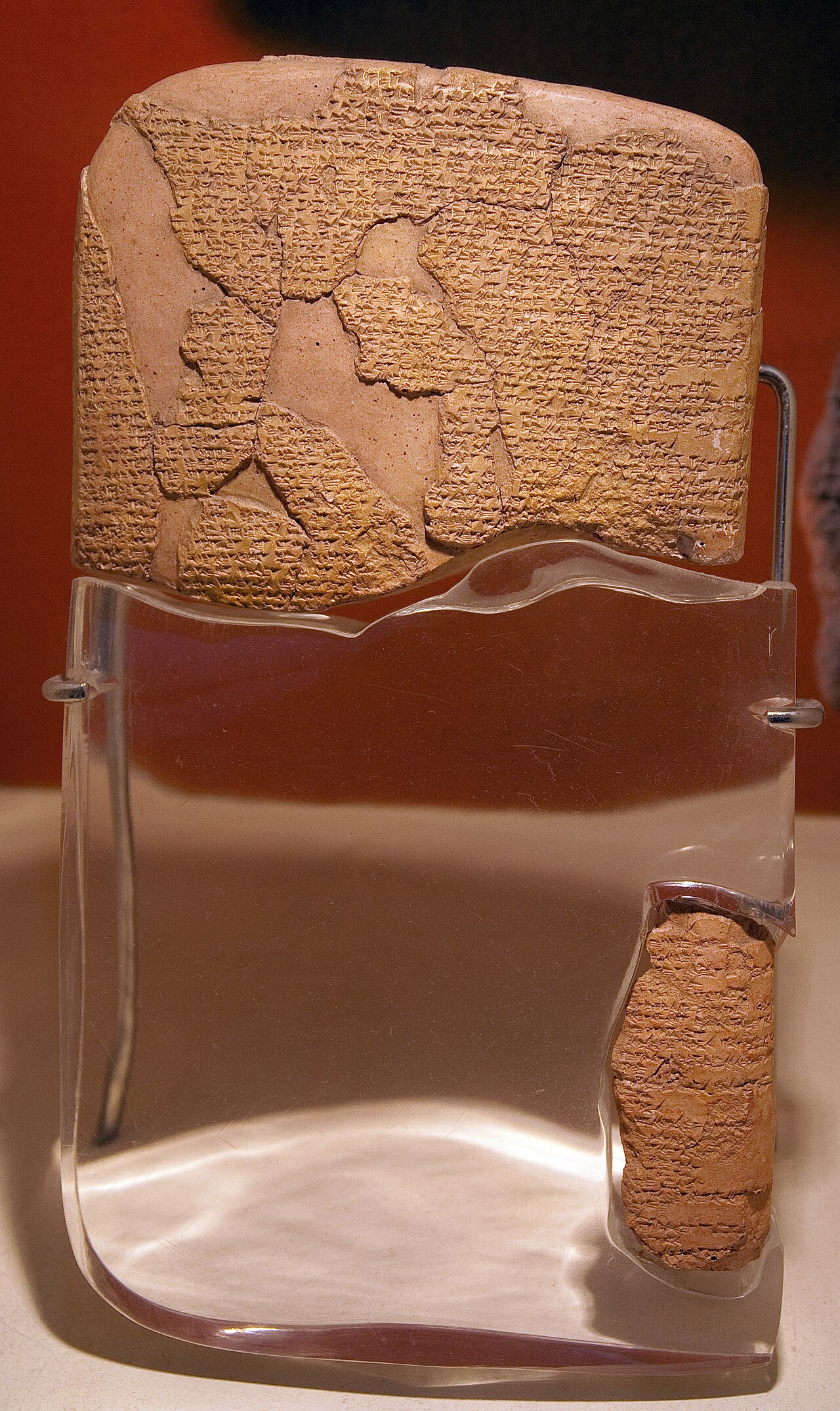 Document
Primary source
Egyptian–Hittite Peace Treaty
c. 1258 BCE
 Photograph
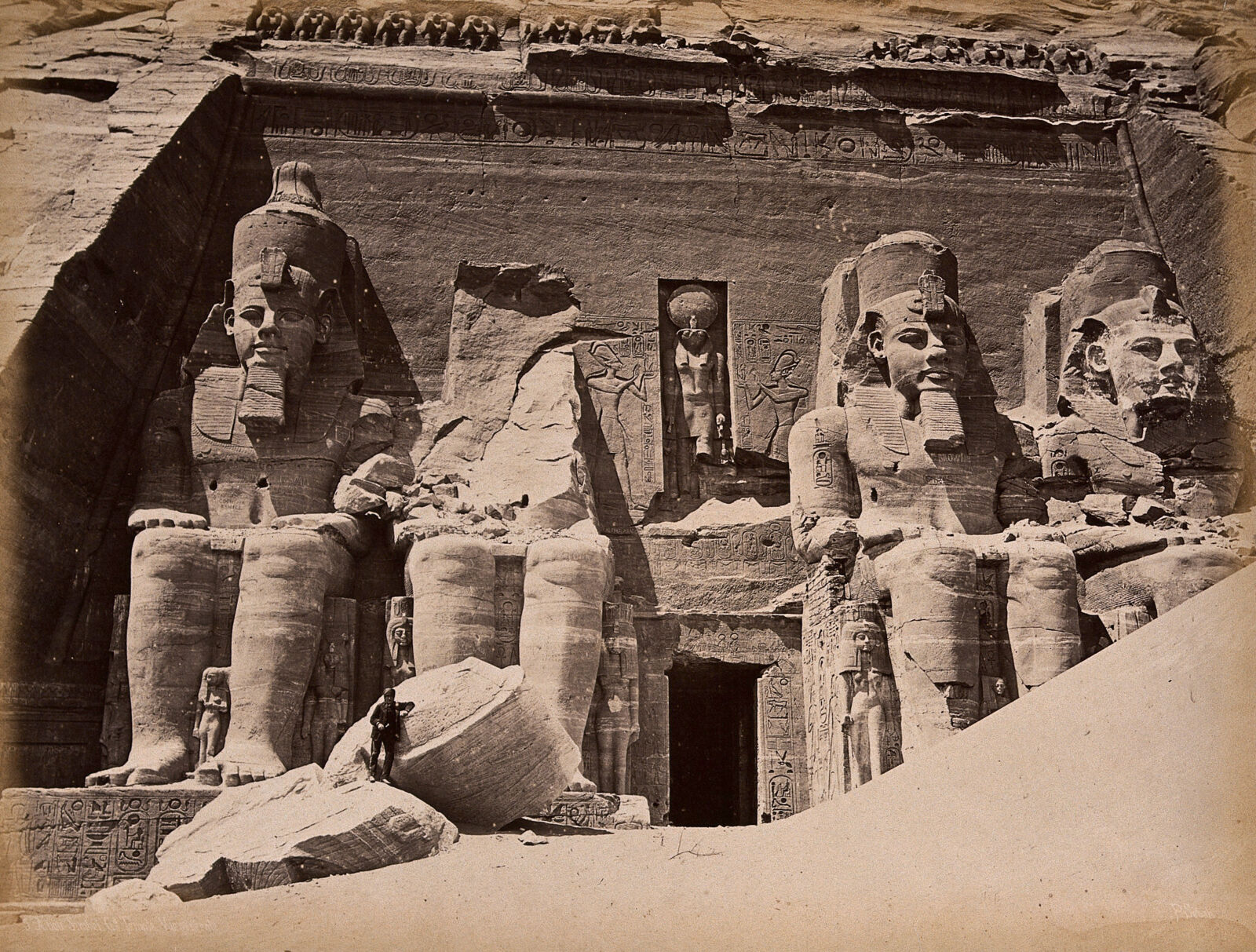
Secondary source
Abu Simbel Temple Colossi
Pascal Sébah · 1875
 Artifact
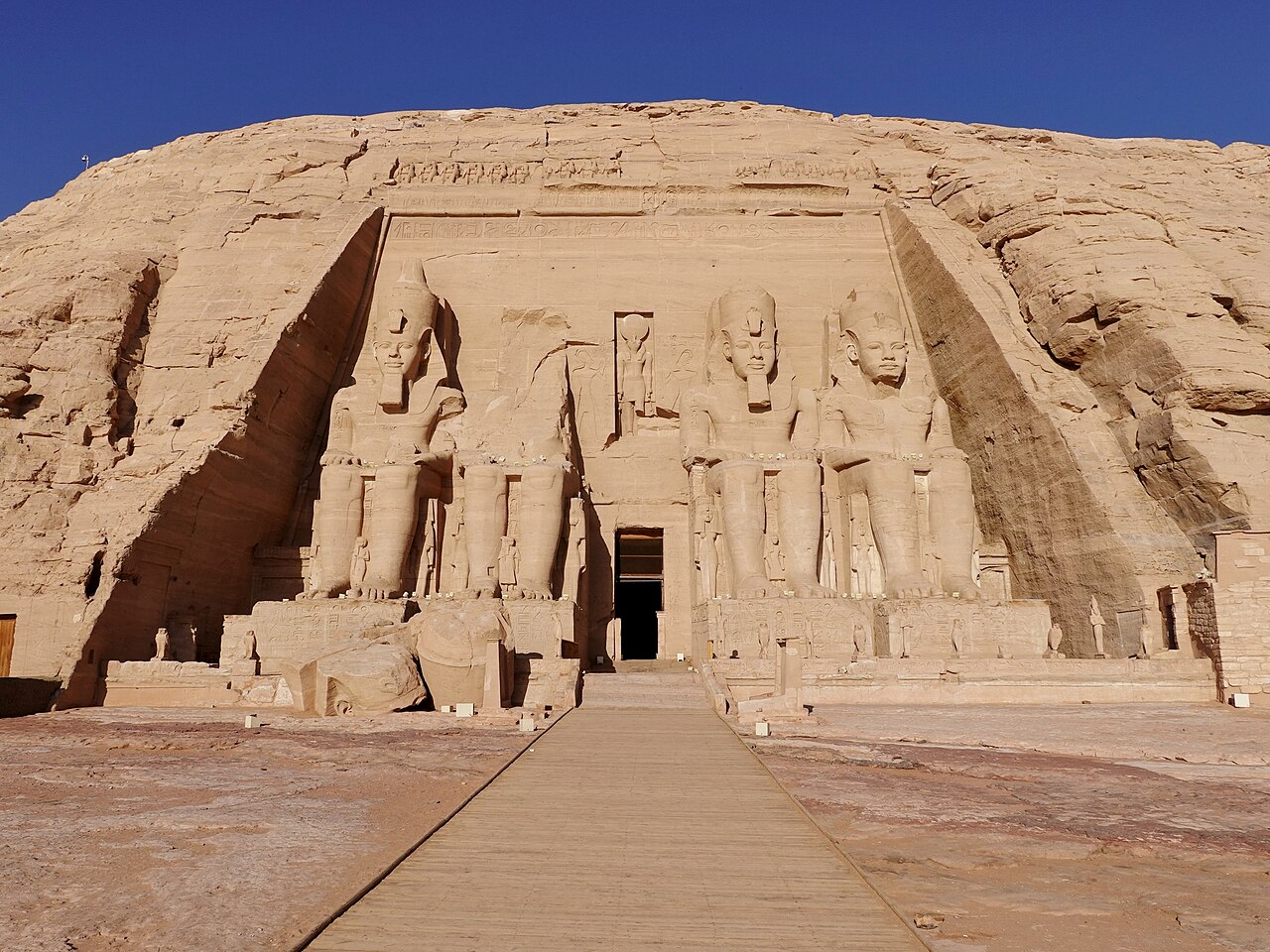
Primary source
Abu Simbel
Ramesses II · c. 1273 BCE
 Photograph
Secondary source
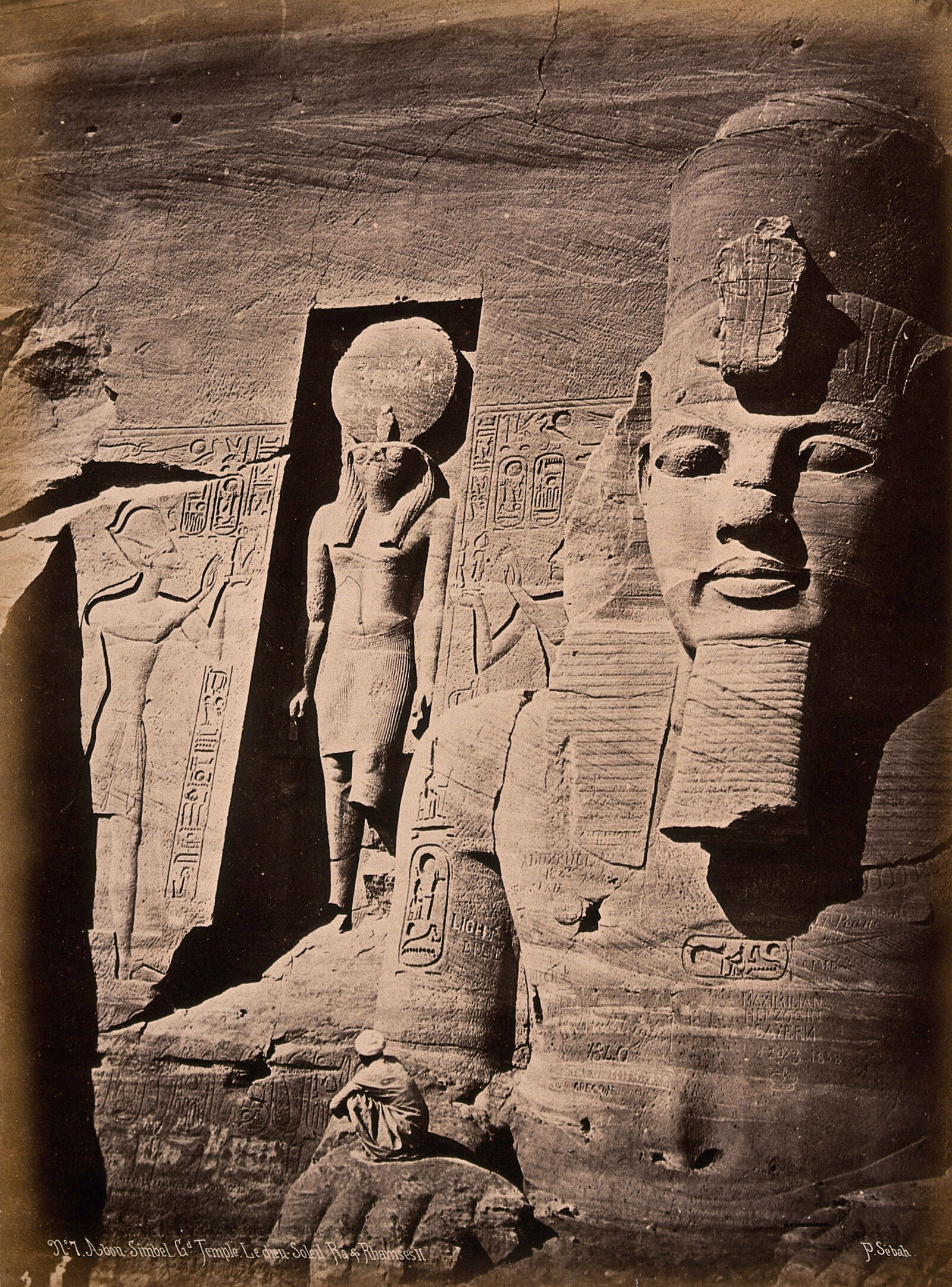
Facade Detail of Abu Simbel Showing Ramesses II and Ra
Pascal Sébah · 1875
 Photograph
Secondary source
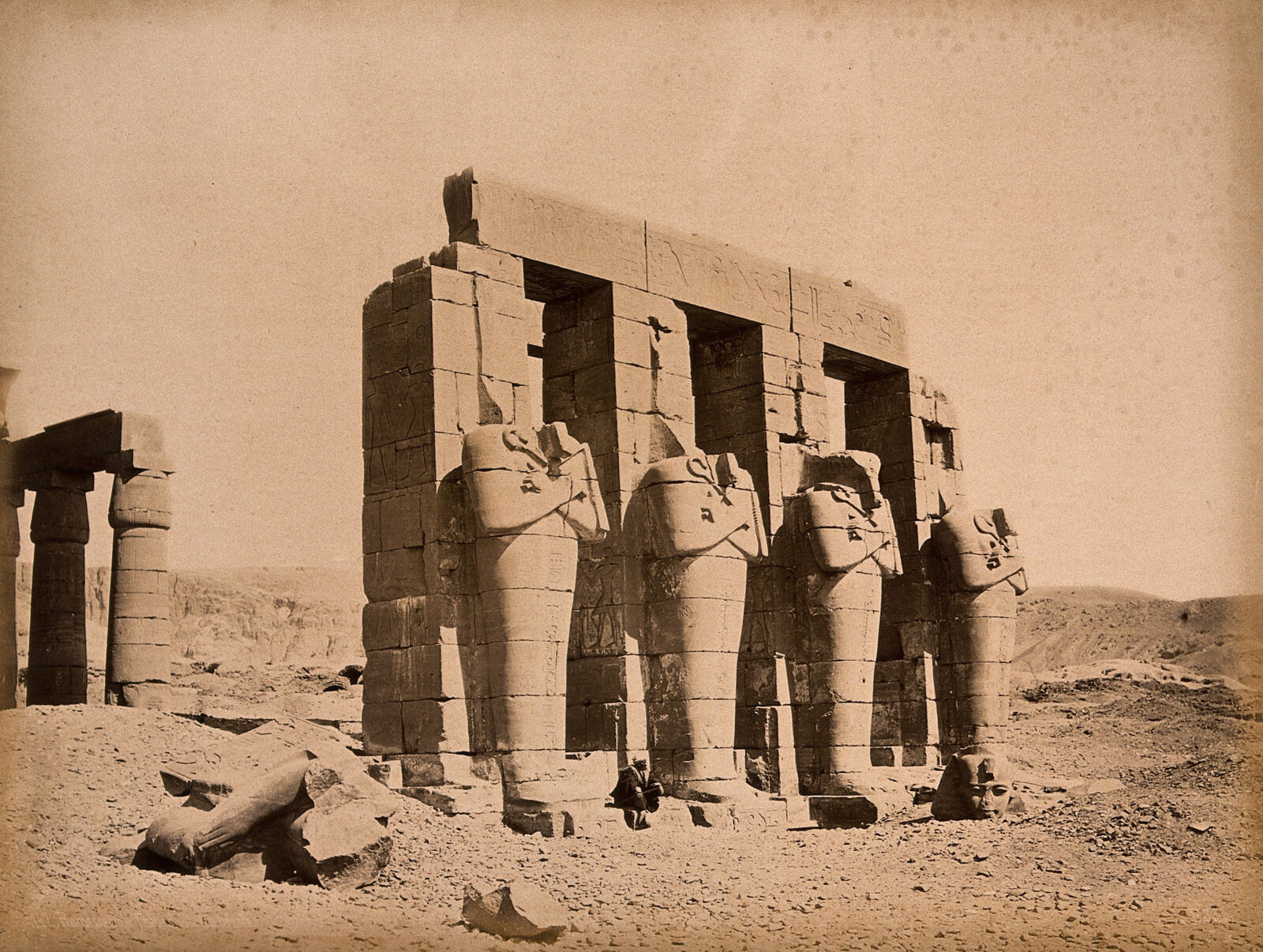
Ramesseum Colossi in Ruins
Pascal Sébah · c. 1875
Ready when you are
Start chatting with Ramses II (Ramses the Great) now.
20 messages free · No credit card · Available in 50+ languages.