


Secondary sourcePainting1638
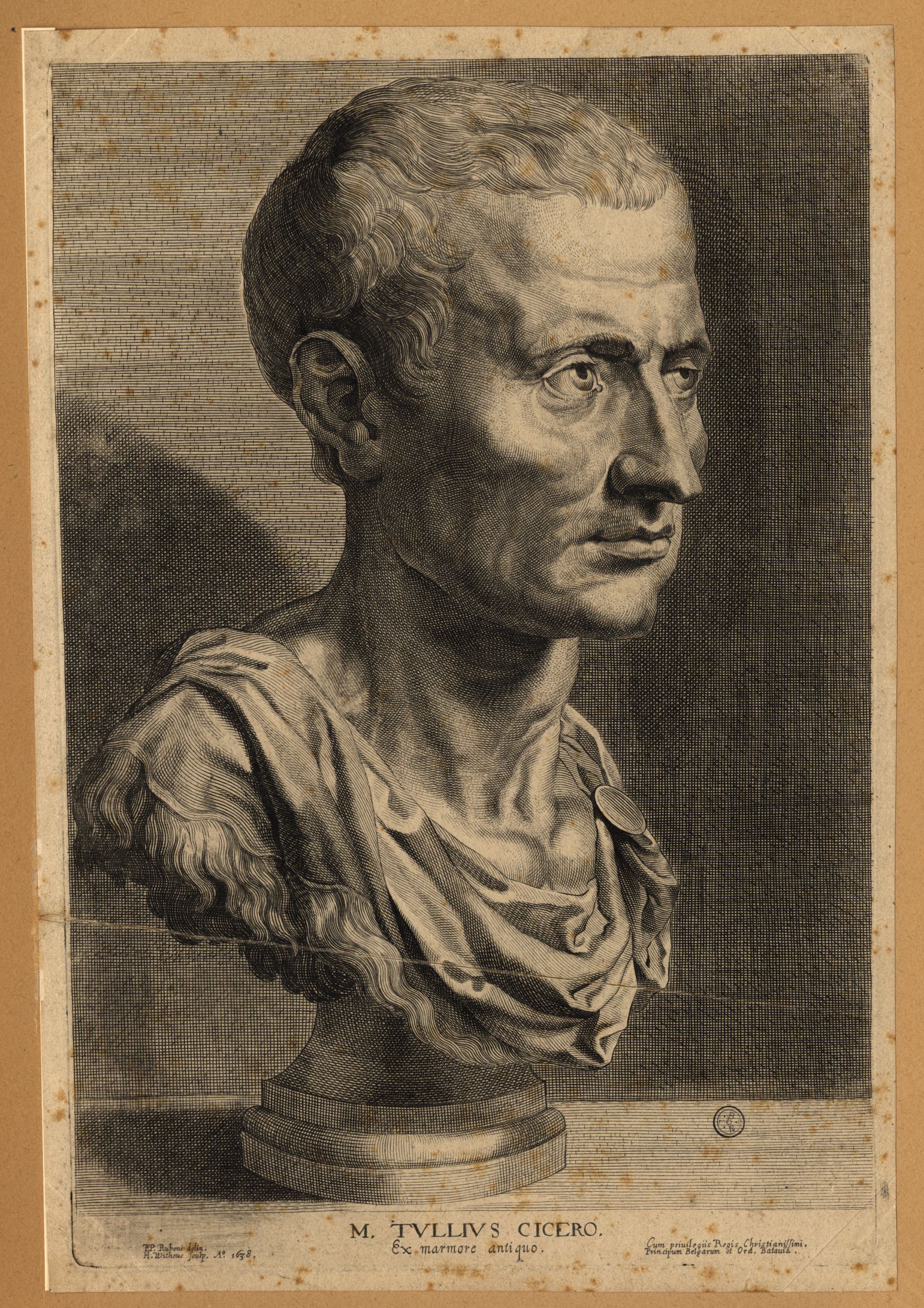
M. Tullius Cicero
Peter Paul Rubens (design); H. Withoos (engraving) · 1638
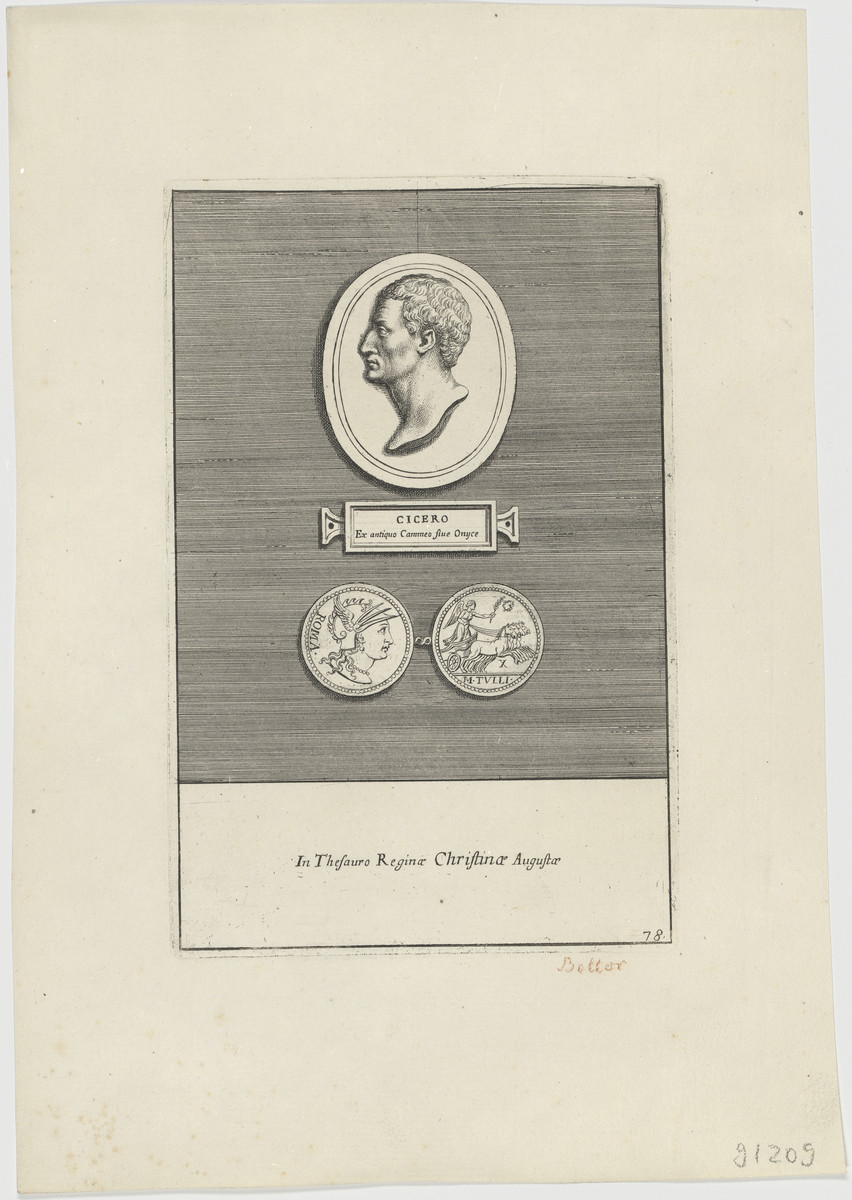
A 1638 engraving of a bust of Cicero, made after a drawing by Rubens, part of a series portraying ancient figures.
This 17th-century print reimagines Cicero's bust, showing how later artists kept his image alive.
About this source
What it is
This engraving shows Cicero in profile, based on a design by the painter Peter Paul Rubens and engraved by H. Withoos in 1638. It is held by the National Library of Portugal.
Why it matters
Artists in the 1600s, including Rubens, were fascinated by ancient Rome and often produced series of portraits of famous historical figures based on ancient marble busts. This print shows how Cicero's image was passed down and reimagined centuries after his death, blending ancient sculpture with the artistic style of the Baroque period.
Look closer
- What clues in the caption tell you this image claims to be based on an 'ancient marble' original?
- Why might Rubens have included Cicero in a series of historical portraits?
- How does this print's style compare to what we know of actual Roman sculpture?
This painting is part of the curated material that grounds the AI version of Cicero on Humy.ai — when students ask about related events, the AI can quote it and cite it.
More Cicero sources
Meet the AI Cicero →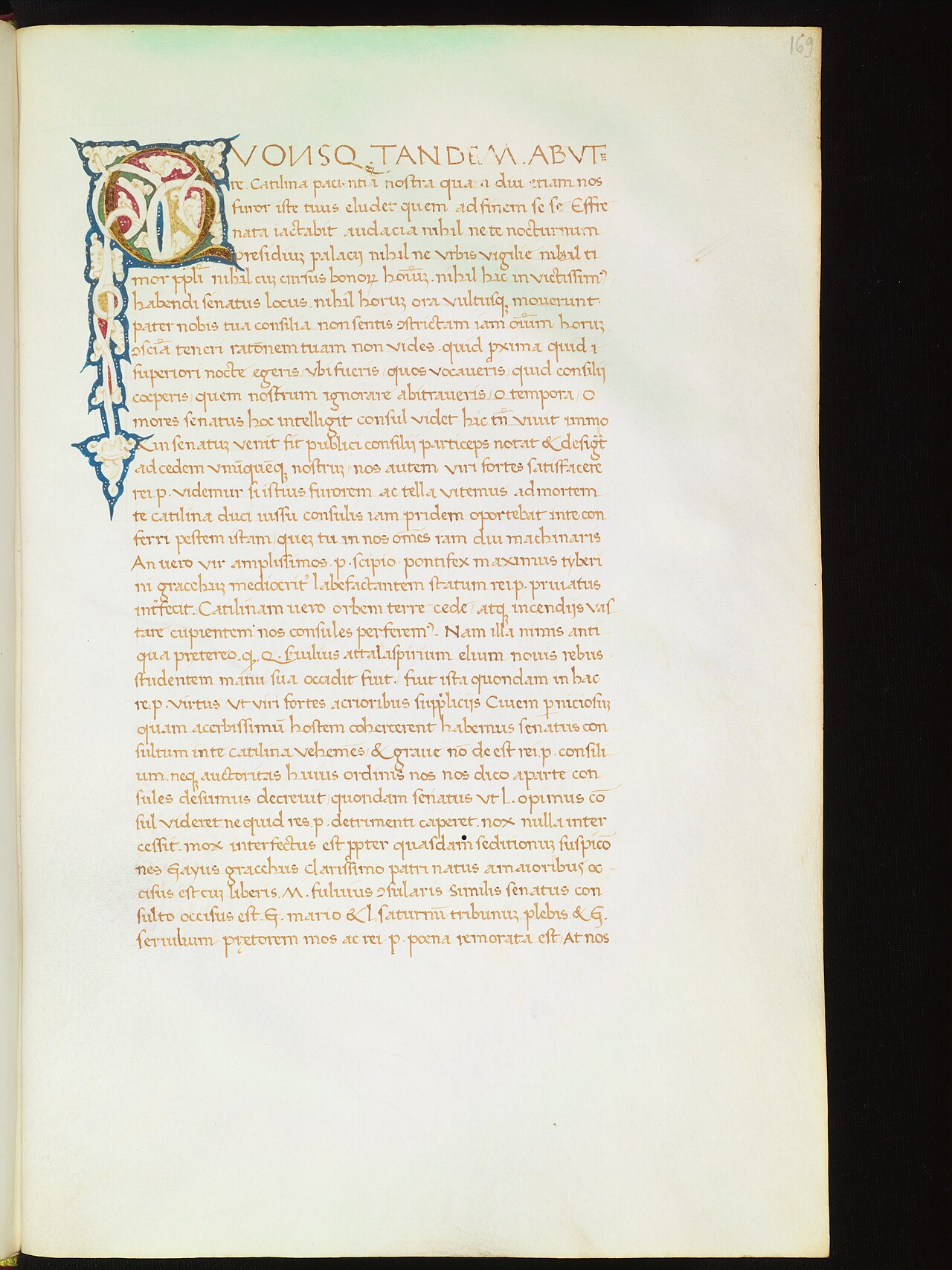 Speech
Primary source
Catiline Orations
Cicero · 63 BCE
 Painting
Secondary source
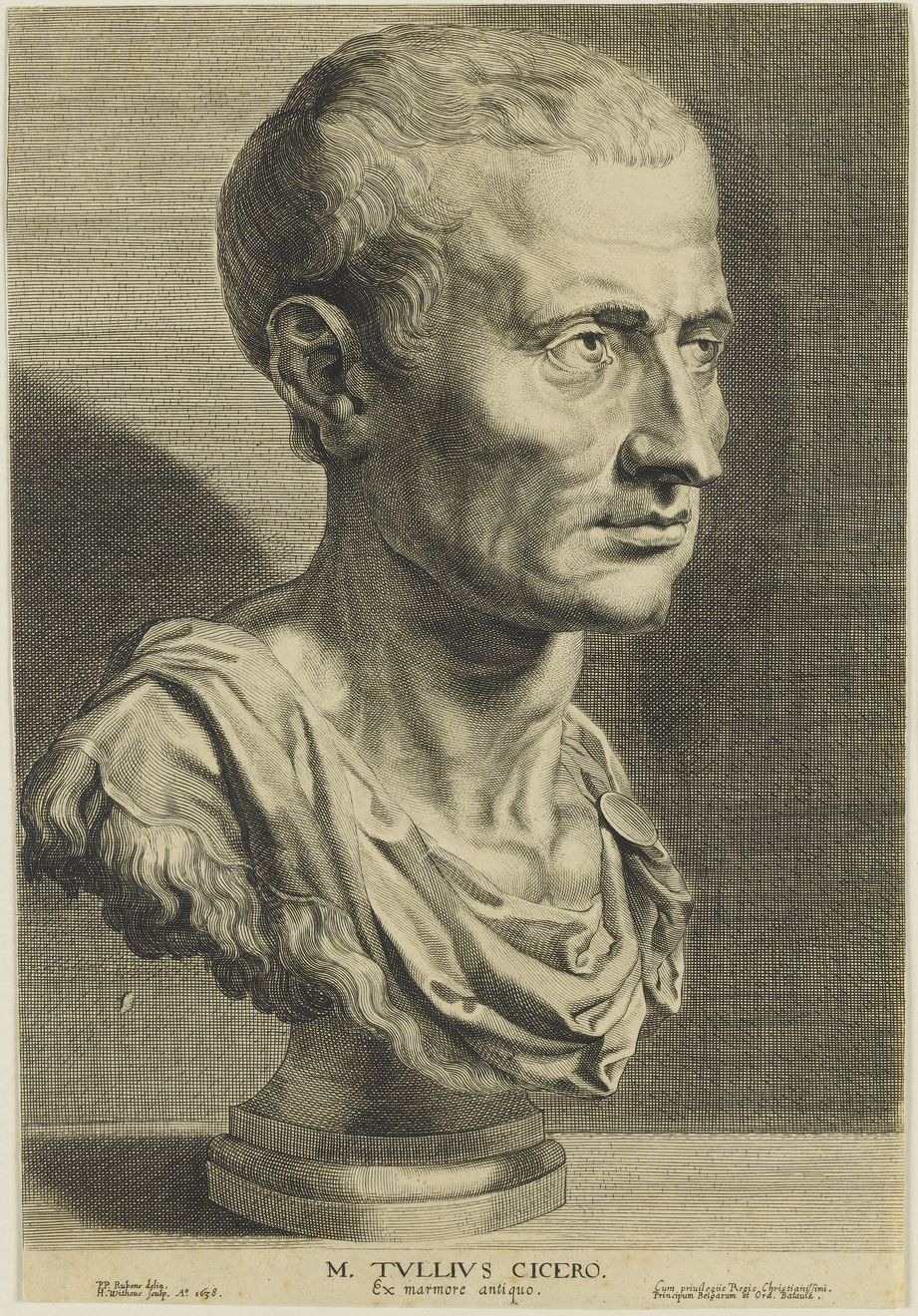
Marcus Tullius Cicero, engraved after antique marble busts
Jan Witdoeck
 Book
Primary source
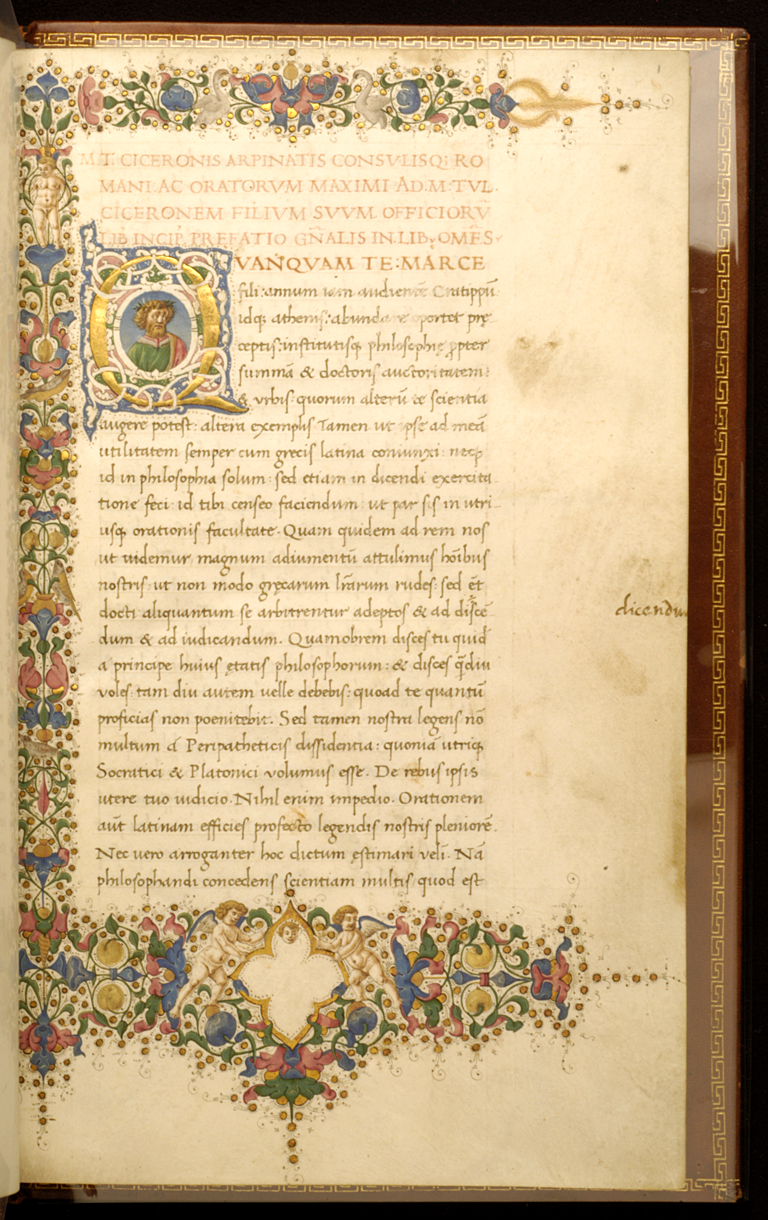
De Officiis
Cicero · 44 BC
 Painting
Secondary source
Portrait of Cicero (Bildnis des Cicero)
 Book
Primary source
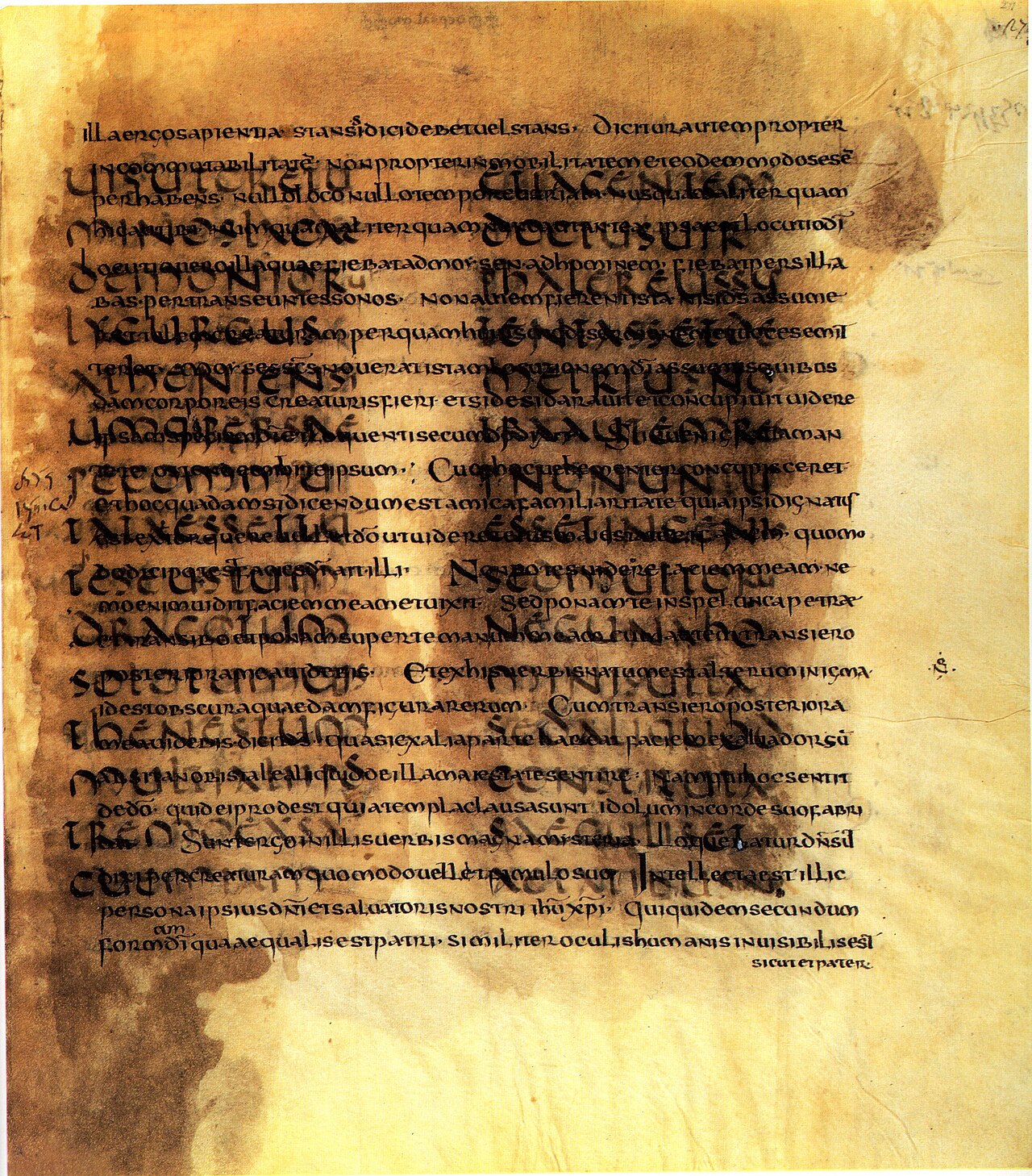
De re publica
Cicero · c. 54–51 BC
Ready when you are
Start chatting with Cicero now.
20 messages free · No credit card · Available in 50+ languages.