


Secondary sourceSpeech1st century CE
Magnificat
1st century CE
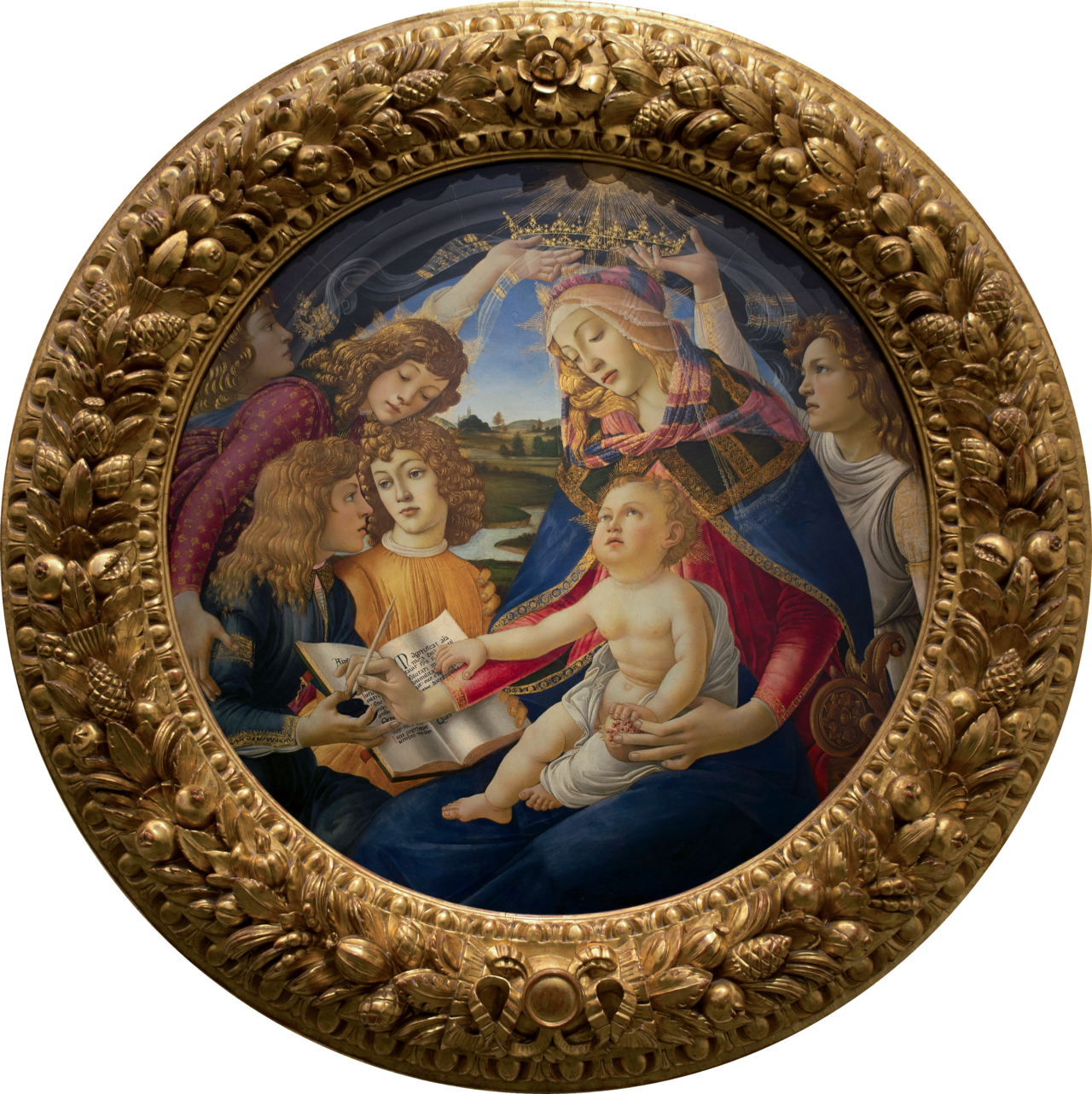
A hymn of praise that the Gospel of Luke attributes to Mary herself during her visit to Elizabeth, the only extended speech given to her in the gospels.
The Magnificat is the one extended speech the gospels attribute directly to Mary, shaping her image for centuries.
Free Humy account · No credit card · 120,912 sources to read
About this source
What it is
The Magnificat is a canticle taken from the Gospel of Luke (1:46–55), spoken by Mary during her visit to her cousin Elizabeth. It is one of the oldest Christian hymns and has been sung in church services, especially evening prayer, ever since.
Why it matters
This is the only long speech the gospels give to Mary, so it has shaped how Christians have imagined her voice and character for centuries. Scholars debate whether Mary herself spoke these words or whether Luke composed them for her, and some ancient manuscripts even give the speech to Elizabeth instead. The hymn's themes—praise of God and reversal of fortune for the proud and the humble—echo older Jewish songs such as the Song of Hannah.
Look closer
- Why might it matter whether these words are Mary's own or were written for her by Luke?
- What do the themes of the song (the proud brought low, the hungry fed) suggest about the kind of story Luke wanted to tell?
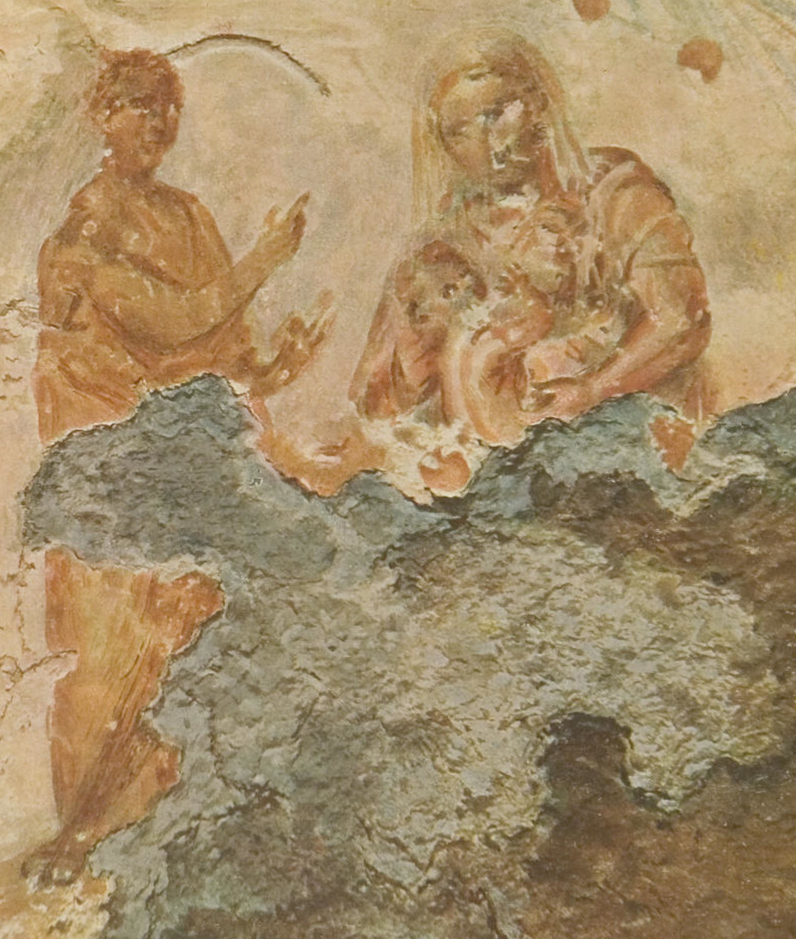
- How does later religious art, like the painting shown here, change the way we imagine Mary compared to the text alone?
This speech is part of the curated material that grounds the AI version of Mary, mother of Jesus on Humy.ai — when students ask about related events, the AI can quote it and cite it.
More Mary, mother of Jesus sources
Browse all 85 →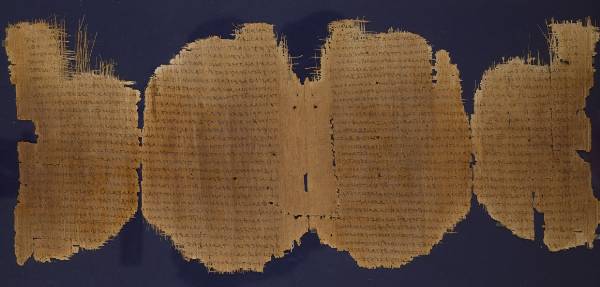 Book
Secondary source
Gospel of Luke
Luke the Evangelist · c. AD 85
 Book
Secondary source
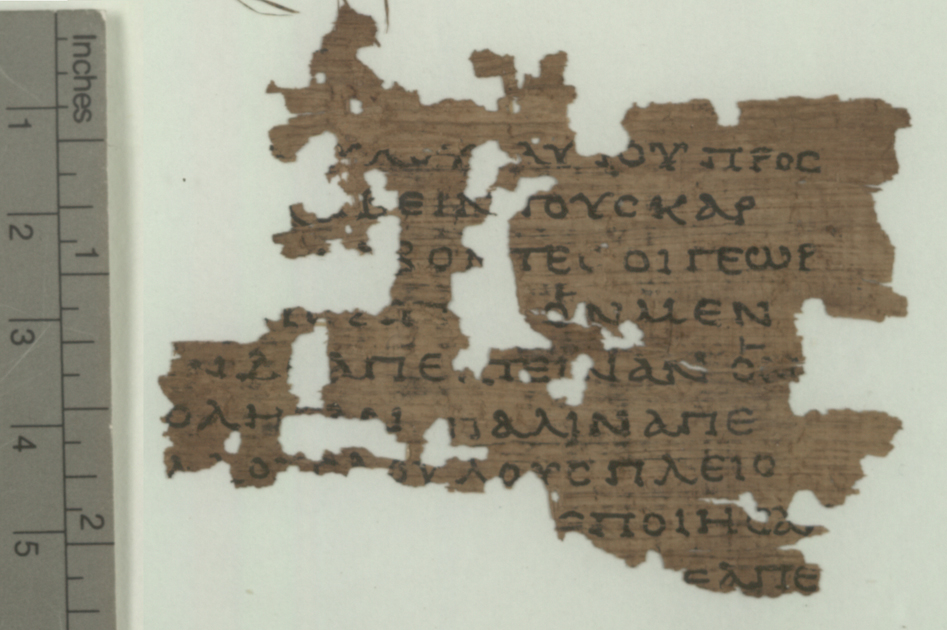
Gospel of Matthew
Matthew the Apostle · late 1st century AD
 Book
Secondary source
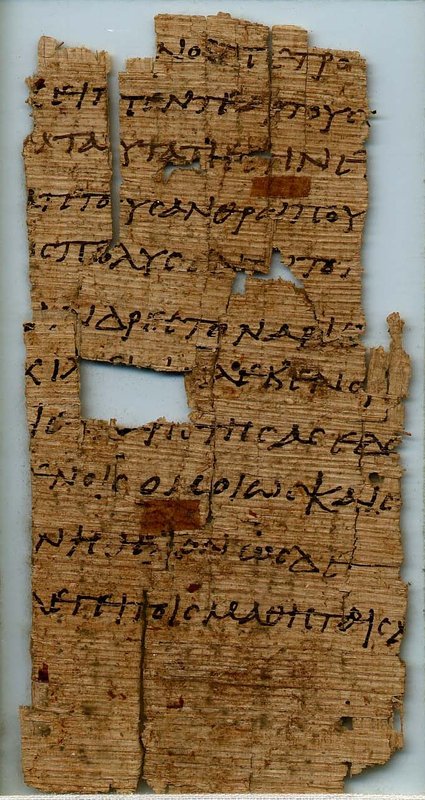
Gospel of John
John the Evangelist · c. AD 90-100
 Painting
Secondary source
Madonna fresco in the Catacomb of Priscilla
Unknown Roman painter · c. 230-250 CE
Free account
Read every Mary, mother of Jesus source
Sign up free →
Ready when you are
Start chatting with Mary, mother of Jesus now.
20 messages free · No credit card · Available in 50+ languages.