


Primary sourceArtifactpossibly 1300s–1600s
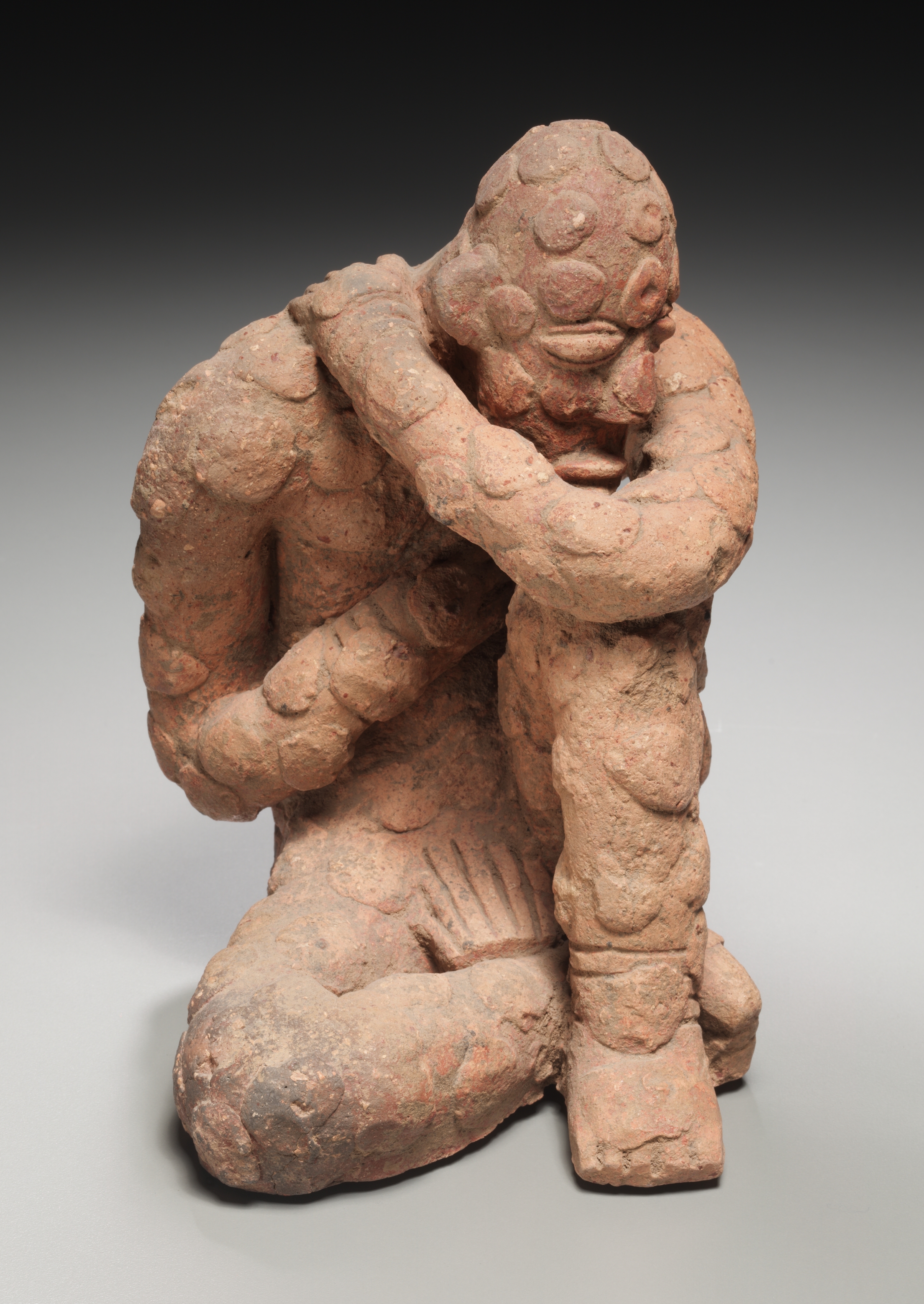
Male Figure (terracotta)
possibly 1300s–1600s
A terracotta sculpture from the Inland Niger Delta region that Sonni Ali conquered, showing the culture of the area rather than the ruler himself.
Made in the Djenne region Sonni Ali's empire conquered, this ritual figure shows the spiritual culture of the people he ruled.
About this source
What it is
A terracotta figure of a kneeling man, made sometime between the 1300s and 1600s in the Inland Niger Delta area, now held by the Cleveland Museum of Art. Its maker is not recorded.
Why it matters
Figures like this were used in rituals by the ancestors of people still living in the region today. They represented gods, kings, or queens and received prayers and offerings in return for support. This particular figure's seated pose has been linked to a harmful ritual meant to bring death to someone. The sculpture comes from the Djenne region, part of the territory that Sonni Ali's Songhai Empire conquered, giving a glimpse of the spiritual culture of the people he ruled.
Look closer
- What details in the figure's pose and expression stand out to you, and what might they have meant to the people who made it?
- Why might this object have been used in rituals, based on the museum's description?
- How does an object like this help us understand a region's culture when we have no written records from that time?
This artifact is part of the curated material that grounds the AI version of Sunni Ali on Humy.ai — when students ask about related events, the AI can quote it and cite it.
More Sunni Ali sources
Meet the AI Sunni Ali →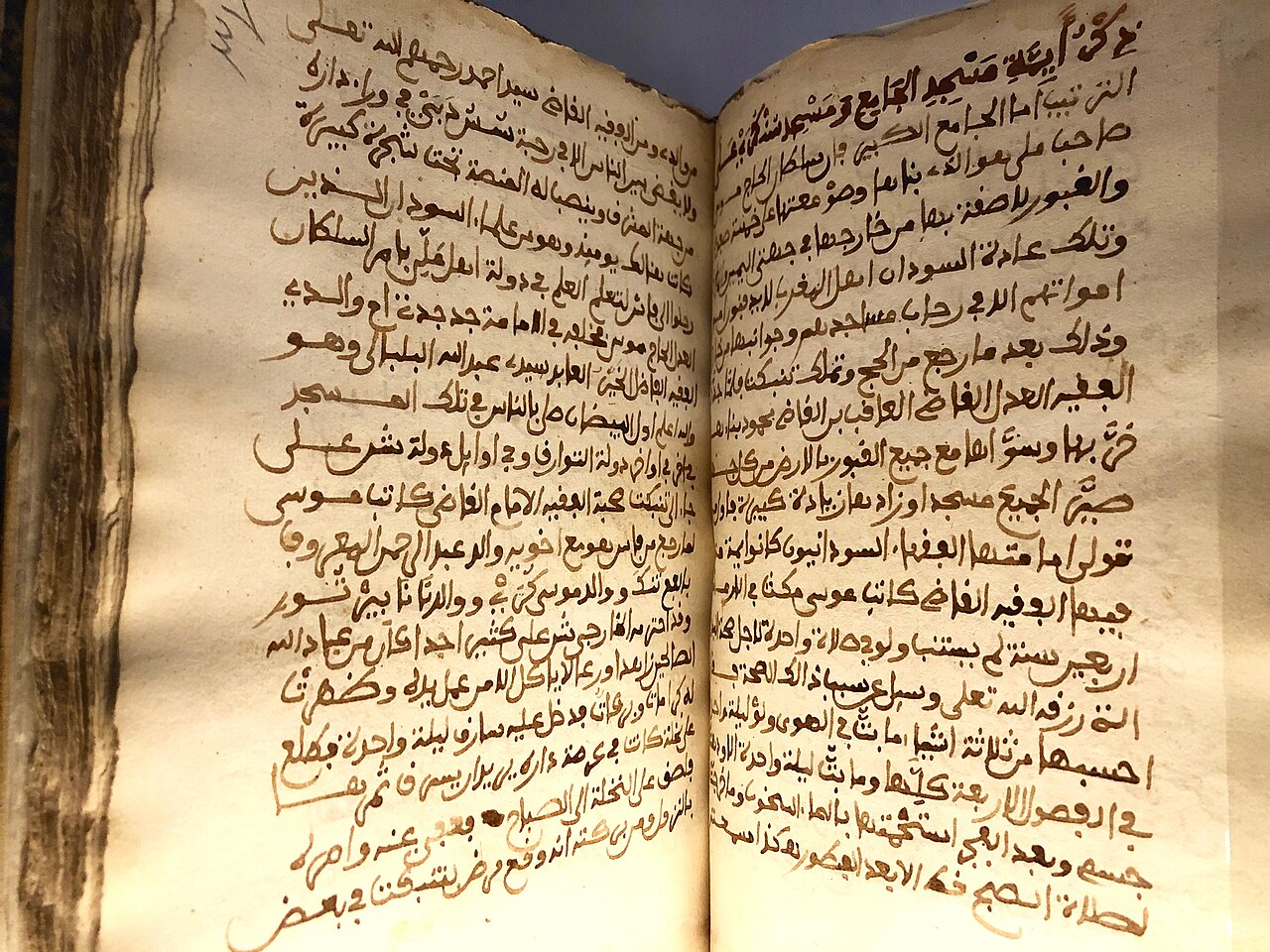 Book
Secondary source
Tarikh al-Sudan
Abderrahmane Es Saâdi · c. 1655
 Book
Secondary source
Description of Africa
Leo Africanus · 1526 (published 1550)
 Artifact
Secondary source
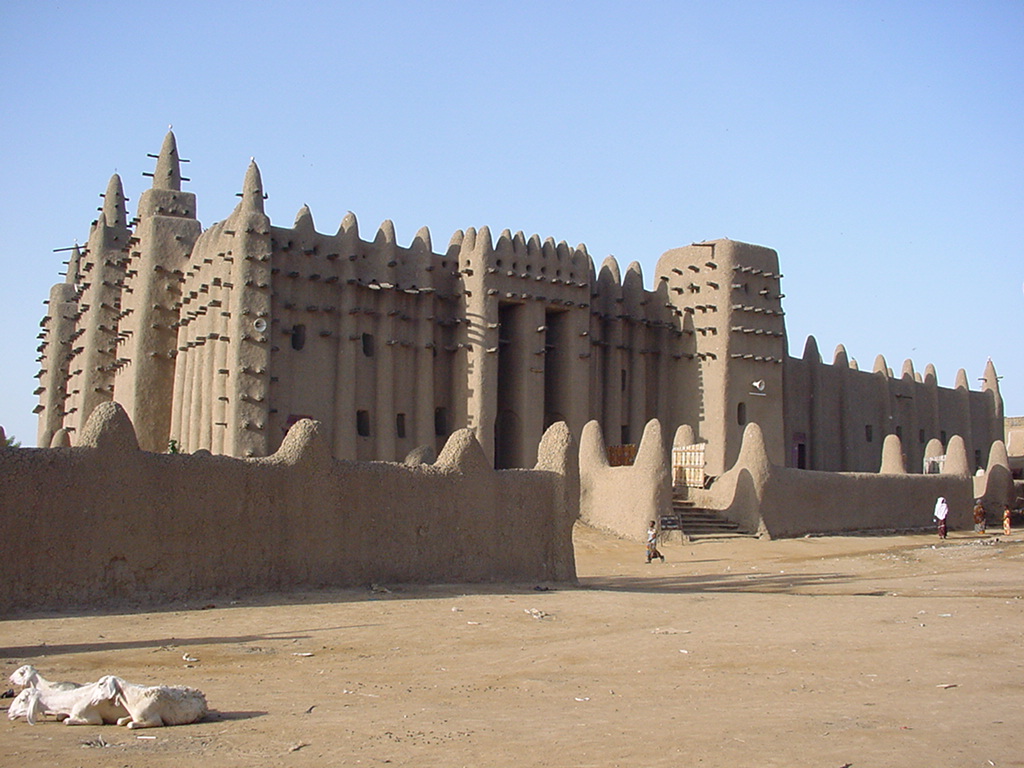
Great Mosque of Djenné
Ismaila Traoré · 1906-1907 (present structure)
 Artifact
Secondary source
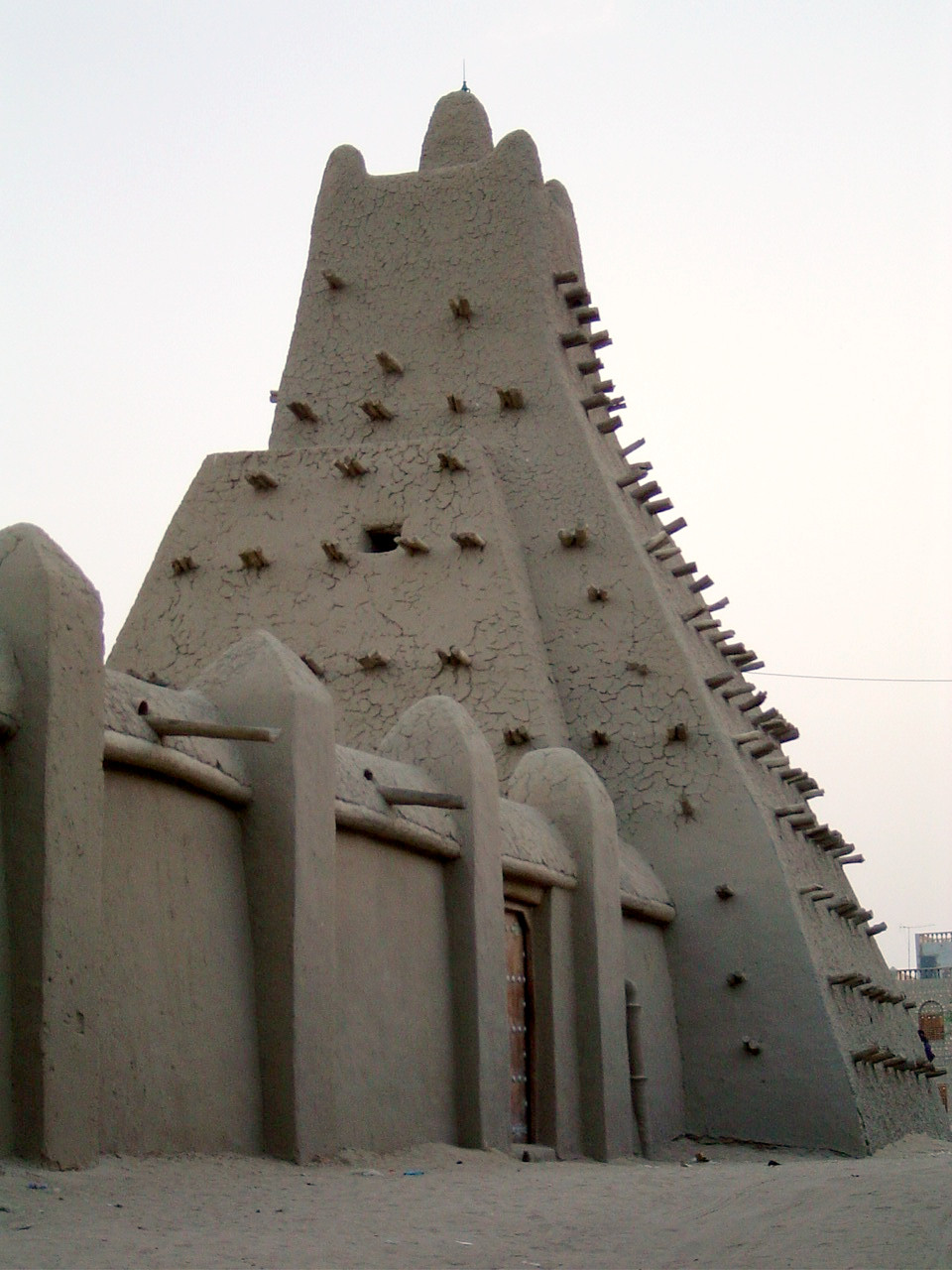
Sankoré Madrasa
14th-15th century
 Artifact
Secondary source
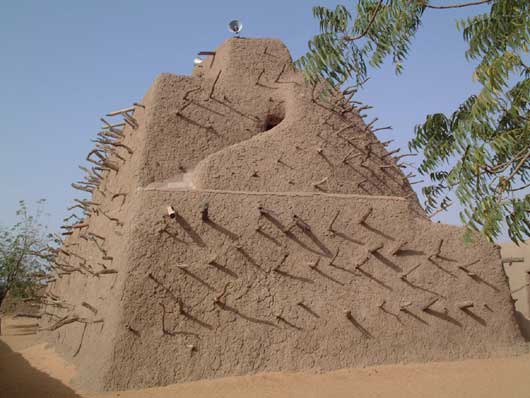
Tomb of Askia
end of 15th century
Ready when you are
Start chatting with Sunni Ali now.
20 messages free · No credit card · Available in 50+ languages.