


Primary sourcePainting1892
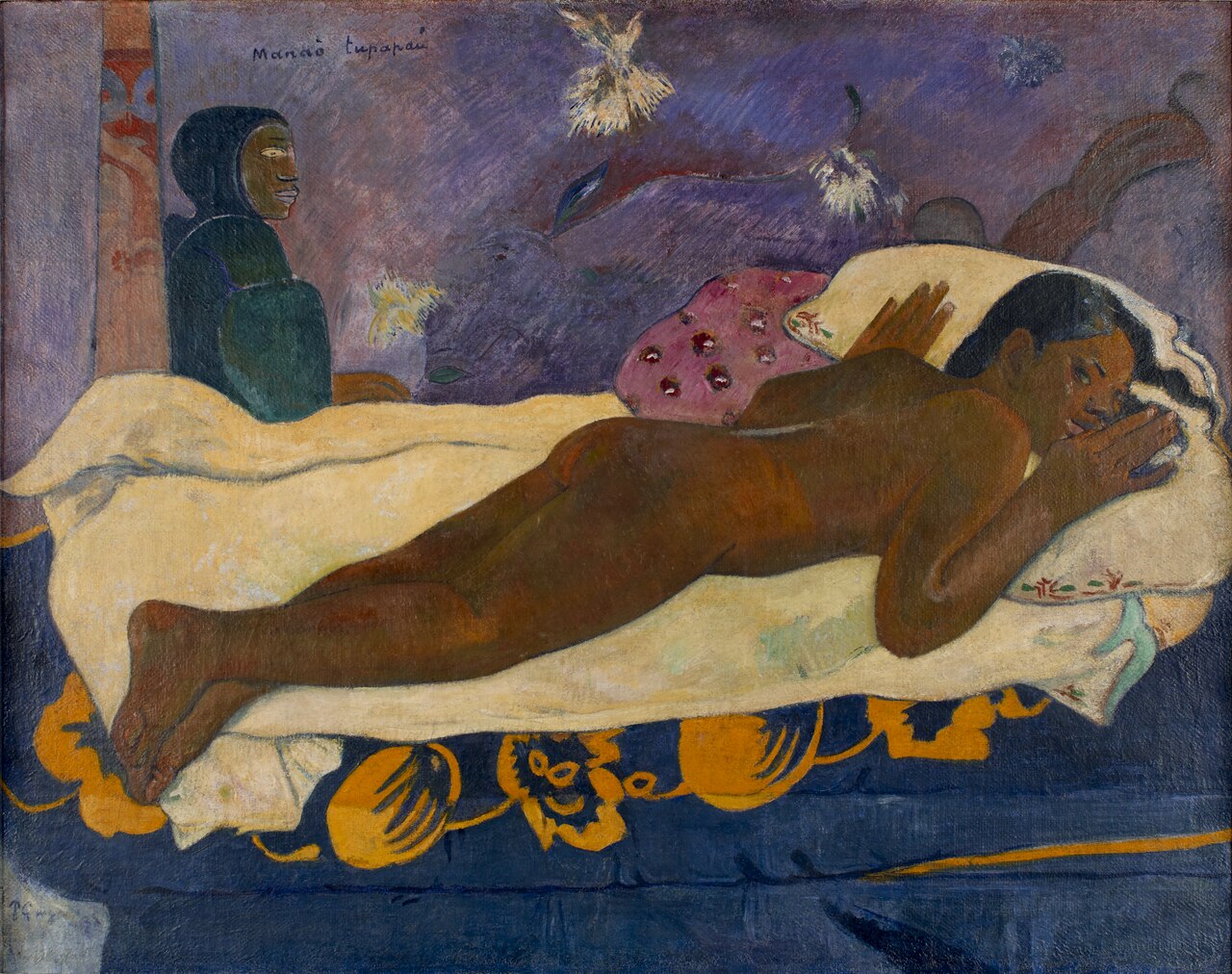
Manaò tupapaú
Paul Gauguin · 1892
Gauguin's 1892 painting of his teenage Tahitian wife Teha'amana, central to debates over his mythmaking and colonial exploitation of young girls.
Painted by Gauguin of his teenage Tahitian partner, it is central to modern debates about his exploitation of her.
About this source
What it is
This oil painting on burlap was made by Paul Gauguin in 1892 in Tahiti. It is held by the Buffalo AKG Art Museum.
It shows a nude young Tahitian woman lying face down with an old woman seated behind her. Gauguin said the subject was his partner Tehaʼamana, who according to his own account was then thirteen years old.
Why it matters
Gauguin described the scene as capturing Tehaʼamana's fear of spirits of the dead, but his own letters give different, shifting explanations for her expression. Historians have connected the painting to his earlier series on fear and innocence, to Édouard Manet's Olympia, which Gauguin admired and copied, and to his sexual relationship with Tehaʼamana, whom he had infected with venereal disease.
Some art historians, such as Stephen F. Eisenman, have read the painting as revealing colonial racism and misogyny, making it a focus of modern critical debate about Gauguin's life and work in Tahiti.
Look closer
- Whose point of view does the painting show us — the girl's, or Gauguin's?
- Why might different accounts by Gauguin himself give different reasons for her fearful expression?
- What does this painting, and its history, reveal about the power relationship between the painter and his model?
This painting is part of the curated material that grounds the AI version of Paul Gauguin on Humy.ai — when students ask about related events, the AI can quote it and cite it.
More Paul Gauguin sources
Browse all 97 →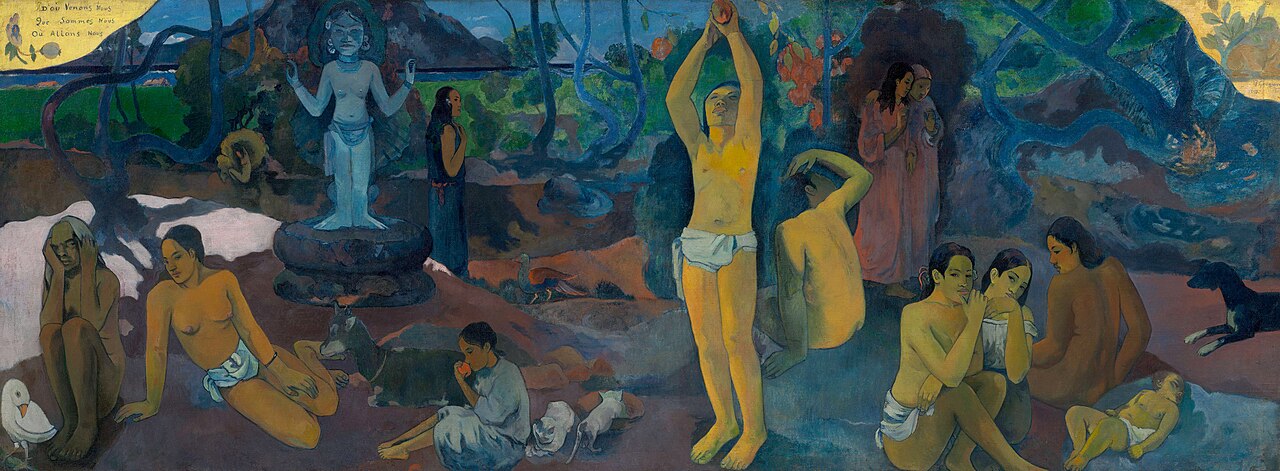 Painting
Primary source
Where Do We Come From? What Are We? Where Are We Going?
Paul Gauguin · 1897-98
 Painting
Primary source
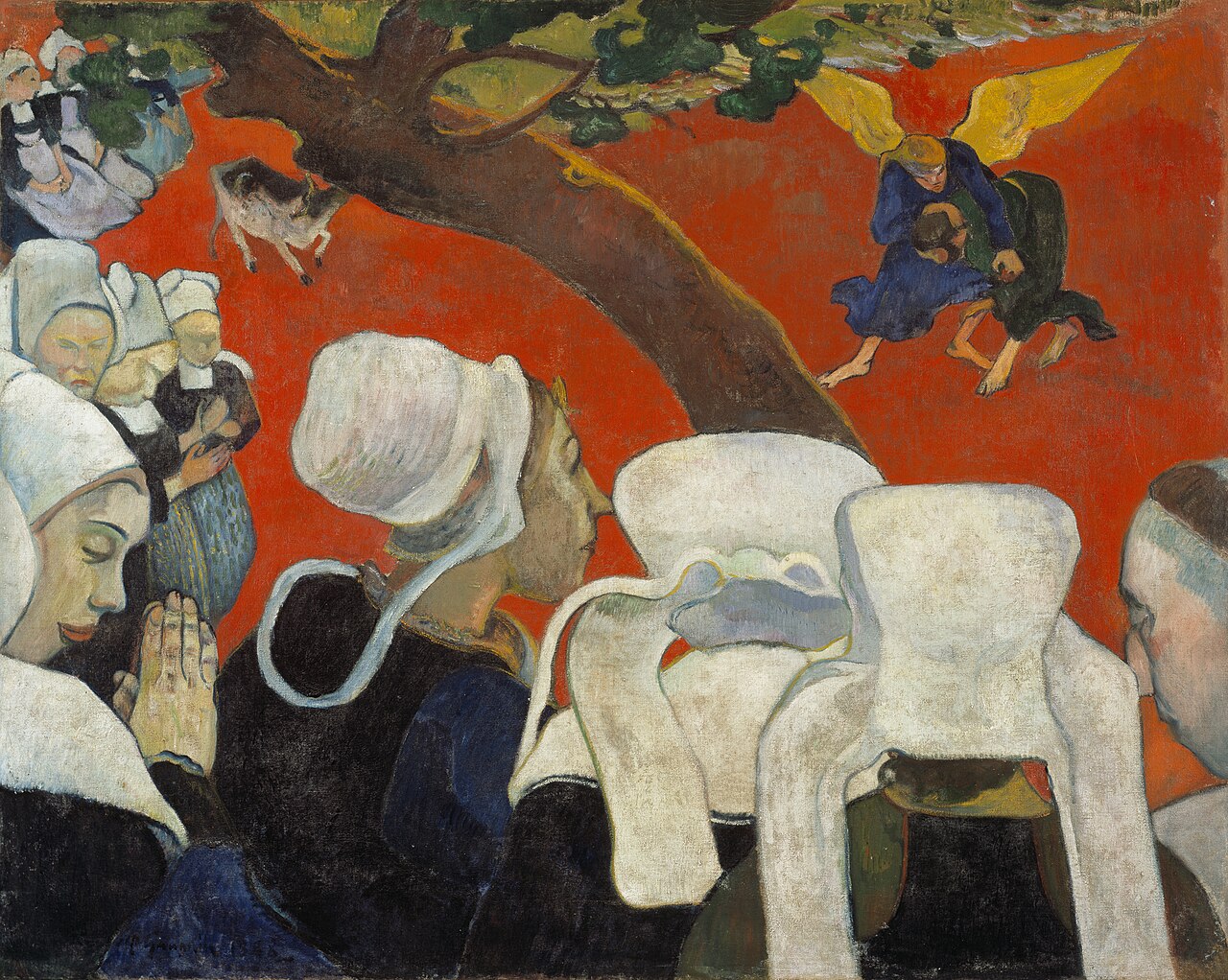
Vision After the Sermon
Paul Gauguin · 1888
 Painting
Primary source
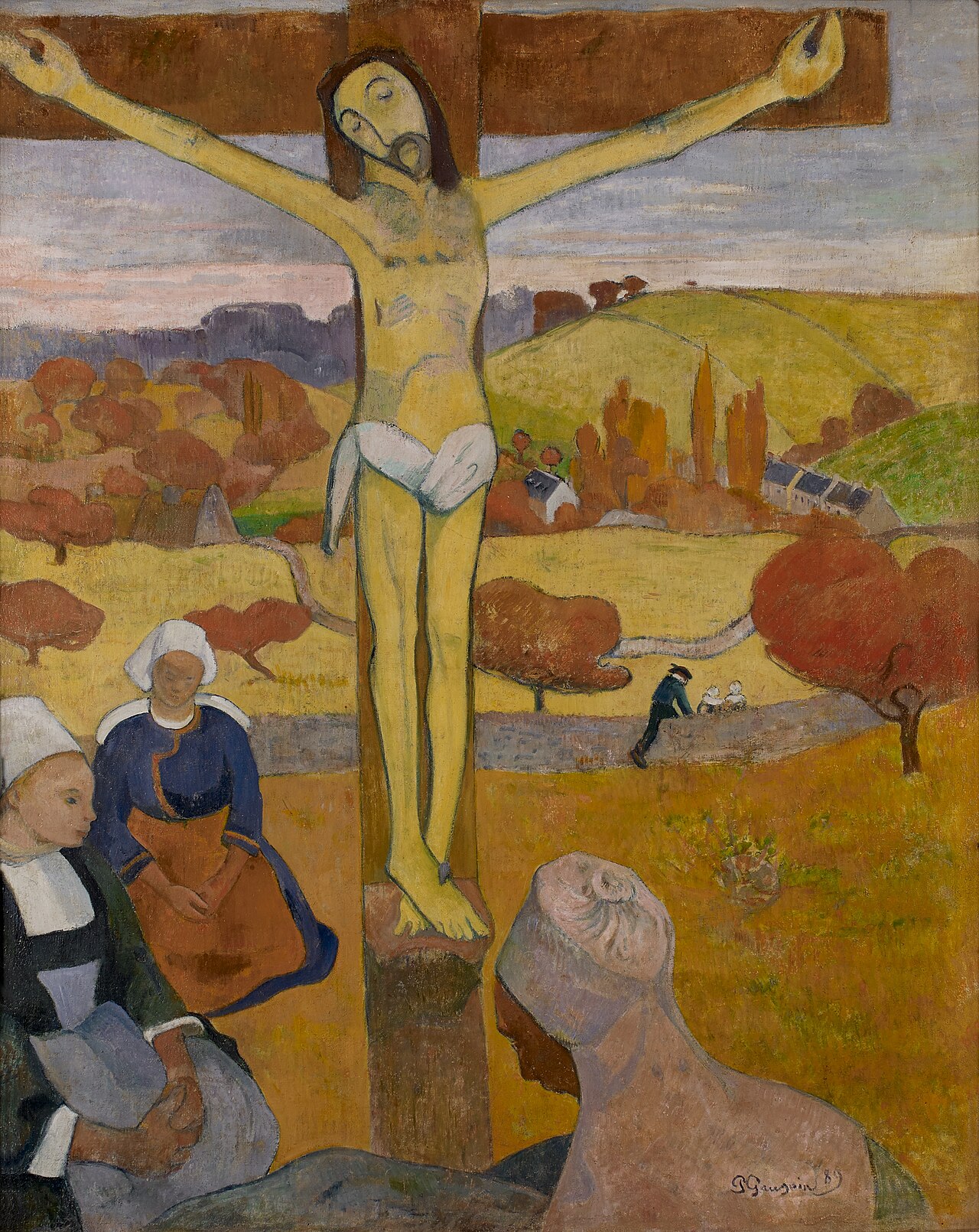
The Yellow Christ
Paul Gauguin · 1889
 Book
Primary source
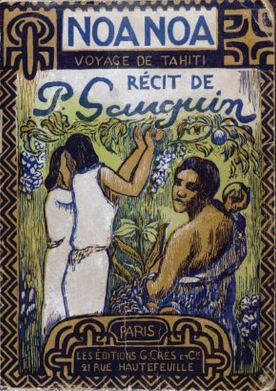
Noa Noa
Paul Gauguin · 1891
Free account
Read every Paul Gauguin source
Sign up free →
Ready when you are
Start chatting with Paul Gauguin now.
20 messages free · No credit card · Available in 50+ languages.