


Primary sourceBook1891
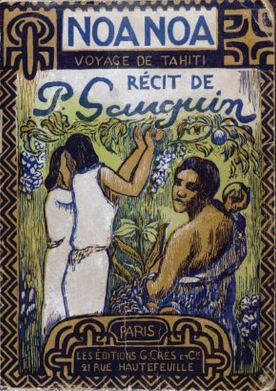
Noa Noa
Paul Gauguin · 1891
Gauguin's own romanticised written account of his first stay in Tahiti, shaping the myth of an unspoiled island paradise for Parisian readers.
Gauguin's own written account of his time in Tahiti, revealing how he constructed his public myth.
Free Humy account · No credit card · 120,912 sources to read
About this source
What it is
Noa Noa is a book written by Paul Gauguin, describing his first stay in Tahiti beginning in 1891. An edition shown here was illustrated by Daniel de Monfreid and published in 1929 in Paris.
The opening includes a dedicatory poem addressed to Téhura, referencing Tahitian deities and imagery of the forest, sea and mountain.
Why it matters
Gauguin wrote Noa Noa to present his experience of Tahiti to a Parisian audience back in France, shaping how Europeans imagined the island. The text blends his own observations with poetic and mythic elements, contributing to a romanticised, constructed image of an unspoiled 'paradise' rather than a straightforward record of life there.
As such, it is an important source for understanding how Gauguin wanted himself and Tahiti to be seen, rather than a neutral historical account.
Look closer
- Why might Gauguin have wanted to present Tahiti as an unspoiled paradise to readers in France?
- What does the dedicatory poem suggest about how he viewed the Tahitian woman Téhura?
- How might a more neutral observer have described the same events differently?
This book is part of the curated material that grounds the AI version of Paul Gauguin on Humy.ai — when students ask about related events, the AI can quote it and cite it.
More Paul Gauguin sources
Browse all 97 →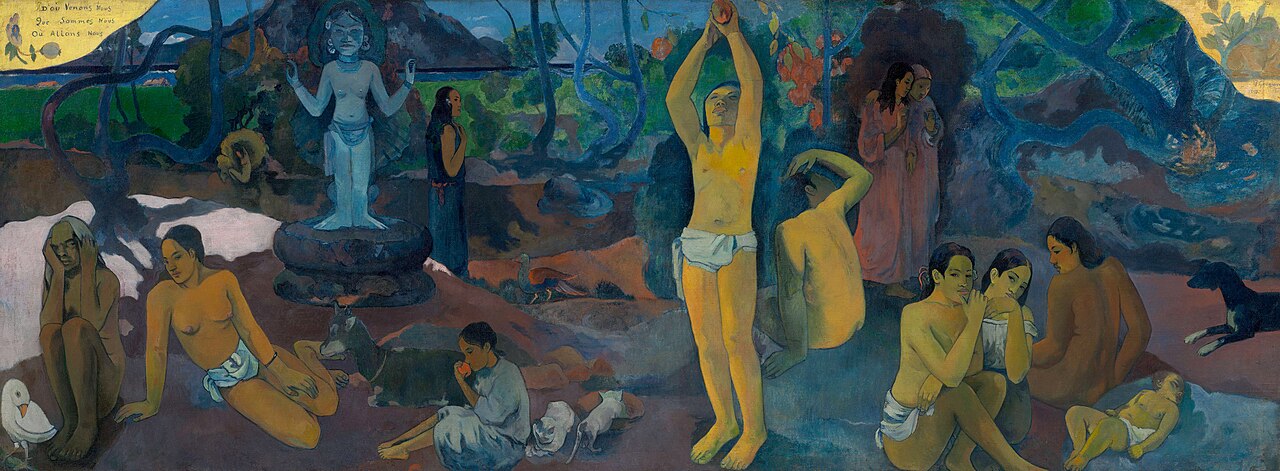 Painting
Primary source
Where Do We Come From? What Are We? Where Are We Going?
Paul Gauguin · 1897-98
 Painting
Primary source
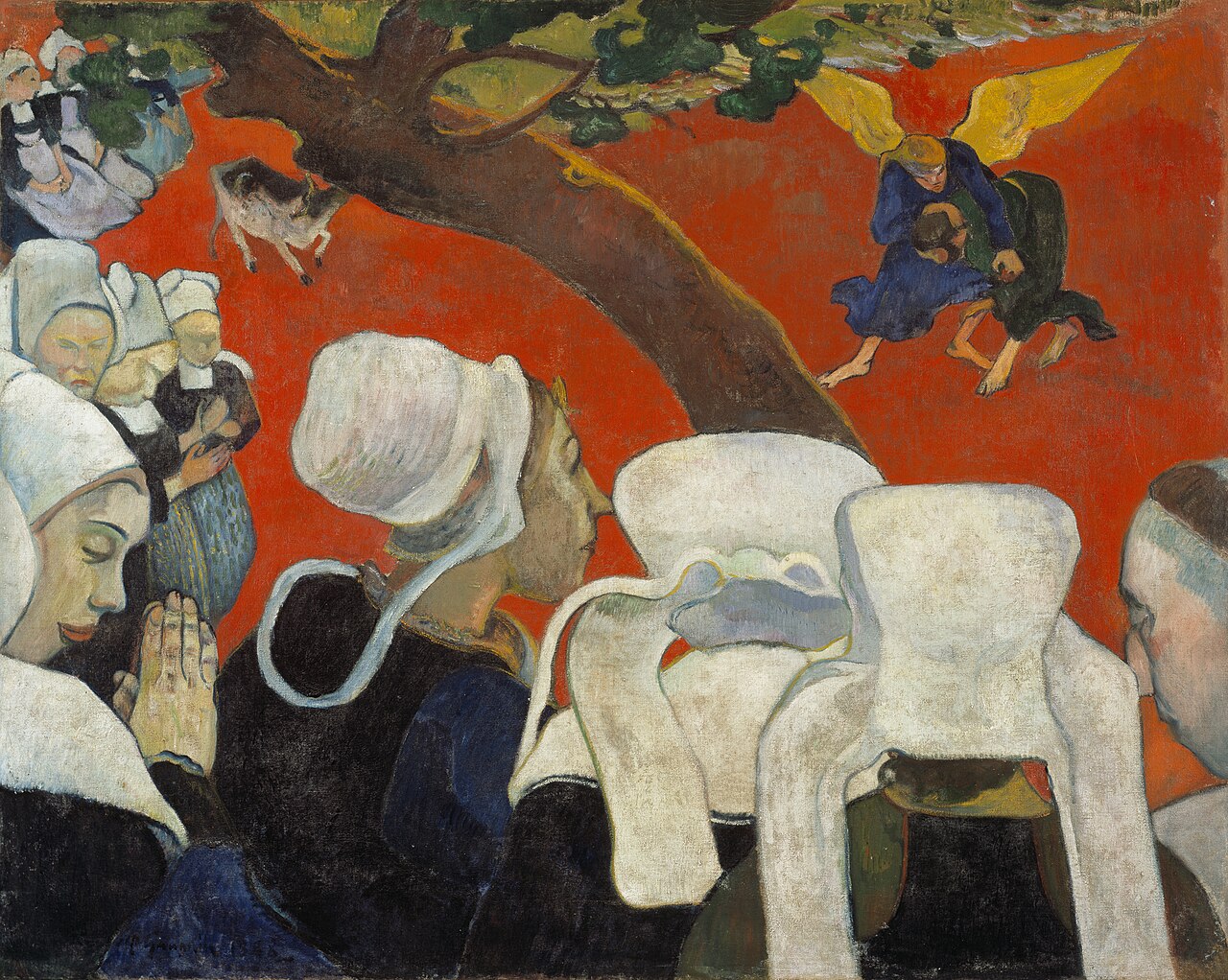
Vision After the Sermon
Paul Gauguin · 1888
 Painting
Primary source
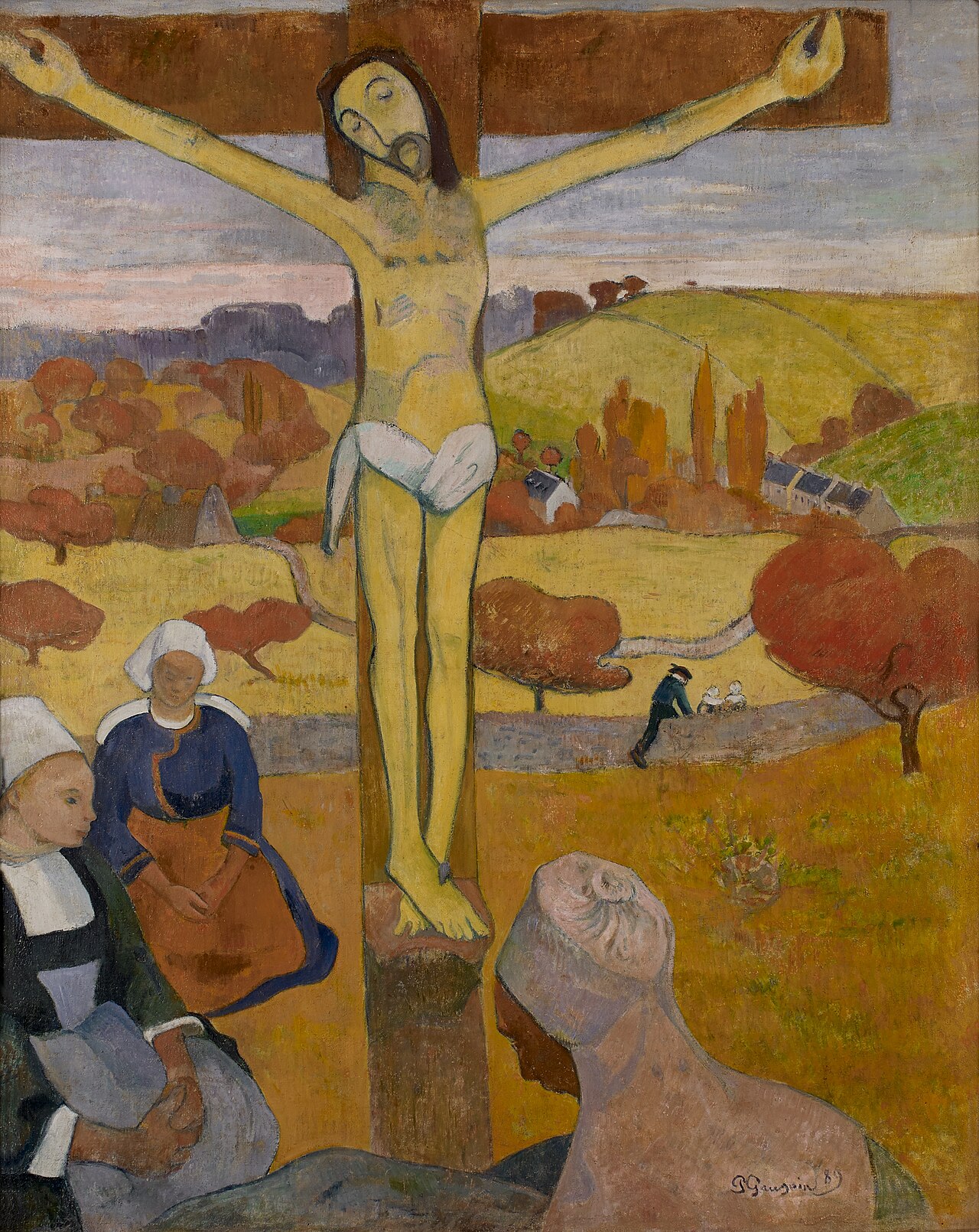
The Yellow Christ
Paul Gauguin · 1889
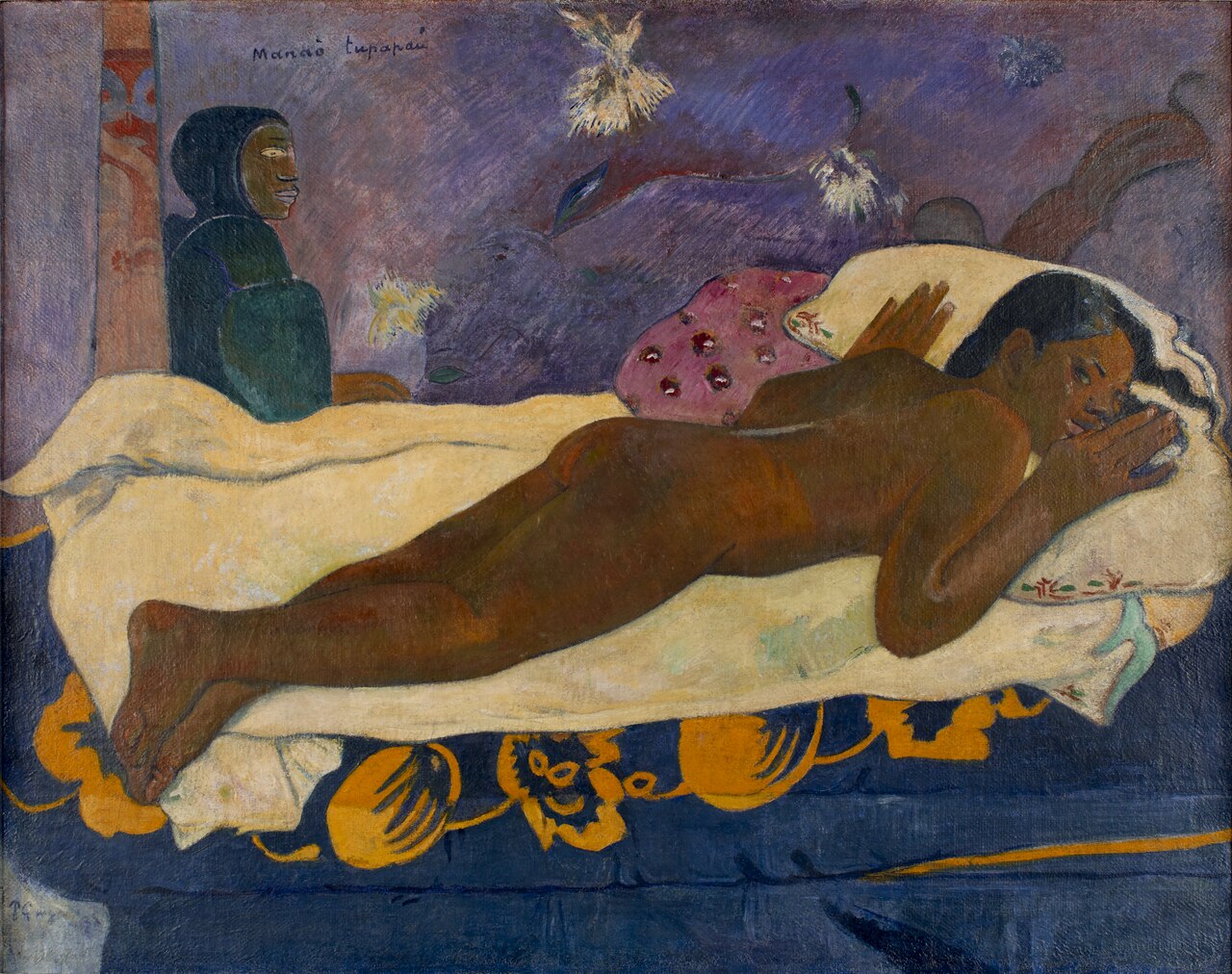 Painting
Primary source
Manaò tupapaú
Paul Gauguin · 1892
Free account
Read every Paul Gauguin source
Sign up free →
Ready when you are
Start chatting with Paul Gauguin now.
20 messages free · No credit card · Available in 50+ languages.