


Primary sourcePainting1889
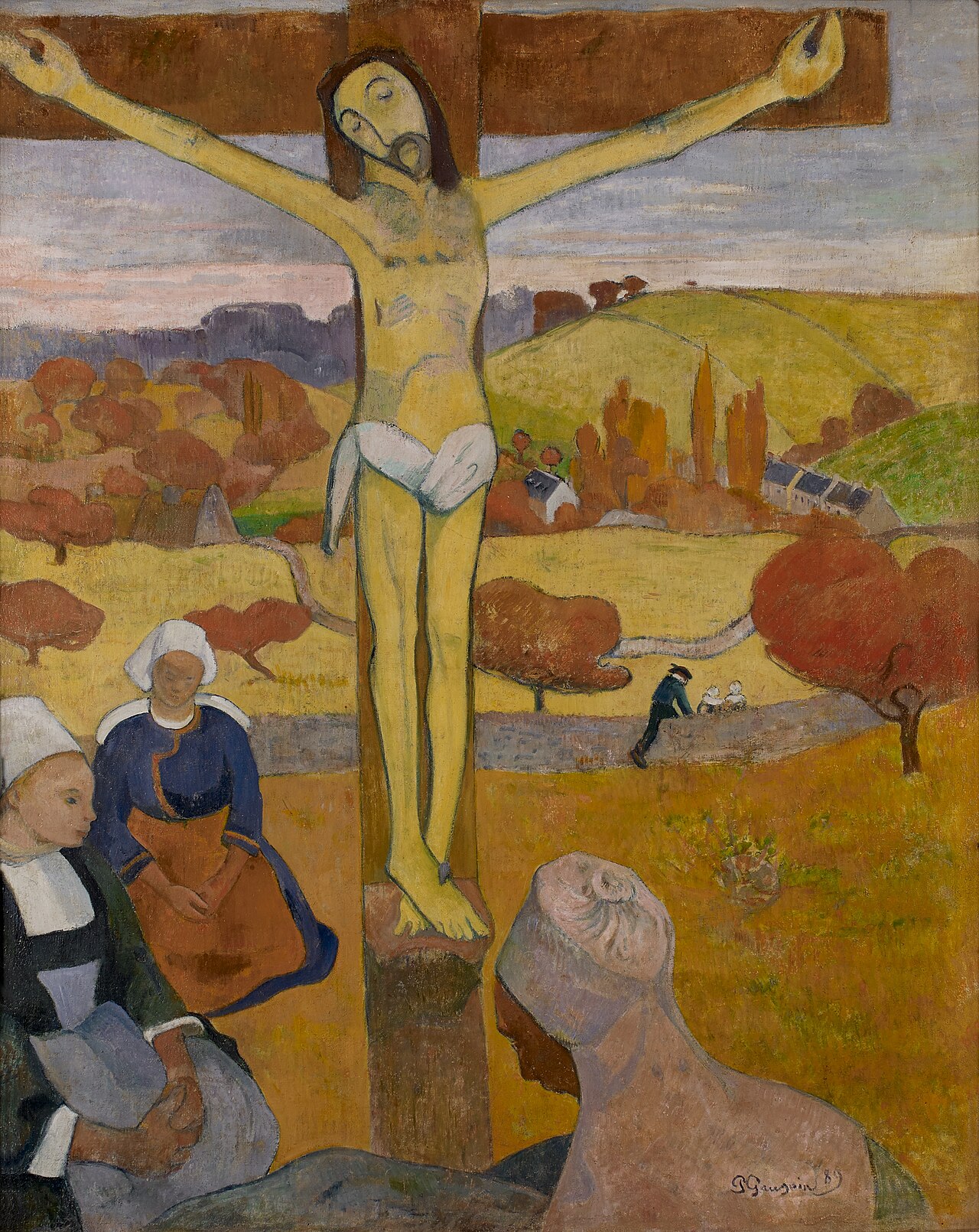
The Yellow Christ
Paul Gauguin · 1889
Gauguin's 1889 Symbolist painting placing the crucifixion among Breton peasant women, using bold arbitrary colour.
A key Symbolist painting by Gauguin, fusing Breton folk religion with his cloisonnist style.
About this source
What it is
This painting was made by Paul Gauguin in 1889 in Pont-Aven, Brittany. It is now held by the Buffalo AKG Art Museum.
It shows Jesus Christ's crucifixion set in a 19th-century Breton landscape, with local women gathered in prayer nearby.
Why it matters
Along with The Green Christ, this painting is considered one of the key works of Symbolist art. Gauguin uses an unrealistic yellow for Christ's skin and bold outlines in a technique called cloisonnism, prioritising symbolic meaning and emotional impact over realistic depiction.
The work shows how Gauguin fused Catholic folk piety he observed in Brittany with his own developing symbolic use of colour and line.
Look closer
- Why might Gauguin have chosen yellow for Christ's skin, rather than a natural colour?
- What does placing a biblical scene in a contemporary Breton setting suggest about Gauguin's intentions?
- How are the Breton women shown differently from the figure of Christ?
This painting is part of the curated material that grounds the AI version of Paul Gauguin on Humy.ai — when students ask about related events, the AI can quote it and cite it.
More Paul Gauguin sources
Browse all 97 →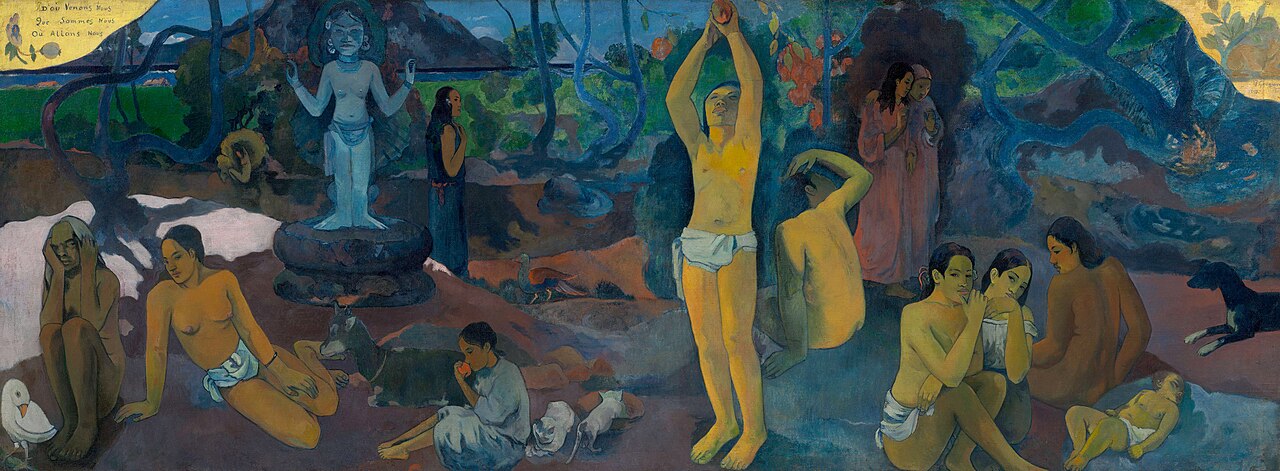 Painting
Primary source
Where Do We Come From? What Are We? Where Are We Going?
Paul Gauguin · 1897-98
 Painting
Primary source
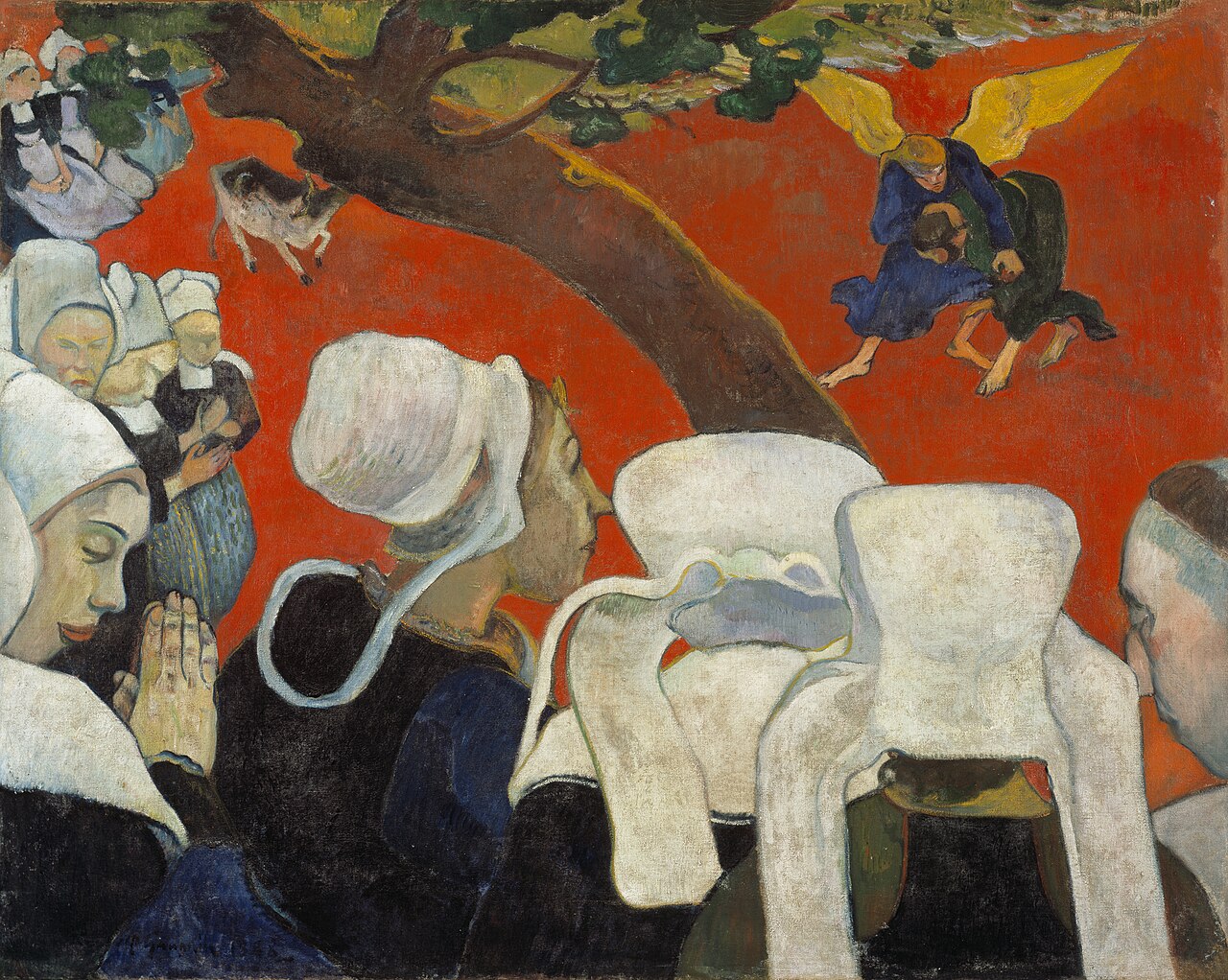
Vision After the Sermon
Paul Gauguin · 1888
 Painting
Primary source
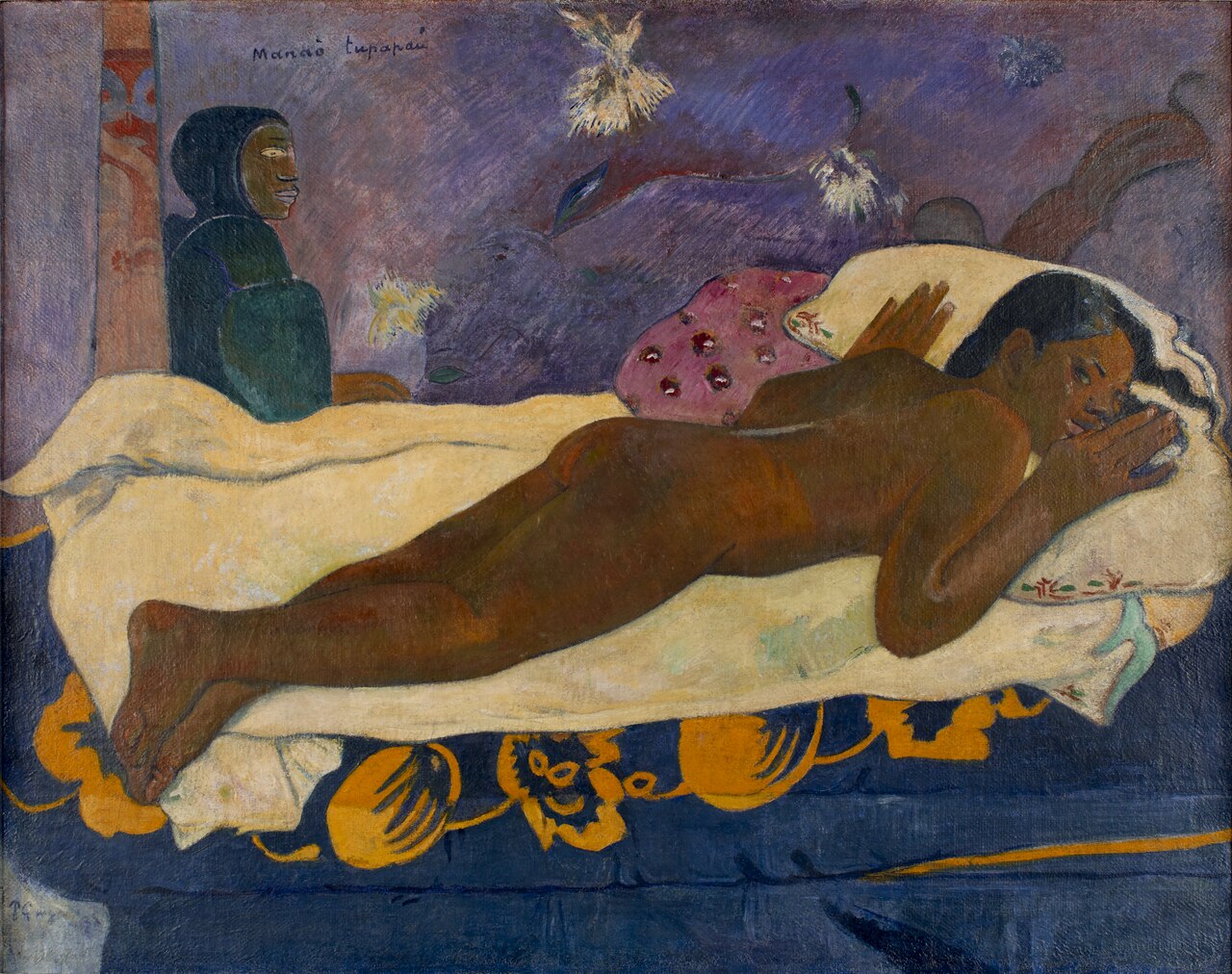
Manaò tupapaú
Paul Gauguin · 1892
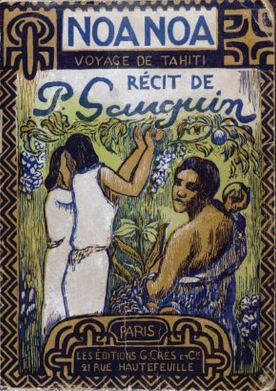 Book
Primary source
Noa Noa
Paul Gauguin · 1891
Free account
Read every Paul Gauguin source
Sign up free →
Ready when you are
Start chatting with Paul Gauguin now.
20 messages free · No credit card · Available in 50+ languages.