


Primary sourceDocument1448
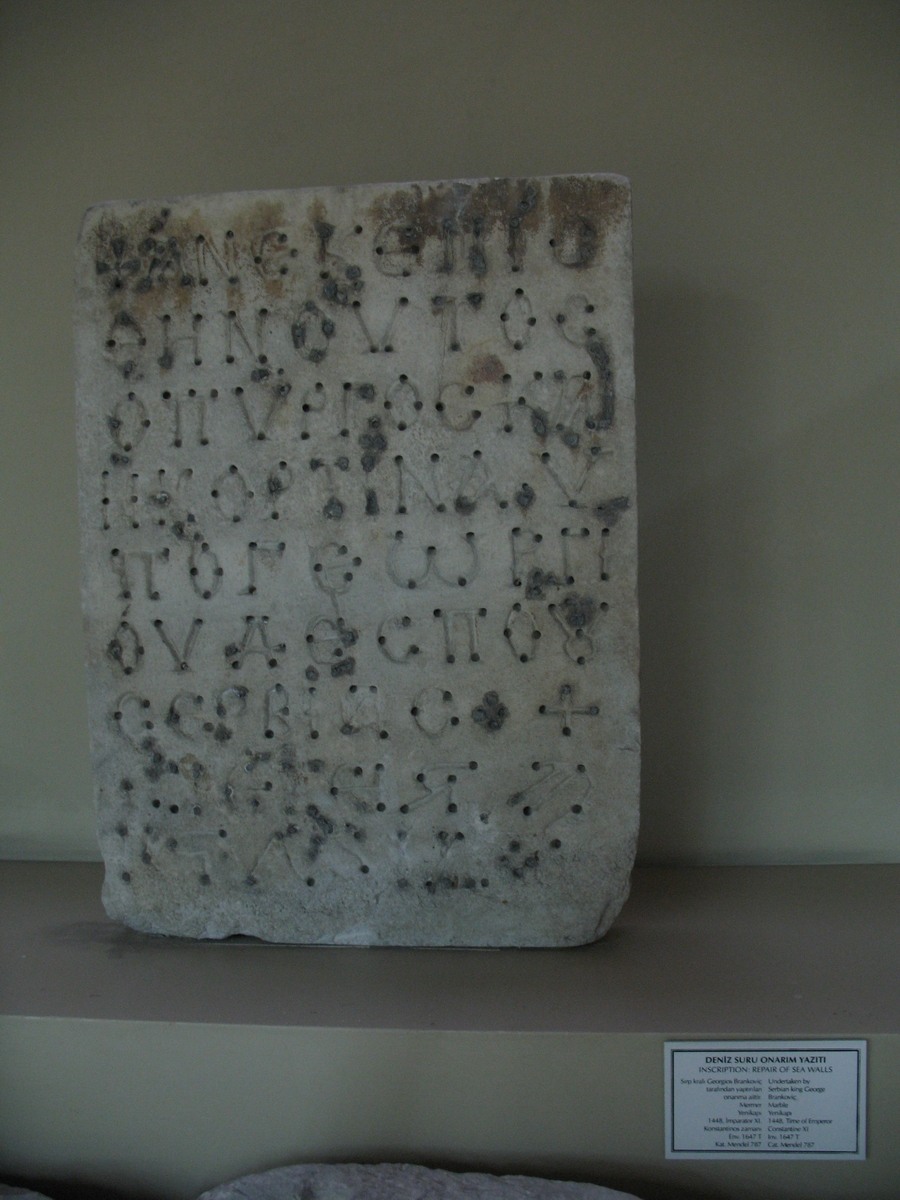
Marble Plaque of Đurađ Branković
Đurađ Branković · 1448
A marble inscription recording Serbian ruler Đurađ Branković's funding of repairs to the walls of Constantinople in 1448, during Constantine's reign.
This inscription records Serbian funding for wall repairs that supported Constantine's defense before the 1453 siege.
About this source
What it is
This marble slab, inscribed in Greek-style lettering, records that Đurađ Branković, the Serbian despot, paid for repairs to the sea walls of Constantinople in 1448. It is now kept in the Istanbul Archaeological Museum.
Why it matters
The inscription shows the network of alliances that supported the Byzantine Empire in its final years. Branković, a Serbian ruler connected to the Byzantine dynasty, helped fund the defenses that Constantine XI would rely on during the 1453 siege, revealing how fragile and dependent Byzantium's survival had become.
Look closer
- Why might a foreign ruler pay for repairs to another empire's walls?
- What does this tell you about alliances in the final years before the fall of Constantinople?
- What is missing from a stone inscription that a letter or chronicle might tell us?
This document is part of the curated material that grounds the AI version of Constantine XI Palaiologos on Humy.ai — when students ask about related events, the AI can quote it and cite it.
More Constantine XI Palaiologos sources
Meet the AI Constantine XI Palaiologos →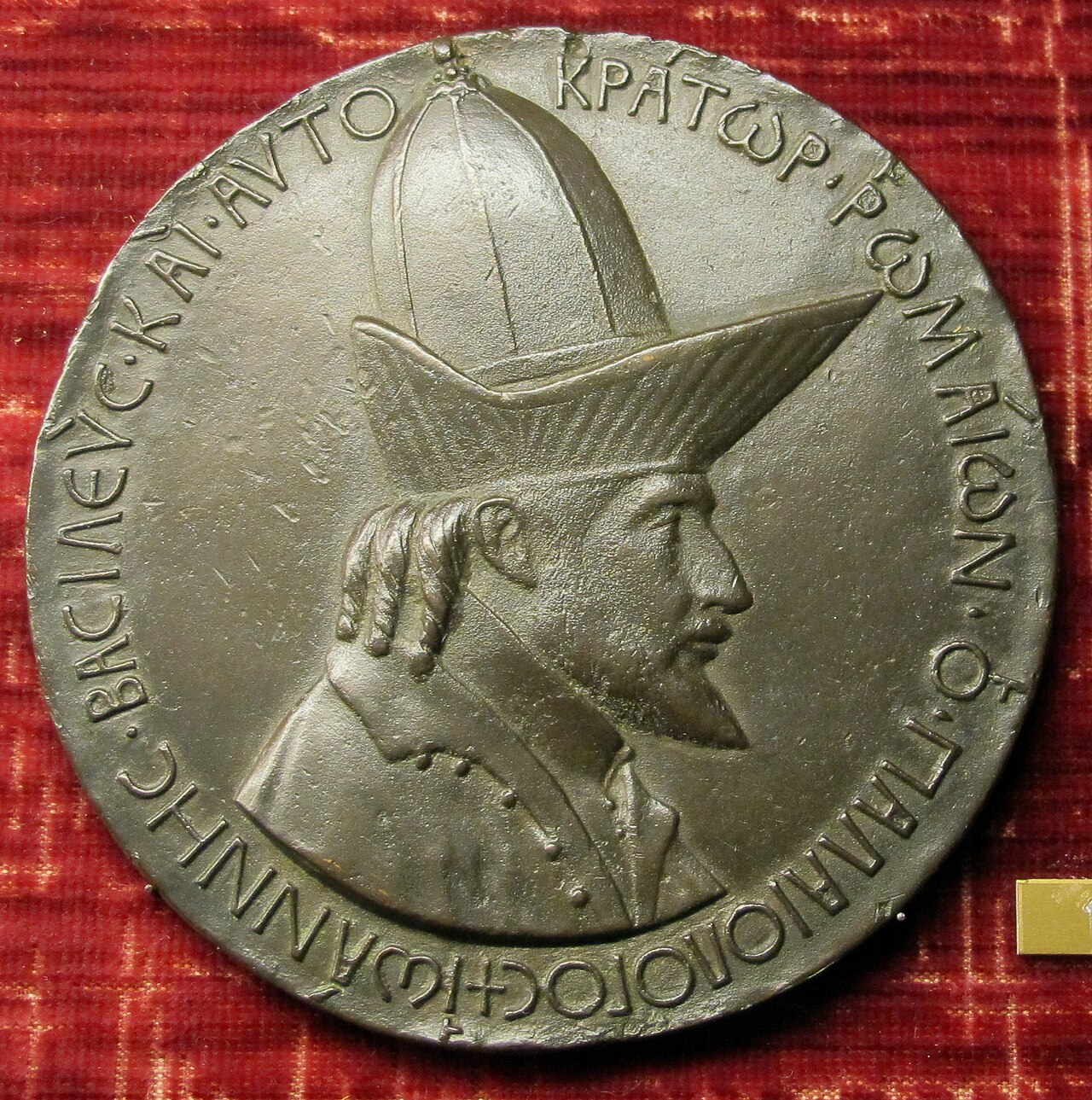 Sculpture
Primary source
Medal of John VIII Palaiologos
Pisanello · 1438-1439
 Painting
Secondary source
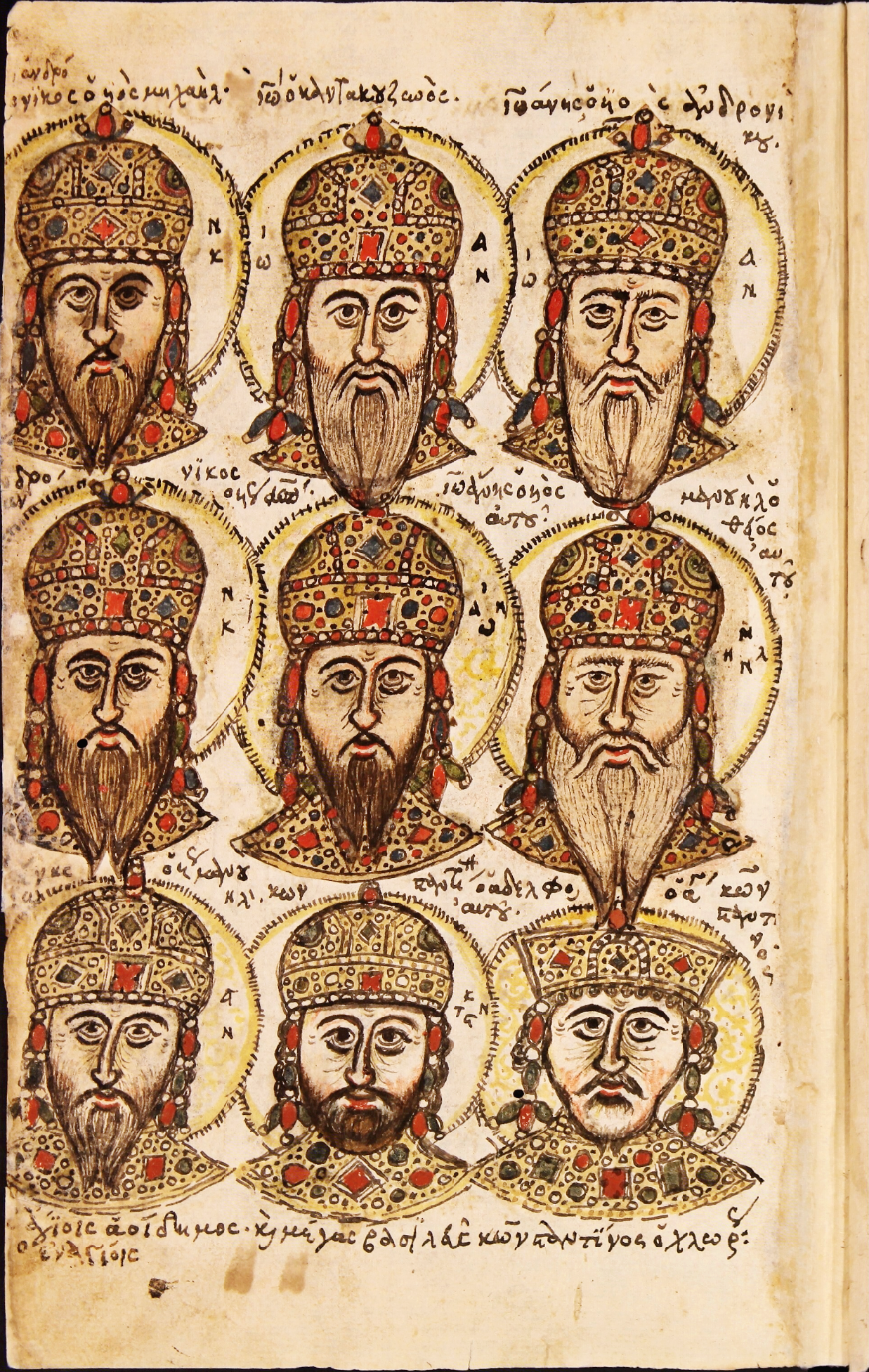
Zonaras Chronicle Portrait Folio
Unknown Byzantine scribes
 Painting
Secondary source
Portrait of Constantine XI Palaiologos in the Mutinensis gr. 122 Codex
Unknown Byzantine artist · 15th century
 Artifact
Primary source
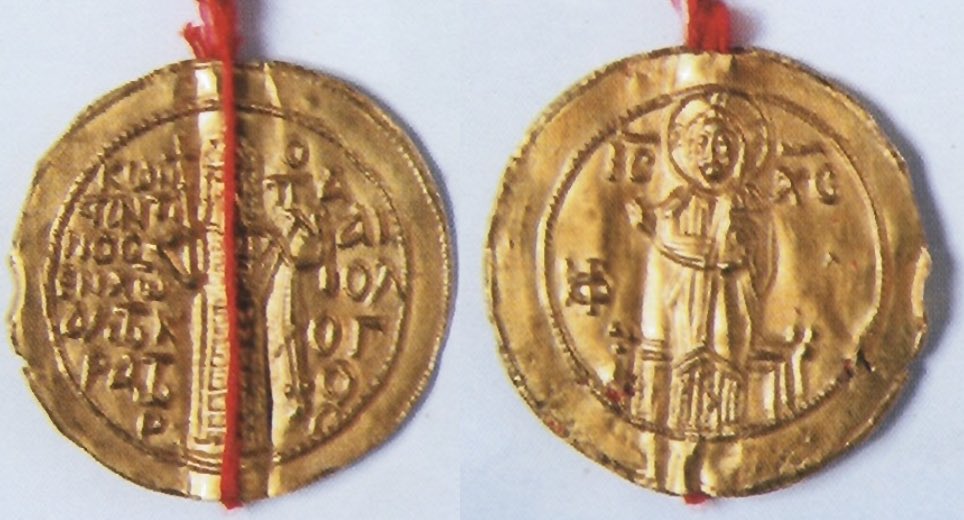
Gold Seal of Constantine XI for Ragusa
1451
 Photograph
Secondary source
Hexamilion Wall Ruins Across the Corinth Isthmus
Nefasdicere
Ready when you are
Start chatting with Constantine XI Palaiologos now.
20 messages free · No credit card · Available in 50+ languages.