


Primary sourceArtifact4th-3rd century BCE
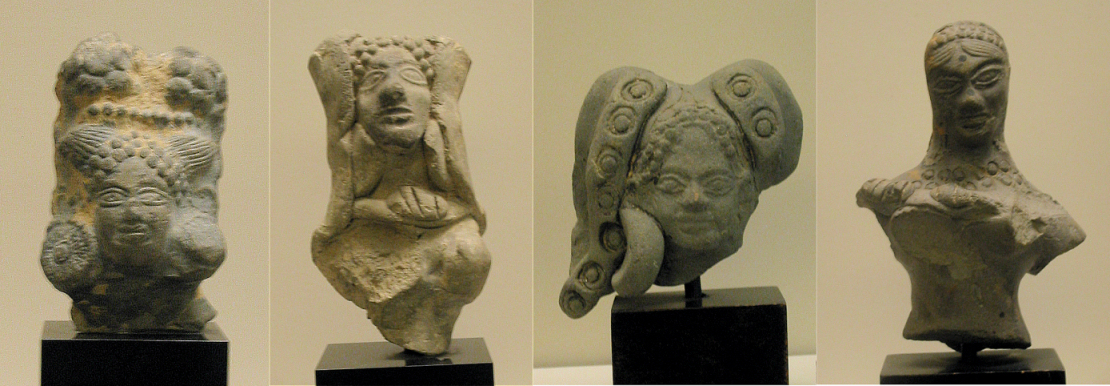
Maurya terracotta statuettes
4th-3rd century BCE
A group of small terracotta figurines from the Maurya period, now in the Musée Guimet, illustrating everyday material culture of the empire Chandragupta founded.
These everyday objects date to the Maurya Empire era that Chandragupta founded, illustrating the culture of his time.
About this source
What it is
These are small terracotta statuettes dated to the 4th–3rd century BCE, the period of the early Maurya Empire. They are held at the Musée Guimet in Paris and were photographed there in 2006.
Why it matters
Figurines like these were everyday objects, not royal monuments, and they give historians a rare glimpse into clothing, hairstyles, jewelry and craft traditions of ordinary people living under the Maurya dynasty that Chandragupta founded. Unlike inscriptions or grand buildings, such small objects show the texture of daily life in the empire's early decades.
Look closer
- What do the headdresses and ornaments suggest about fashion of the time?
- Why might small household objects survive when larger buildings do not?
- What can't these figurines tell us about the people who made or owned them?
This artifact is part of the curated material that grounds the AI version of Chandragupta Maurya on Humy.ai — when students ask about related events, the AI can quote it and cite it.
More Chandragupta Maurya sources
Meet the AI Chandragupta Maurya →Secondary source
Arthashastra
Chanakya (traditional attribution) · c. 1st–3rd century CE (traditionally attributed to Chanakya, c. 300 BCE)
 Document
Secondary source
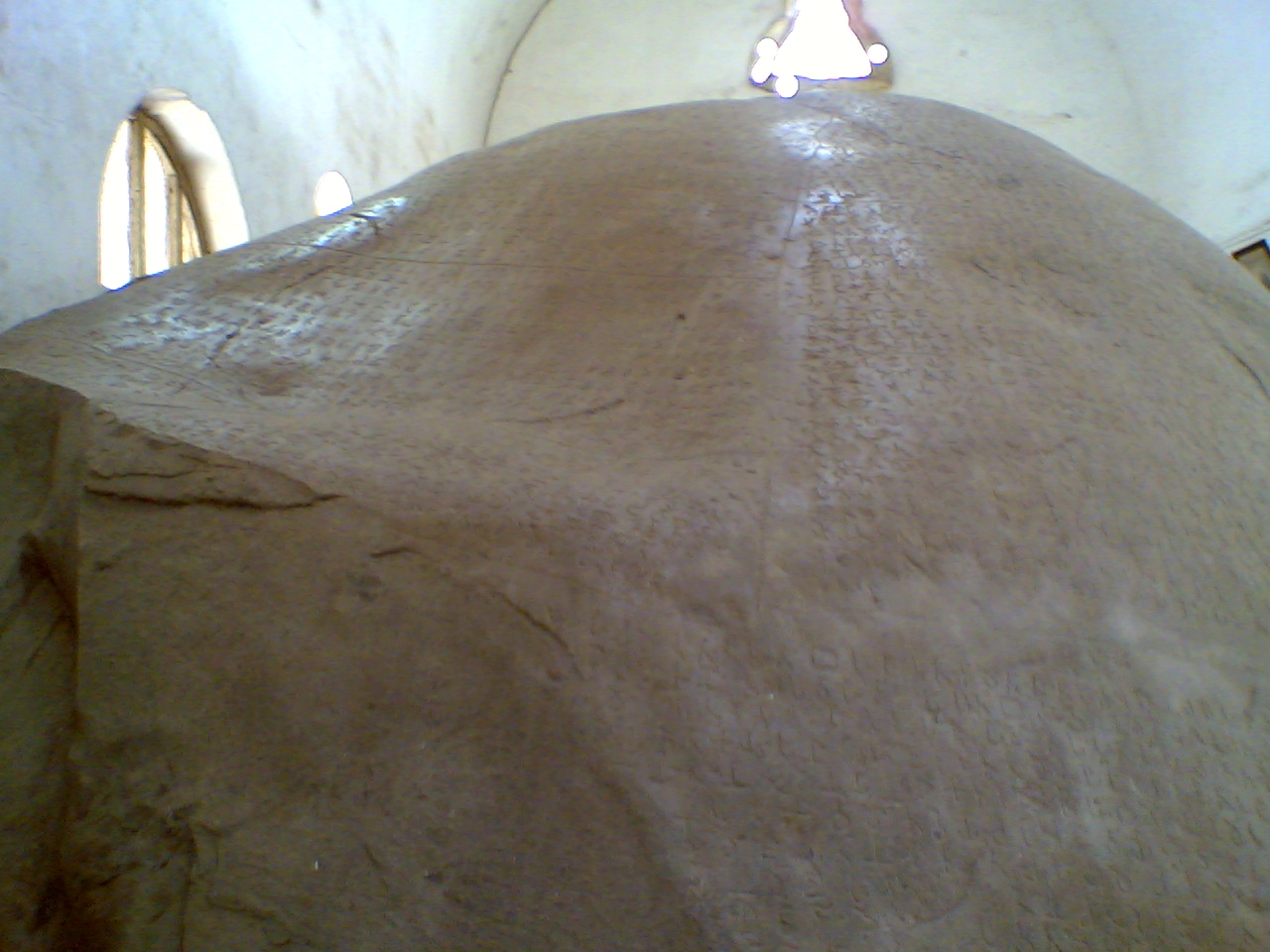
Junagadh Rock Inscription of Rudradaman
Rudradaman I (commissioner) · shortly after 150 CE
 Book
Secondary source
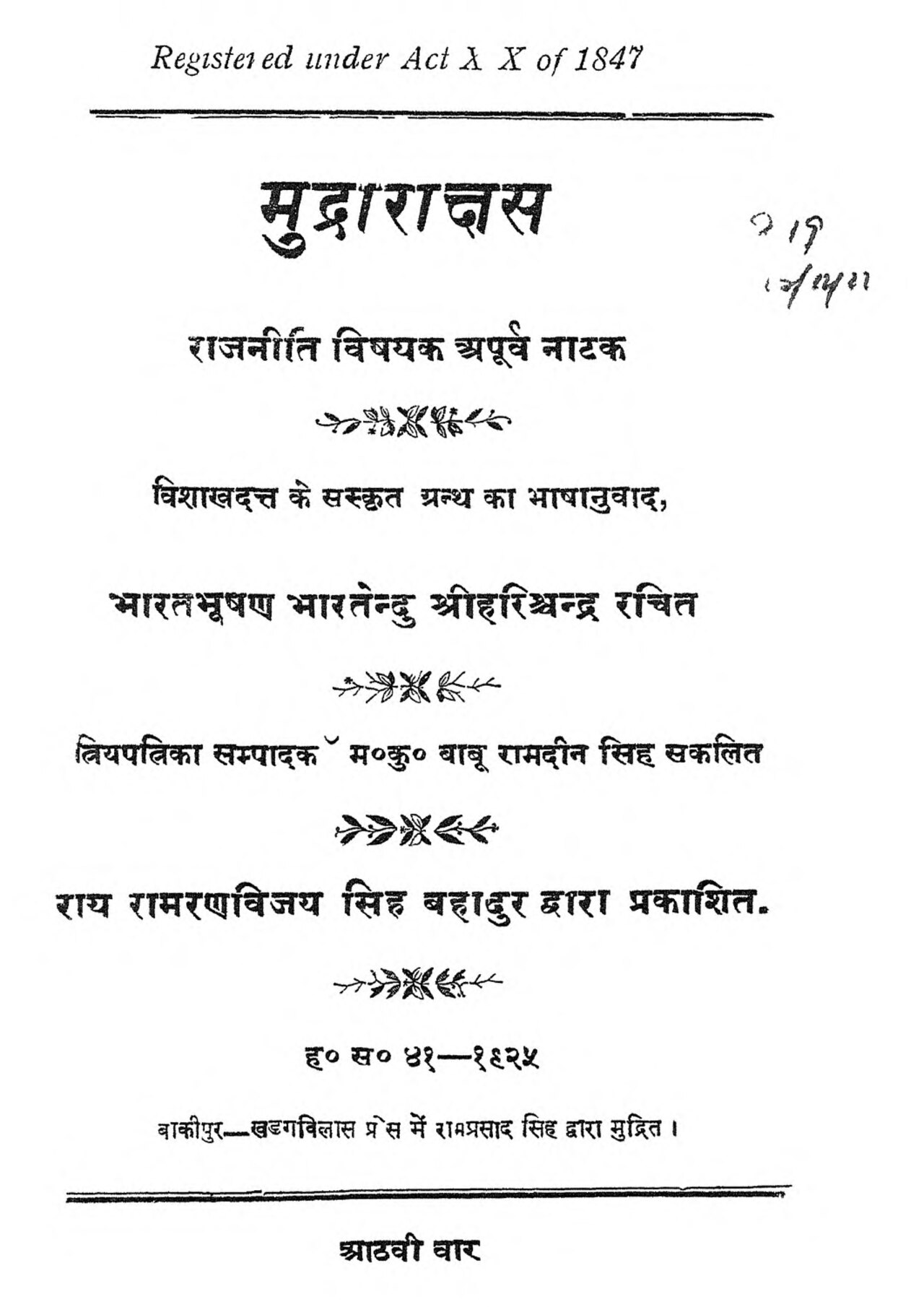
Mudrarakshasa
Vishakhadatta · between the 4th and 8th century CE
 Document
Primary source
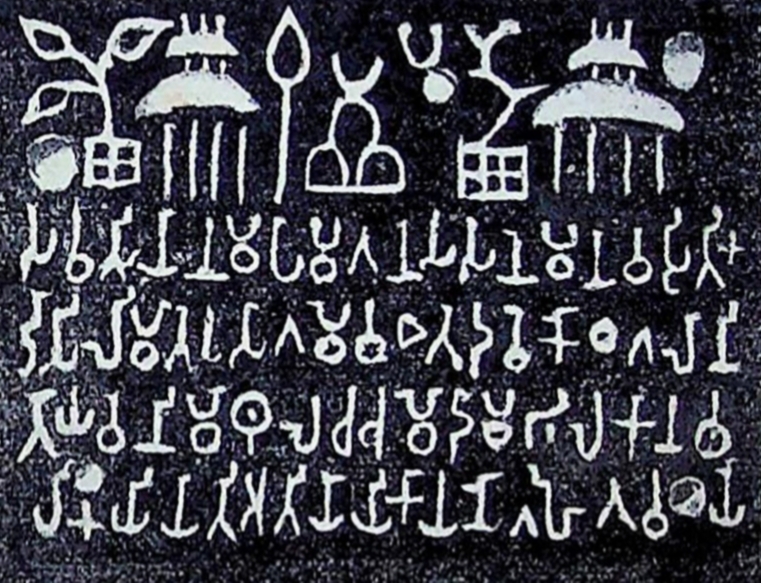
Sohgaura Copper Plate Inscription
3rd century BCE
 Document
Secondary source
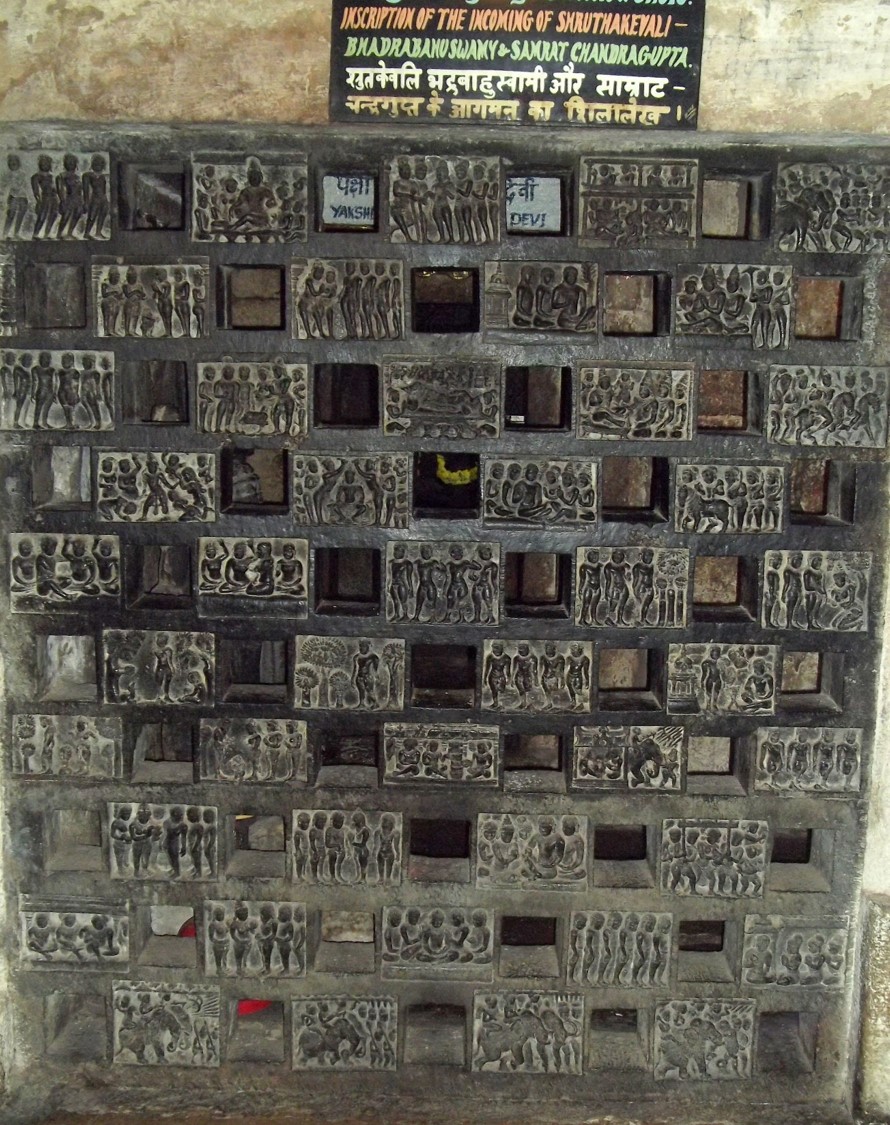
Shravanabelagola Inscription of Bhadrabahu and Chandragupta
Ready when you are
Start chatting with Chandragupta Maurya now.
20 messages free · No credit card · Available in 50+ languages.