


Secondary sourcePhotograph4th-3rd century BCE
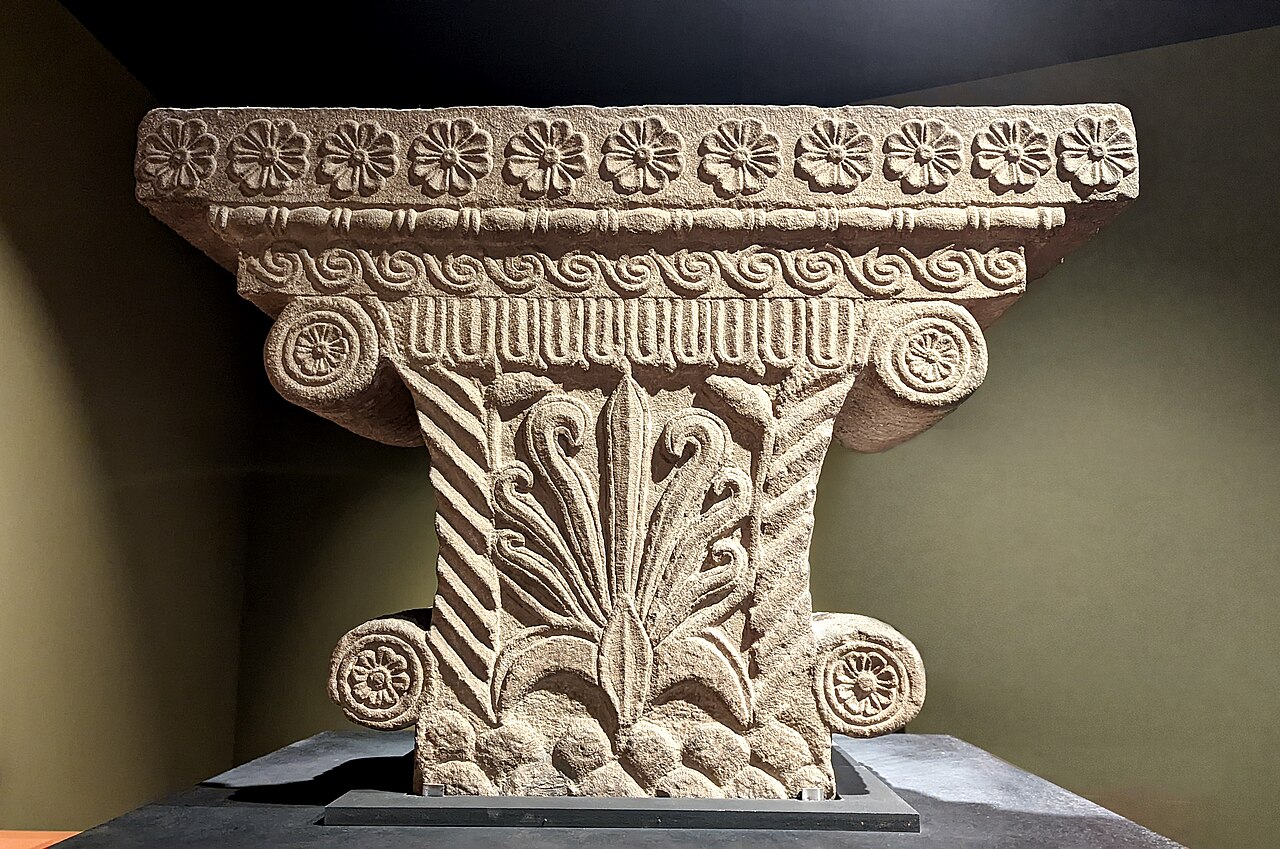
Mauryan Pillar Capital, Bihar Museum
Pritha For Heritage · 4th-3rd century BCE
A carved sandstone pillar capital from the Mauryan period, found in Magadha, the heartland of Chandragupta Maurya's empire.
This Mauryan-era capital from Magadha, Chandragupta's heartland, illustrates the art of the empire he founded.
About this source
What it is
This is a photograph of a carved sandstone pillar capital dating from the 4th-3rd century BCE, the Mauryan period. It is displayed in the Bihar Museum in Patna, India.
Why it matters
This capital comes from Magadha, the region that was the heartland of the Mauryan Empire founded by Chandragupta Maurya. Its carved bands of rosettes, scrolls, and palmettes show the artistic style that developed under Mauryan rule, giving us a sense of the craftsmanship and royal art of the era even though we do not know exactly who commissioned it.
Look closer
- What different decorative patterns can you spot on the capital, and how are they arranged?
- Why might a museum choose to display an object like this on its own, lit in a dark gallery?
- What does this object tell us about the resources and skills available in the Mauryan Empire?
This photograph is part of the curated material that grounds the AI version of Chandragupta Maurya on Humy.ai — when students ask about related events, the AI can quote it and cite it.
More Chandragupta Maurya sources
Meet the AI Chandragupta Maurya →Secondary source
Arthashastra
Chanakya (traditional attribution) · c. 1st–3rd century CE (traditionally attributed to Chanakya, c. 300 BCE)
 Document
Secondary source
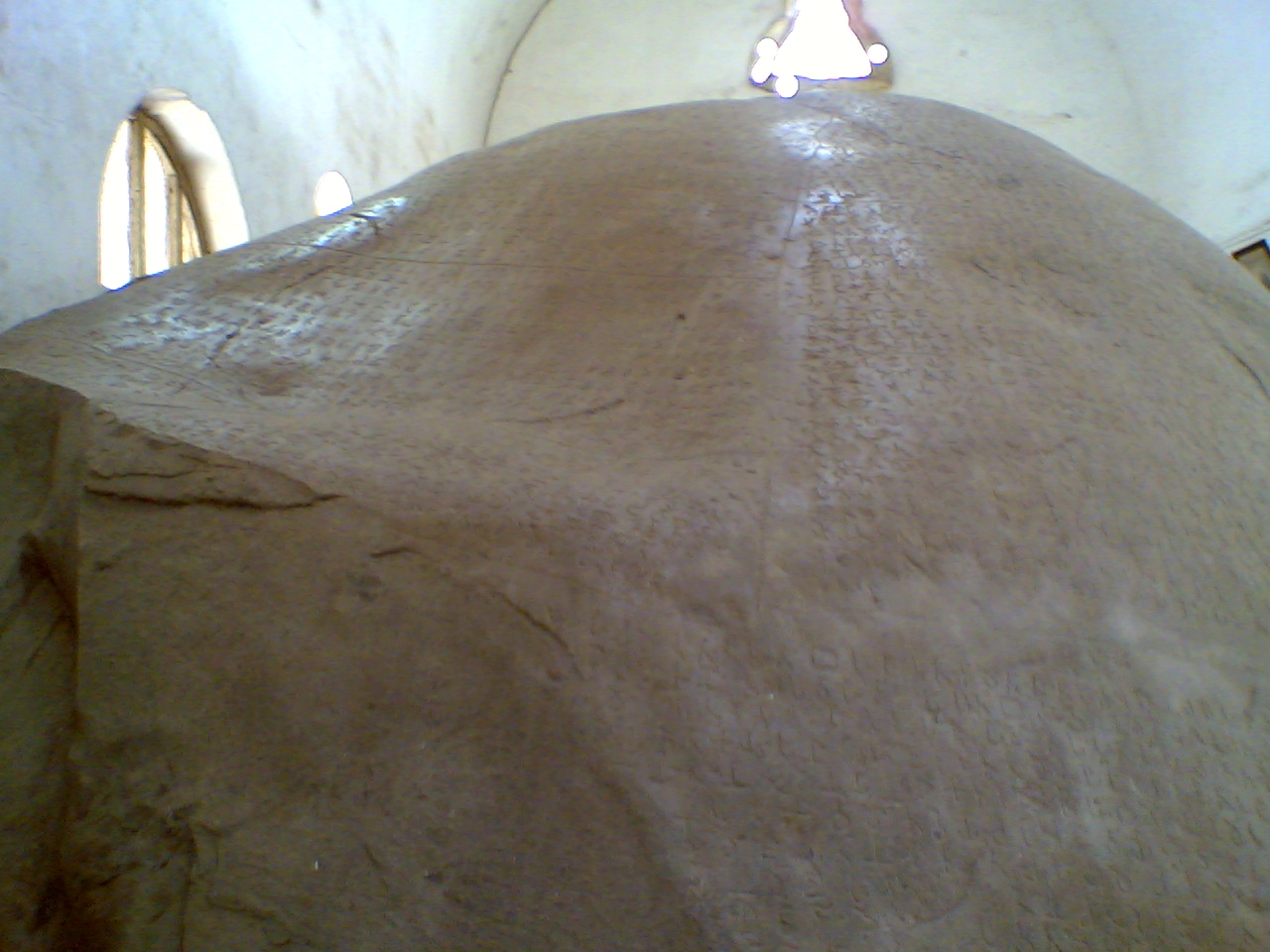
Junagadh Rock Inscription of Rudradaman
Rudradaman I (commissioner) · shortly after 150 CE
 Book
Secondary source
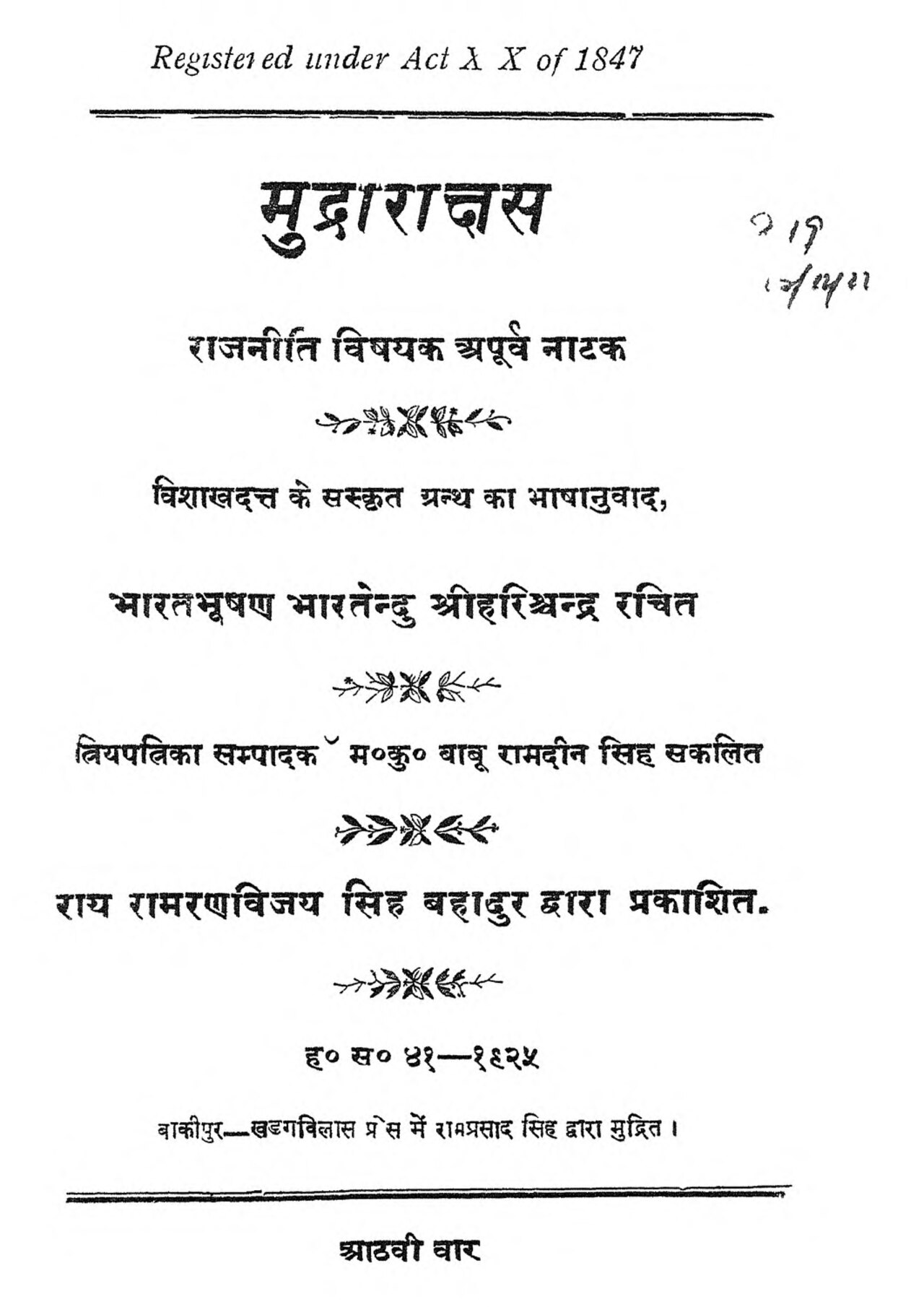
Mudrarakshasa
Vishakhadatta · between the 4th and 8th century CE
 Document
Primary source
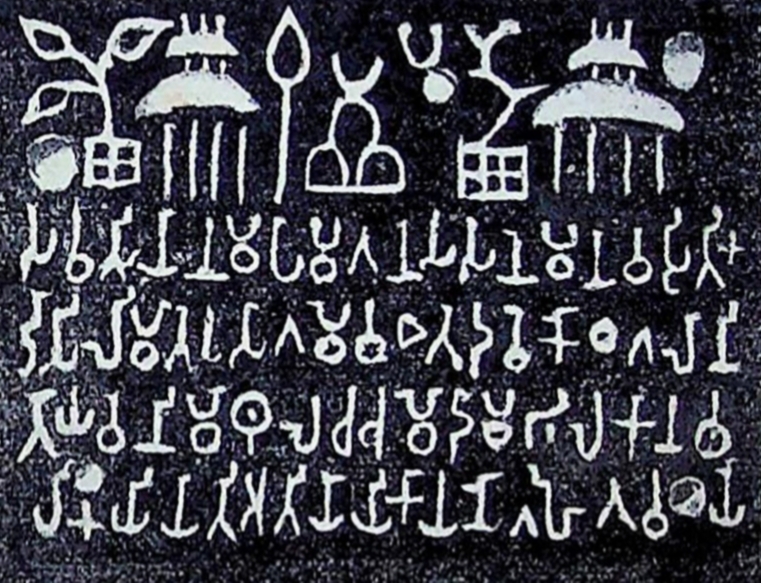
Sohgaura Copper Plate Inscription
3rd century BCE
 Document
Secondary source
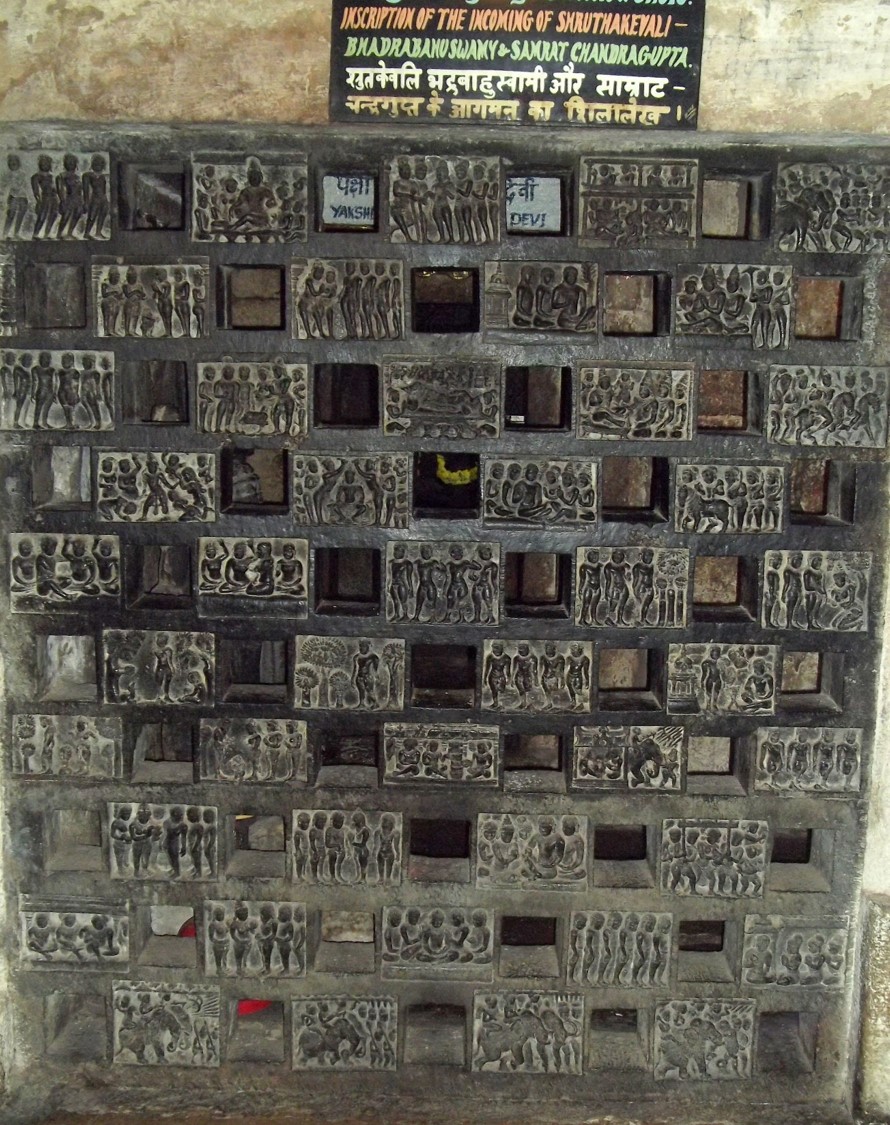
Shravanabelagola Inscription of Bhadrabahu and Chandragupta
Ready when you are
Start chatting with Chandragupta Maurya now.
20 messages free · No credit card · Available in 50+ languages.