


Secondary sourceArtifactlate 19th–early 20th century
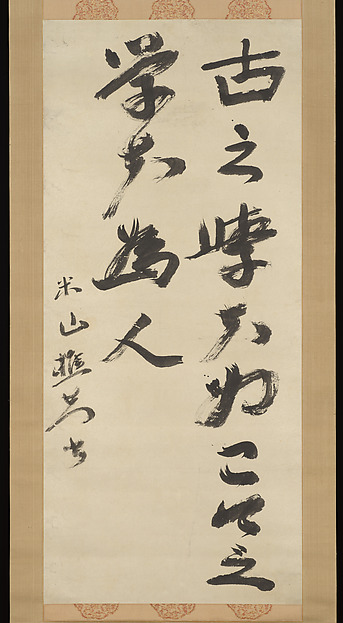
Meiji Calligraphy Quoting the Analects on Scholarship
Miwada Beizan · late 19th–early 20th century
A Japanese hanging scroll by Miwada Beizan brush-writing a saying from Confucius's Analects about studying for oneself.
This later artwork quotes a saying from Confucius, showing how his teachings spread into Japanese culture and calligraphy.
About this source
What it is
This is a hanging scroll made in Japan during the Meiji period, created by the calligrapher Miwada Beizan. It is ink on paper, with large brush-written Chinese characters quoting a line from the Analects, a collection of sayings attributed to Confucius. It is now held by The Metropolitan Museum of Art.
Why it matters
The scroll shows how Confucius's teachings traveled far beyond China, influencing scholars and artists in Japan many centuries later. It reveals how calligraphers like Miwada Beizan used Confucian sayings about true learning to express values still respected in their own culture.
Look closer
- What does the quoted saying suggest about the purpose of studying?
- Why might a Japanese artist centuries later choose to write out a Chinese philosopher's words?
- What does the choice of calligraphy as an art form tell you about how this saying was valued?
This artifact is part of the curated material that grounds the AI version of Confucius on Humy.ai — when students ask about related events, the AI can quote it and cite it.
More Confucius sources
Meet the AI Confucius →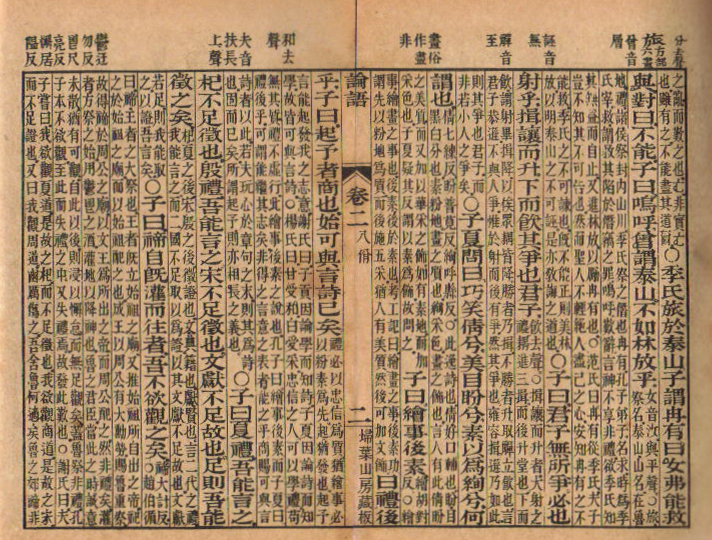 Book
Secondary source
Analects
c. 480 BCE – 2nd century BCE
 Book
Secondary source
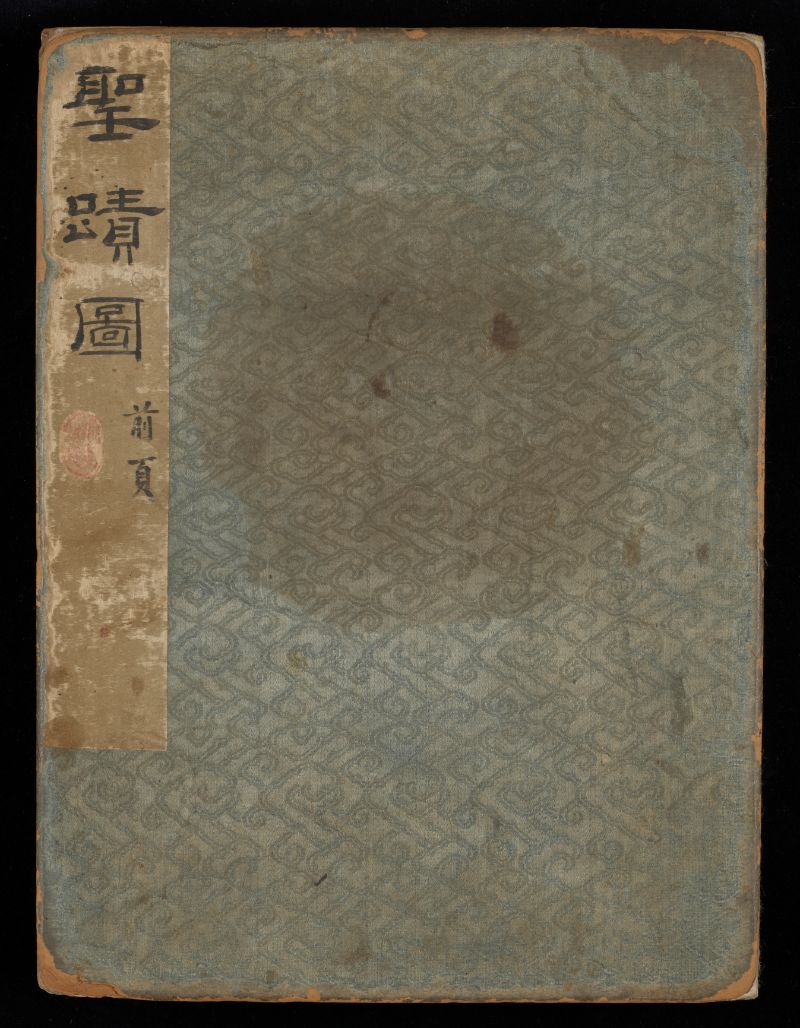
Pictures of the Sage's Traces
Unknown · 1758
Secondary source
Records of the Grand Historian, Vol. 47: Hereditary House of Confucius
Sima Qian · c. 94 BCE
 Photograph
Primary source
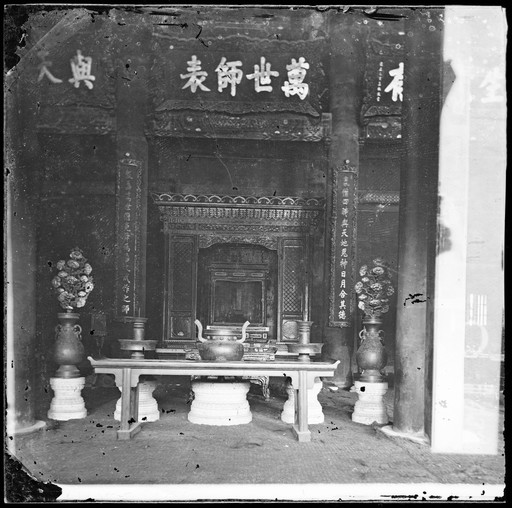
Temple of Confucius, Peking (Interior)
John Thomson · 1871
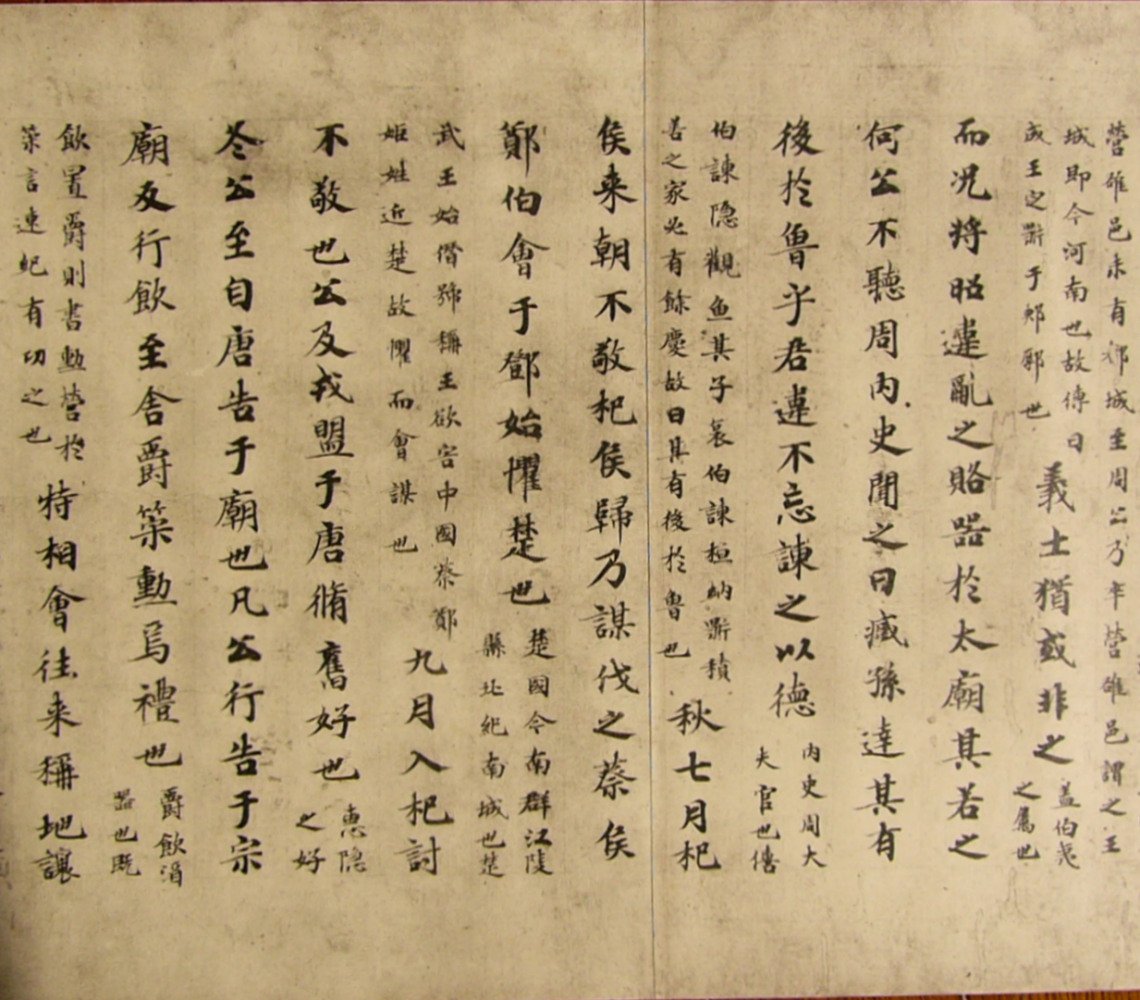 Document
Secondary source
Spring and Autumn Annals
Confucius · 5th century BCE
Ready when you are
Start chatting with Confucius now.
20 messages free · No credit card · Available in 50+ languages.