


Secondary sourcePainting1307
Misha and Mishyana legend
Al-Biruni · 1307
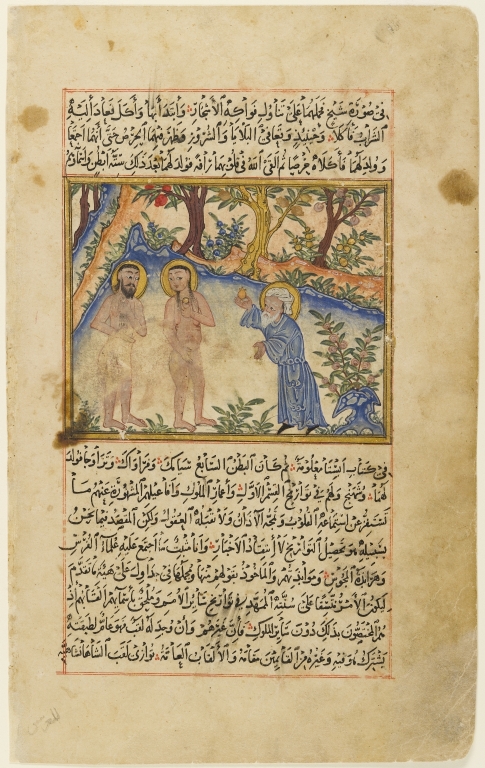
An illustrated page from Al-Biruni's Chronology of Ancient Nations showing a Persian creation story he recorded as part of his comparison of world traditions.
This page from Al-Biruni's chronology shows his recording of a Persian creation legend as part of his comparative study of traditions.
About this source
What it is
This page comes from a 1307 manuscript of the Chronology of Ancient Nations, written by Al-Biruni. It contains a painted miniature illustrating the Persian story of Misha and Mishyana, who are expelled from paradise after being persuaded to eat forbidden fruit. The manuscript is held by the University of Edinburgh.
Why it matters
Al-Biruni's book gathered calendars, festivals and stories from many cultures of the late antique and medieval world. This story closely resembles the Christian tradition of Adam and Eve, showing how Al-Biruni noticed similarities between different peoples' traditions.
Look closer
- Why might Al-Biruni have included a story so similar to a tradition from another religion?
- What does the painting choose to show, and what does it leave out of the story?
- This image was painted long after Al-Biruni wrote the text — who might have decided how the figures were shown?
This painting is part of the curated material that grounds the AI version of Al-Biruni on Humy.ai — when students ask about related events, the AI can quote it and cite it.
More Al-Biruni sources
Meet the AI Al-Biruni →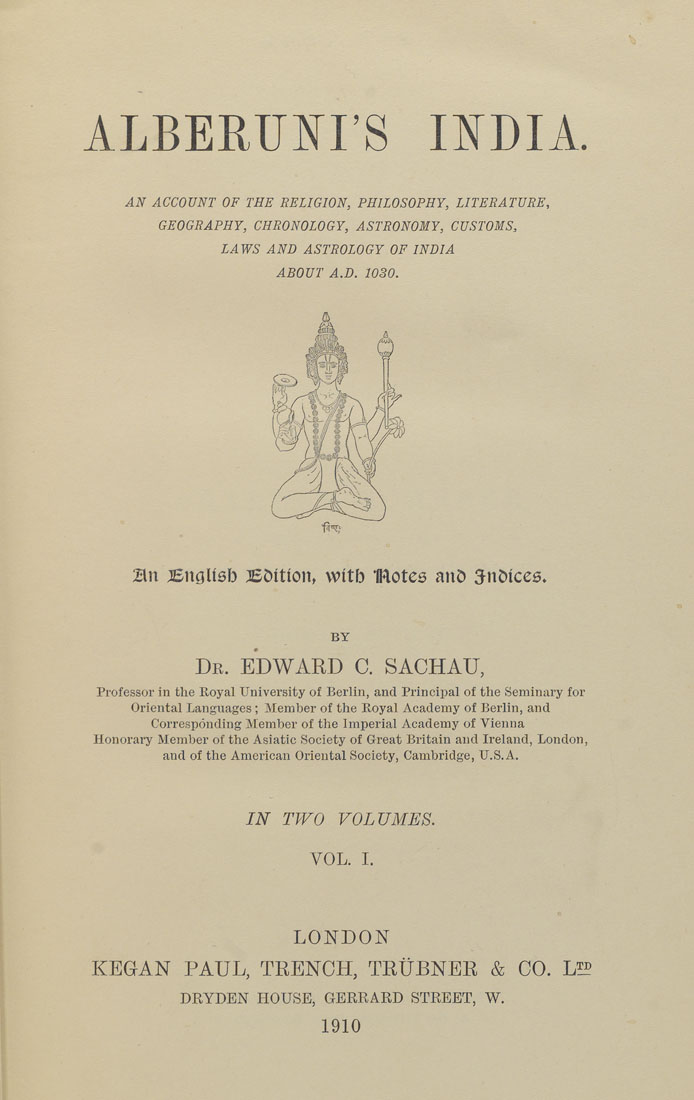 Book
Primary source
Al-Biruni's India
Al-Biruni · c. 1030
 Book
Primary source
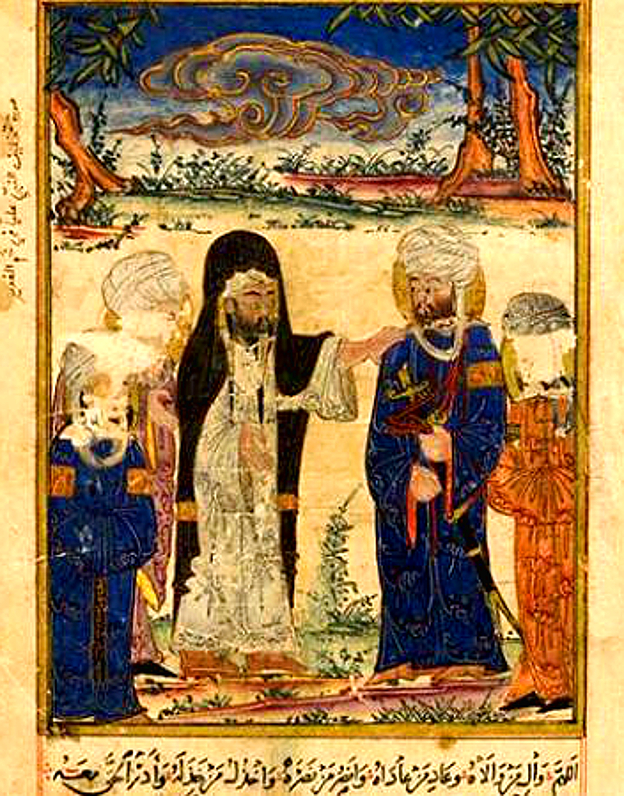
The Remaining Signs of Past Centuries
Al-Biruni · c. 1000, illustrated copy 1307-1308
 Artifact
Primary source
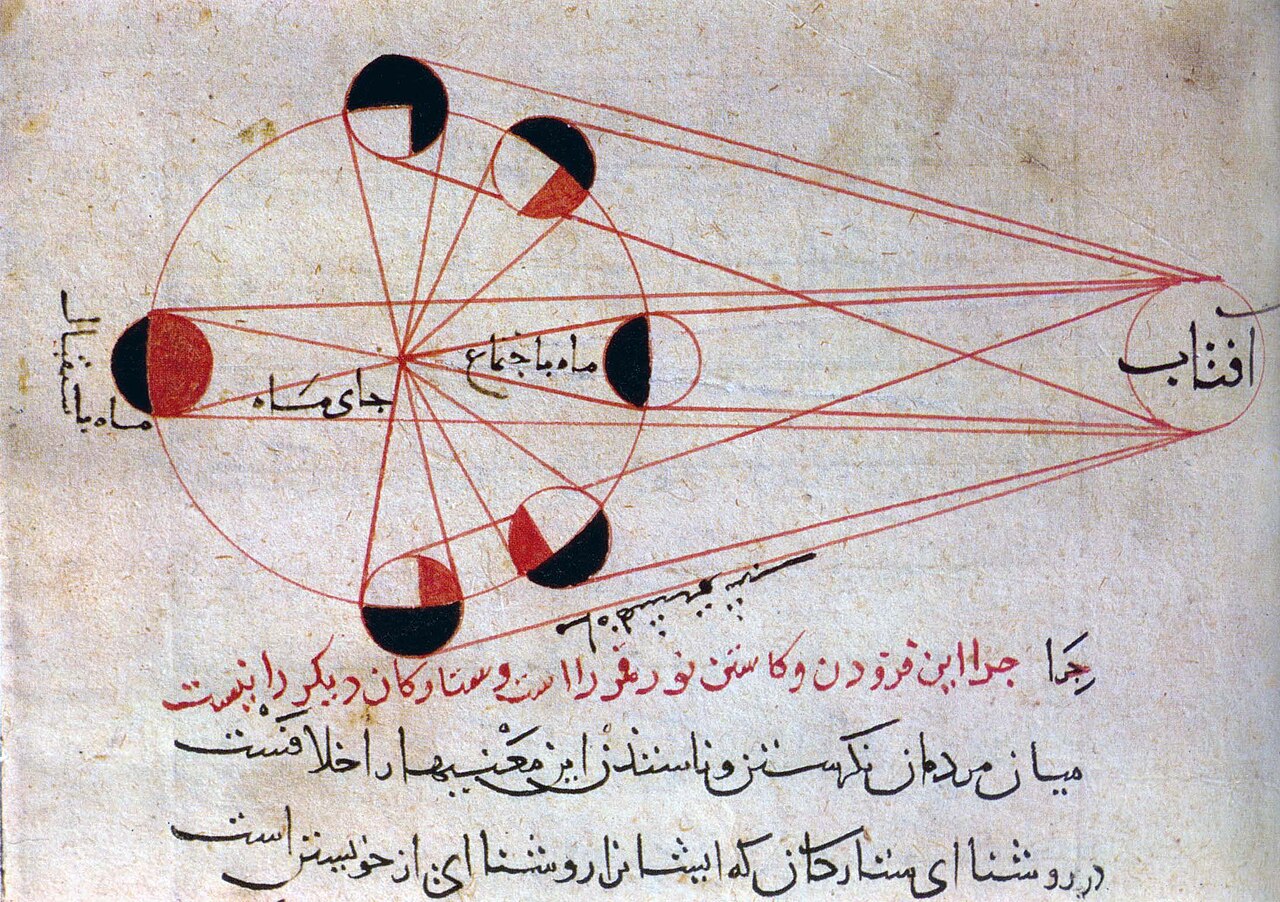
Diagram of the Phases of the Moon
Al-Biruni
 Artifact
Primary source
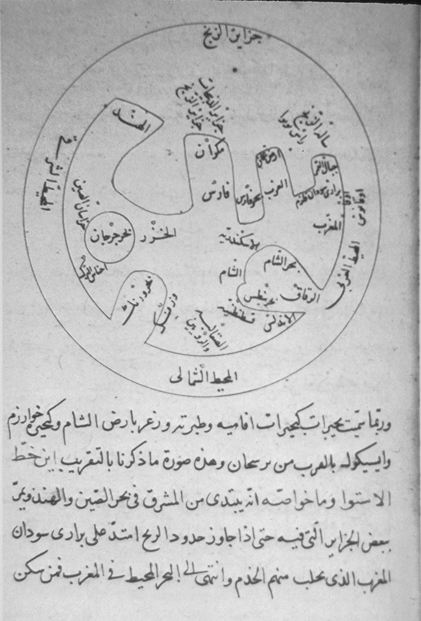
Al-Biruni's World Map of the Distribution of Land and Sea
Al-Biruni · 1029
 Book
Primary source
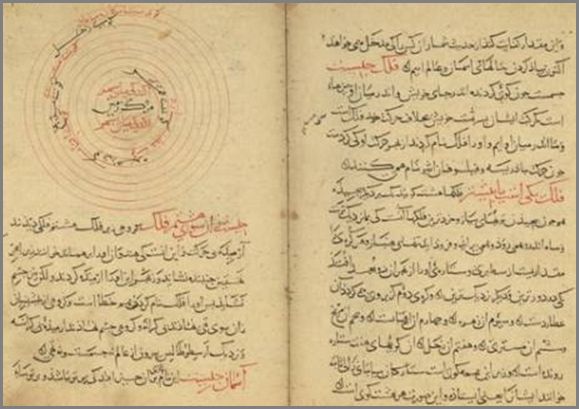
Page from the Oldest Manuscript of the Tafhim
Al-Biruni
Ready when you are
Start chatting with Al-Biruni now.
20 messages free · No credit card · Available in 50+ languages.