


Tertiary sourceArtifact1993 (CT data)
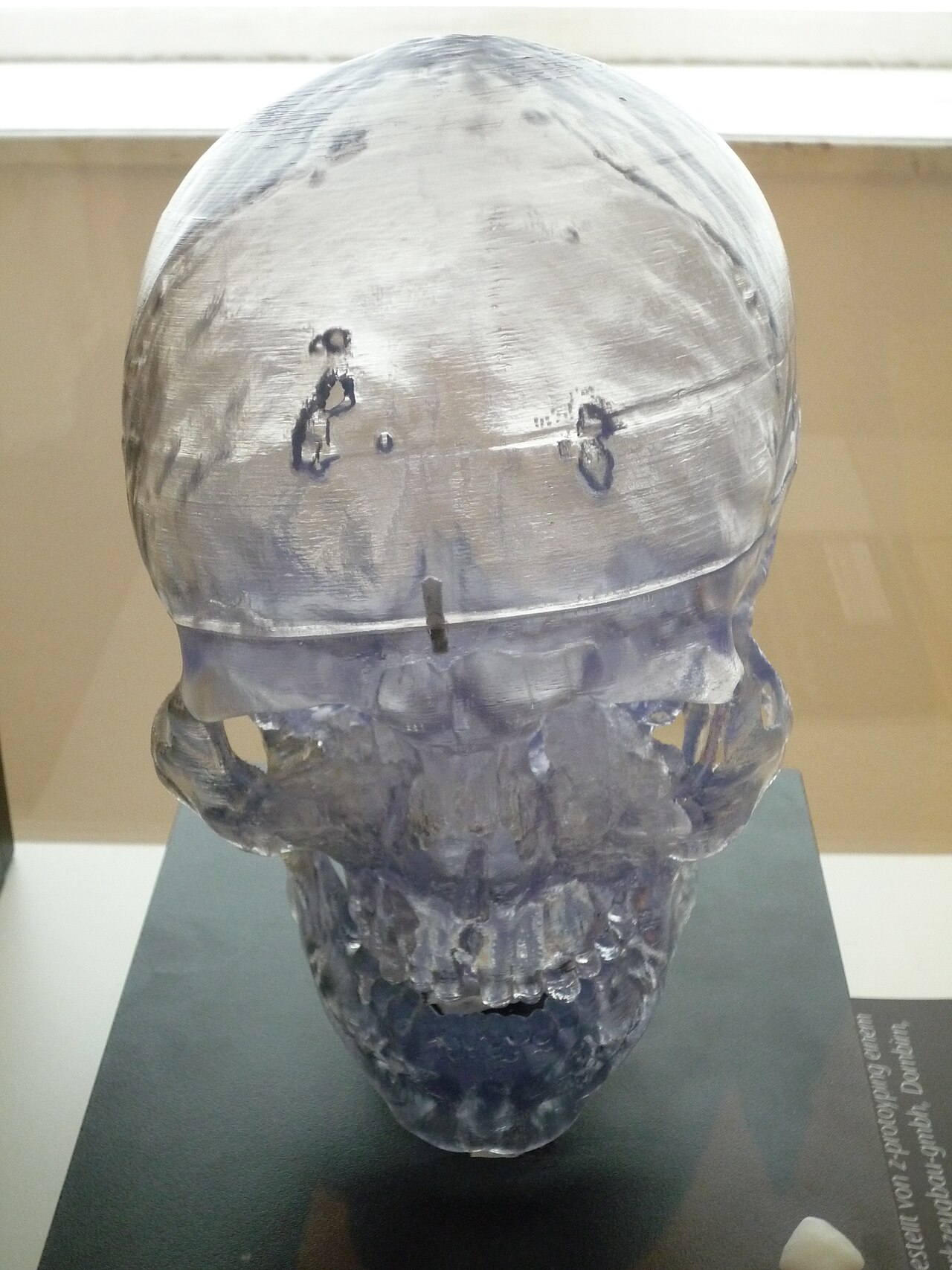
Model of Ötzi's Skull
1993 (CT data)
A transparent resin model of Ötzi's skull, built from CT scan data taken in 1993, shown in a museum display.
A 3D model built from CT scans of Ötzi's actual skull, used to study his physical remains.
About this source
What it is
A stereolithographic (3D-printed resin) model of the skull of the Tyrolean Iceman, Ötzi, created from CT scan data recorded in 1993. The model is displayed in a museum case.
Why it matters
This is not Ötzi's actual skull but a model built using medical imaging technology. It shows how modern scientists use non-invasive scanning to study ancient human remains without damaging them, helping researchers learn about his age, health and injuries.
Look closer
- Why might scientists prefer to study a model instead of the real skull?
- What does the use of CT scanning tell you about how science and history work together?
- What might this model NOT be able to show us about Ötzi?
This artifact is part of the curated material that grounds the AI version of Ötzi on Humy.ai — when students ask about related events, the AI can quote it and cite it.
More Ötzi sources
Meet the AI Ötzi →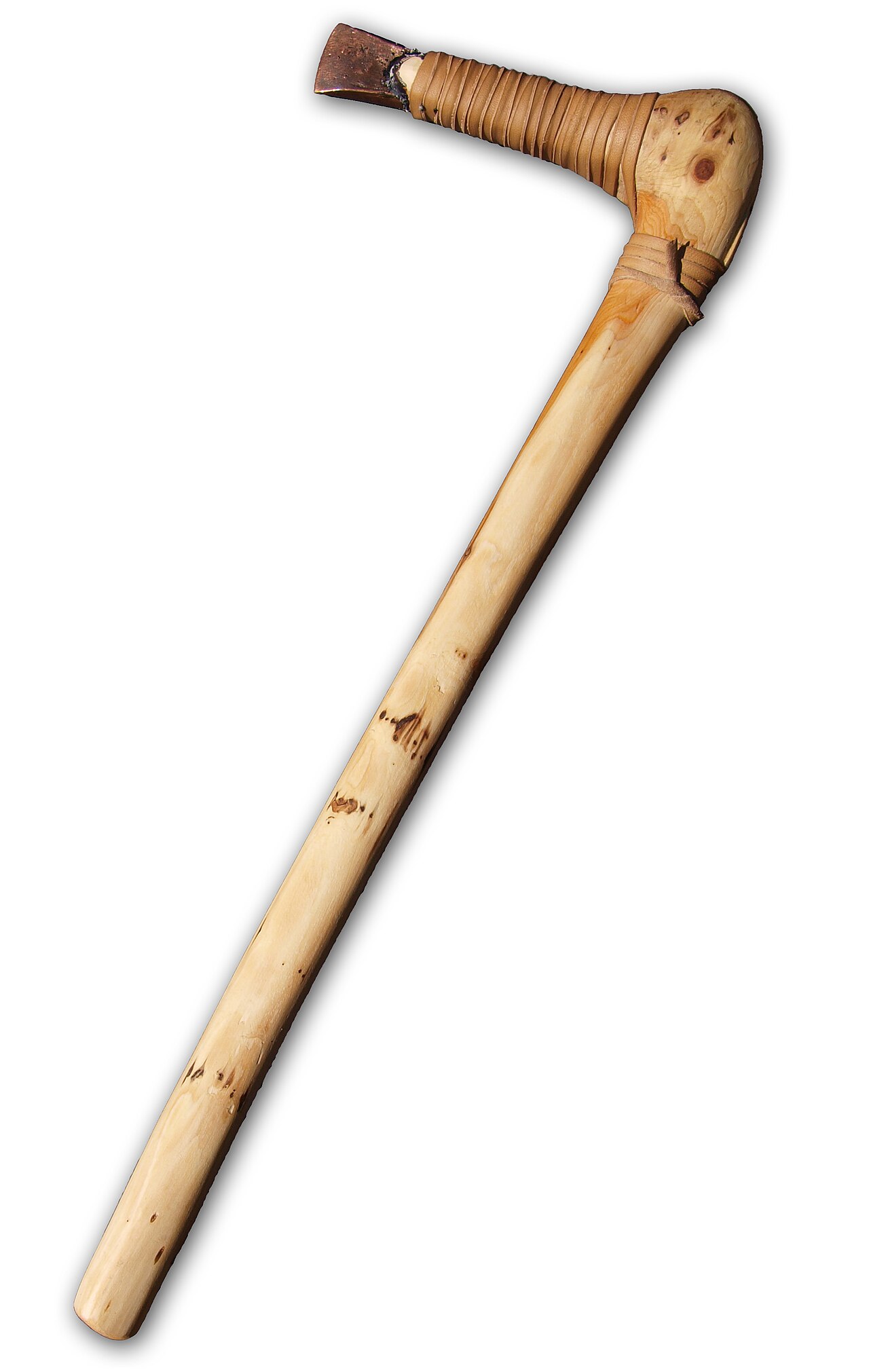 Artifact
Primary source
Ötzi's Copper Axe
c. 3300 BCE
Primary source
Treaty of Saint-Germain-en-Laye
10 September 1919
 Artifact
Primary source
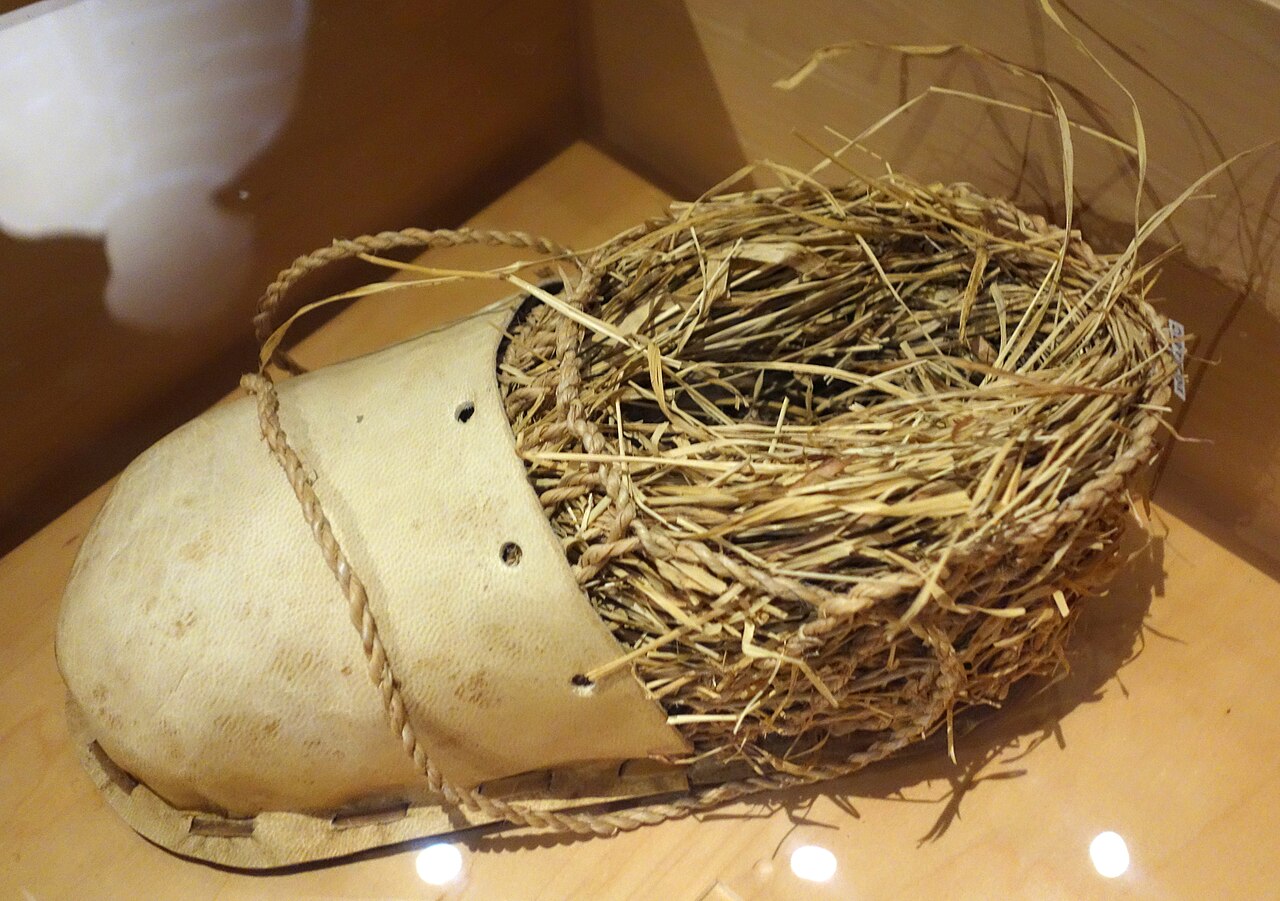
Ötzi's Shoes
c. 3300 BCE
 Photograph
Tertiary source
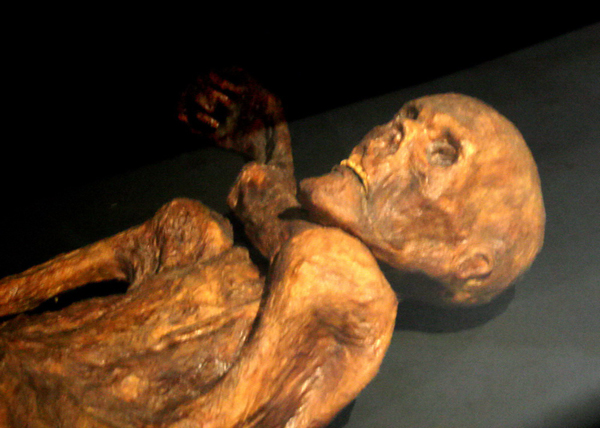
Portrait of Ötzi
 Document
Secondary source
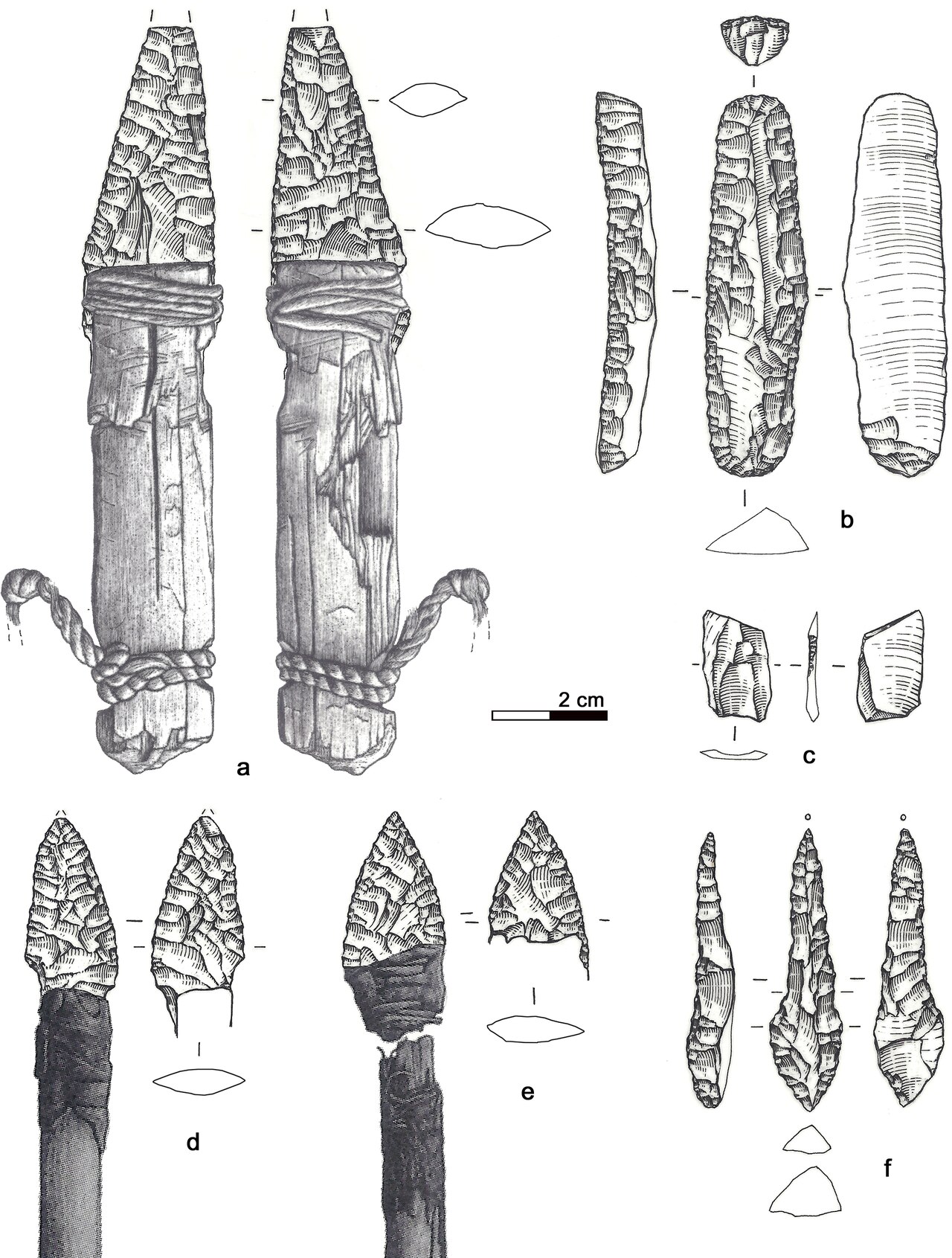
The Iceman Lithic Assemblage
Ursula Wierer, Simona Arrighi, Stefano Bertola, Günther Kaufmann, Benno Baumgart
Ready when you are
Start chatting with Ötzi now.
20 messages free · No credit card · Available in 50+ languages.