


Primary sourceArtifact11th century
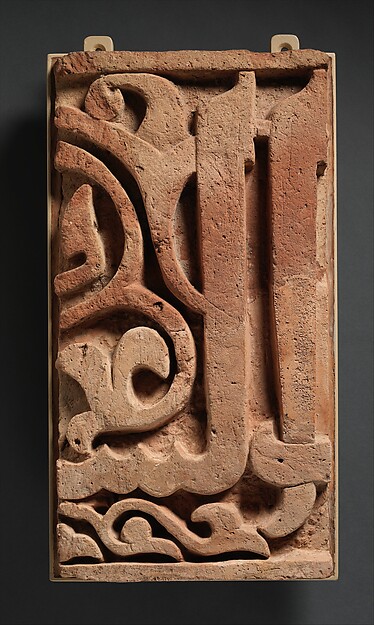
Mosque Frieze Panel Bearing the Name of a Sultan
11th century
An 11th-century terracotta frieze fragment naming a sultan, from the Ghaznavid court world in which al-Biruni worked.
Represents the Ghaznavid court culture in which al-Biruni lived and worked as a scholar.
About this source
What it is
This carved and painted terracotta panel is a fragment of a mosque frieze from the 11th century, inscribed with the name of a sultan. It is now held at the Metropolitan Museum of Art.
Why it matters
The piece comes from the Ghaznavid period, the dynasty whose court al-Biruni served later in his life. Architectural fragments like this show the religious and political world of rulers who patronized scholars such as al-Biruni, and the decorative calligraphy common to the era's buildings.
Look closer
- What does the carved lettering tell you about how writing was used to show power and faith?
- Why might a sultan's name be placed on a mosque wall?
- What is missing from this fragment that might help us know more about the original building?
This artifact is part of the curated material that grounds the AI version of Al-Biruni on Humy.ai — when students ask about related events, the AI can quote it and cite it.
More Al-Biruni sources
Meet the AI Al-Biruni →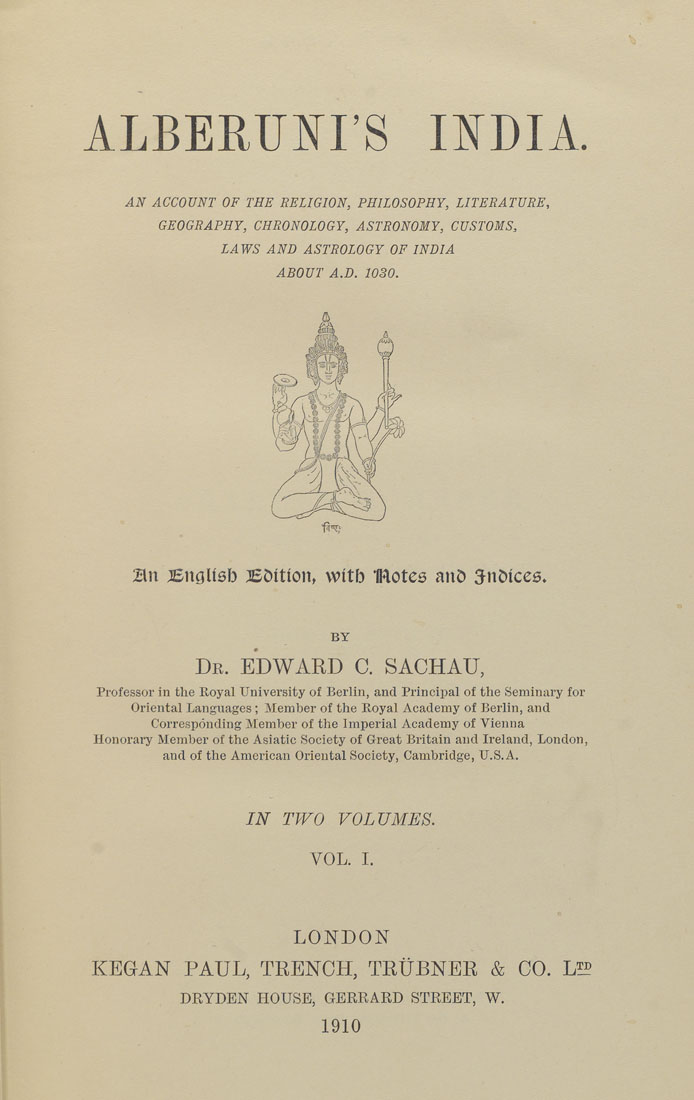 Book
Primary source
Al-Biruni's India
Al-Biruni · c. 1030
 Book
Primary source
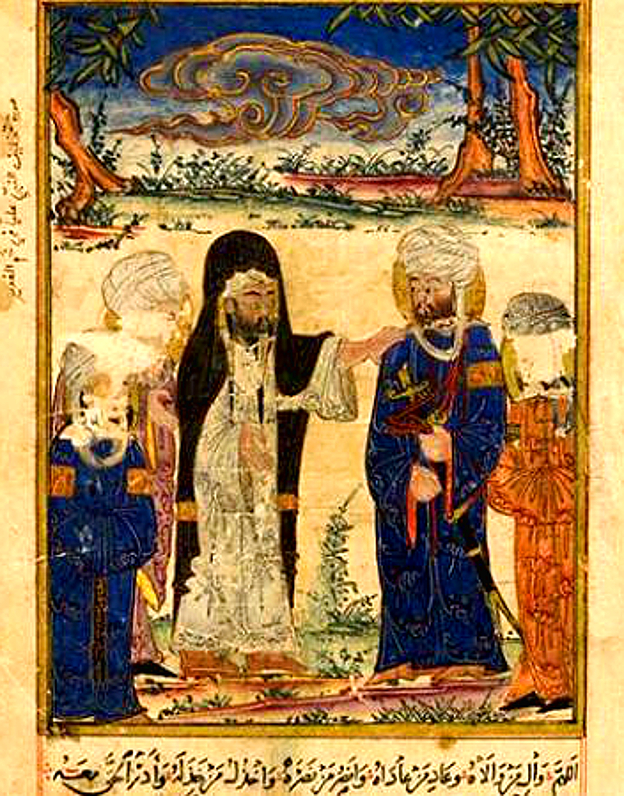
The Remaining Signs of Past Centuries
Al-Biruni · c. 1000, illustrated copy 1307-1308
 Artifact
Primary source
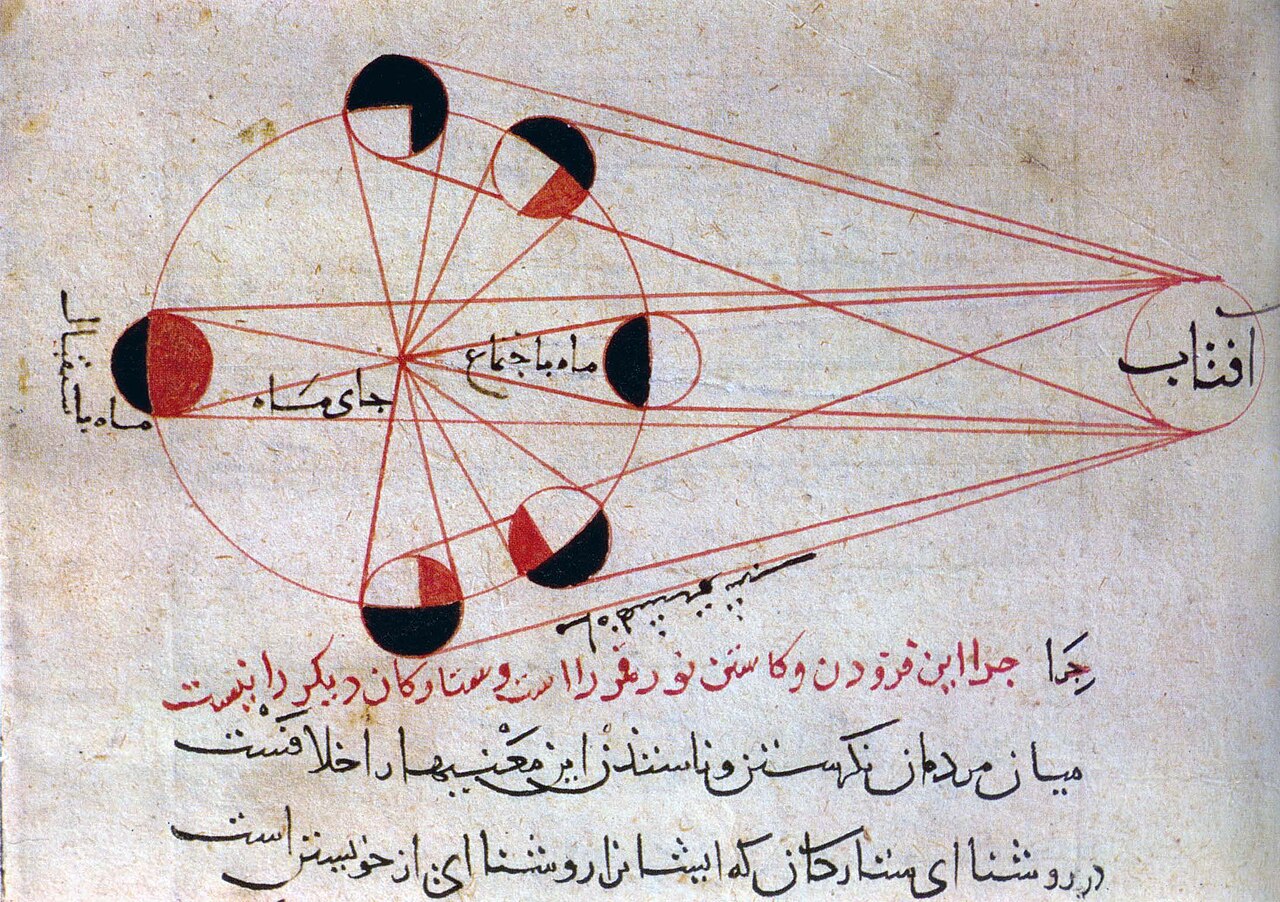
Diagram of the Phases of the Moon
Al-Biruni
 Artifact
Primary source
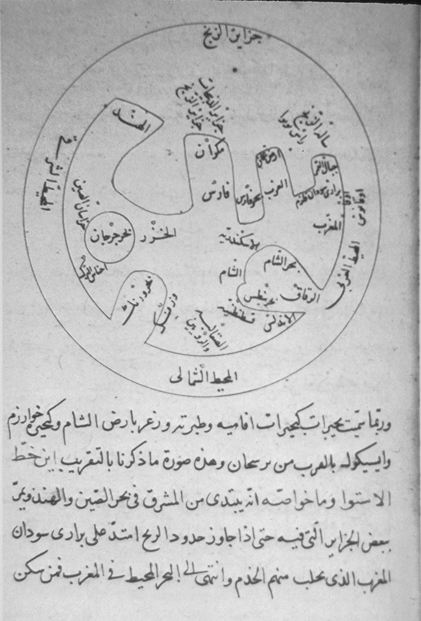
Al-Biruni's World Map of the Distribution of Land and Sea
Al-Biruni · 1029
 Book
Primary source
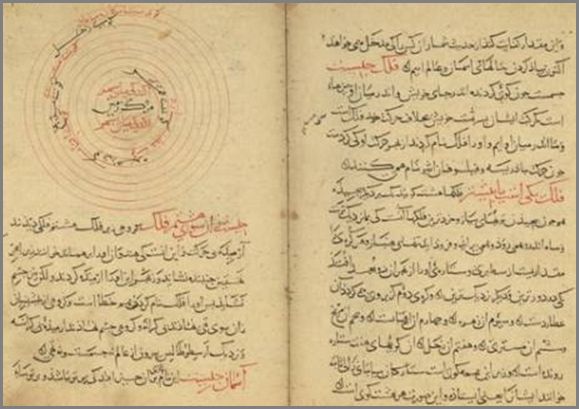
Page from the Oldest Manuscript of the Tafhim
Al-Biruni
Ready when you are
Start chatting with Al-Biruni now.
20 messages free · No credit card · Available in 50+ languages.