


Primary sourceArtifactca. 1329–35
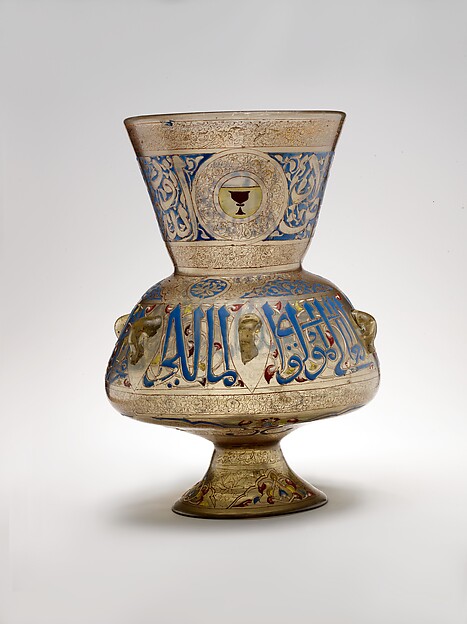
Mosque Lamp of Amir Qawsun
'Ali ibn Muhammad al-Barmaki · ca. 1329–35
A gilded and enameled glass mosque lamp made for a Mamluk amir around the time Ibn Battuta traveled through Mamluk lands.
An era object from Mamluk lands that Ibn Battuta traveled through, showing the material culture he encountered.
About this source
What it is
This glass mosque lamp was made by 'Ali ibn Muhammad al-Barmaki around 1329-35. It has a flared neck, rounded body, and three loop handles, decorated with gold and blue enamel and wrapped in Arabic calligraphy. It is held today at The Metropolitan Museum of Art.
Why it matters
The lamp was commissioned for Amir Qawsun, a powerful official in the Mamluk Sultanate, during the same period Ibn Battuta was traveling through Mamluk territory in the Middle East. It is not directly connected to Ibn Battuta but shows the wealth, craftsmanship, and religious culture of the world he passed through and described in his writings.
Look closer
- What does the quality of the glasswork and calligraphy tell you about the people who commissioned such objects?
- Why would a mosque need a decorated lamp like this?
- How might an object like this help you imagine the cities Ibn Battuta visited?
This artifact is part of the curated material that grounds the AI version of Ibn Battuta on Humy.ai — when students ask about related events, the AI can quote it and cite it.
More Ibn Battuta sources
Meet the AI Ibn Battuta →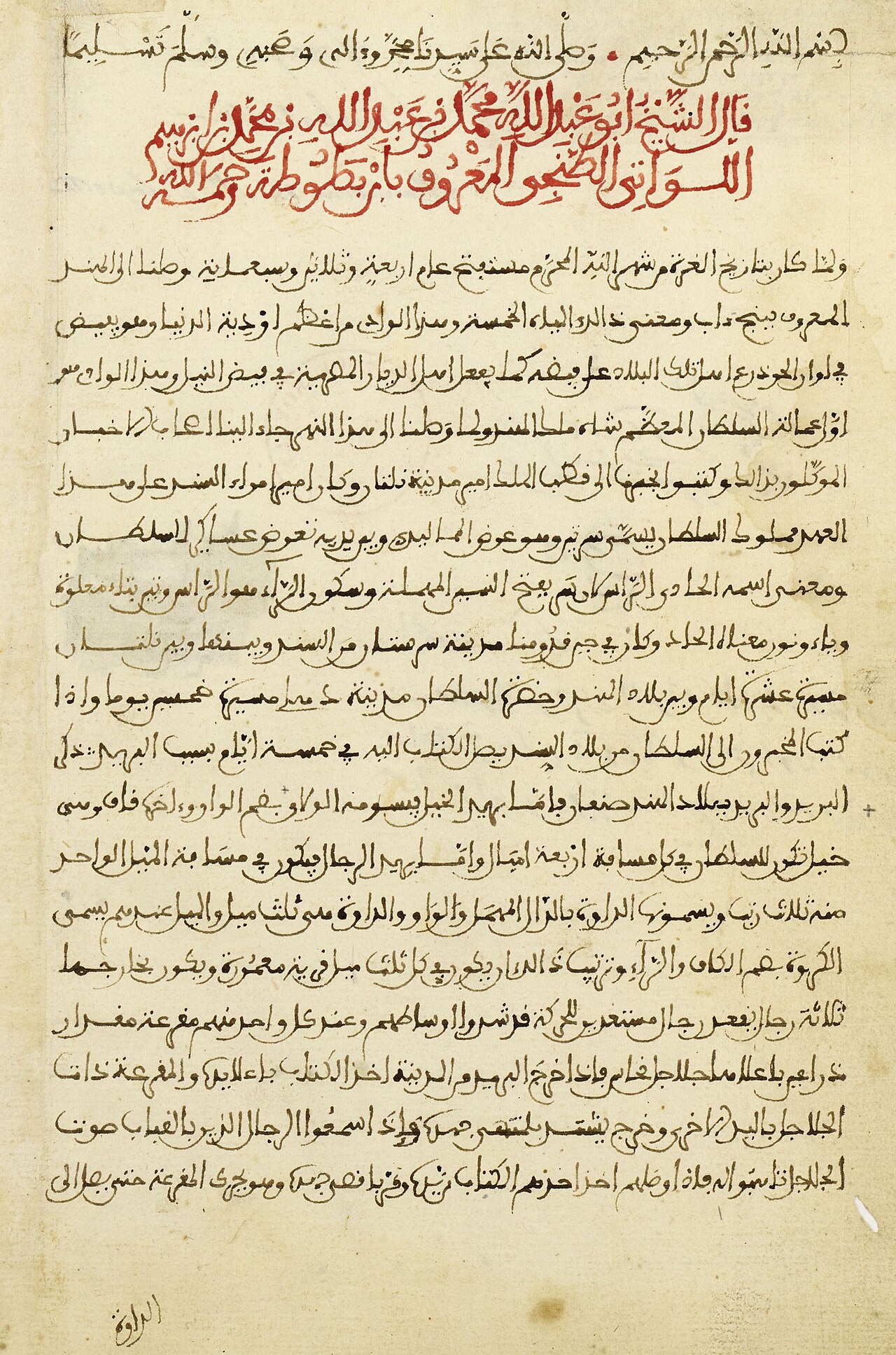 Book
Primary source
The Rihla
Ibn Battuta · 1354-1356
 Book
Primary source
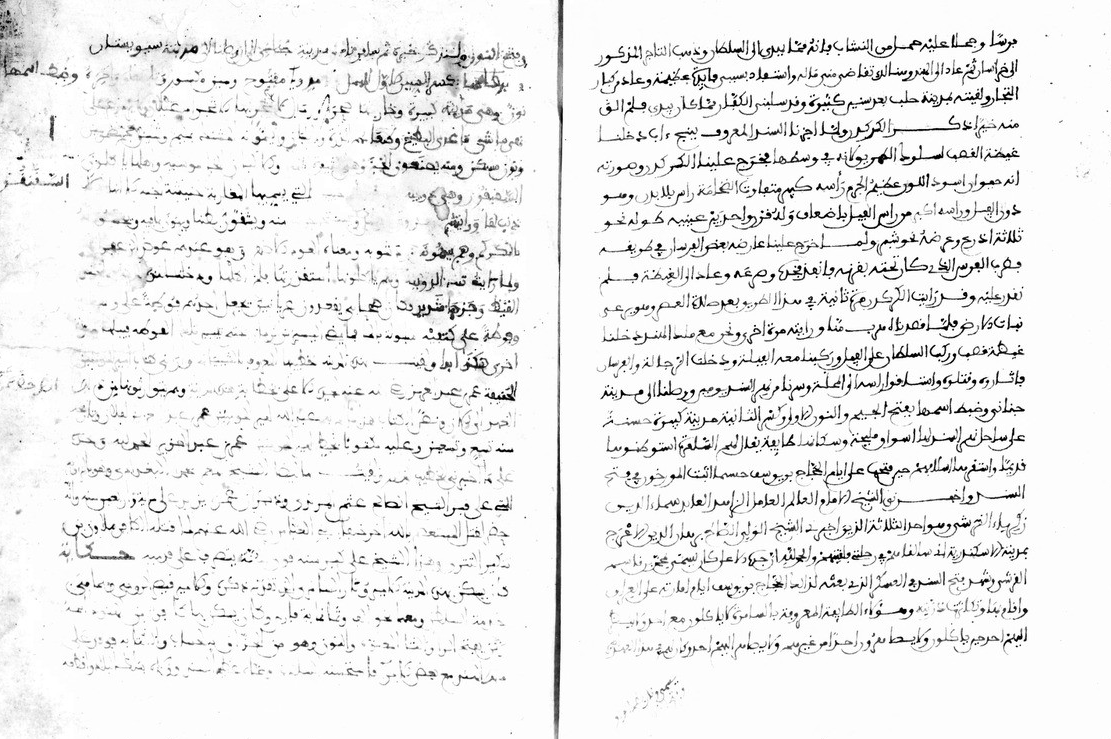
Manuscript of the Rihla by Ibn Juzayy
Ibn Juzayy · 14th century
 Artifact
Secondary source
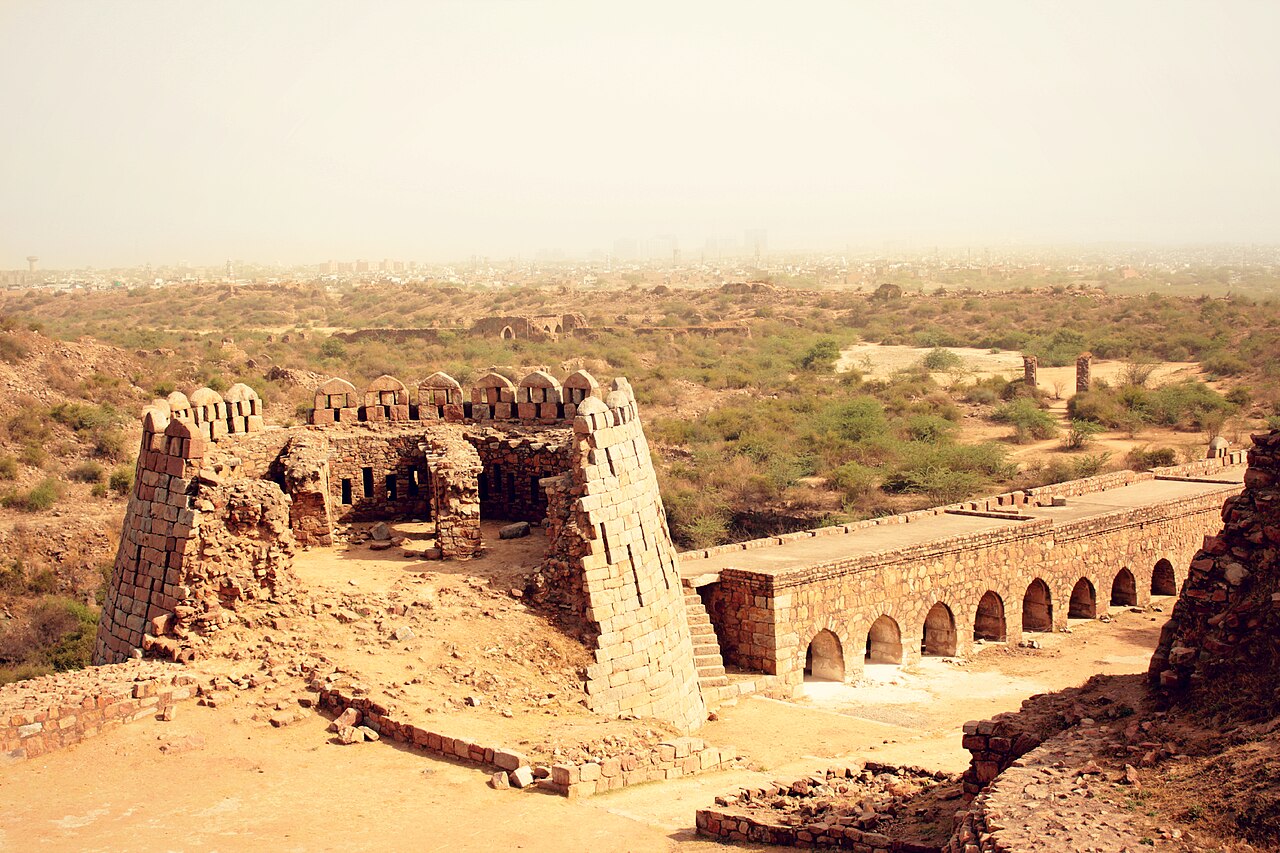
Tughlaqabad Fort
Ghiyath al-Din Tughluq · 1321
 Book
Secondary source
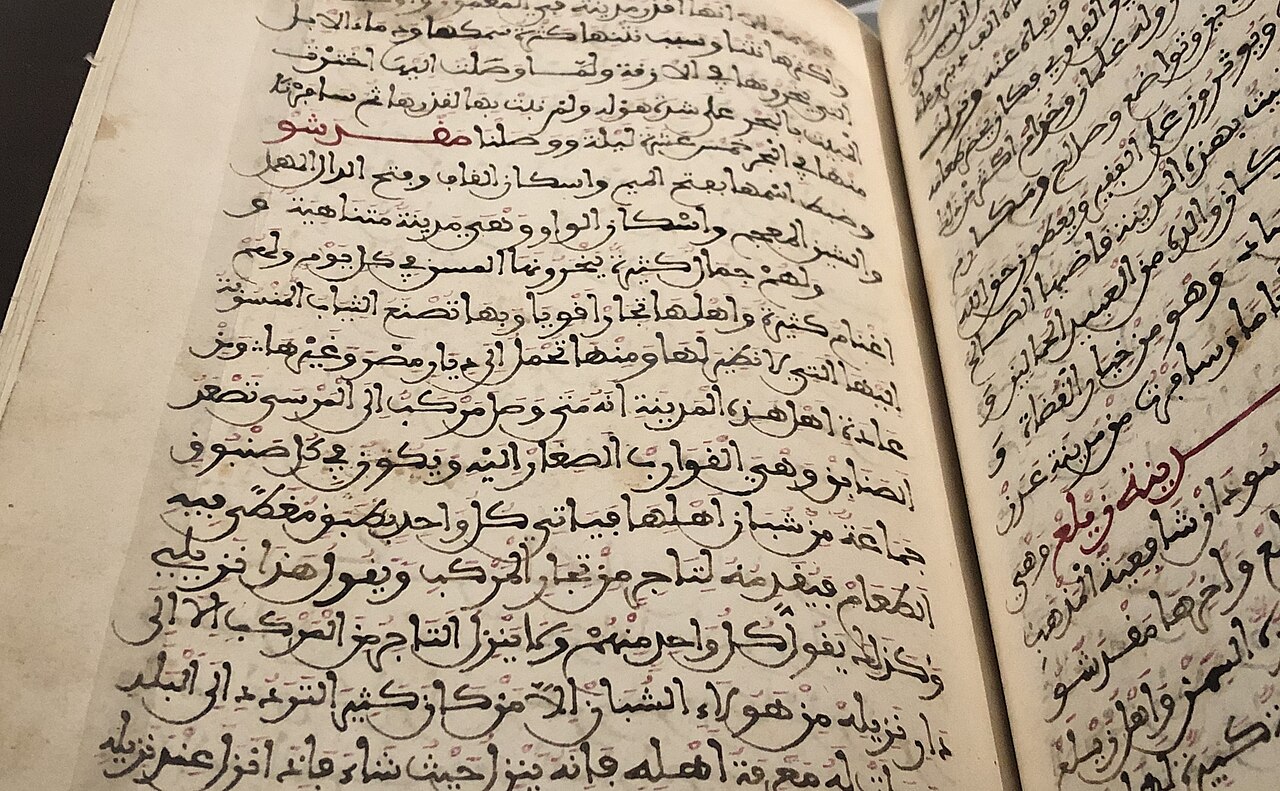
Manuscript copy of the Rihla (1484)
Ibn Juzayy · 1484
 Painting
Primary source
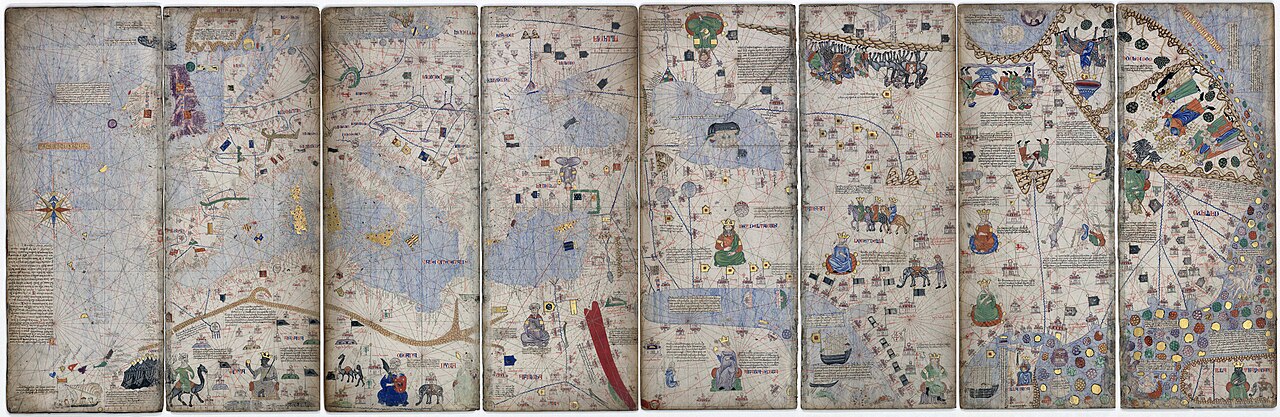
Catalan Atlas
Cresques Abraham · c. 1375
Ready when you are
Start chatting with Ibn Battuta now.
20 messages free · No credit card · Available in 50+ languages.