


Secondary sourcePainting1715
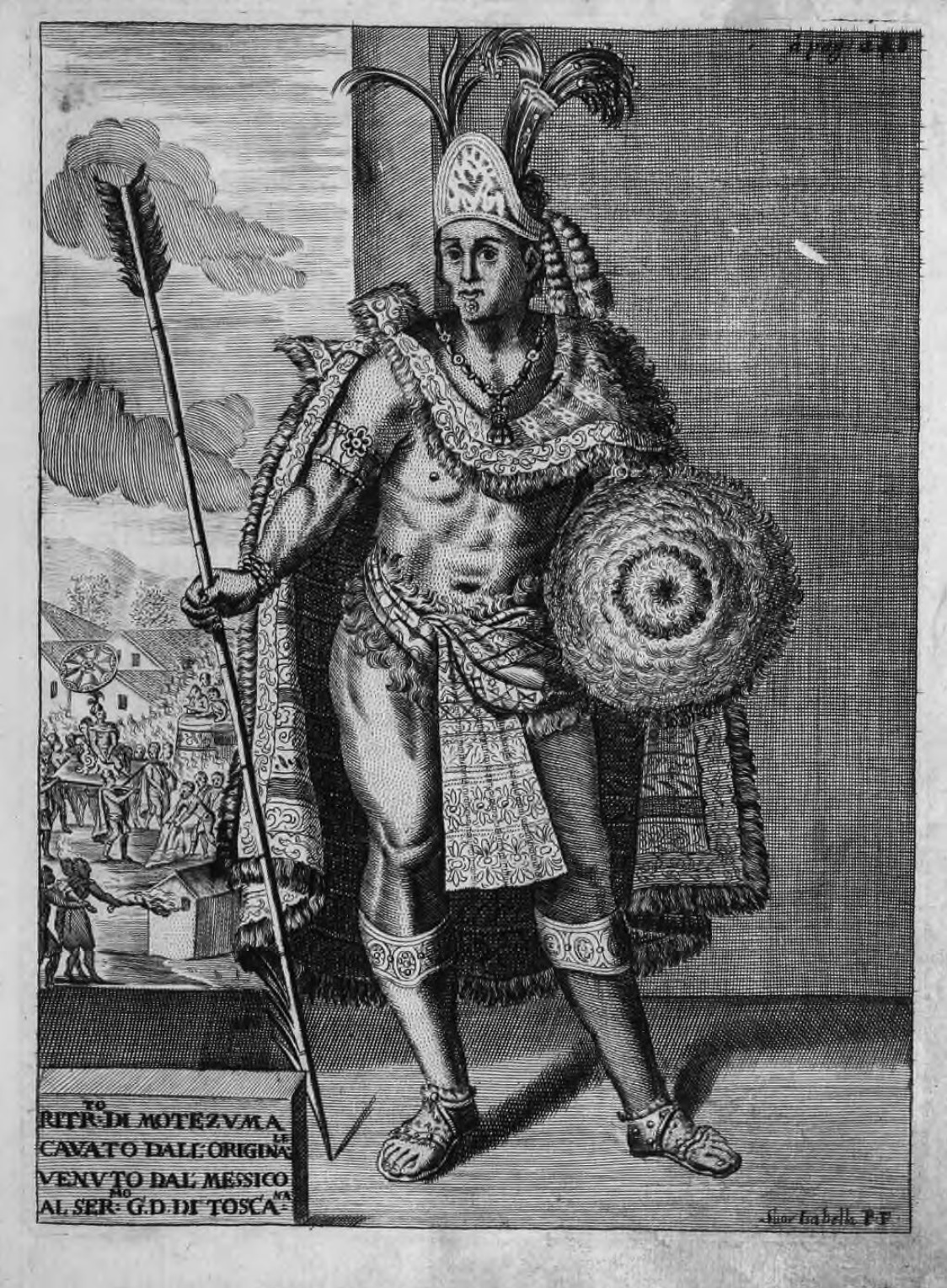
Motecuzoma Xocoyotzin, Engraving from Antonio de Solís
Antonio de Solís (text); engraver unknown · 1715
An early 18th-century engraving portraying Moctezuma II as a feathered warrior, from a Spanish history of the conquest.
A European imagining of Moctezuma made long after his death, showing how his image spread in Spanish historical writing.
About this source
What it is
This engraving of Motecuzoma Xocoyotzin (Moctezuma II) appears in a 1715 edition of a history of the Spanish conquest written by Antonio de Solís. It shows a standing man in a feathered headdress and cape, holding a spear and shield, with a small village scene inset at the left.
Why it matters
Made nearly two centuries after Moctezuma's death, this image reflects how European artists and writers imagined the Aztec ruler based on secondhand accounts. It is part of a long European tradition of depicting Moctezuma as an exotic warrior-king, shaped more by imagination than direct observation.
Look closer
- What details in the costume and pose seem accurate, and what might be invented?
- Why does the engraving include a small inset scene?
- How might this image have shaped European ideas about Moctezuma and the Aztecs?
This painting is part of the curated material that grounds the AI version of Montezuma II on Humy.ai — when students ask about related events, the AI can quote it and cite it.
More Montezuma II sources
Meet the AI Montezuma II →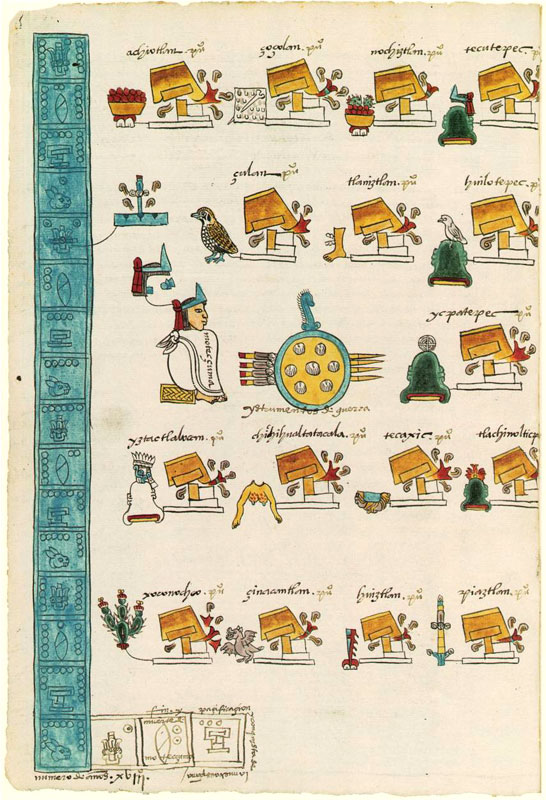 Document
Secondary source
Codex Mendoza, Folio 15v
Unknown author · 16th century
 Painting
Secondary source
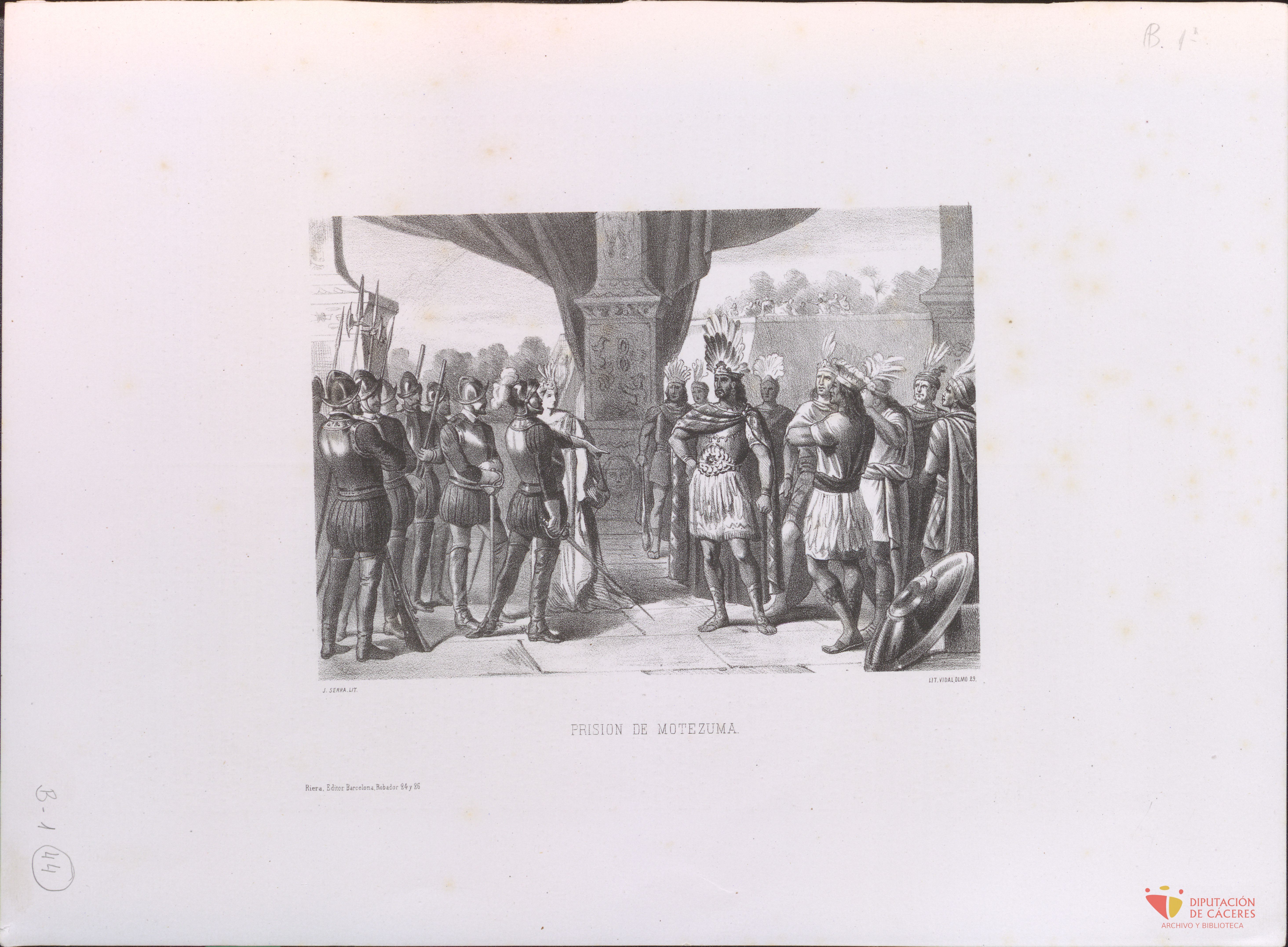
Prisión del emperador Moctezuma
Rafael del Castillo de la Cuesta · 1880
 Book
Secondary source
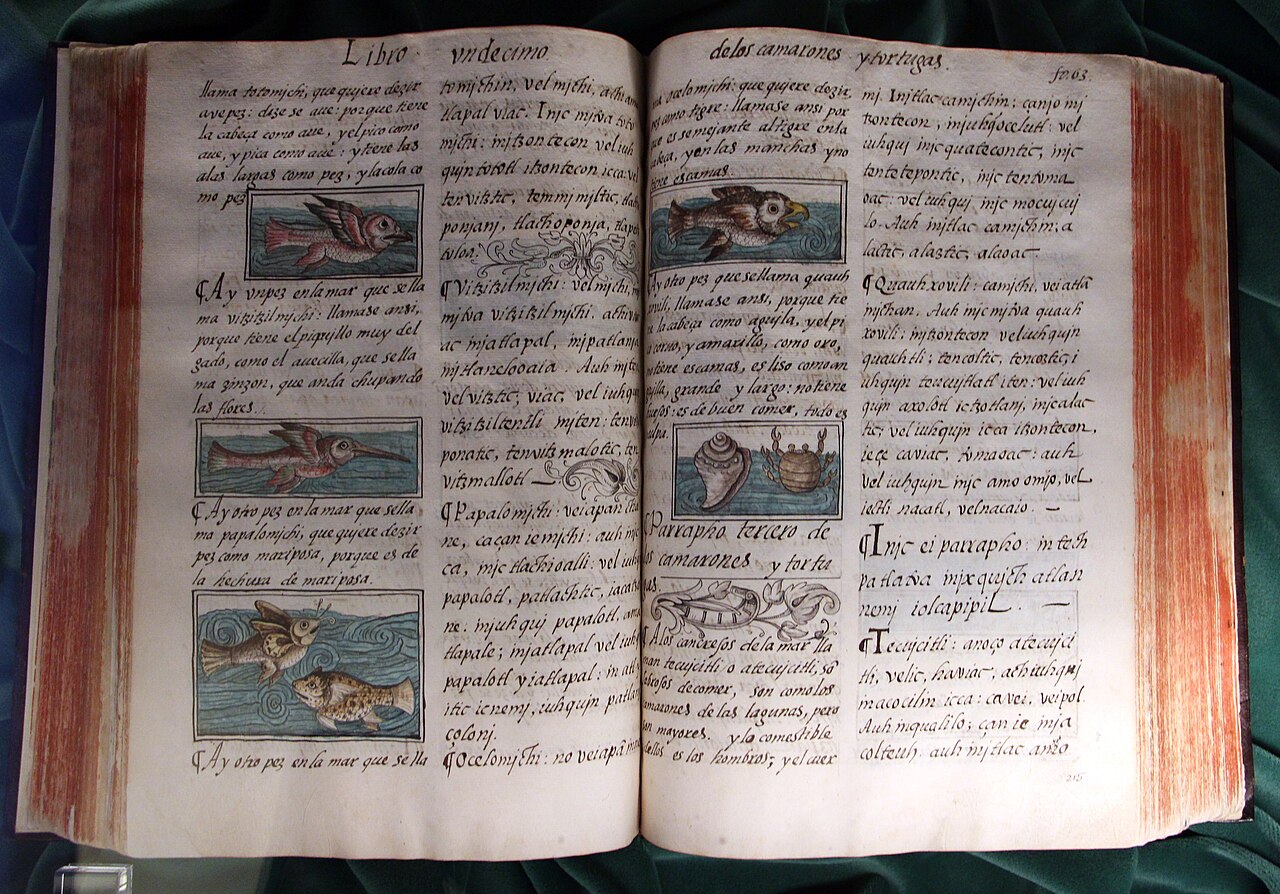
Florentine Codex
Bernardino de Sahagún with Nahua collaborators · 1569
 Painting
Secondary source
Hernán Cortés takes Moctezuma prisoner
Louis Auguste Turgis · 1895
 Letter
Primary source
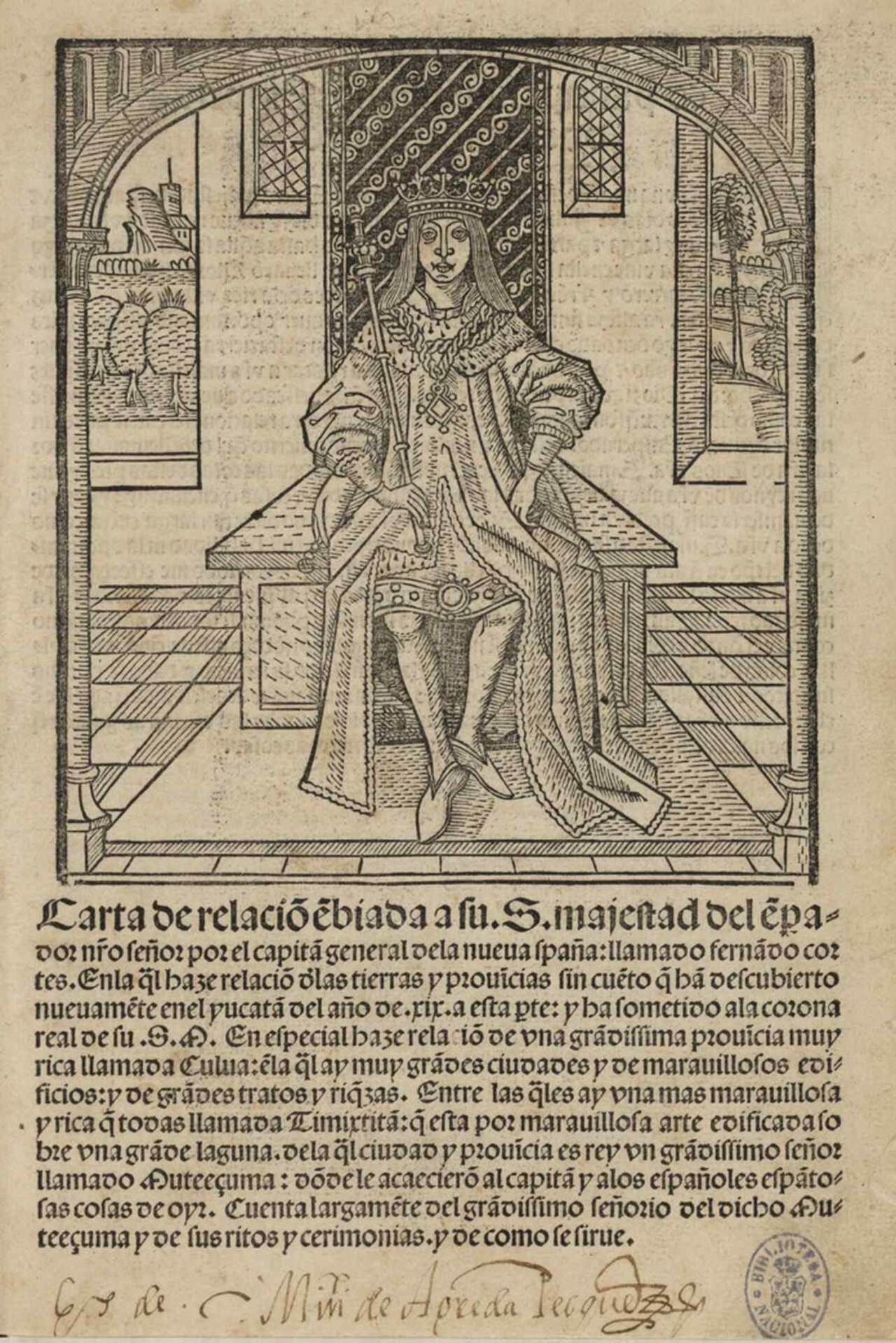
Second Letter to Charles V
Hernán Cortés · 1520 (printed 1522)
Ready when you are
Start chatting with Montezuma II now.
20 messages free · No credit card · Available in 50+ languages.