


Secondary sourceArtifact1659-1663 (completed 1662/1663)
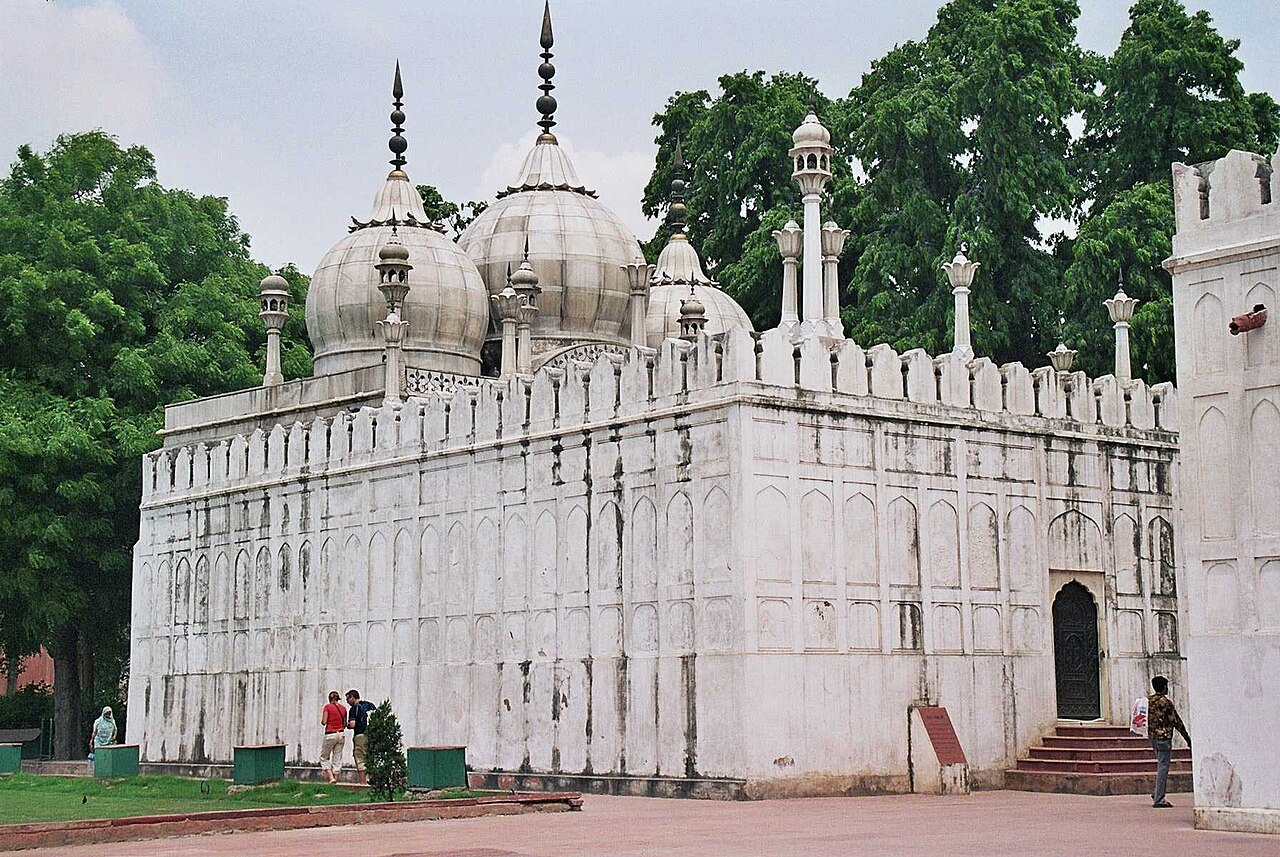
Moti Masjid, Delhi
1659-1663 (completed 1662/1663)
A small white marble mosque built inside the Red Fort by Aurangzeb for his own private prayers.
Aurangzeb personally commissioned and paid for this private mosque, showing his religious devotion within his own palace.
About this source
What it is
The Moti Masjid ('Pearl Mosque') is a small 17th-century mosque inside the Red Fort complex in Delhi. It was commissioned by Emperor Aurangzeb soon after he took the throne and built between 1658 and 1663 at his personal expense, so he could pray closer to his private chambers. It was damaged during the 1857 Siege of Delhi and later restored by the British; it is now closed to visitors.
Why it matters
The mosque shows Aurangzeb's personal religious devotion within the palace itself. Its rich marble carving contrasts with his reputation for austerity, and historians debate whether this reflects his own taste or a broader imperial image-building project. It also marks a shift from his father Shah Jahan's practice of praying at the public Jama Masjid.
Look closer
- Why might an emperor want a private mosque inside his own palace?
- What does the ornate decoration suggest about Aurangzeb, given his reputation for simplicity?
- How did later events, like the 1857 looting, change what we see of this building today?
This artifact is part of the curated material that grounds the AI version of Aurangzeb on Humy.ai — when students ask about related events, the AI can quote it and cite it.
More Aurangzeb sources
Meet the AI Aurangzeb →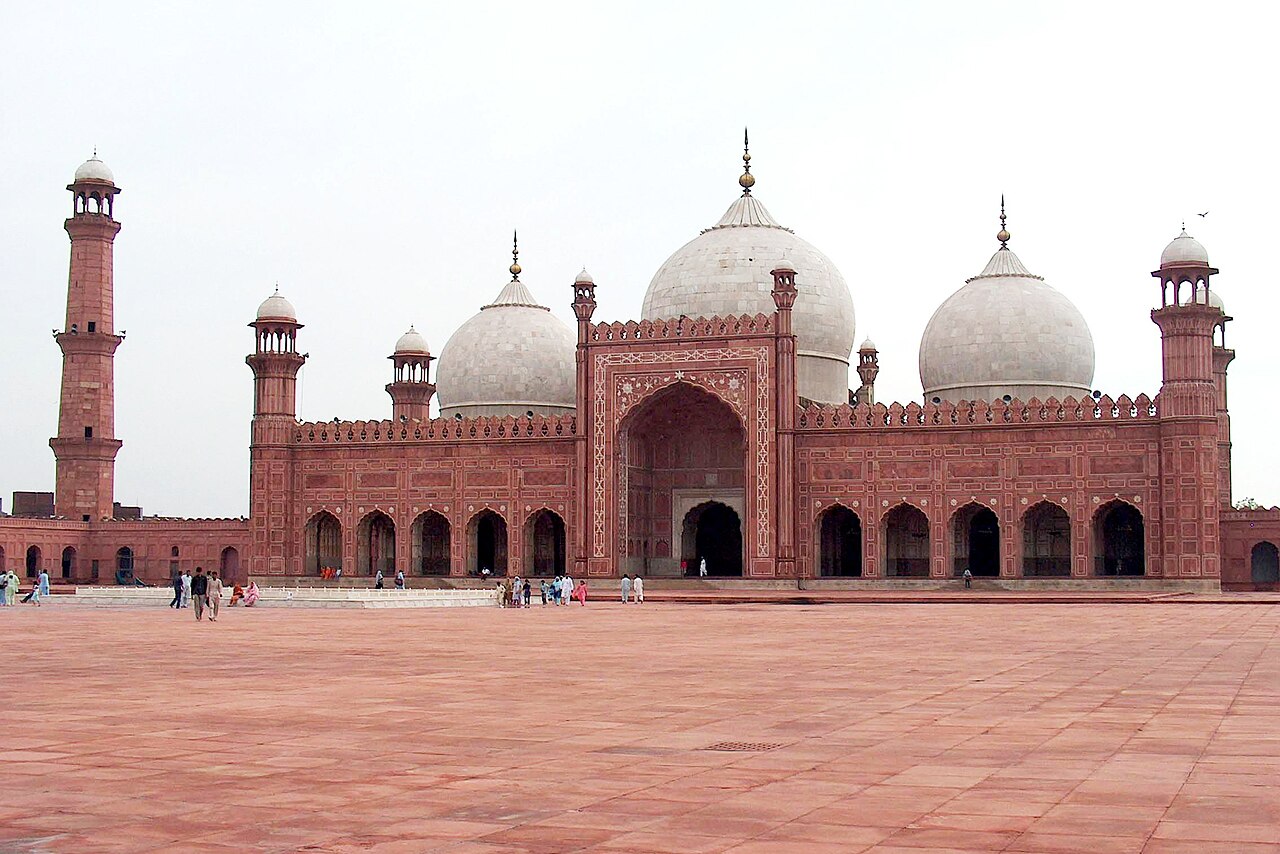 Artifact
Primary source
Badshahi Mosque
1671–1673
 Document
Primary source
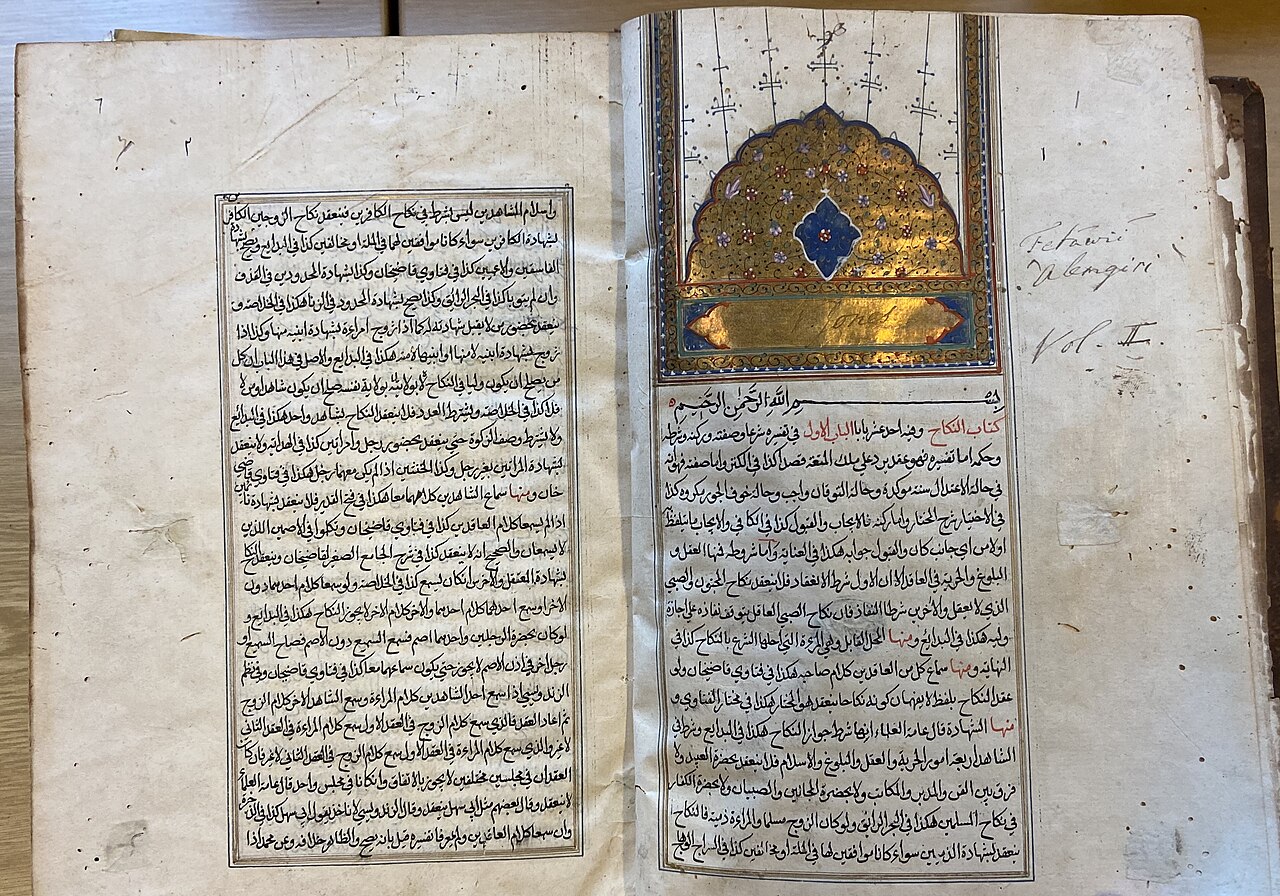
Fatawa-i Alamgiri Manuscript
17th century (this copy later recopied)
 Book
Secondary source
Maasir-i-Alamgiri
Saqi Musta'id Khan · c. 1710 (this copy 1763-1764)
Primary source
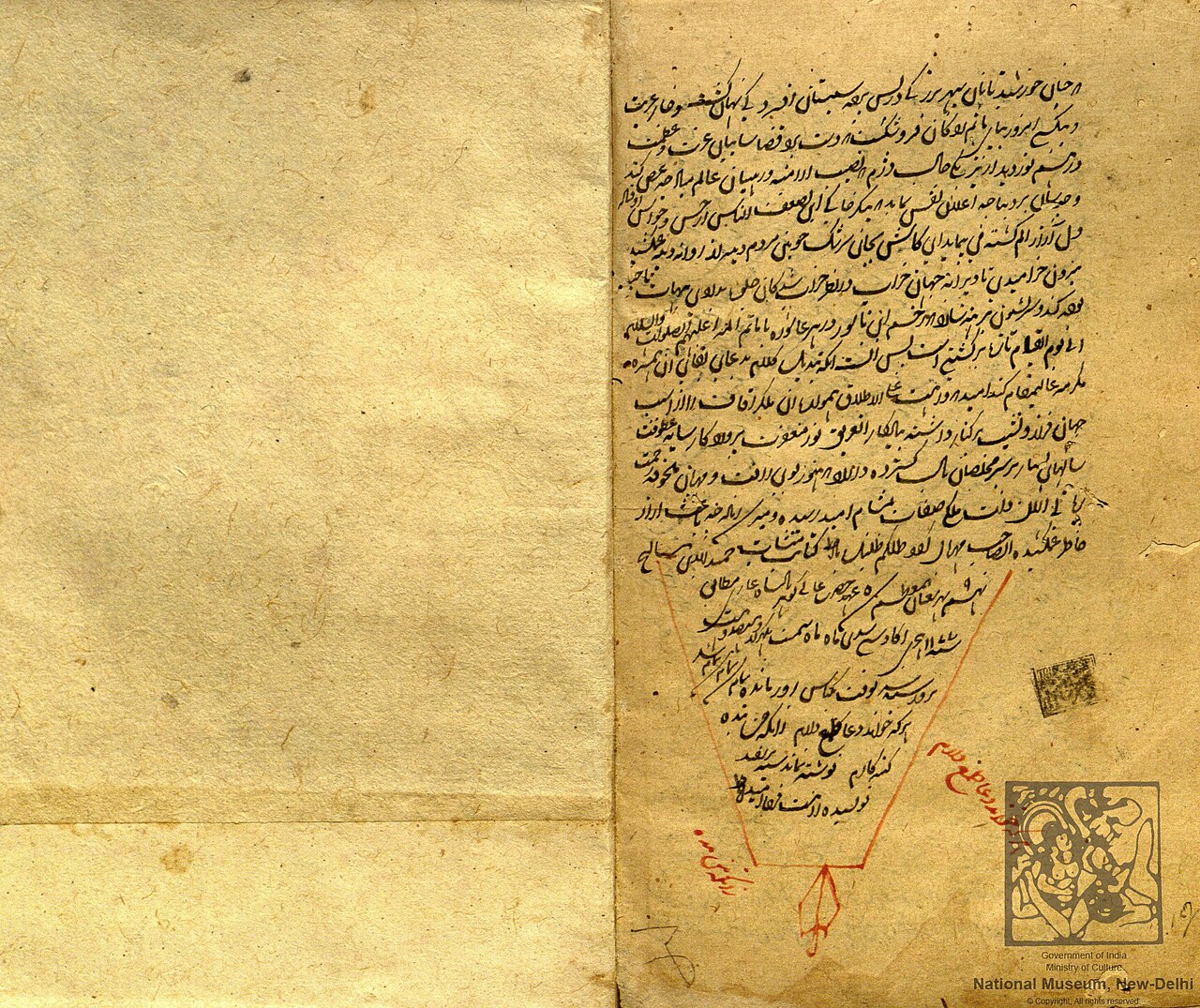
Ruka'at-i-Alamgiri
Aurangzeb · 17th century
 Letter
Primary source
Zafarnamah
Guru Gobind Singh · 1705
Ready when you are
Start chatting with Aurangzeb now.
20 messages free · No credit card · Available in 50+ languages.