


Secondary sourceBookWarring States period, 476-221 BCE
Mozi
Mozi · Warring States period, 476-221 BCE
An ancient Mohist text containing chapters that criticize Confucius and his followers, showing how rival philosophers viewed him.
Contains chapters attacking Confucianism, showing how rival philosophers criticized Confucius and his school.
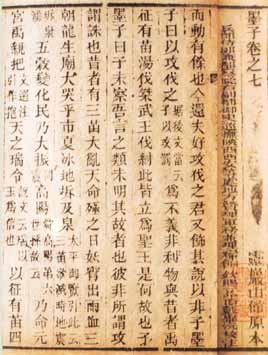
About this source
What it is
The Mozi is an ancient Chinese text expounding the philosophy of Mohism, traditionally ascribed to Mo Di ('Mozi'), a thinker of the Warring States period. Among its many chapters on ethics, logic, and defensive warfare are two chapters titled 'Against Confucianism', of which one survives.
Why it matters
These chapters show that Confucius and his followers had committed opponents even in ancient times. Mohism promoted impartial care and plain living against what it saw as Confucian excess, and its criticism of Confucianism reveals the intellectual rivalries of the Warring States period.
Look closer
- Why might a rival school want to write a chapter specifically attacking Confucianism?
- What does this tell us about how widely known and debated Confucius' ideas already were?
- How might reading only critics' accounts give an incomplete picture of a historical figure?
This book is part of the curated material that grounds the AI version of Confucius on Humy.ai — when students ask about related events, the AI can quote it and cite it.
More Confucius sources
Meet the AI Confucius →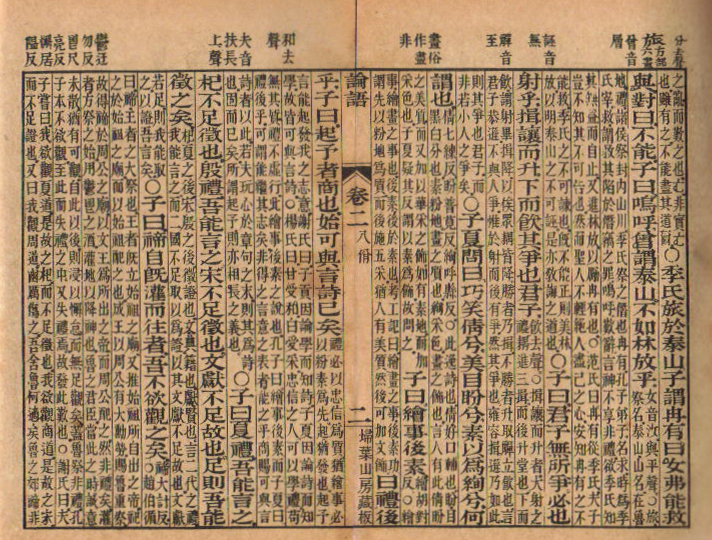 Book
Secondary source
Analects
c. 480 BCE – 2nd century BCE
 Book
Secondary source
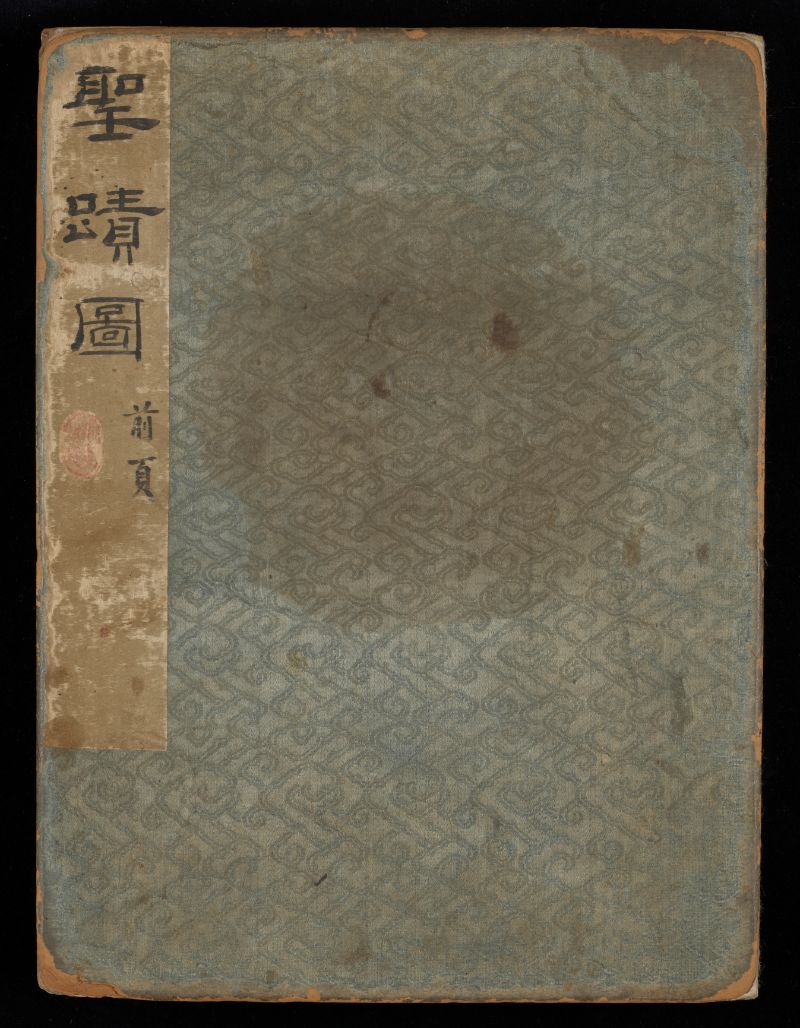
Pictures of the Sage's Traces
Unknown · 1758
Secondary source
Records of the Grand Historian, Vol. 47: Hereditary House of Confucius
Sima Qian · c. 94 BCE
 Photograph
Primary source
Temple of Confucius, Peking (Interior)
John Thomson · 1871
 Document
Secondary source
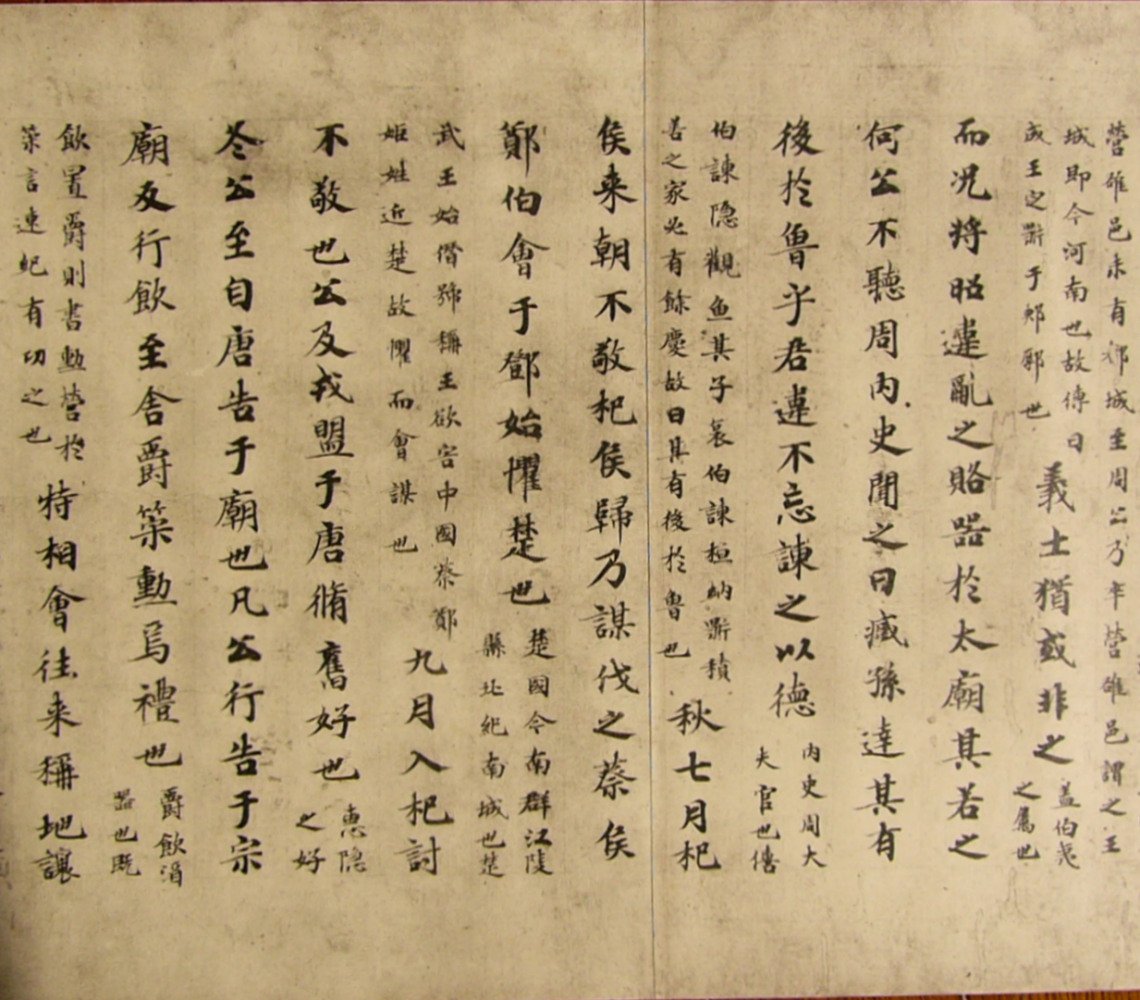
Spring and Autumn Annals
Confucius · 5th century BCE
Ready when you are
Start chatting with Confucius now.
20 messages free · No credit card · Available in 50+ languages.