


Secondary sourcePainting17th century
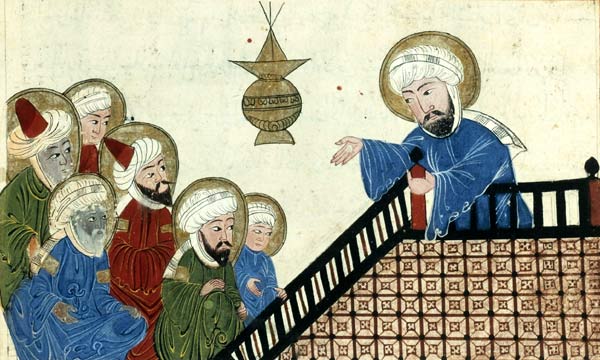
Muhammad Forbids Intercalation
Unknown · 17th century
An illustration from a 17th-century Ottoman copy of al-Biruni's chronology, showing a scene from the text's long manuscript tradition.
Illustrates a scene from al-Biruni's chronology, showing how his work was copied and illustrated long after his lifetime.
About this source
What it is
This miniature painting comes from a 17th-century Ottoman copy of a 14th-century manuscript, itself copying al-Biruni's book al-Âthâr al-bâqiyah ("The Remaining Signs of Past Centuries"). It shows a robed figure with a halo addressing a seated group of men, illustrating a passage about the calendar practice of intercalation.
Why it matters
Al-Biruni's chronology was copied and illustrated for centuries across different empires, showing how valued his work on calendars and history remained long after his death. The painting reflects the artistic style of the Ottoman copyists, not al-Biruni's own century.
Look closer
- What details suggest this was painted centuries after al-Biruni wrote the original text?
- Why might later artists choose to illustrate this particular scene?
- What does the care taken in copying and illustrating this book tell you about its importance?
This painting is part of the curated material that grounds the AI version of Al-Biruni and Muhammad on Humy.ai — when students ask about related events, the AI can quote it and cite it.
More Al-Biruni sources
Meet the AI Al-Biruni →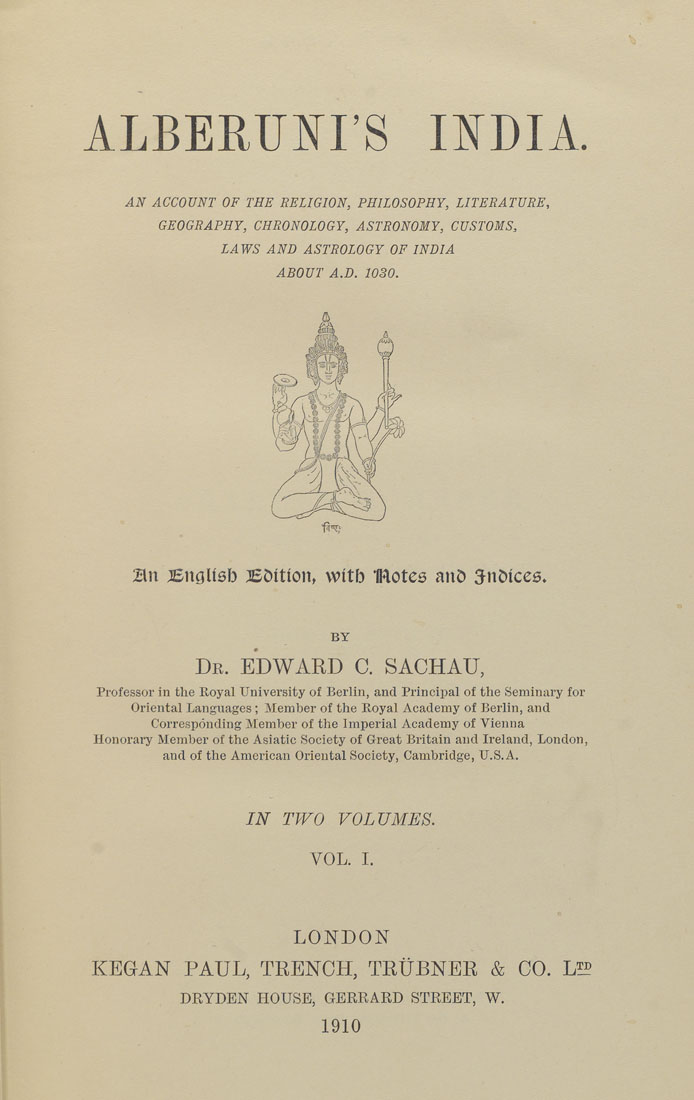 Book
Primary source
Al-Biruni's India
Al-Biruni · c. 1030
 Book
Primary source
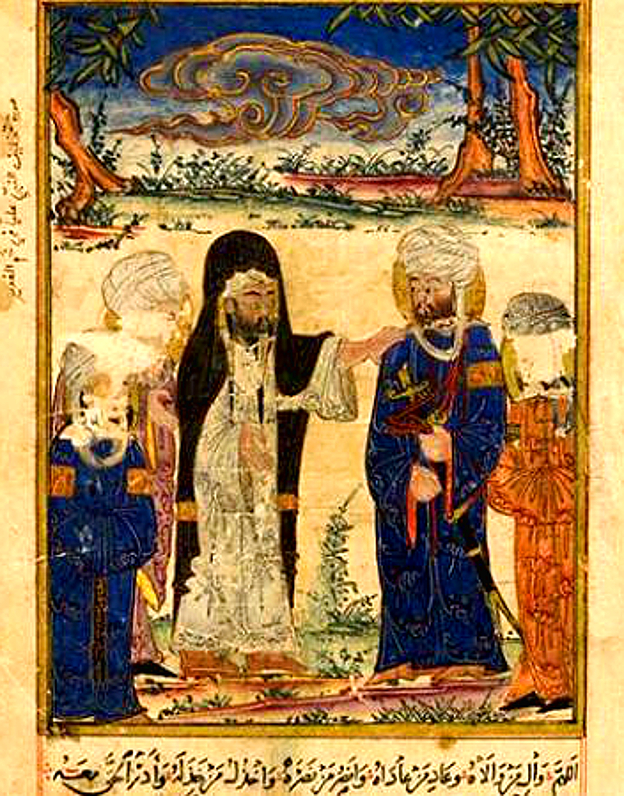
The Remaining Signs of Past Centuries
Al-Biruni · c. 1000, illustrated copy 1307-1308
 Artifact
Primary source
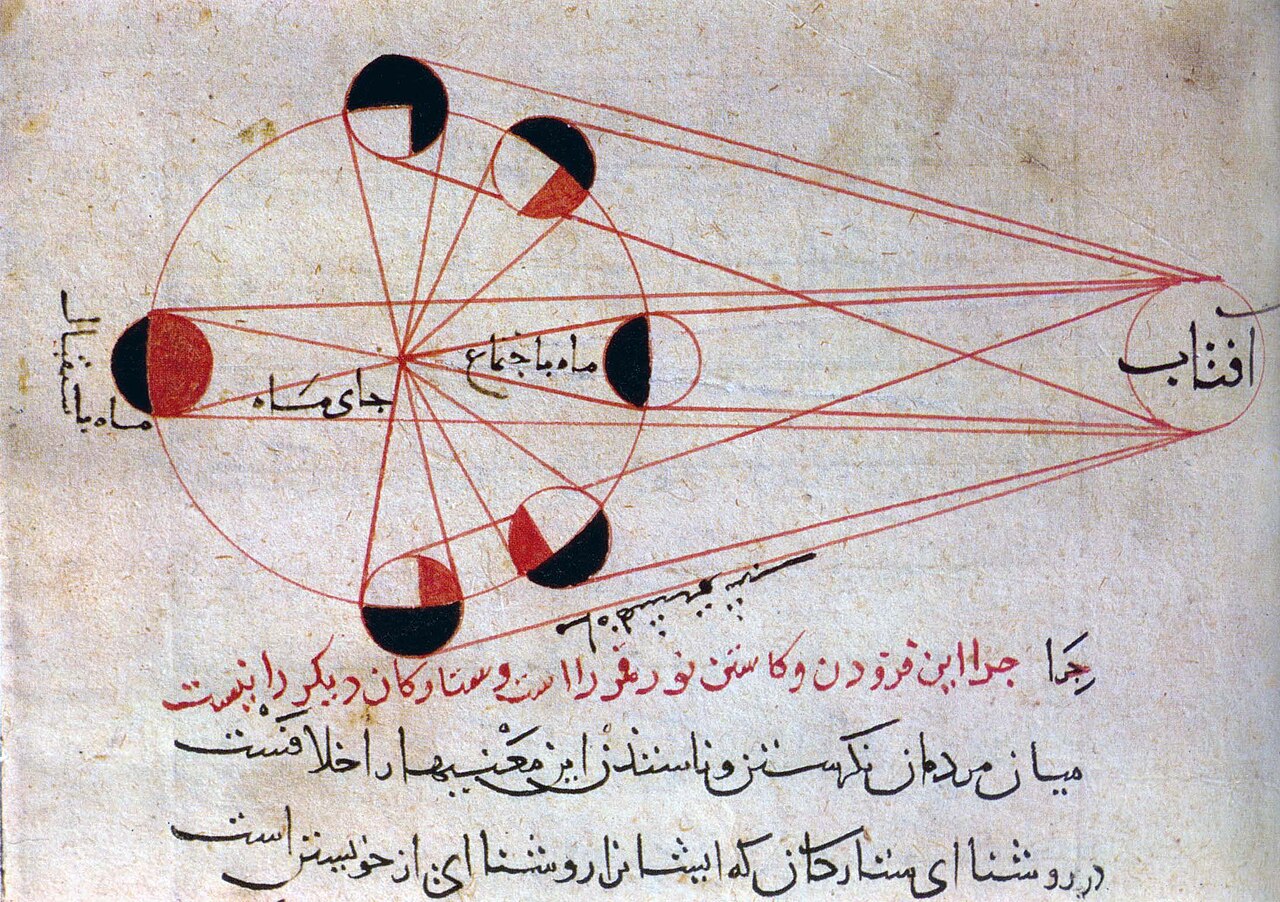
Diagram of the Phases of the Moon
Al-Biruni
 Artifact
Primary source
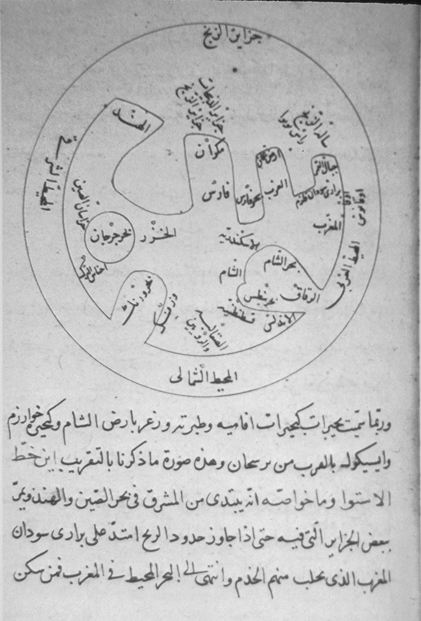
Al-Biruni's World Map of the Distribution of Land and Sea
Al-Biruni · 1029
 Book
Primary source
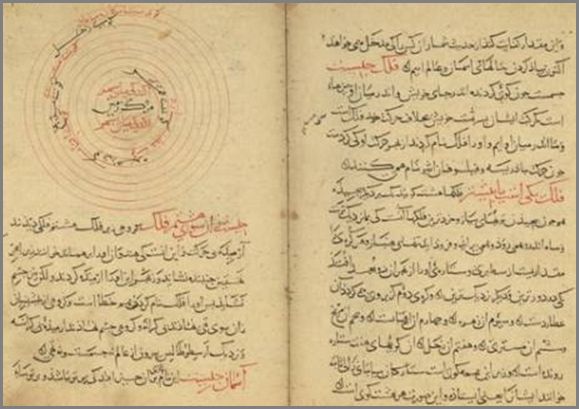
Page from the Oldest Manuscript of the Tafhim
Al-Biruni
Ready when you are
Start chatting with Al-Biruni now.
20 messages free · No credit card · Available in 50+ languages.