


Primary sourceArtifactc. 1213 BCE
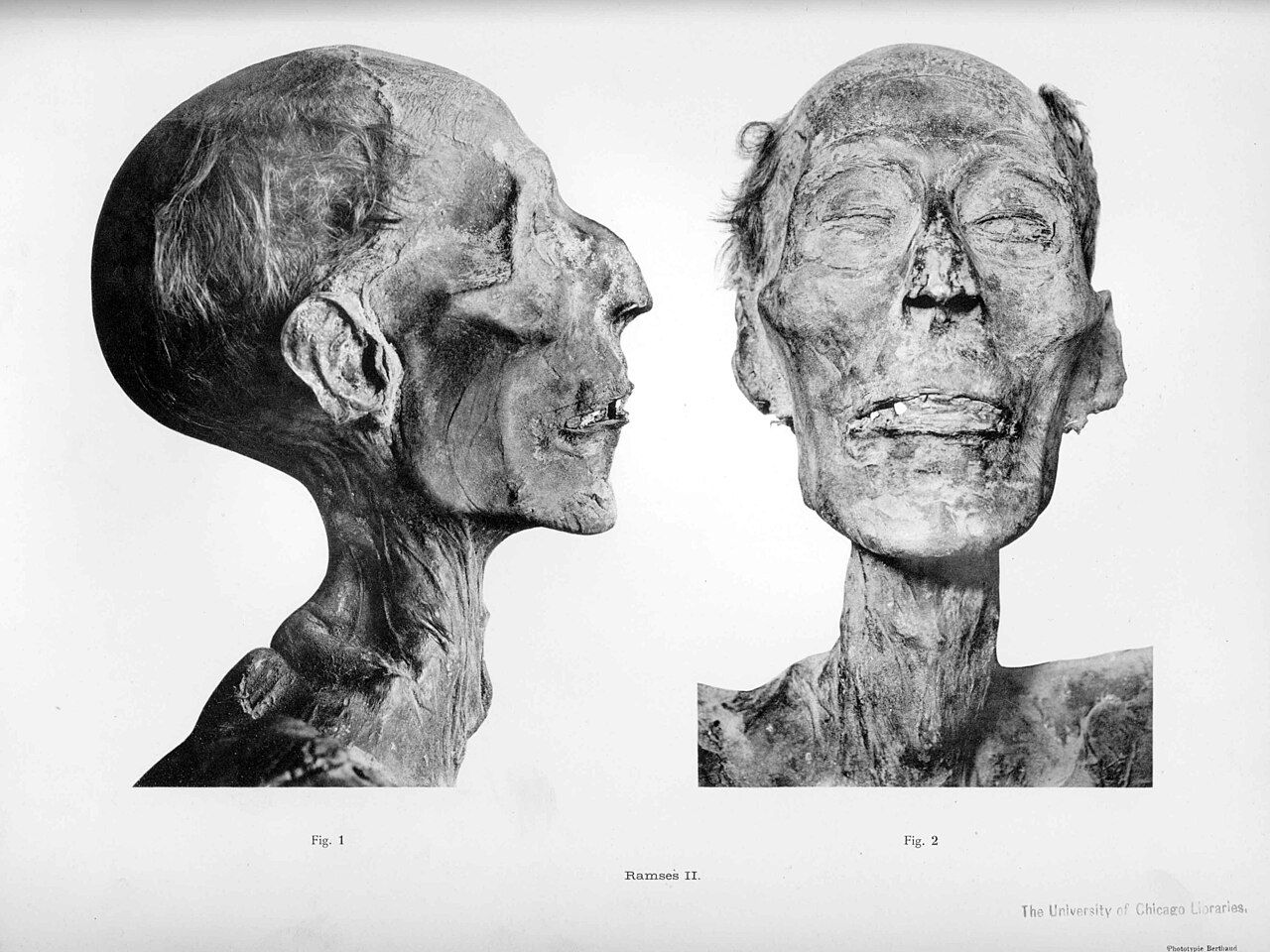
Mummy of Ramesses II
c. 1213 BCE
The actual preserved body of Ramesses II, discovered in 1881 and now in the National Museum of Egyptian Civilization, Cairo.
This is the physical body of Ramesses II himself, discovered in 1881 after being moved by ancient priests.
About this source
What it is
This is the mummified body of Ramesses II, found in the Deir el-Bahari royal cache in 1881 along with other reburied pharaohs. It dates to around his death and is now kept at the National Museum of Egyptian Civilization in Cairo.
Why it matters
The mummy offers direct physical evidence about Ramesses: how old he was when he died, his health, and the fact that his body was moved and reburied by later priests to protect it from tomb robbers. It connects the legendary pharaoh of monuments and treaties to an actual human being.
Look closer
- What can scientists learn from a mummy that they cannot learn from statues or inscriptions?
- Why might ancient priests have moved royal bodies to a hidden cache?
- How should we think about the ethics of displaying a person's preserved body in a museum?
This artifact is part of the curated material that grounds the AI version of Ramses II (Ramses the Great) on Humy.ai — when students ask about related events, the AI can quote it and cite it.
More Ramses II (Ramses the Great) sources
Meet the AI Ramses II (Ramses the Great) →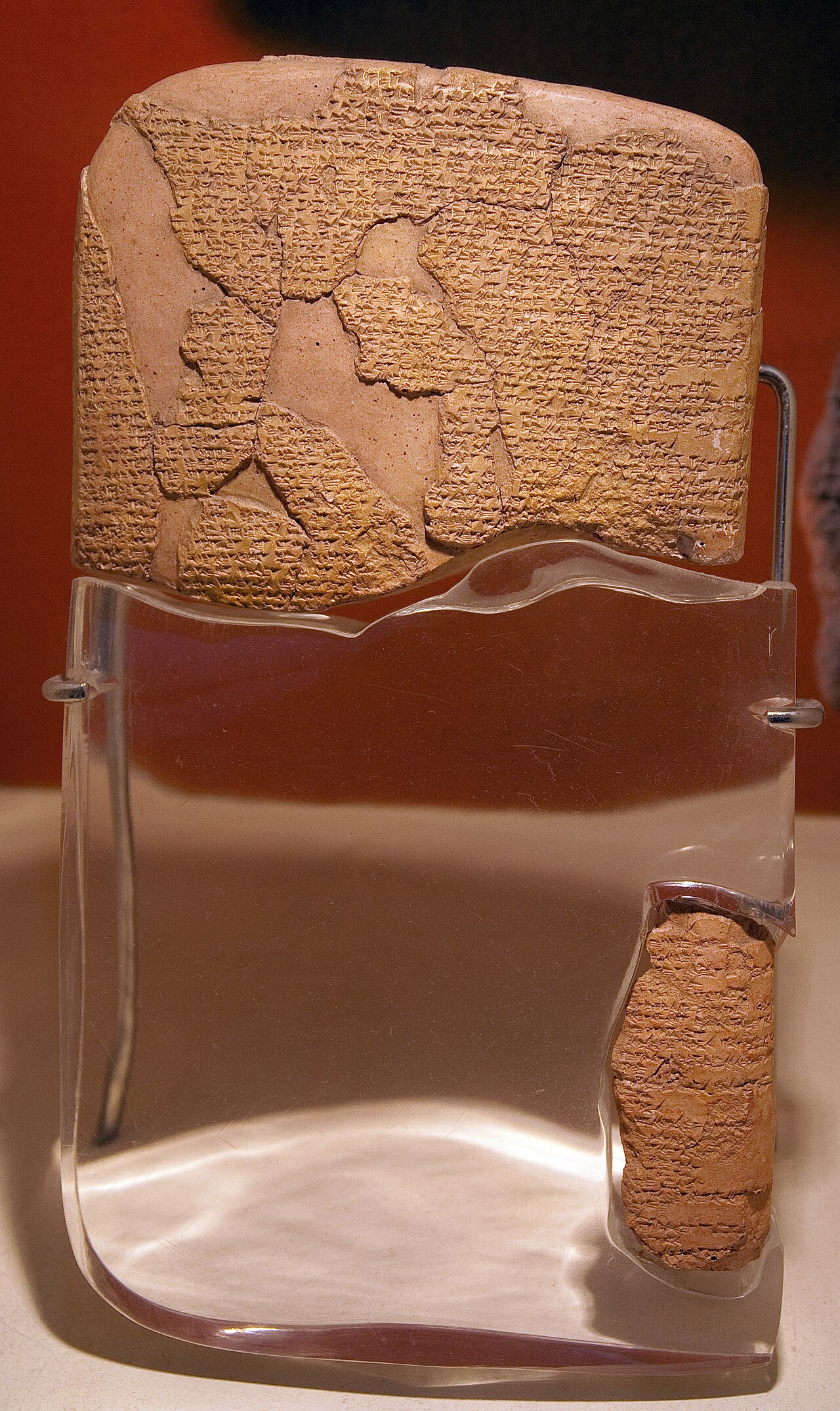 Document
Primary source
Egyptian–Hittite Peace Treaty
c. 1258 BCE
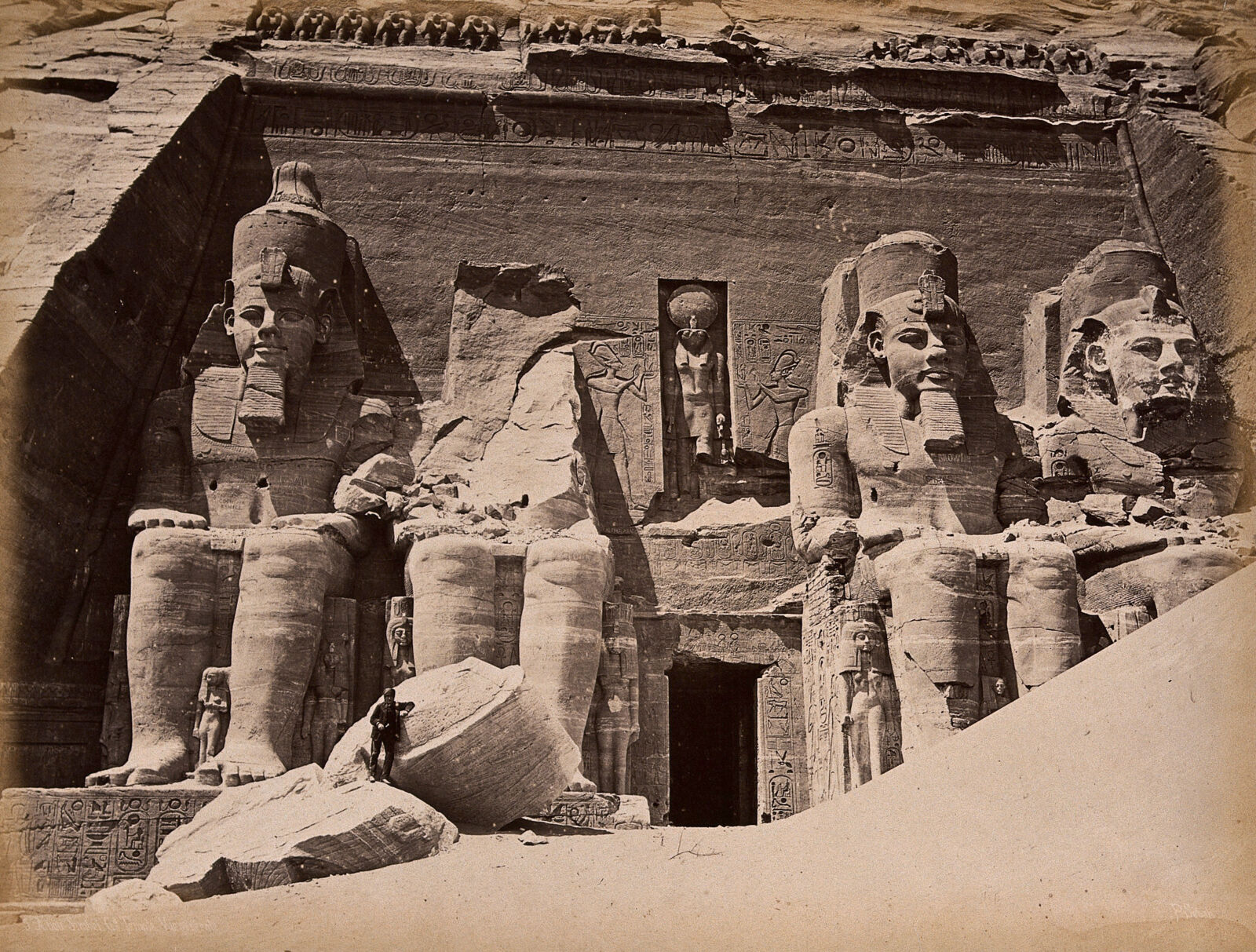 Photograph
Secondary source
Abu Simbel Temple Colossi
Pascal Sébah · 1875
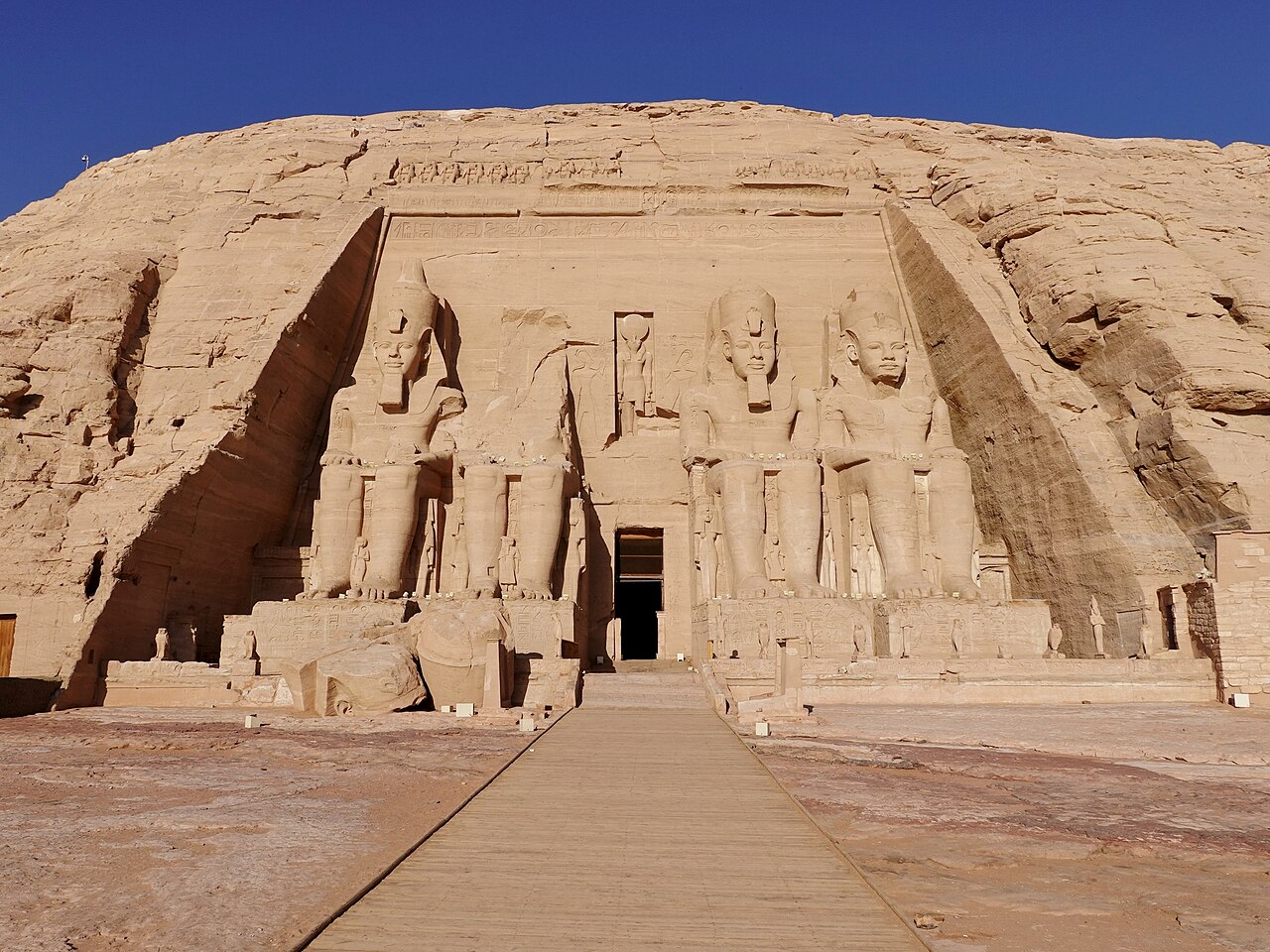 Artifact
Primary source
Abu Simbel
Ramesses II · c. 1273 BCE
 Photograph
Secondary source
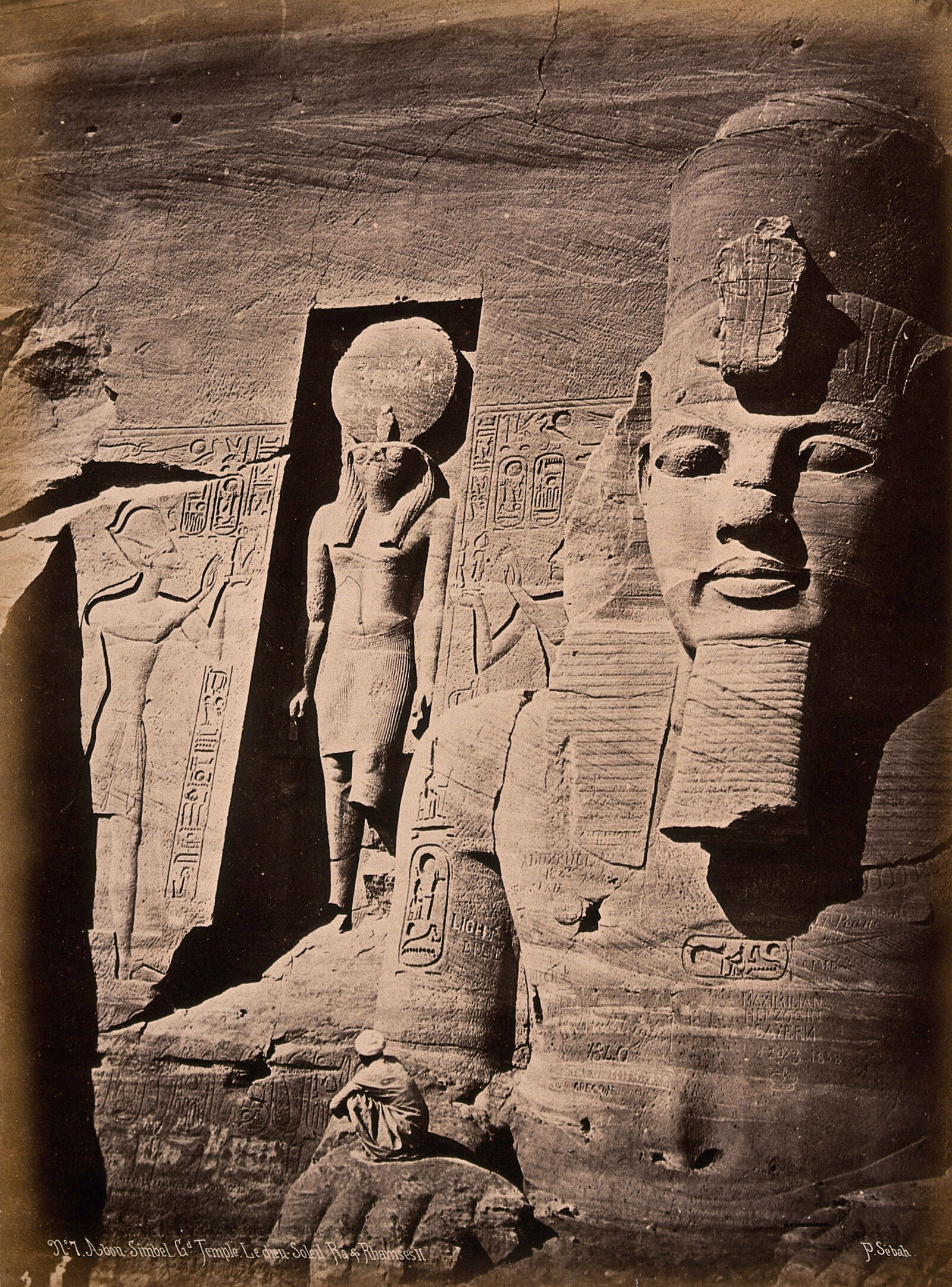
Facade Detail of Abu Simbel Showing Ramesses II and Ra
Pascal Sébah · 1875
 Photograph
Secondary source
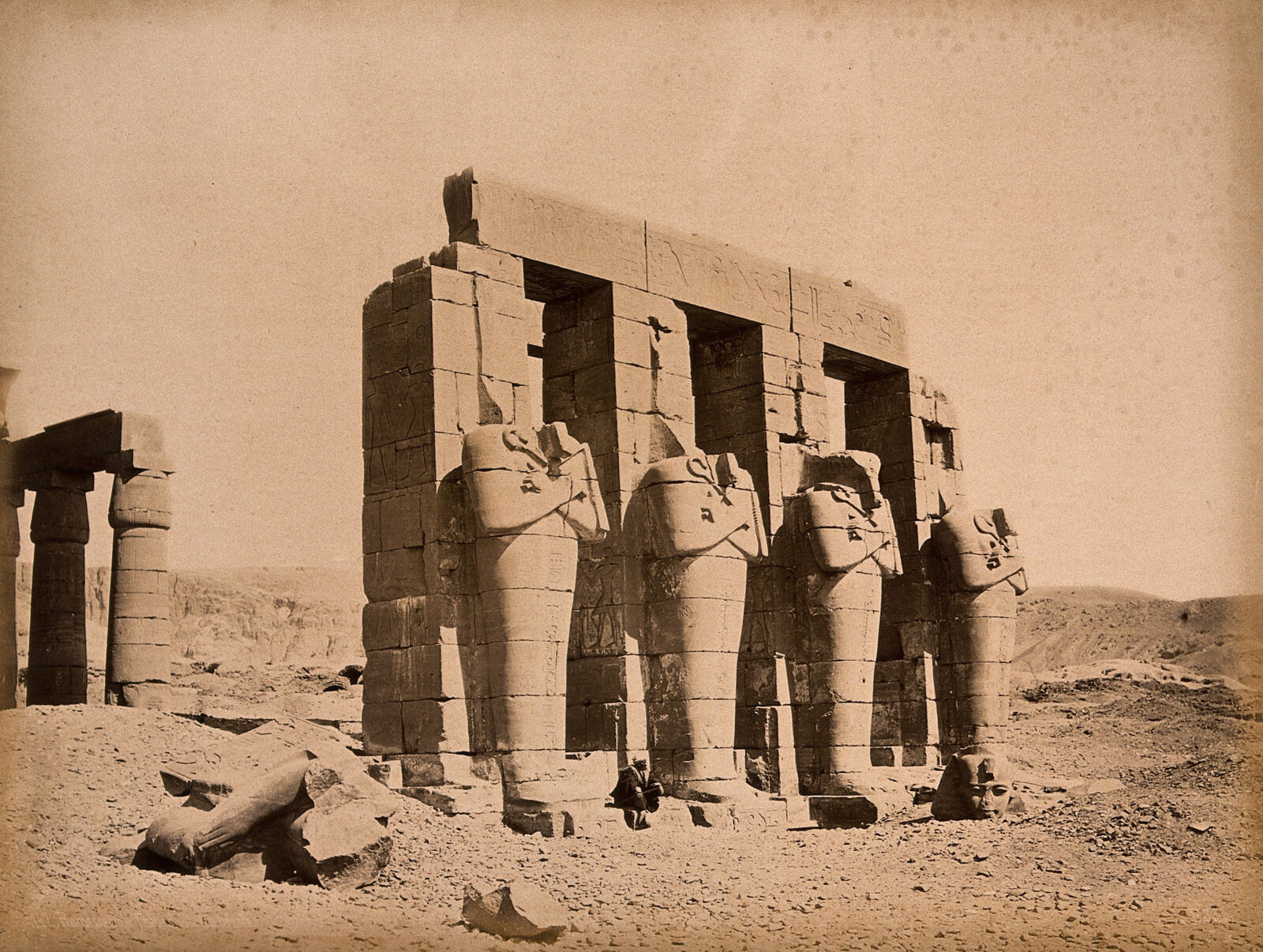
Ramesseum Colossi in Ruins
Pascal Sébah · c. 1875
Ready when you are
Start chatting with Ramses II (Ramses the Great) now.
20 messages free · No credit card · Available in 50+ languages.