


Secondary sourceArtifact1398
Munmyo
1398
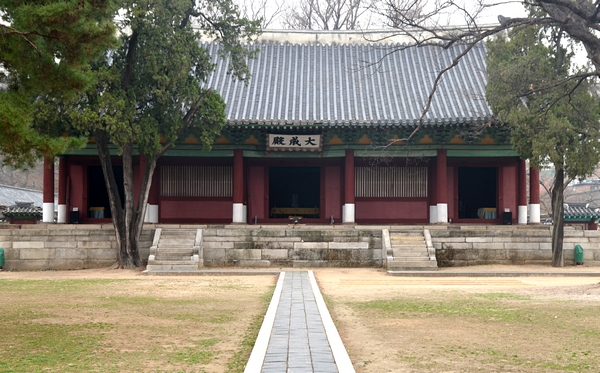
Seoul's main Confucian shrine, founded in 1398, still used for the Seokjeon ritual honouring Confucius and his followers.
This Korean shrine, still used for ritual, shows how Confucius's teachings became the basis of state ceremony in Korea.
About this source
What it is
Munmyo is Korea's primary temple of Confucius, located in central Seoul on the campus of Sungkyunkwan University. Its buildings were first constructed in 1398, destroyed and rebuilt several times, and it houses the shrine Daeseongjeon, the 'Hall of Great Achievement'.
Why it matters
Munmyo shows how the veneration of Confucius spread from China to Korea, becoming official state ritual. Alongside Confucius, his closest disciples, later Chinese philosophers, and eighteen honoured Korean Confucian scholars are enshrined there, showing how his teachings were carried forward and adapted by generations of followers.
Look closer
- Why might a central gate be reserved only for the spirit of Confucius and his disciple?
- What does the continued yearly ritual tell us about how long ideas can last?
- What does honouring Confucius alongside Korean scholars suggest about how his ideas were adapted locally?
This artifact is part of the curated material that grounds the AI version of Confucius on Humy.ai — when students ask about related events, the AI can quote it and cite it.
More Confucius sources
Meet the AI Confucius →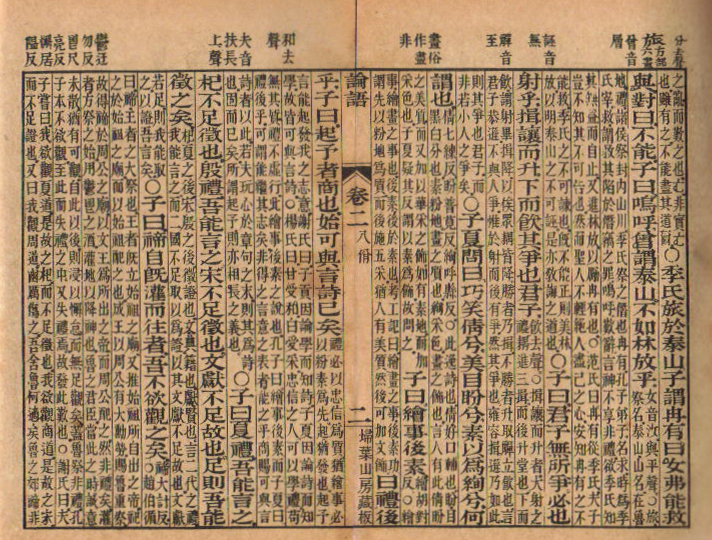 Book
Secondary source
Analects
c. 480 BCE – 2nd century BCE
 Book
Secondary source
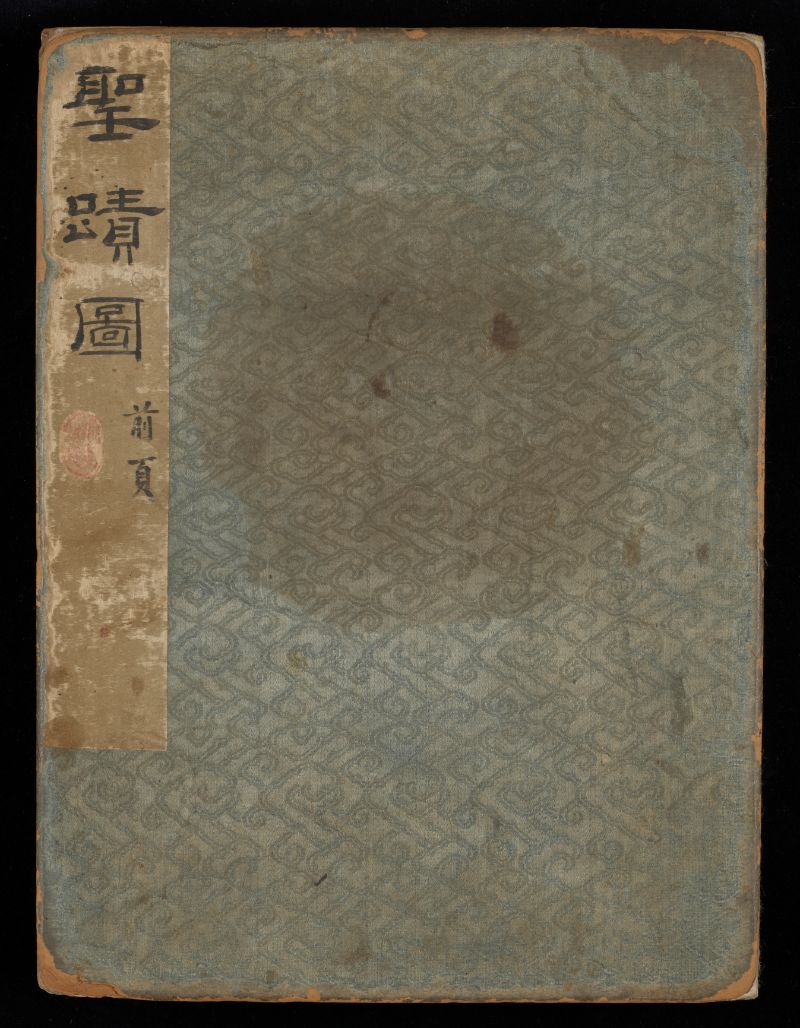
Pictures of the Sage's Traces
Unknown · 1758
Secondary source
Records of the Grand Historian, Vol. 47: Hereditary House of Confucius
Sima Qian · c. 94 BCE
 Photograph
Primary source
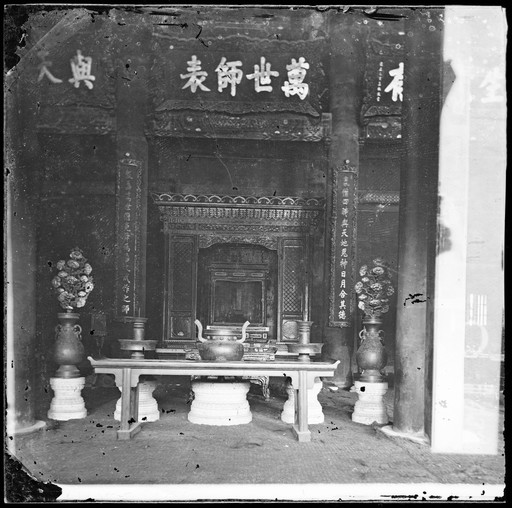
Temple of Confucius, Peking (Interior)
John Thomson · 1871
 Document
Secondary source
Spring and Autumn Annals
Confucius · 5th century BCE
Ready when you are
Start chatting with Confucius now.
20 messages free · No credit card · Available in 50+ languages.