


Secondary sourcePhotograph1922
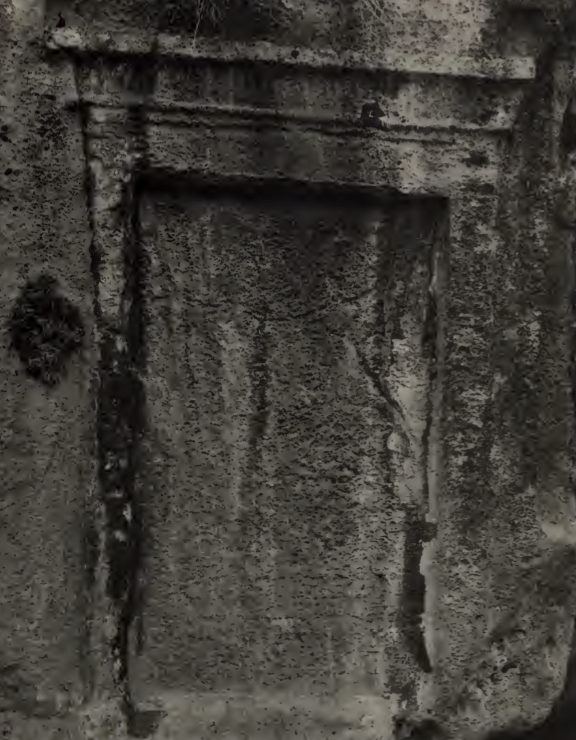
Nahr al-Kalb Southern Inscription Photograph
Franz Heinrich Weißbach · 1922
A 1922 photograph of a weathered Egyptian inscription carved into rock at the Dog River in Lebanon, marking Ramesses II's Syrian campaigns.
Shows the site of Ramesses II's stela marking his early campaigns into Syria, carved beside later rulers' inscriptions.
About this source
What it is
This is a 1922 photograph by Franz Heinrich Weißbach of a stone inscription at Nahr al-Kalb (the Dog River) in Lebanon. The inscription itself was carved in ancient Egyptian style and is badly weathered.
Why it matters
Nahr al-Kalb was a natural passage used by armies moving along the Levantine coast. Rulers carved inscriptions there to mark their campaigns, and Ramesses II's stela stands among later inscriptions left by Assyrian kings at the same spot. This makes the site a kind of ancient monument wall, showing how different empires claimed the same strategic place over centuries.
Look closer
- Why would a king choose to carve a permanent record at a well-traveled location like a river crossing?
- What does it mean that later rulers added their own inscriptions near an earlier one?
- Since the text is no longer legible in this photo, what can we still learn from the photograph itself?
This photograph is part of the curated material that grounds the AI version of Ramses II (Ramses the Great) on Humy.ai — when students ask about related events, the AI can quote it and cite it.
More Ramses II (Ramses the Great) sources
Meet the AI Ramses II (Ramses the Great) →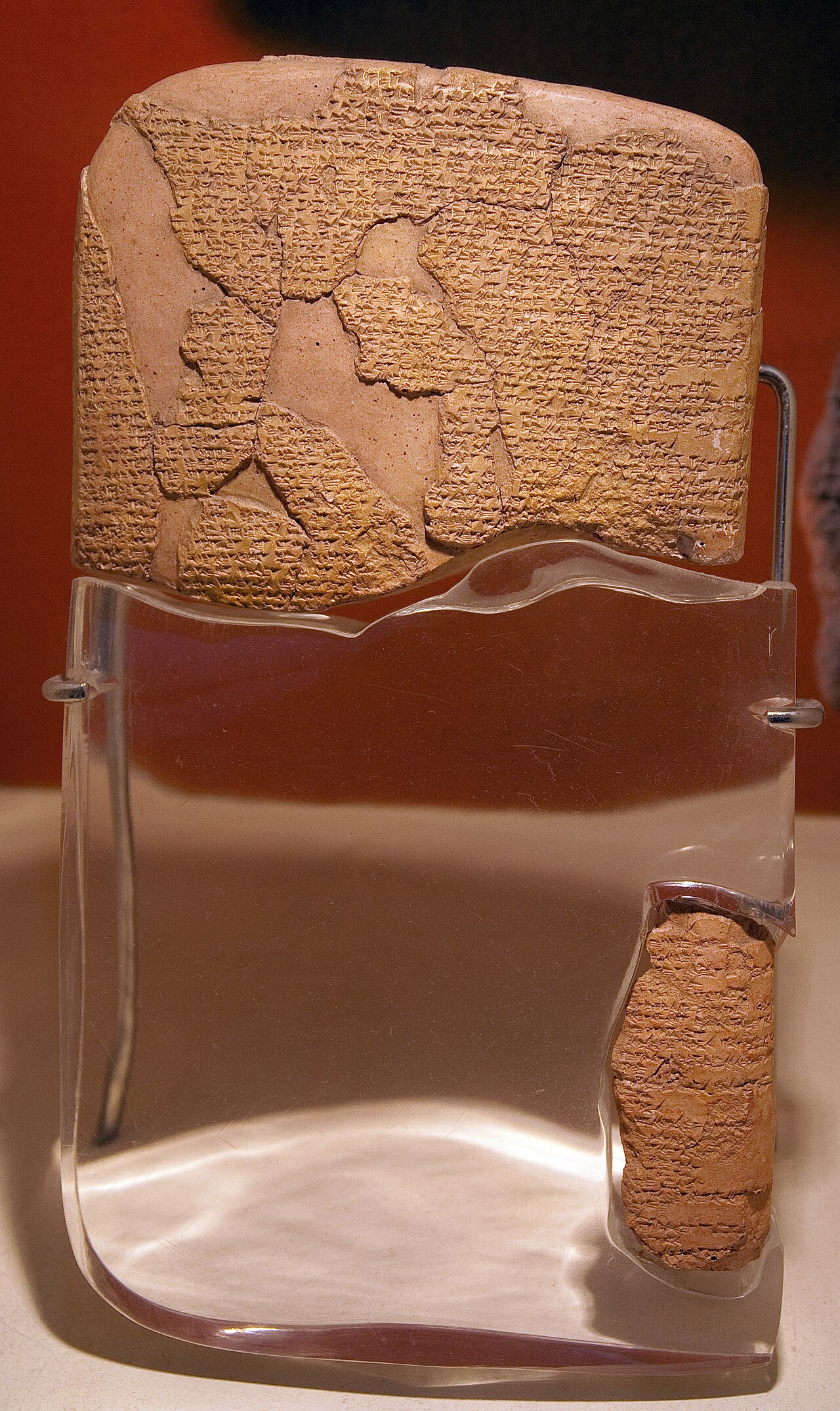 Document
Primary source
Egyptian–Hittite Peace Treaty
c. 1258 BCE
 Photograph
Secondary source
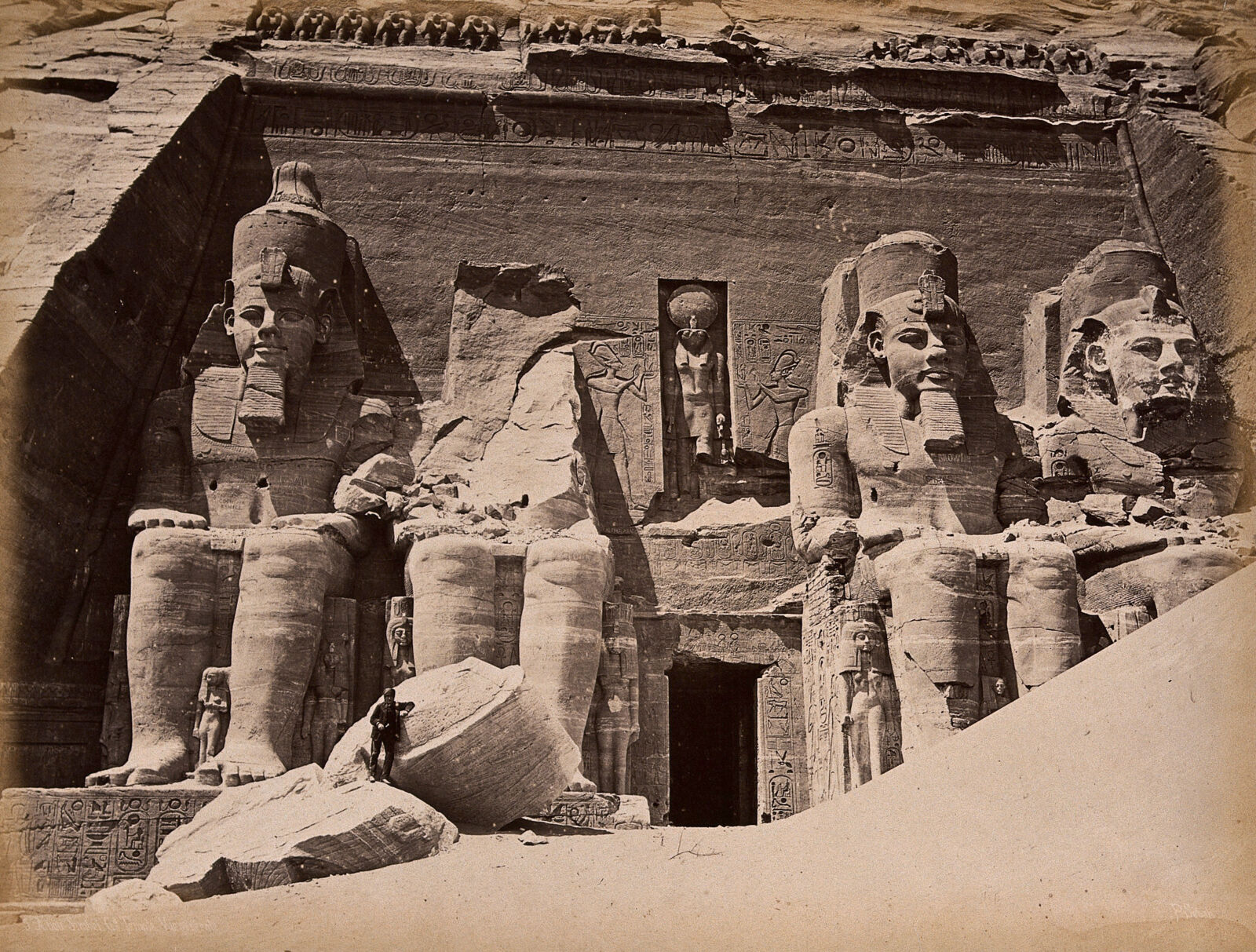
Abu Simbel Temple Colossi
Pascal Sébah · 1875
 Artifact
Primary source
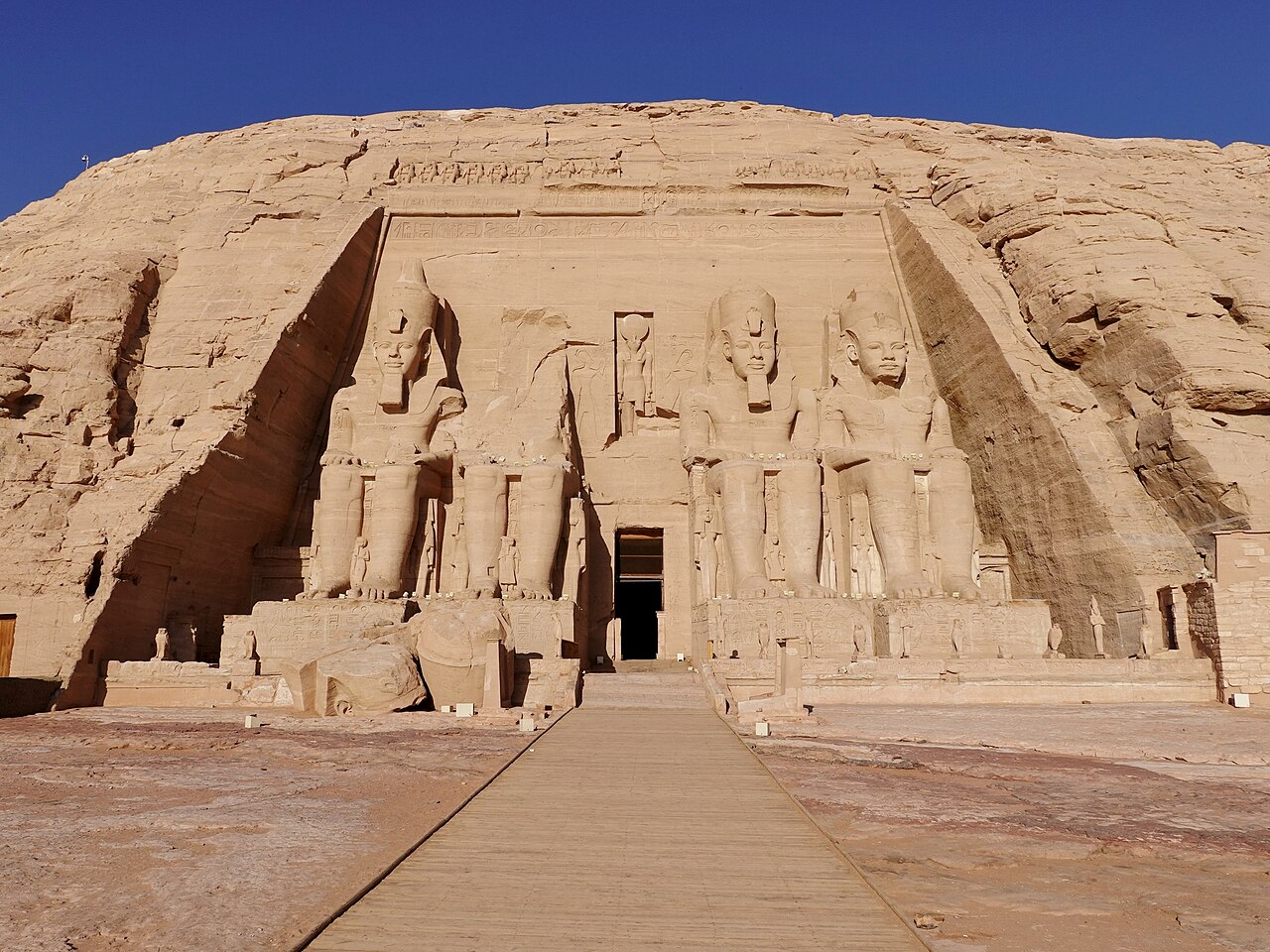
Abu Simbel
Ramesses II · c. 1273 BCE
 Photograph
Secondary source
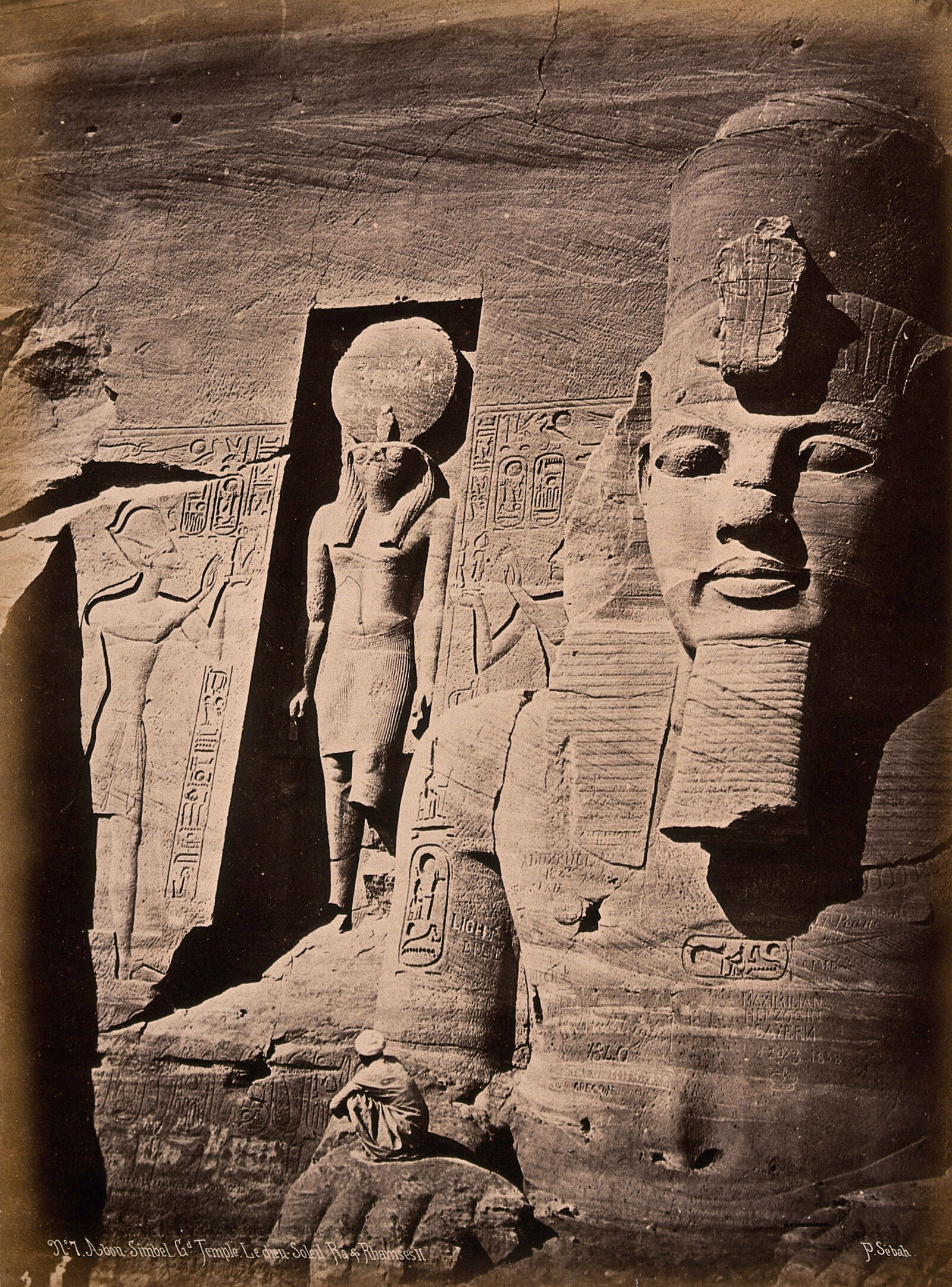
Facade Detail of Abu Simbel Showing Ramesses II and Ra
Pascal Sébah · 1875
 Photograph
Secondary source
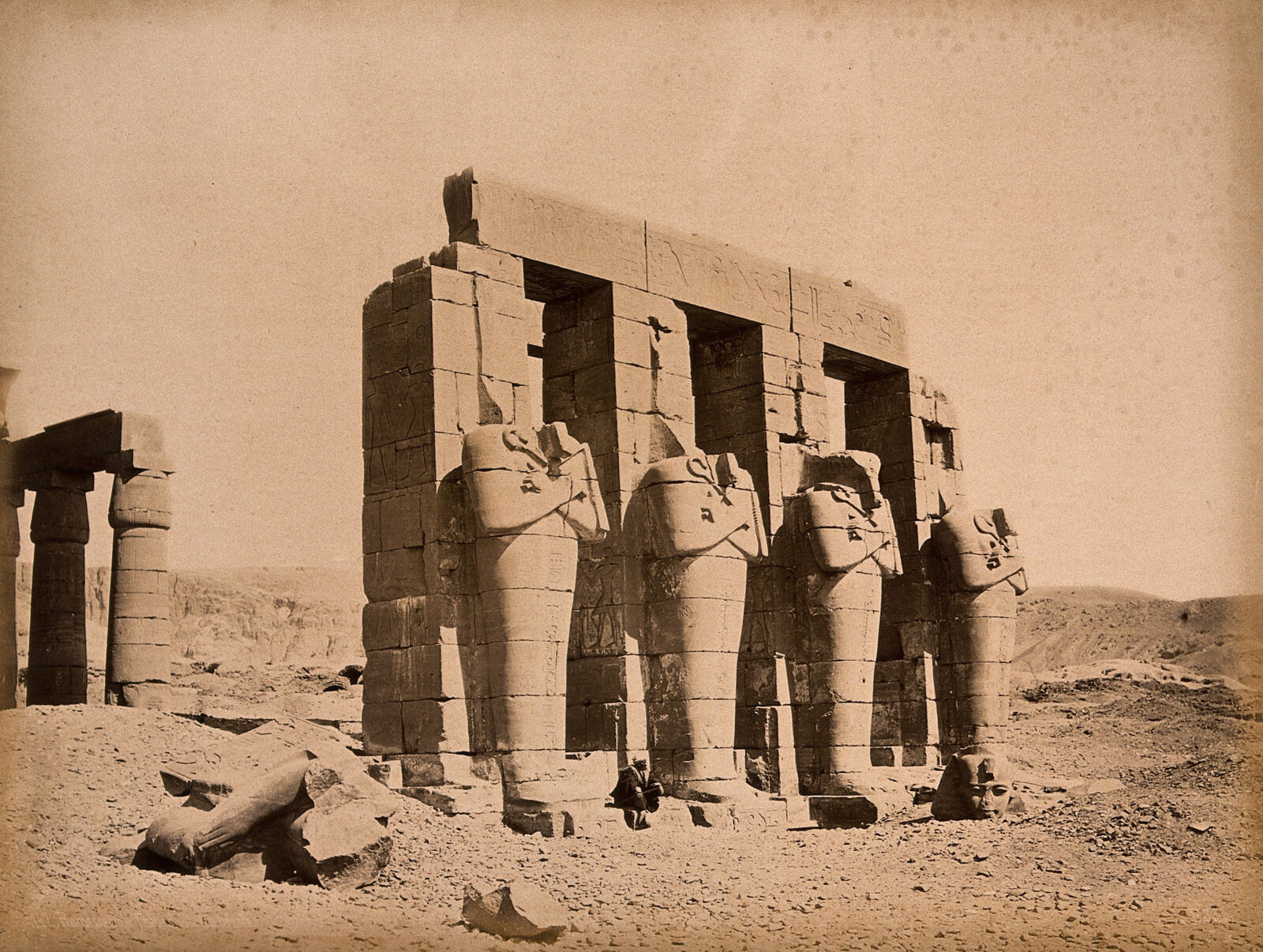
Ramesseum Colossi in Ruins
Pascal Sébah · c. 1875
Ready when you are
Start chatting with Ramses II (Ramses the Great) now.
20 messages free · No credit card · Available in 50+ languages.