


Primary sourceBook1752
Narcisse ou l'Amant de lui-même
Jean-Jacques Rousseau · 1752
A youthful comedy by Rousseau, staged at the Comédie-Française in 1752, with a preface defending his famous paradox as a writer attacking letters.
This is Rousseau's own early play and preface, written to defend himself against charges of hypocrisy.
About this source
What it is
This is a play written by Jean-Jacques Rousseau, performed at the Comédie-Française in 1752. Rousseau wrote it as a young man but held back publishing it for years. The surviving text includes his preface, written in his own voice, explaining his reasons for finally releasing it.
Why it matters
The preface is important because in it Rousseau tries to answer critics who accused him of hypocrisy: he was famous for attacking arts and letters, yet here he was, an author and playwright himself. This shows how Rousseau struggled publicly with the tension between his ideas and his own life as a writer.
Look closer
- Why might Rousseau have waited years before publishing a play he wrote as a teenager?
- What does the preface tell us about how Rousseau wanted readers to judge him?
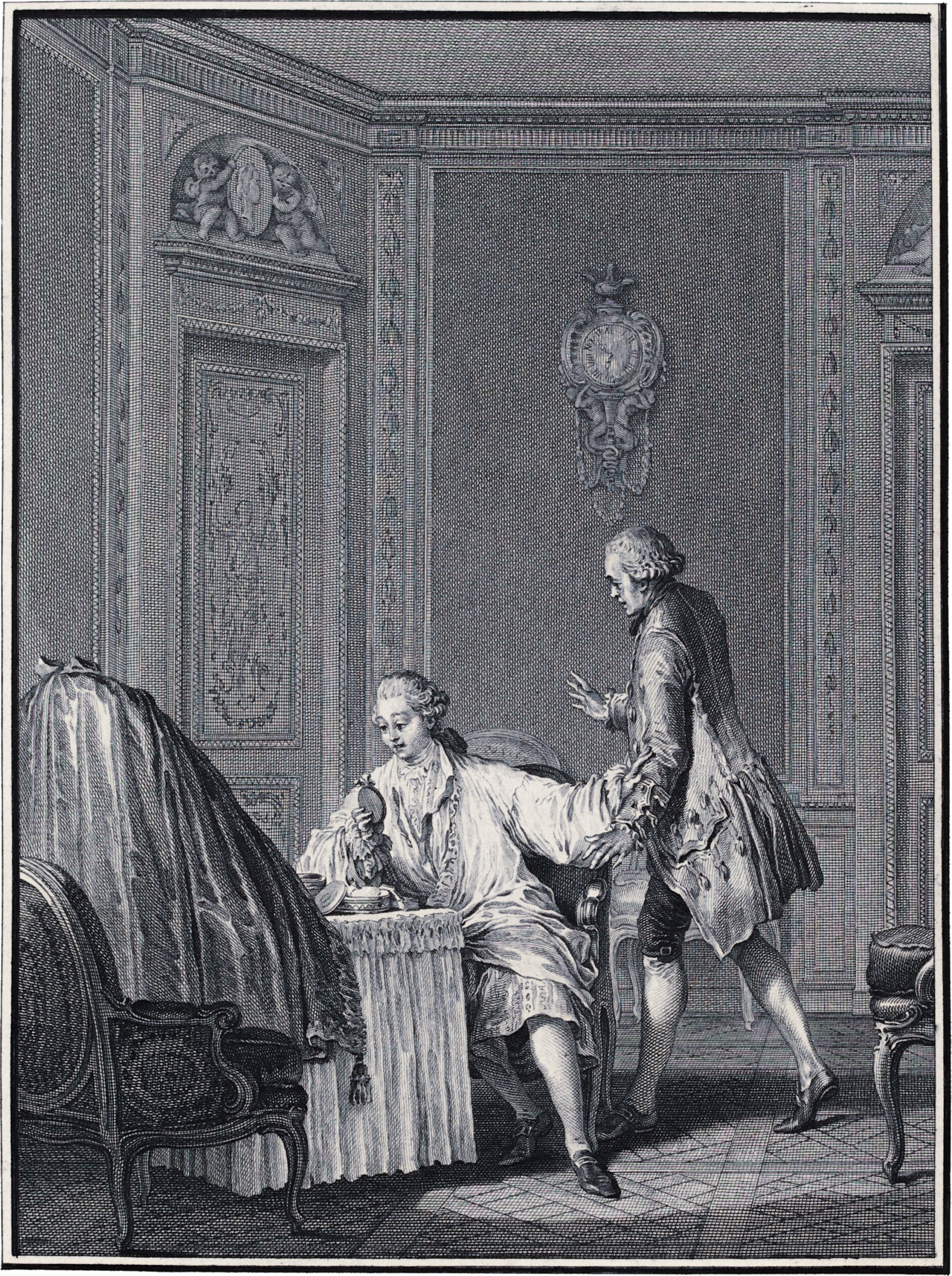
- How does the illustrated scene relate to the comedy's theme of self-love?
This book is part of the curated material that grounds the AI version of Jean-Jacques Rousseau on Humy.ai — when students ask about related events, the AI can quote it and cite it.
More Jean-Jacques Rousseau sources
Meet the AI Jean-Jacques Rousseau →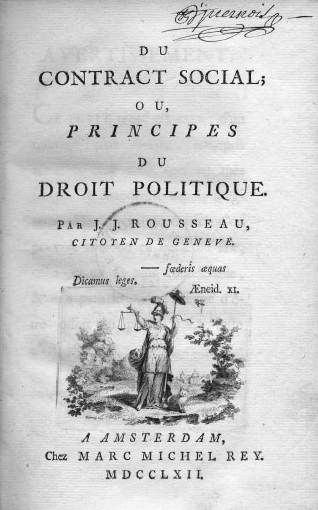 Book
Primary source
The Social Contract
Jean-Jacques Rousseau · 1762
 Painting
Primary source
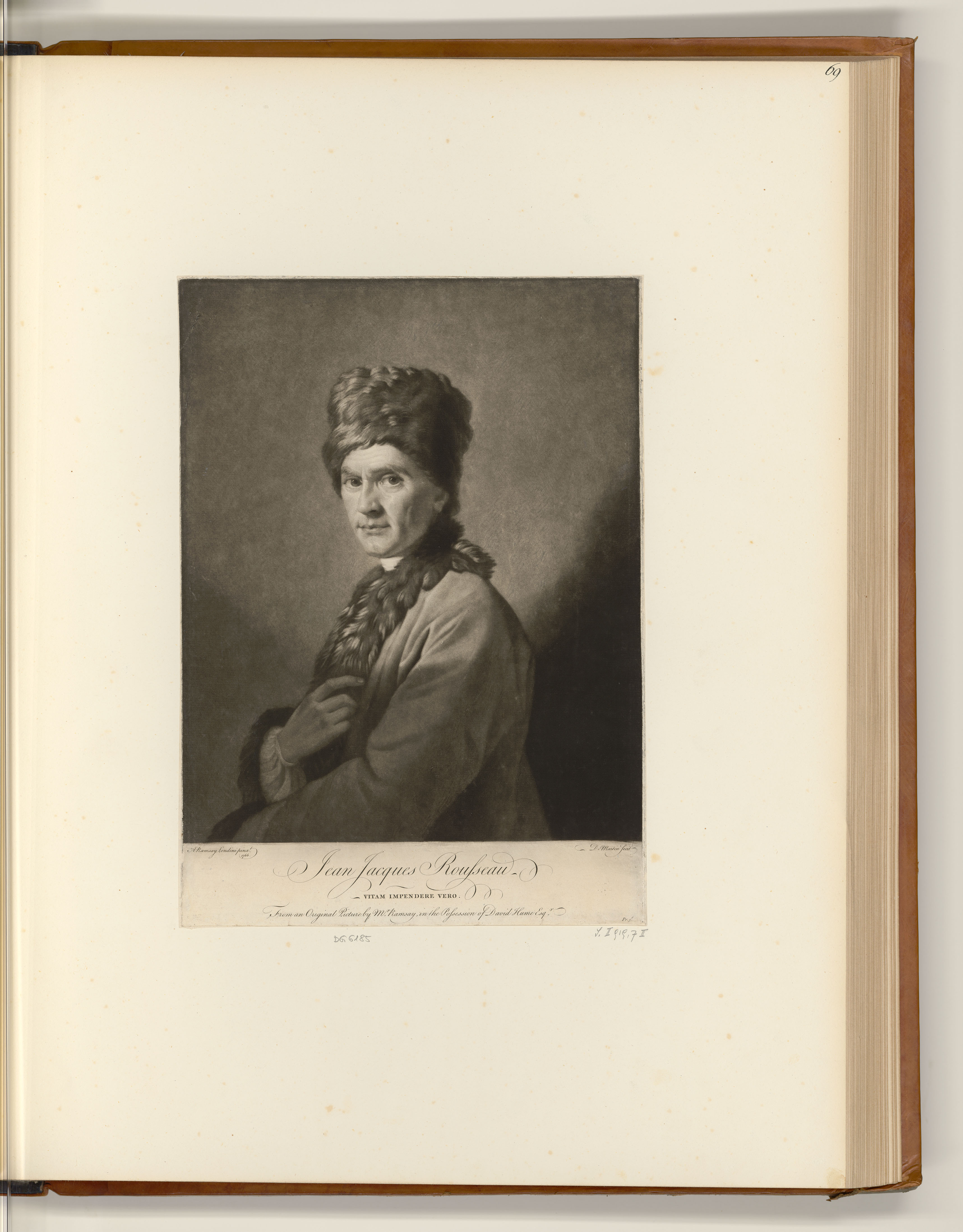
Portrait of Jean Jacques Rousseau
David Martin · 1766
 Book
Primary source
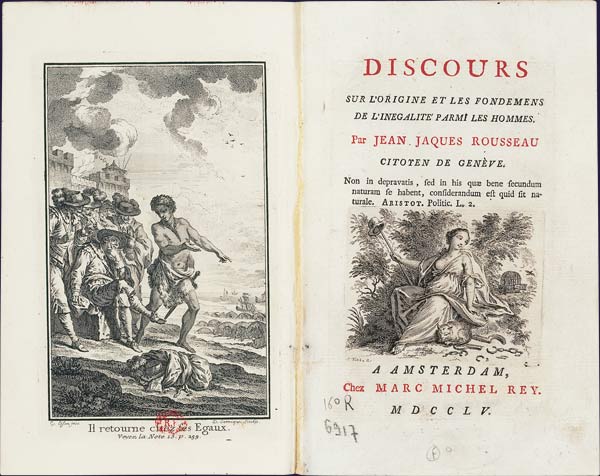
Discourse on Inequality
Jean-Jacques Rousseau · 1754 (published 1755)
 Painting
Secondary source
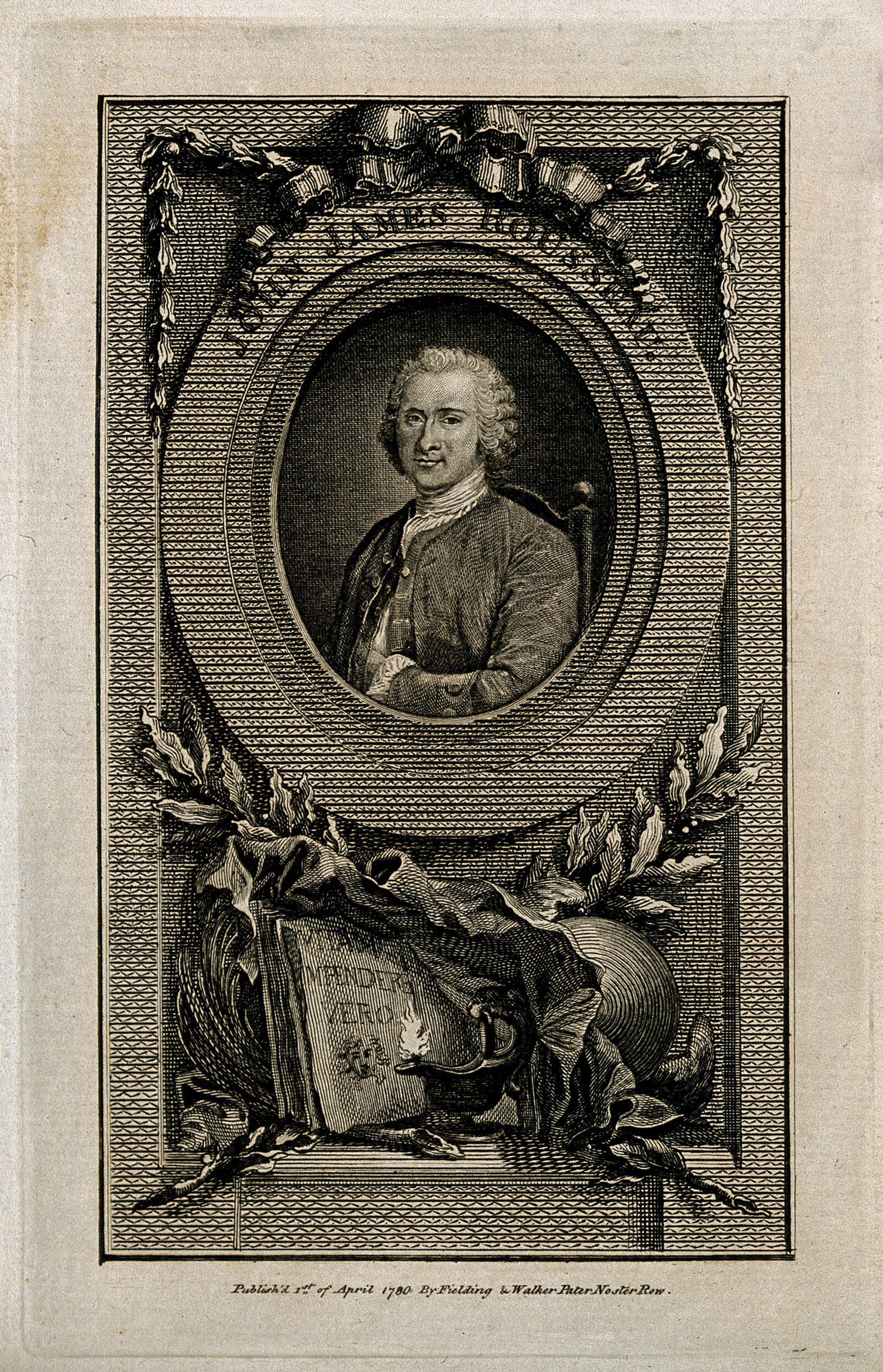
Engraving of Rousseau after La Tour's Portrait
E. Ficquet, after Maurice Quentin de La Tour · 1780
 Book
Primary source
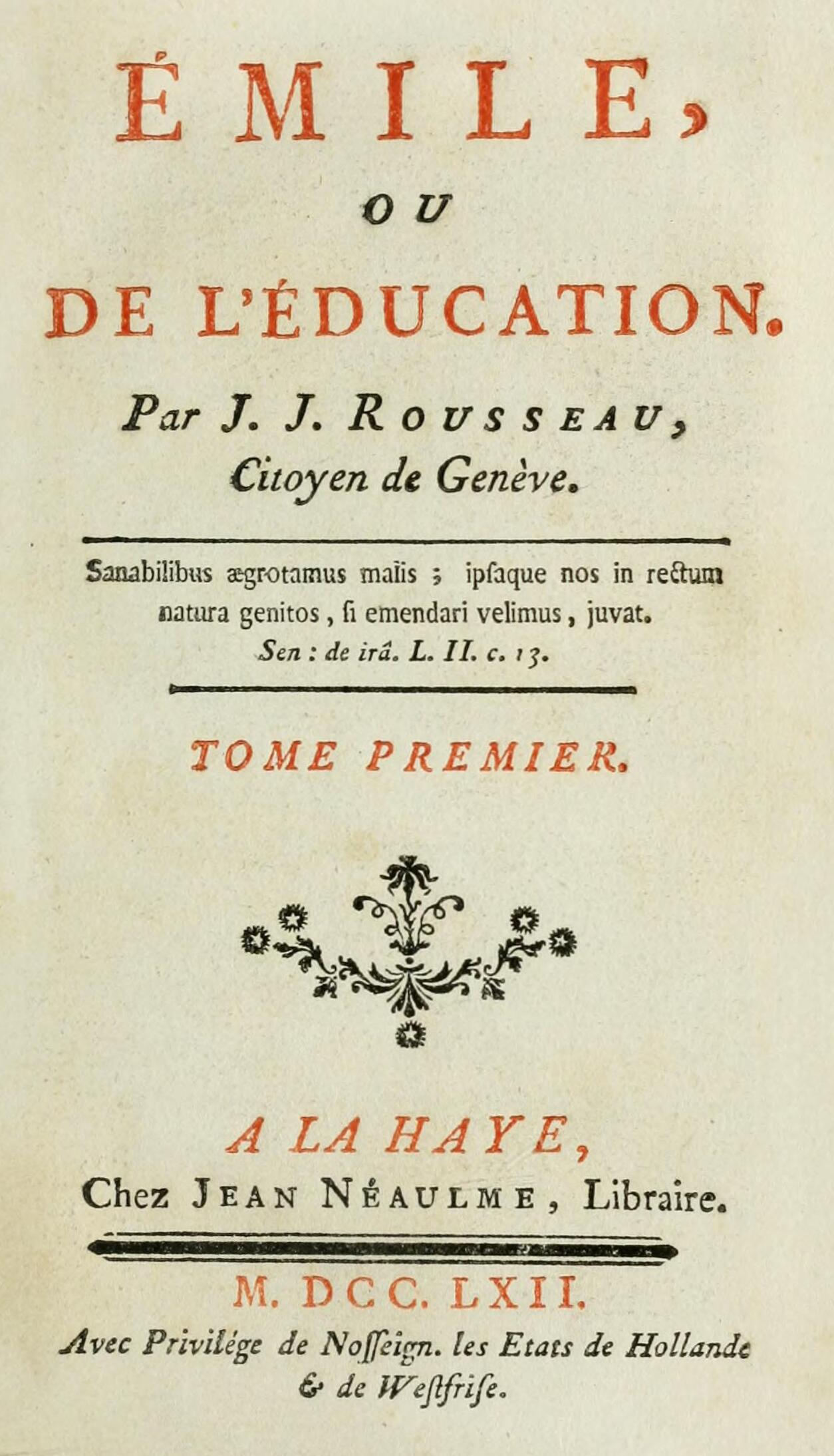
Emile, or On Education
Jean-Jacques Rousseau · 1762
Ready when you are
Start chatting with Jean-Jacques Rousseau now.
20 messages free · No credit card · Available in 50+ languages.