


Primary sourceBook1863
Night and Moonlight
Henry David Thoreau · 1863
An 1863 nature essay by Henry David Thoreau, printed in The Atlantic Monthly, about exploring the night and moonlit landscape.
A late essay in Thoreau's own words that shows how he explored the night and recorded his observations in his journal.
About this source
What it is
"Night and Moonlight" is an essay by Henry David Thoreau, printed in The Atlantic Monthly, volume 12, number 72, in 1863, on pages 579 to 583. It opens with Thoreau recalling a walk by moonlight and his decision to make more such walks. He uses the ancient writer Pliny's account of a moon-changing stone and compares the midnight to unexplored Central Africa. The text is listed on Wikisource.
Why it matters
The essay comes from the later part of Thoreau's career, when he was writing for a major American monthly magazine. It shows how he treated his own journal as a record of close observation, and how he drew on classical and travel writing to describe ordinary nature. Readers can see him claiming the night as a place worth exploring, which was a new subject for many of his readers.
Look closer
- Thoreau compares the night to Central Africa. What does this comparison suggest about how he saw the familiar world?
- He cites Pliny for the stone called Selenites. Why might an essayist of this period borrow from ancient sources?
- Thoreau says he will be a benefactor if he shows people that beauty is awake while they sleep. Who is he writing for, and what does he hope they will do?
This book is part of the curated material that grounds the AI version of Henry David Thoreau on Humy.ai — when students ask about related events, the AI can quote it and cite it.
More Henry David Thoreau sources
Meet the AI Henry David Thoreau →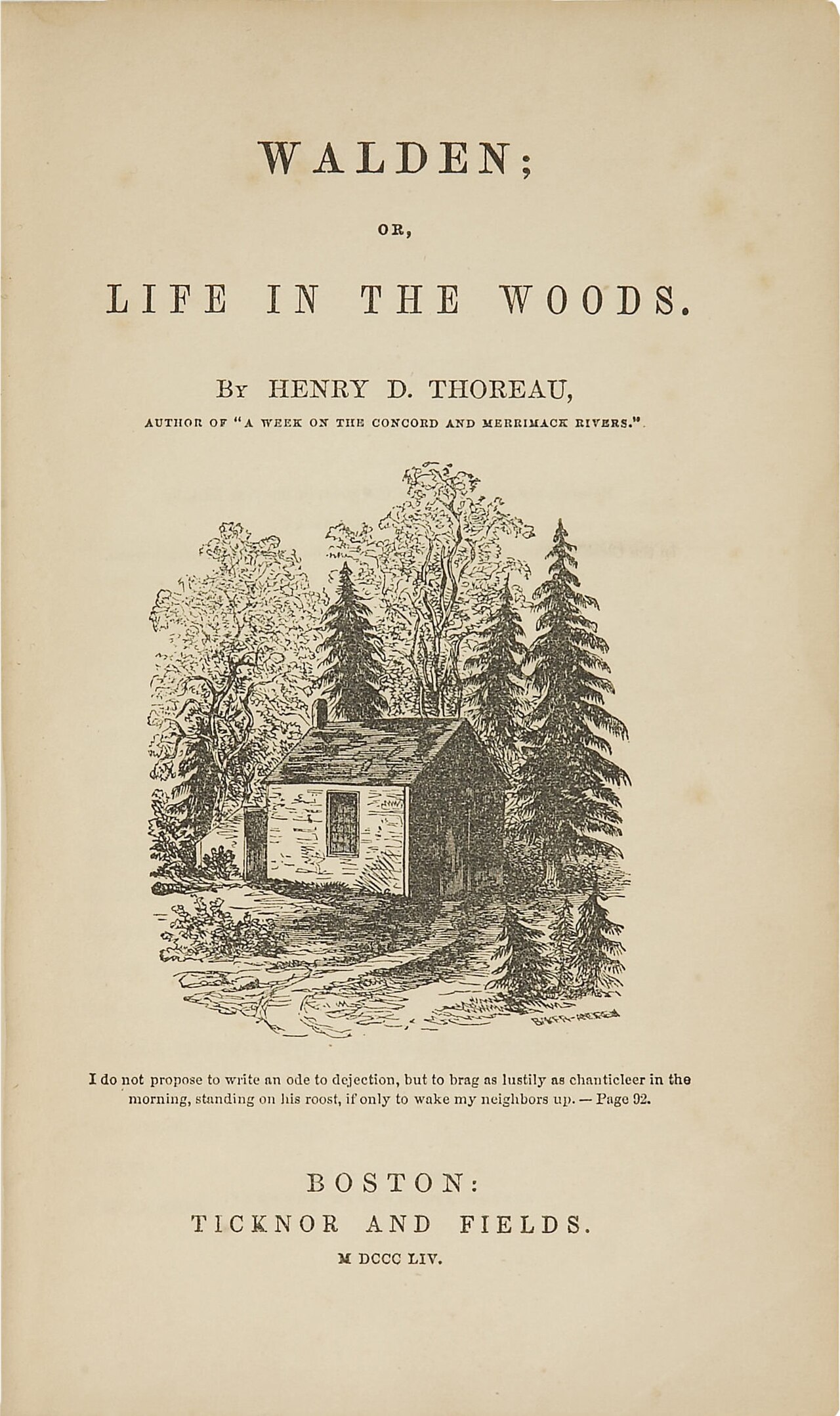 Book
Primary source
Walden
Henry David Thoreau · 1854
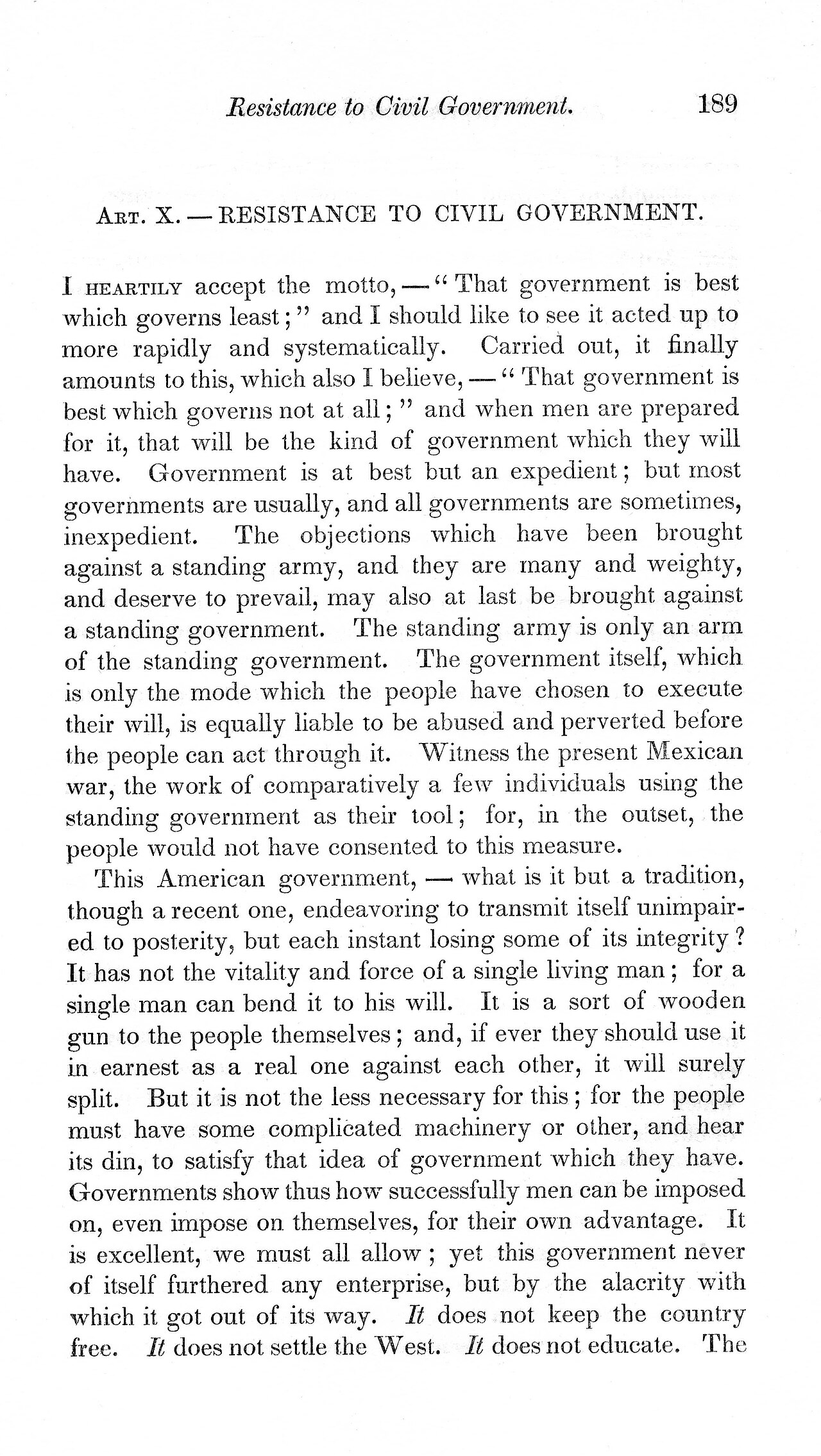 Book
Primary source
Civil Disobedience
Henry David Thoreau · 1849
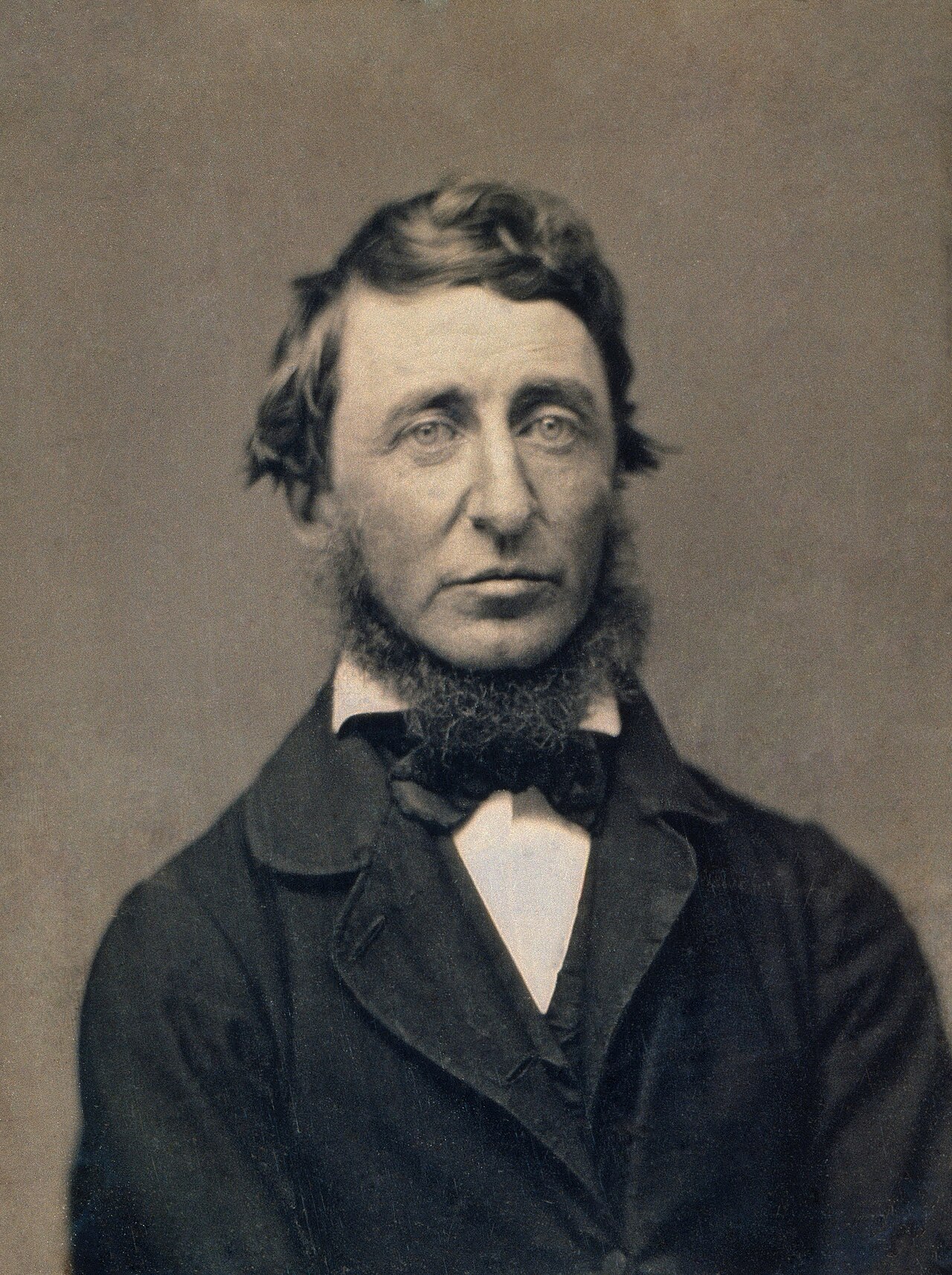 Photograph
Primary source
Daguerreotype Portrait of Henry David Thoreau
Benjamin D. Maxham · 18 June 1856
Primary source
Slavery in Massachusetts
Henry David Thoreau · 4 July 1854
Primary source
A Plea for Captain John Brown
Henry David Thoreau · 30 October 1859
Ready when you are
Start chatting with Henry David Thoreau now.
20 messages free · No credit card · Available in 50+ languages.