


Primary sourceArtifact1826
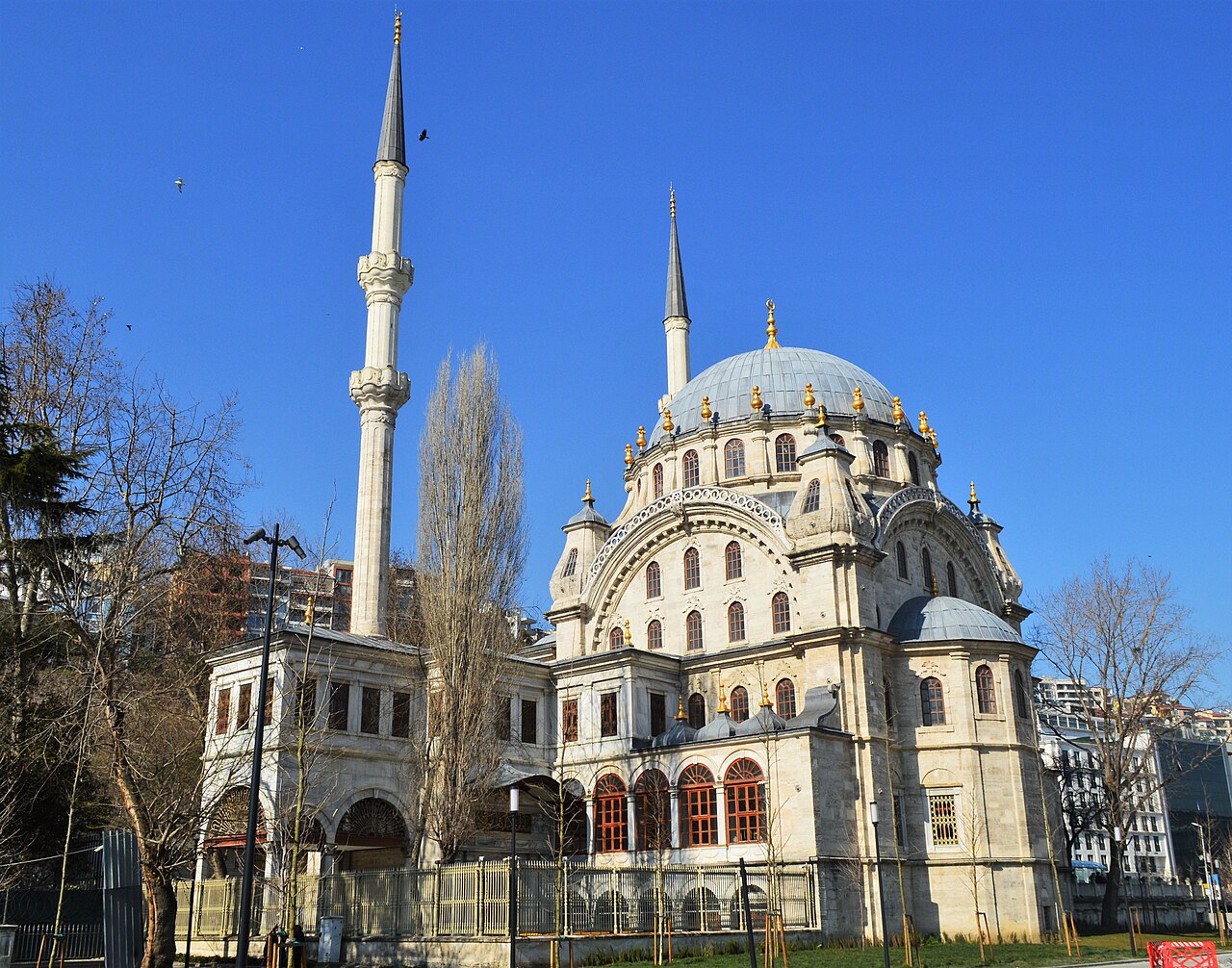
Nusretiye Mosque
Krikor Balian · 1826
A mosque commissioned by Mahmud II in Istanbul, named 'Victory' to commemorate his abolition of the Janissary corps.
Mahmud II commissioned this mosque to commemorate his abolition of the Janissary corps, a defining act of his reign.
About this source
What it is
The Nusretiye Mosque stands in the Tophane district of Istanbul. It was commissioned by Sultan Mahmud II and built between 1822 and 1826 by the architect Krikor Balian, a member of the prominent Balian family of Armenian-Ottoman architects. It is considered one of the last Ottoman Baroque mosques, with some scholars describing its style as moving toward Neoclassicism.
Why it matters
The mosque's name means 'Victory' and commemorates Mahmud's destruction of the Janissary corps in 1826, a dramatic and violent event that ended centuries of military resistance to reform. Built near the Tophane artillery barracks, the mosque physically linked religious architecture to Mahmud's modernizing military reforms. Its innovative construction details and style reflect the broader cultural shifts of the era, including the work of non-Muslim Ottoman architects like Balian in major imperial projects.
Look closer
- Why might a sultan choose to build a mosque to commemorate a military and political victory?
- What does the choice of architect tell you about Ottoman society at the time?
- How does the building's style reflect a mix of tradition and change?
This artifact is part of the curated material that grounds the AI version of Mahmud II on Humy.ai — when students ask about related events, the AI can quote it and cite it.
More Mahmud II sources
Browse all 88 →
Ready when you are
Start chatting with Mahmud II now.
20 messages free · No credit card · Available in 50+ languages.