


Primary sourceArtifact1831
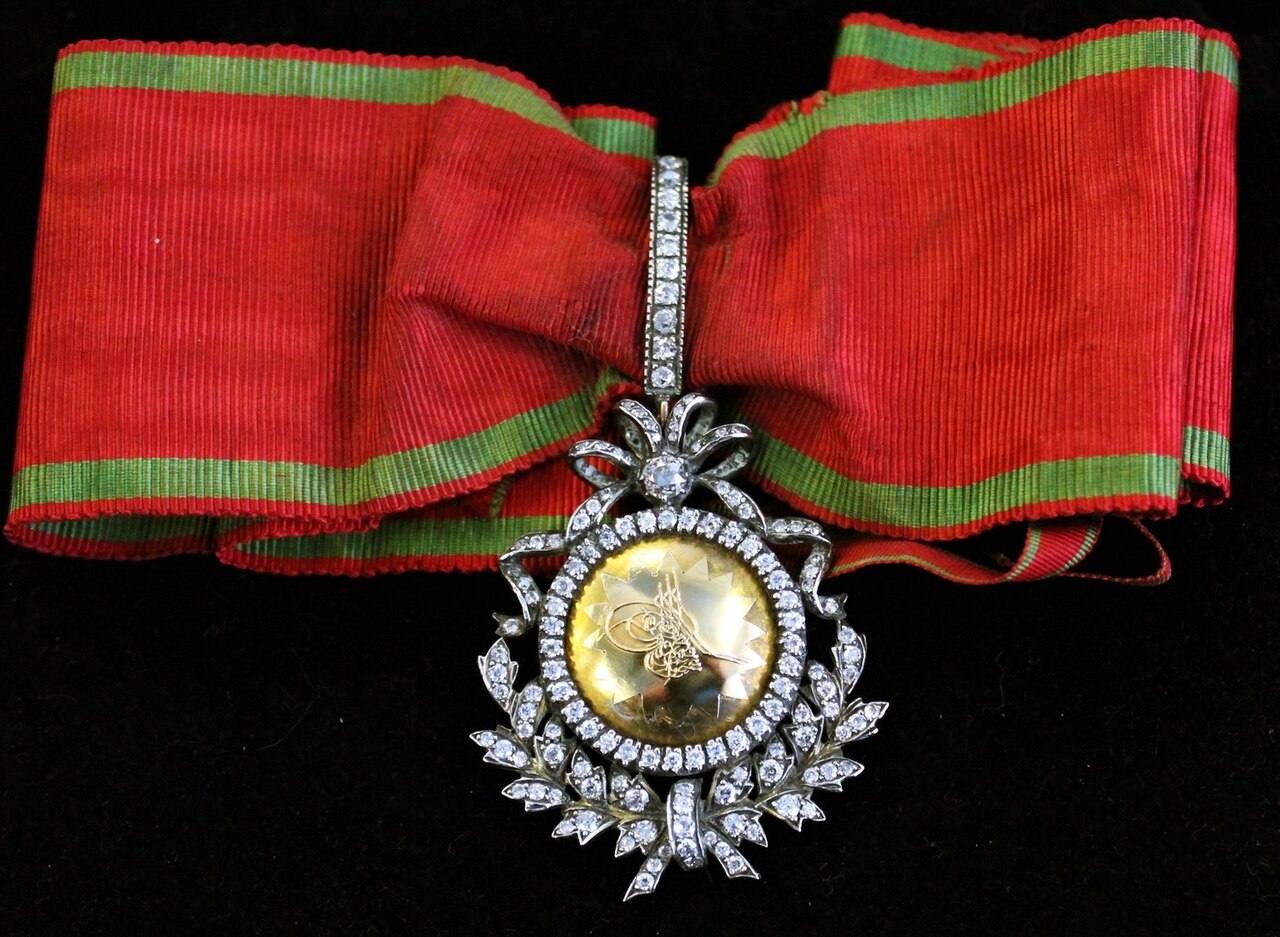
Order of Glory
1831
A high Ottoman chivalric decoration created by Sultan Mahmud II in 1831, breaking with Ottoman tradition by bearing the ruler's cipher.
Mahmud II personally founded this decoration in 1831, using it to project a modern, European-style image of his rule.
About this source
What it is
The Order of Glory (Nişân-ı iftihâr) was the second-highest chivalric order of the Ottoman Empire, founded on 19 August 1831 by Sultan Mahmud II. It continued to be awarded under later sultans, and a related order was even created in Tunisia.
Why it matters
European-style honours like this were new to the Ottoman Empire. By creating a decoration bearing his own cipher, Mahmud II broke with older Ottoman reticence about displaying the ruler's image or monogram publicly. It reflects his broader programme of reshaping the empire along Western lines.
Look closer
- What symbols can you see on the medallion, and what might they represent?
- Why might a ruler want to introduce a new type of honour modelled on European examples?
- What does this object suggest about how Mahmud wanted to present himself and his state?
This artifact is part of the curated material that grounds the AI version of Mahmud II on Humy.ai — when students ask about related events, the AI can quote it and cite it.
More Mahmud II sources
Browse all 88 →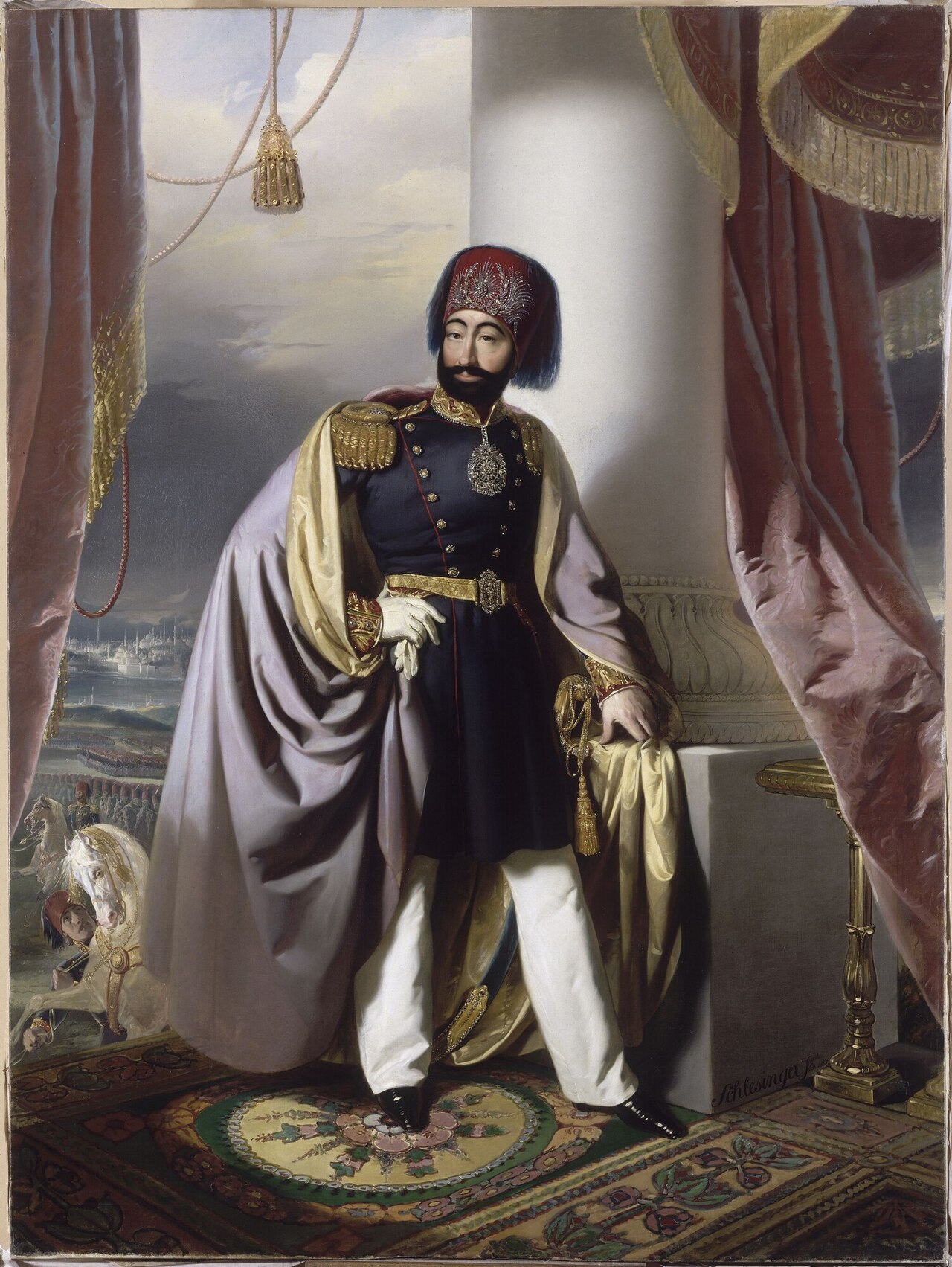 Painting
Primary source
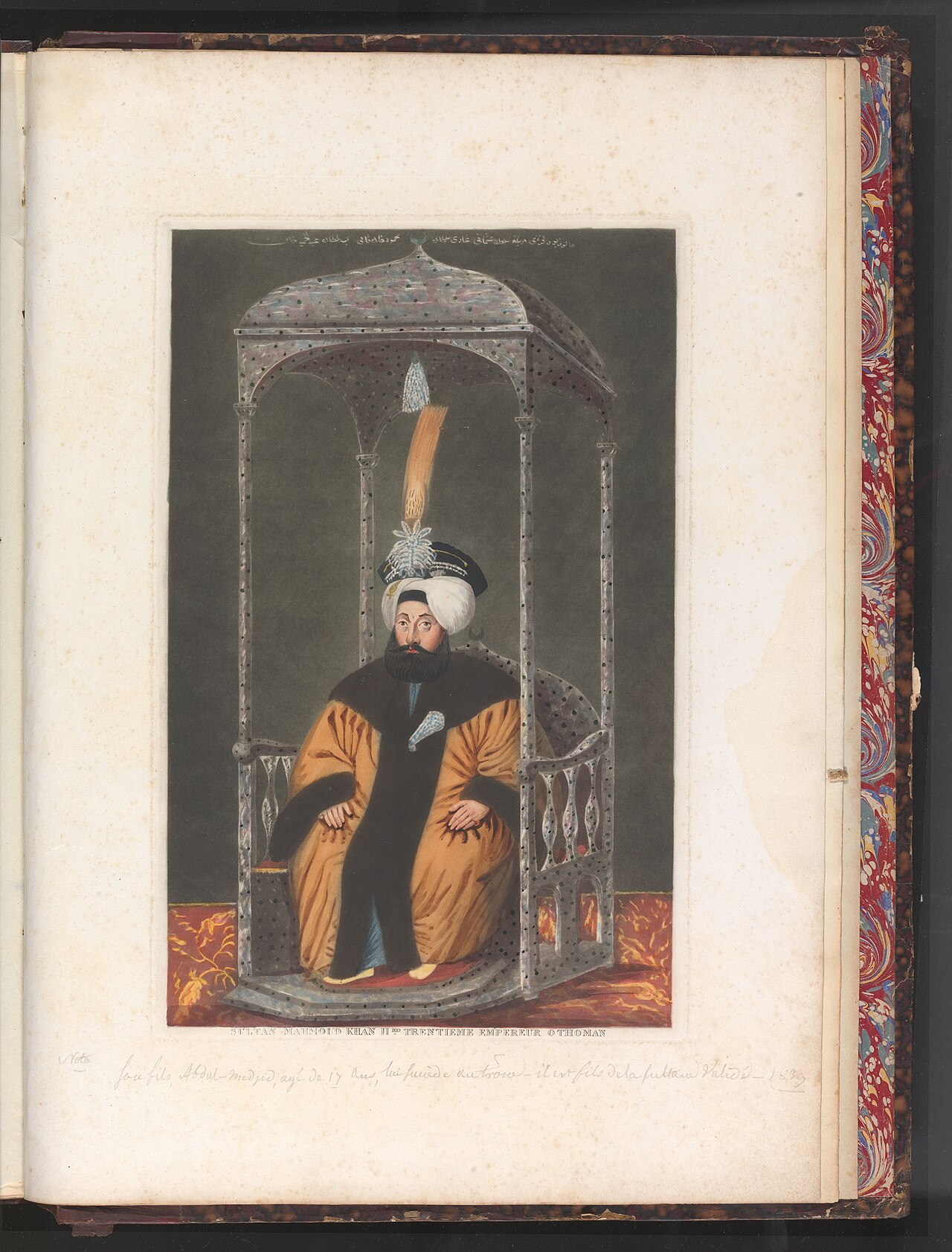
Portrait of Mahmud II
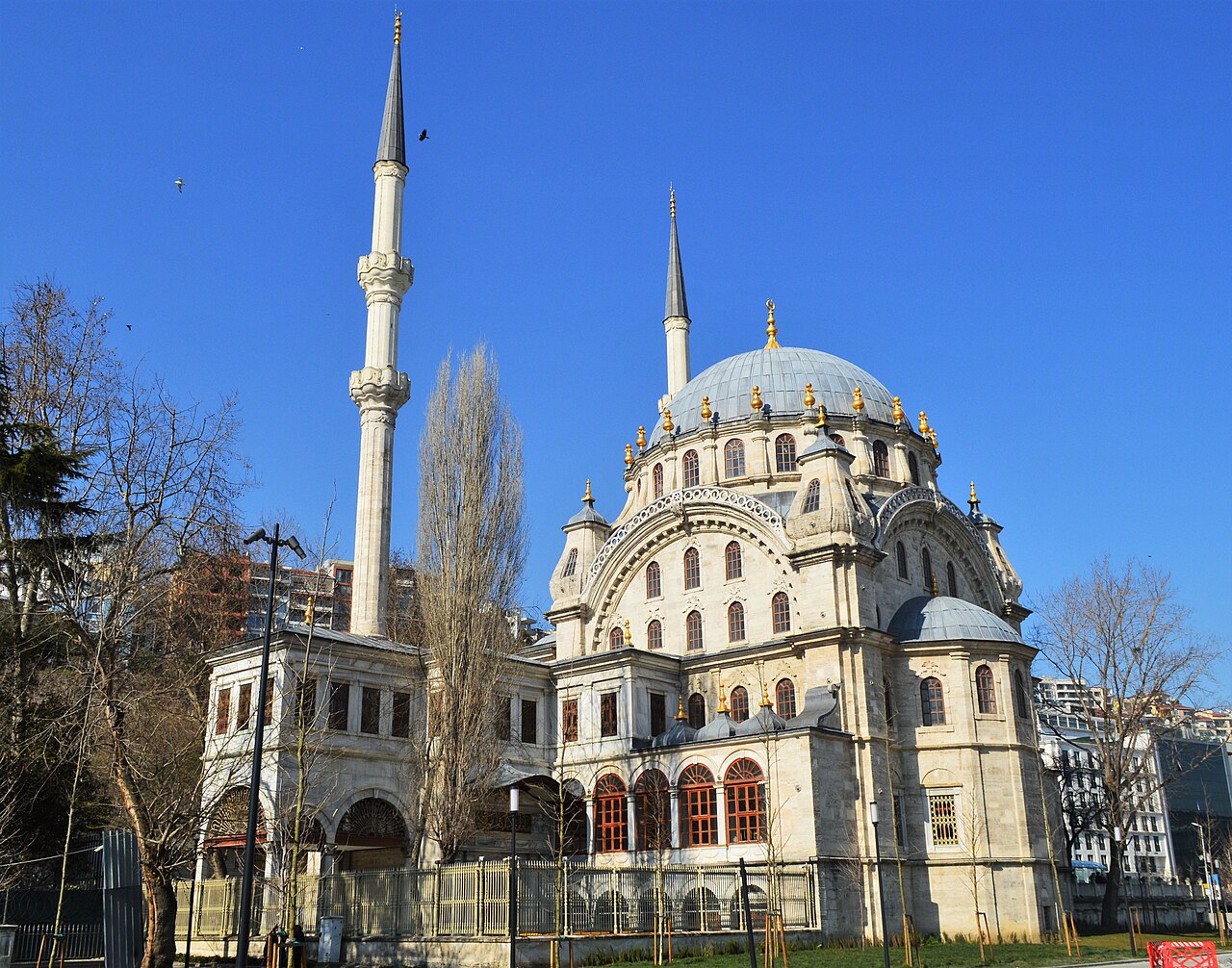 Artifact
Primary source
Nusretiye Mosque
Krikor Balian · 1826
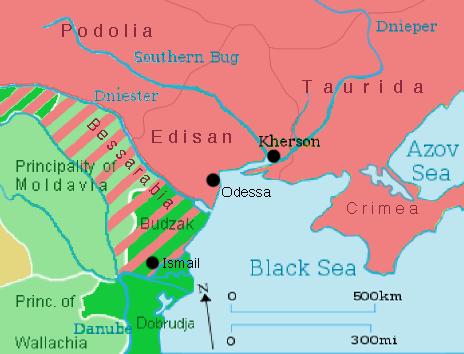 Document
Primary source
Treaty of Bucharest
28 May 1812
 Artifact
Primary source
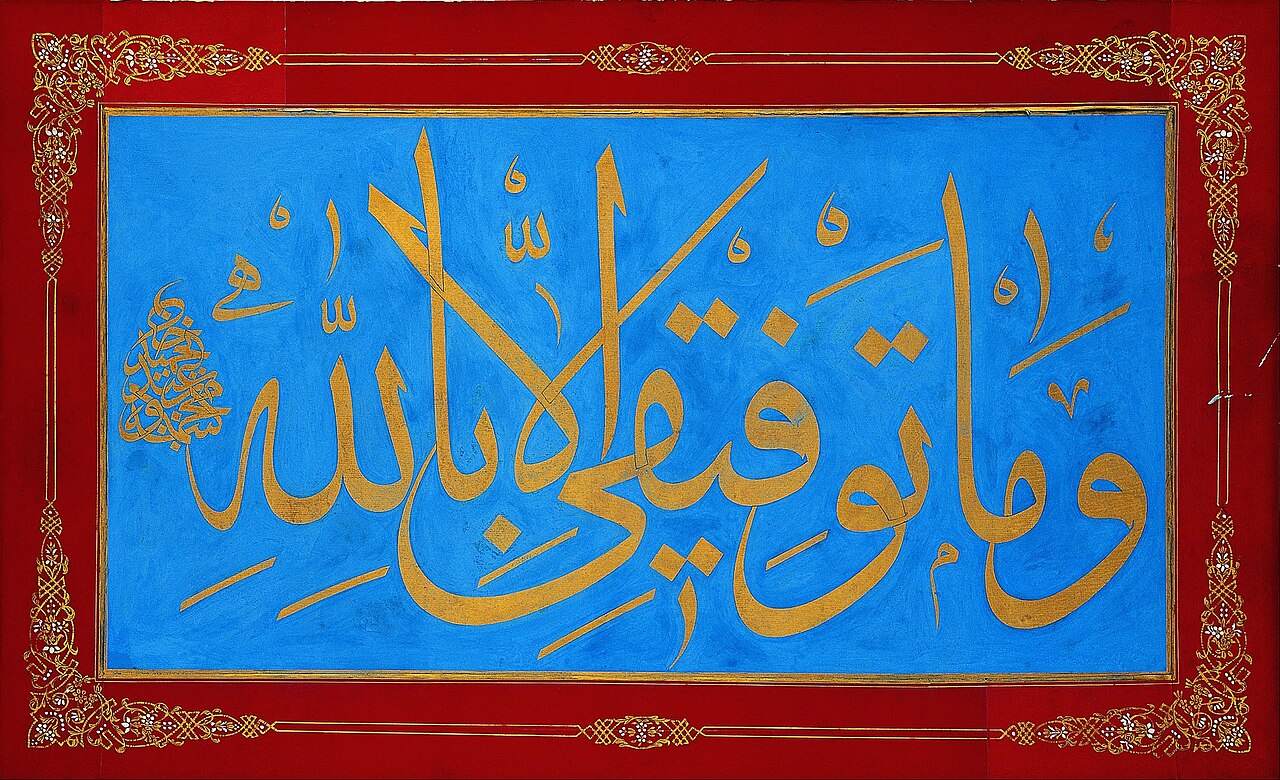
Calligraphic Panel (Levha) by Sultan Mahmud II
Mahmud II · c. 1800
Free account
Read every Mahmud II source
Sign up free →
Ready when you are
Start chatting with Mahmud II now.
20 messages free · No credit card · Available in 50+ languages.