


Primary sourceDocument28 May 1812
Treaty of Bucharest
28 May 1812
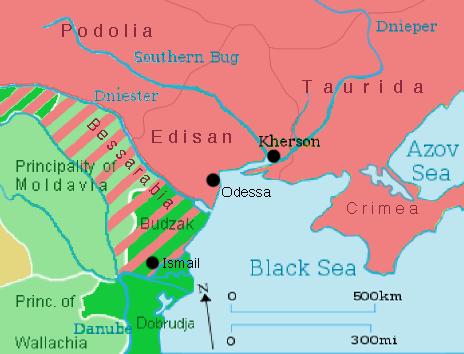
The 1812 peace treaty ending the Russo-Turkish War, signed early in Mahmud II's reign and ceding Bessarabia to Russia.
This treaty, signed early in Mahmud II's reign, records the territorial losses that helped drive his later reform program.
About this source
What it is
The Treaty of Bucharest was signed on 28 May 1812 between the Ottoman Empire and the Russian Empire, ending the Russo-Turkish War of 1806–1812. It was negotiated by Ottoman officials including Mehmed Said Galib Efendi and Russian plenipotentiaries including Andre Italinsky, with British diplomat Stratford Canning helping move negotiations forward. The treaty ceded Bessarabia to Russia and granted Russia trading rights on the Danube.
Why it matters
Signed early in the reign of Mahmud II, this treaty recorded a significant territorial loss for the Ottoman Empire at a moment when it also wished to avoid being drawn into the conflict between Napoleon and Russia. Such losses were part of the pressures that pushed Mahmud toward his later program of military and administrative reform. The treaty also shaped future Russo-Ottoman relations for decades.
Look closer
- Why did both the Ottomans and Russians want peace at this particular moment?
- What role did a third country, Britain, play in reaching this agreement?
- How might a loss of territory like this have influenced Mahmud II's later reforms?
This document is part of the curated material that grounds the AI version of Mahmud II on Humy.ai — when students ask about related events, the AI can quote it and cite it.
More Mahmud II sources
Browse all 88 →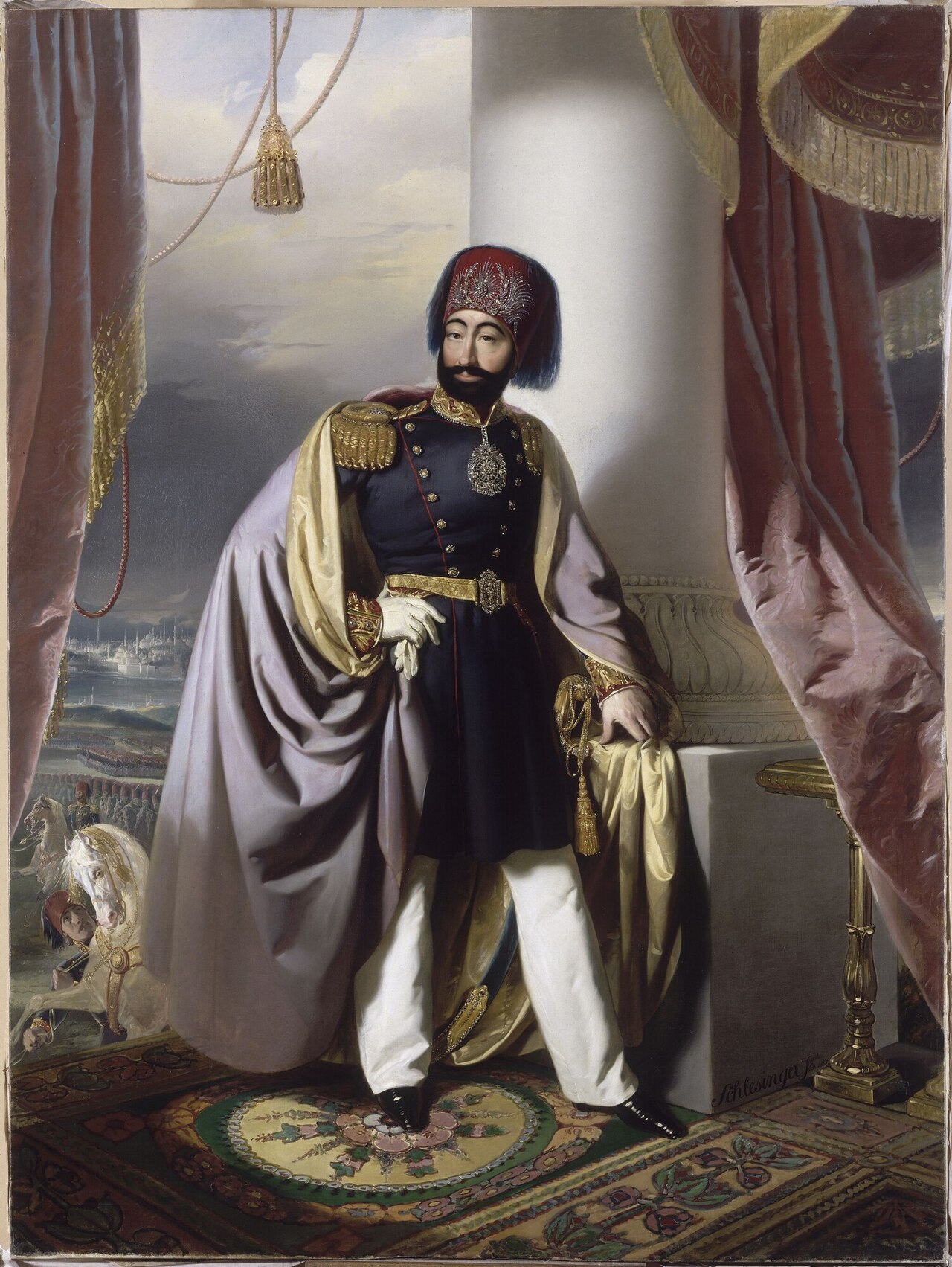
Ready when you are
Start chatting with Mahmud II now.
20 messages free · No credit card · Available in 50+ languages.