


Tertiary sourcePhotograph
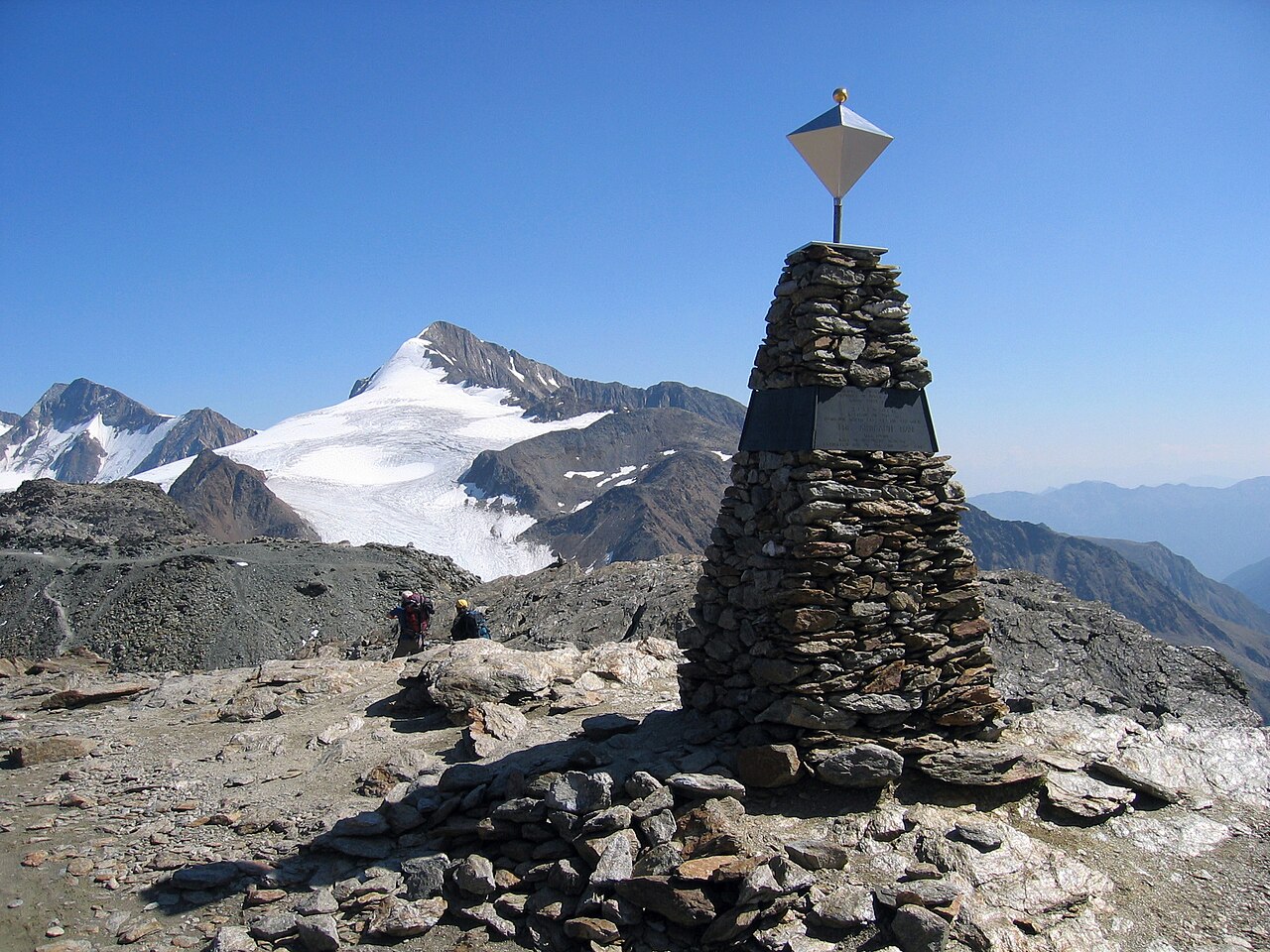
Obelisk near the Ötzi Find Site
Tigerente
A photograph of the stone marker erected near the high-altitude glacier site where Ötzi's body was discovered.
Shows the glacier terrain near where Ötzi's mummified body was discovered.
About this source
What it is
This photograph shows a tall stone cairn, or obelisk, standing on rocky high-mountain ground near the spot where Ötzi's body was found. Snow-covered peaks and ridges rise behind it. The marker lies close to, but not exactly on, the actual find site.
Why it matters
Ötzi is a naturally preserved prehistoric mummy discovered in this remote glacier landscape. The harsh, icy, high-altitude environment shown here helped preserve his body for thousands of years and also explains why he was found only recently. The obelisk is a modern marker, not an ancient object, placed to help people locate and remember the discovery.
Look closer
- Why might someone build a marker like this at a remote discovery site?
- What does the terrain in the photo tell you about the conditions in which the body survived?
- What is missing from this photo that would help you picture the actual discovery?
This photograph is part of the curated material that grounds the AI version of Ötzi on Humy.ai — when students ask about related events, the AI can quote it and cite it.
More Ötzi sources
Meet the AI Ötzi →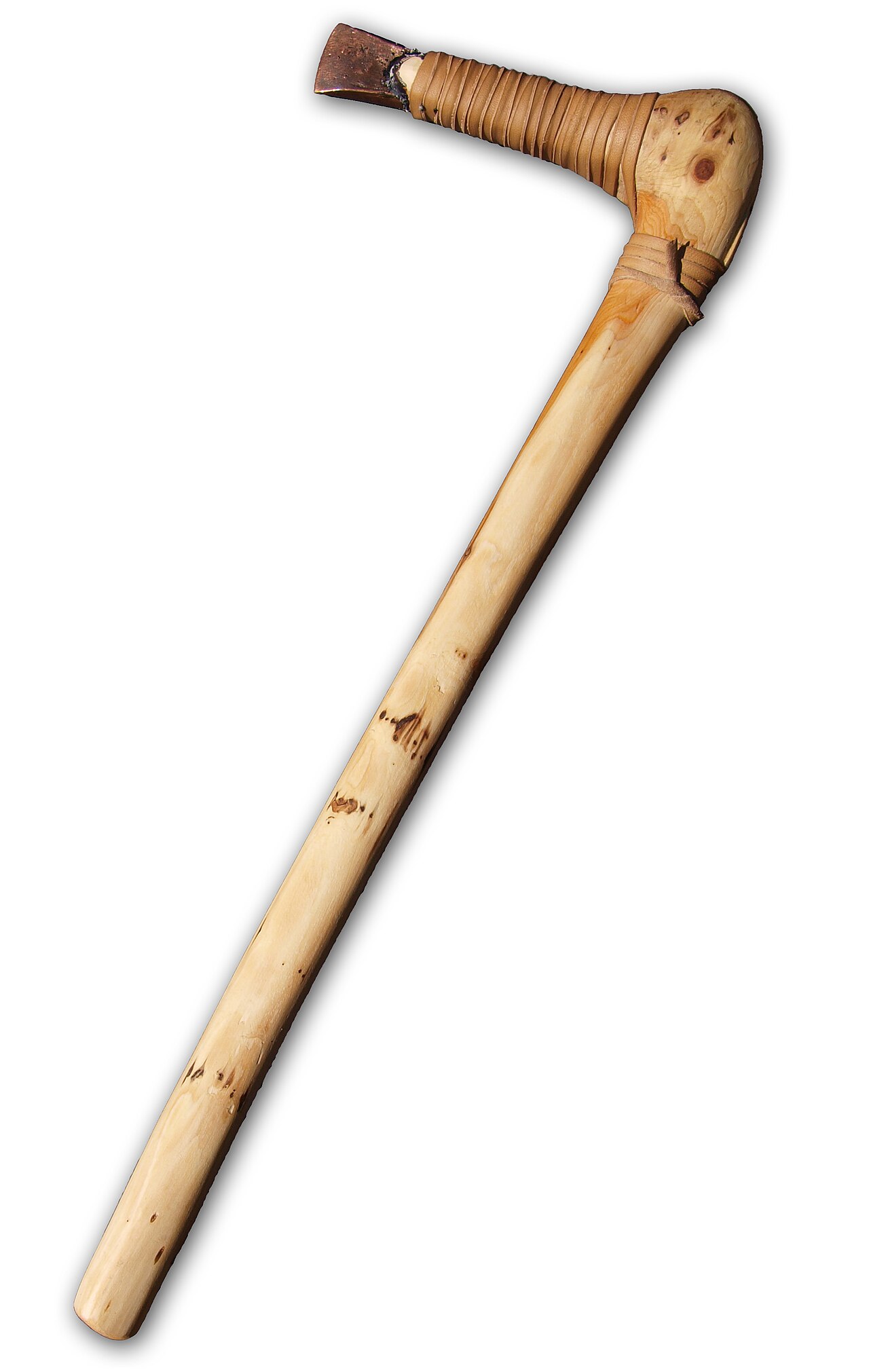 Artifact
Primary source
Ötzi's Copper Axe
c. 3300 BCE
Primary source
Treaty of Saint-Germain-en-Laye
10 September 1919
 Artifact
Primary source
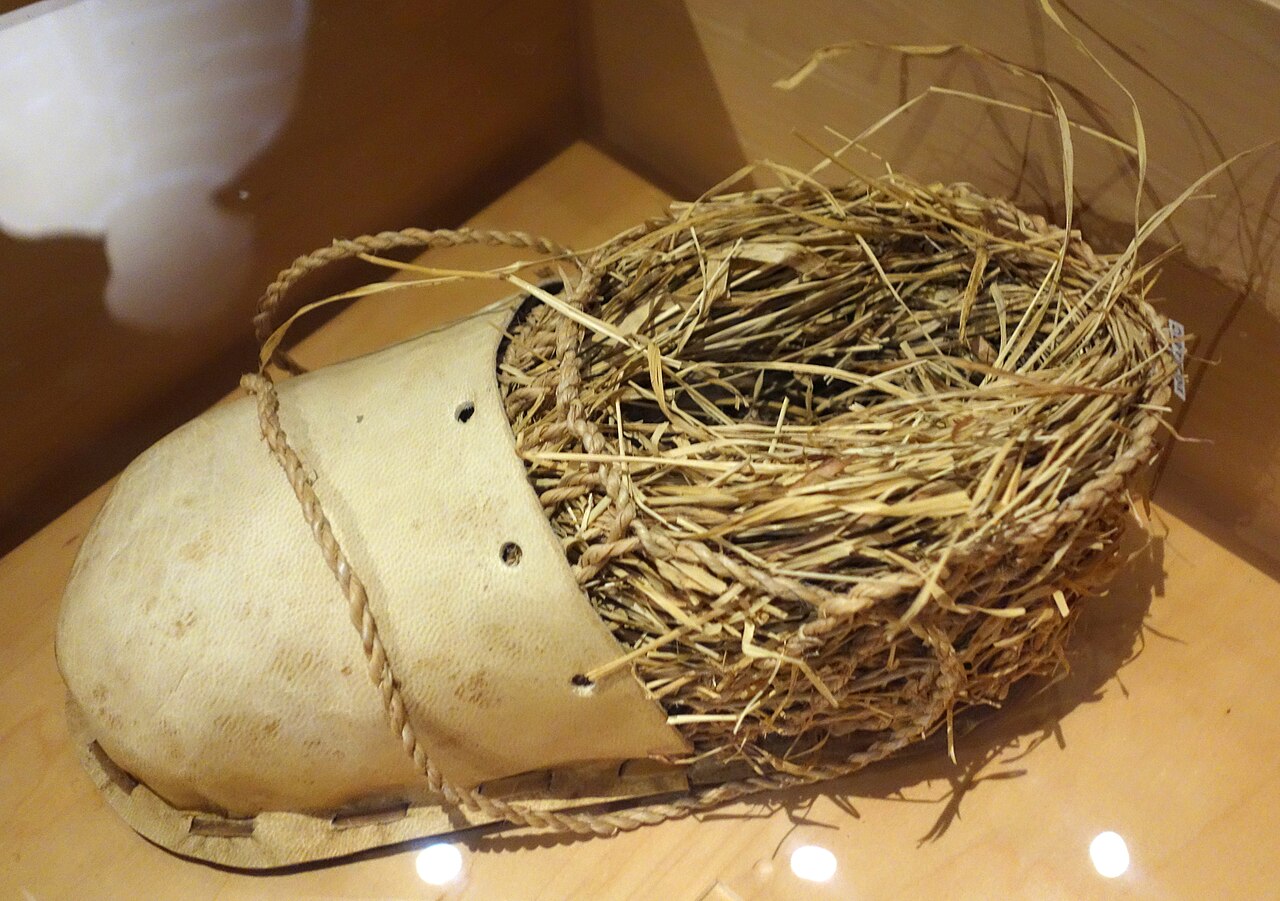
Ötzi's Shoes
c. 3300 BCE
 Photograph
Tertiary source
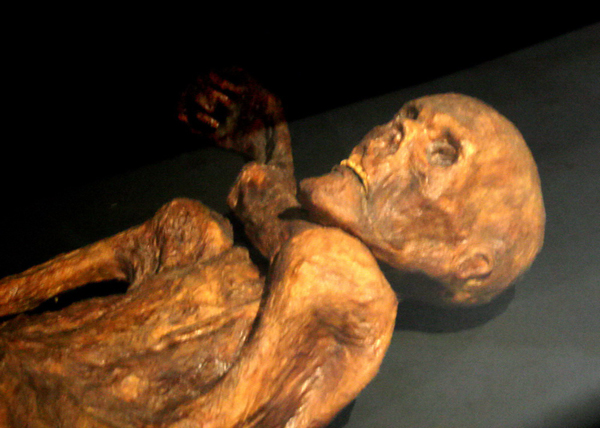
Portrait of Ötzi
 Document
Secondary source
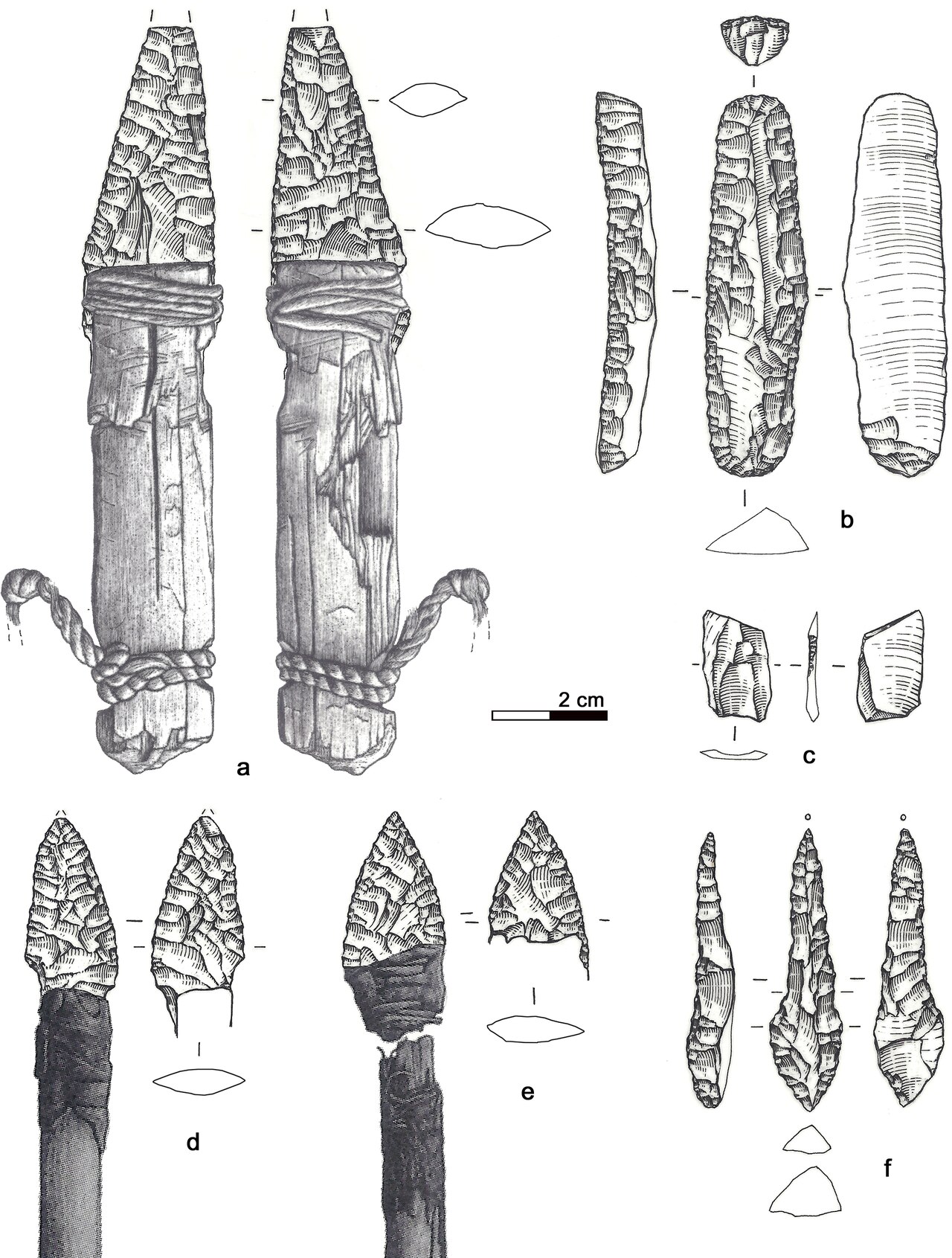
The Iceman Lithic Assemblage
Ursula Wierer, Simona Arrighi, Stefano Bertola, Günther Kaufmann, Benno Baumgart
Ready when you are
Start chatting with Ötzi now.
20 messages free · No credit card · Available in 50+ languages.