


Primary sourceDocumentca. 17th-16th century BCE
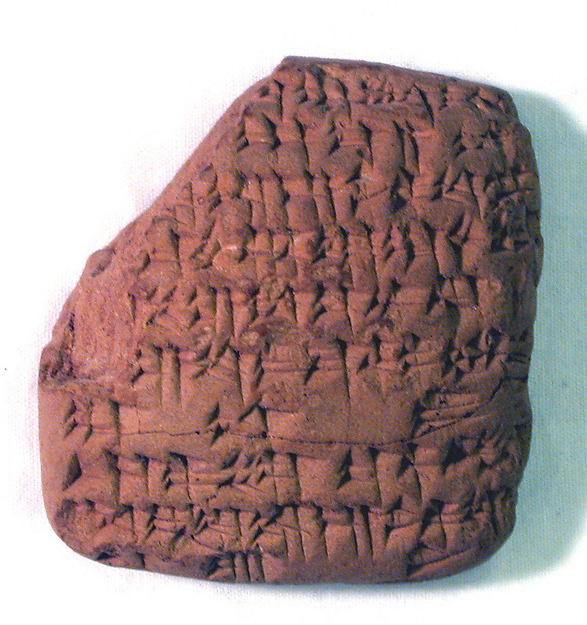
Old Babylonian Cuneiform Tablet (Private Letter)
ca. 17th-16th century BCE
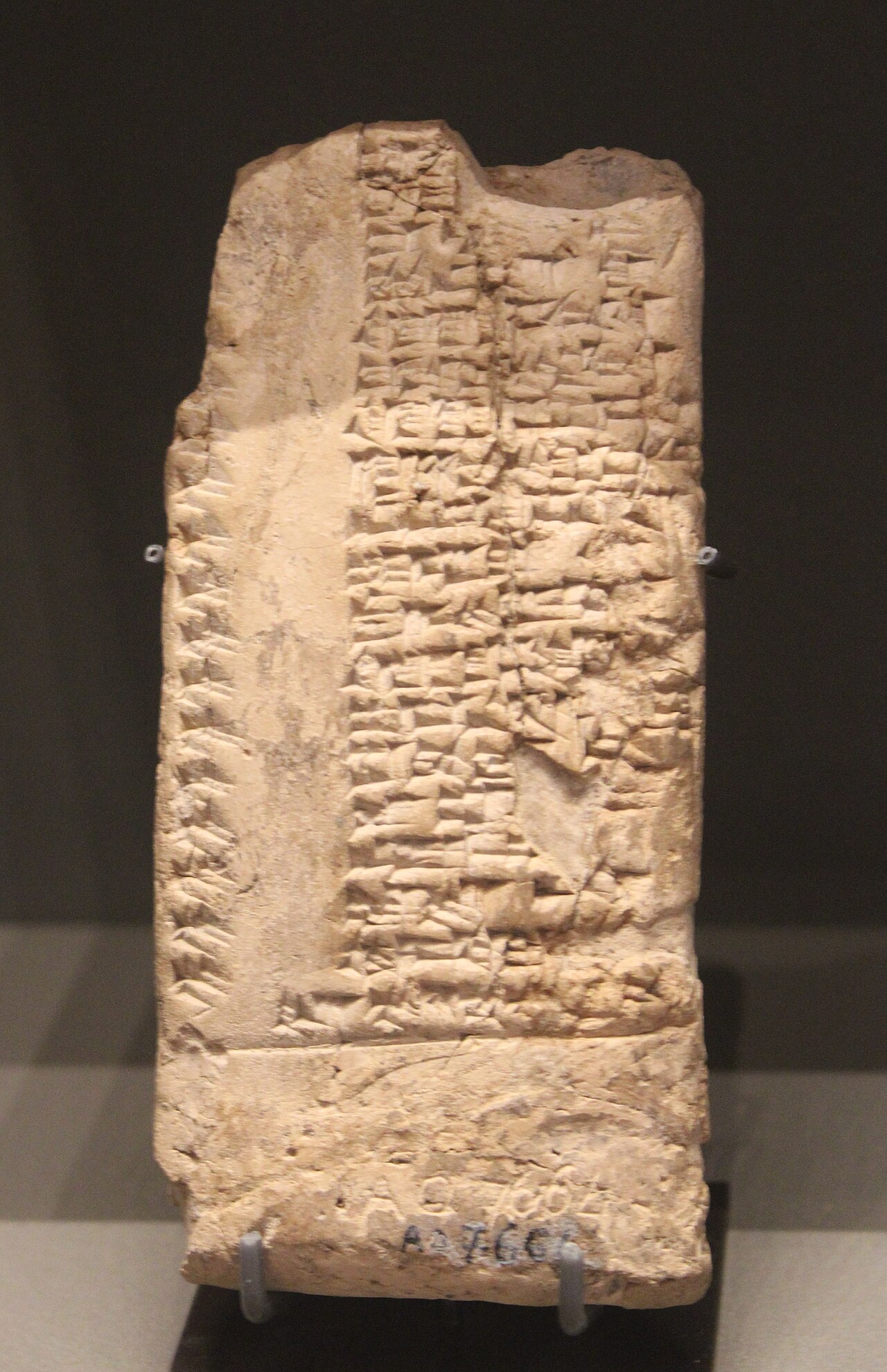
A clay tablet with cuneiform writing from the Old Babylonian period, the era and kingdom of Hammurabi.
This tablet comes from the Old Babylonian period and kingdom that Hammurabi ruled, providing context for his era.
About this source
What it is
This is a clay tablet covered in rows of cuneiform signs, dated to the Old Babylonian period (about the 17th–16th century BCE). It is described as a private letter and is held by the Metropolitan Museum of Art. Its exact author and recipient are not given in the museum's record.
Why it matters
Clay tablets like this one were the ordinary writing material of Babylonian society during Hammurabi's lifetime and after. While this particular tablet is not directly tied to Hammurabi by name, it comes from the same period and kingdom, showing the kind of everyday writing - letters, contracts, and records - that filled the world he ruled.
Look closer
- What does the broken, irregular shape of the tablet suggest about how it has survived for thousands of years?
- Why might ordinary people's letters matter just as much to historians as a king's law code?
- What can't we know about this letter without knowing who wrote it or why?
This document is part of the curated material that grounds the AI version of Hammurabi on Humy.ai — when students ask about related events, the AI can quote it and cite it.
More Hammurabi sources
Meet the AI Hammurabi →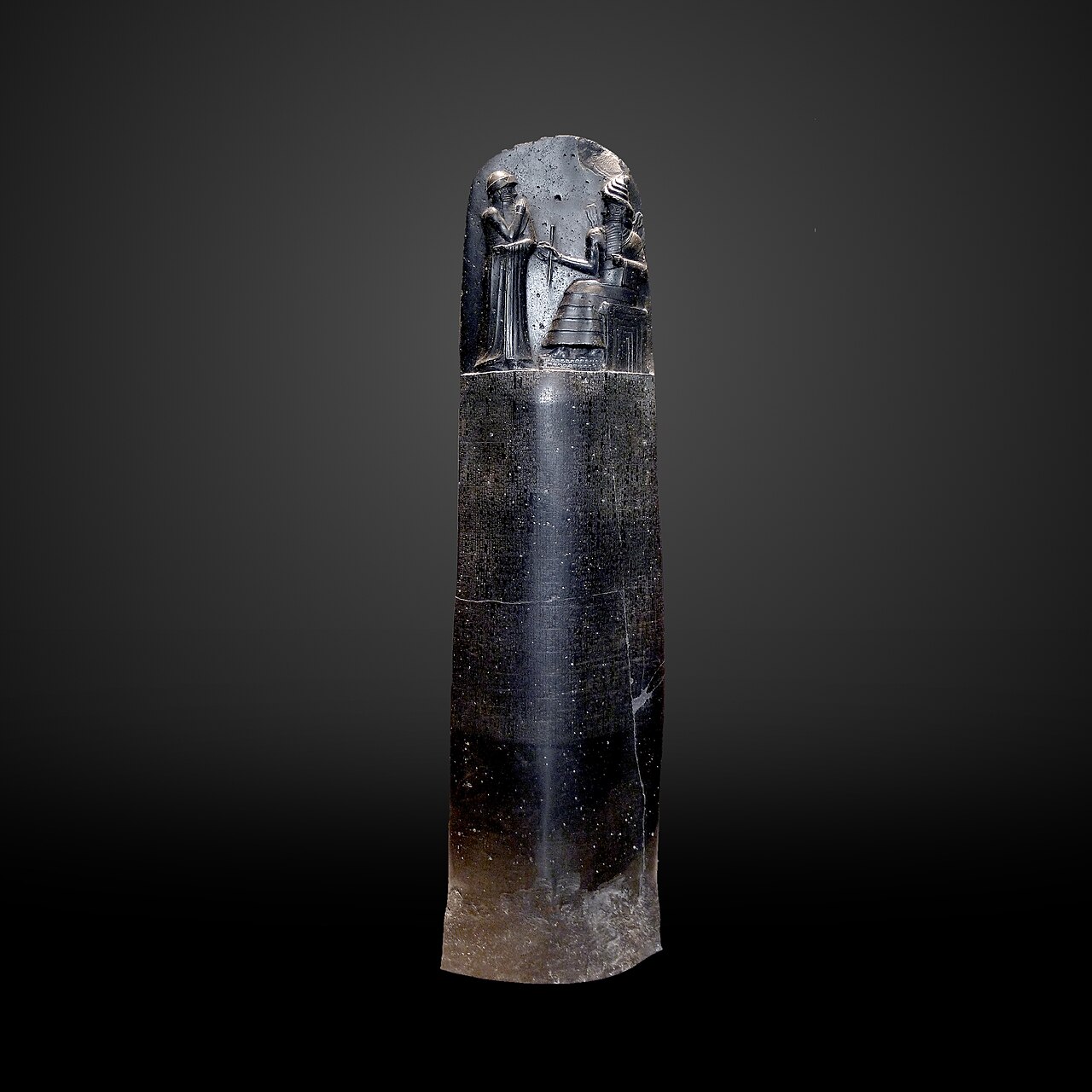 Document
Primary source
Code of Hammurabi
Hammurabi · c. 1753 BCE
 Sculpture
Primary source
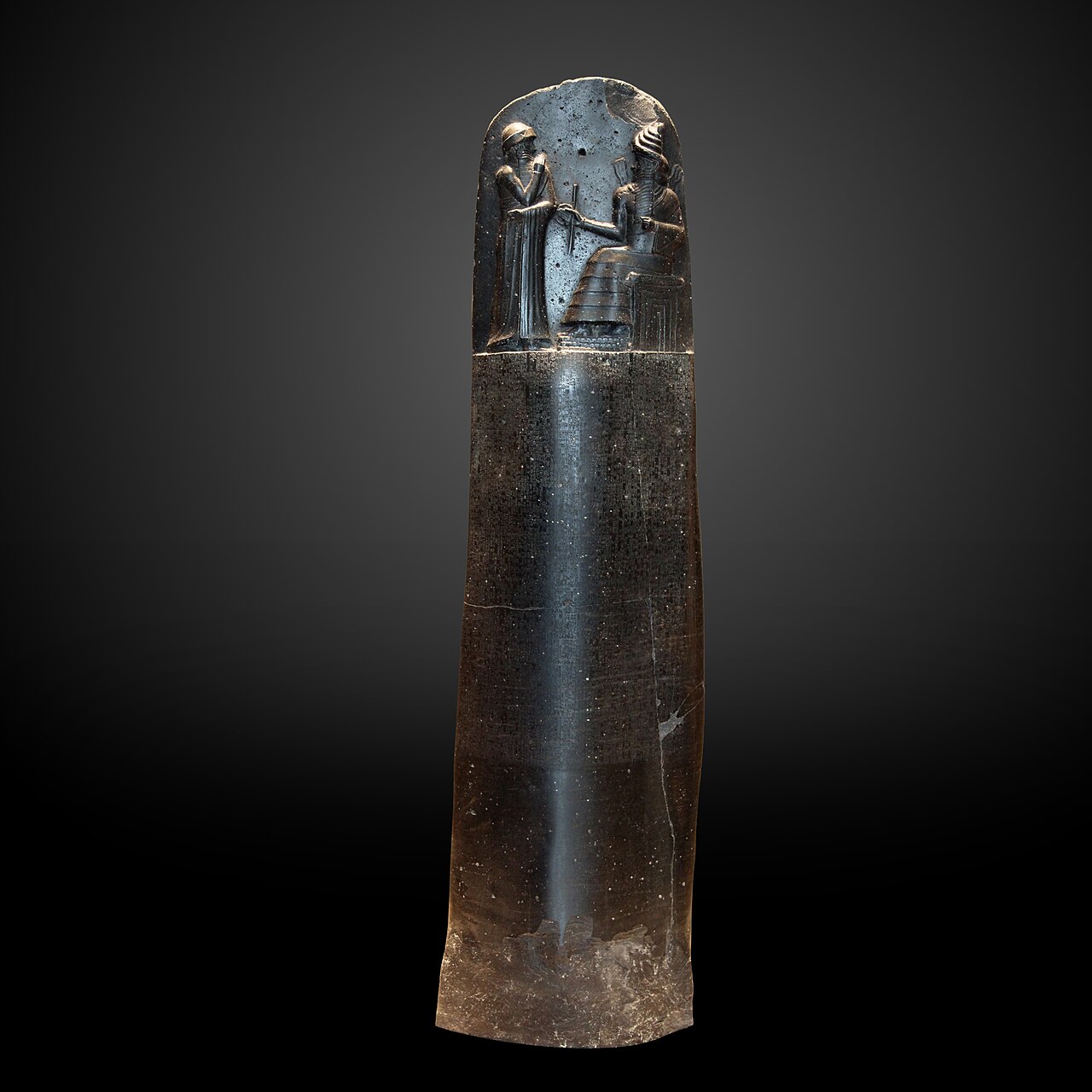
Stele with the Code of Hammurabi
Hammurabi · c. 1792 BCE
 Letter
Primary source
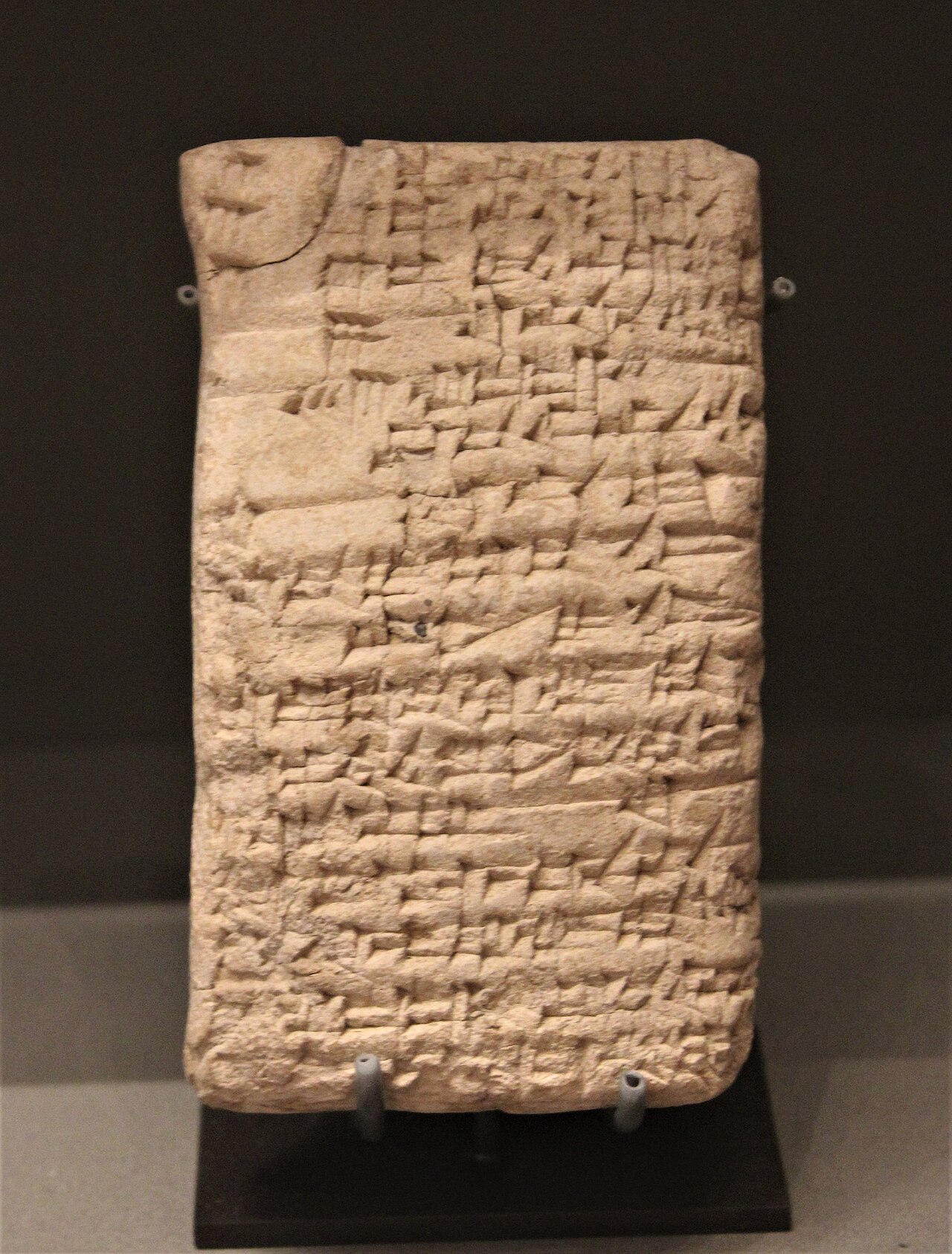
Letter from Hammurabi to Sîn-iddinam
Hammurabi · c. 1792-1750 BCE
 Document
Primary source
List of the year-names of Hammurabi's reign
Old Babylonian period, reign of Hammurabi (c. 1792-1750 BCE)
 Document
Secondary source
Chronicle of Early Kings
Babylonian scribes · c. 6th century BCE copy
Ready when you are
Start chatting with Hammurabi now.
20 messages free · No credit card · Available in 50+ languages.