


Primary sourceDocument1775
Olive Branch Petition
Second Continental Congress · 1775
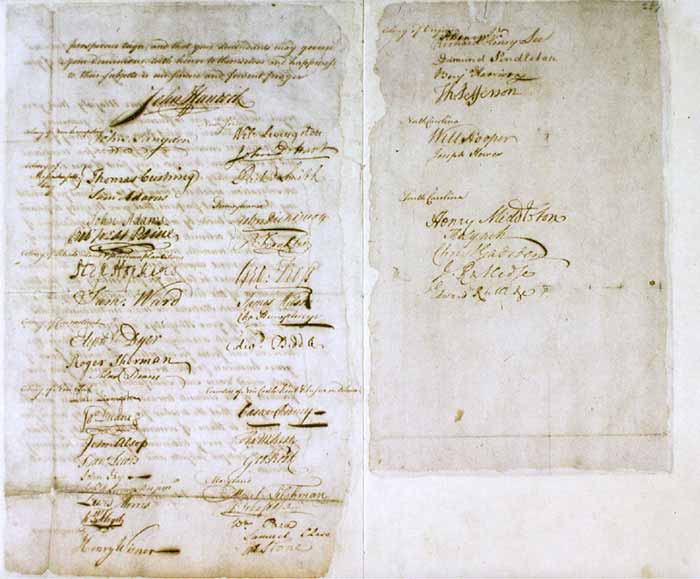
A 1775 petition to King George III seeking reconciliation, signed first by John Hancock as President of the Continental Congress.
Hancock's signature heads this petition, reflecting his role as presiding officer of Congress.
About this source
What it is
The Olive Branch Petition was a document adopted by the Second Continental Congress in 1775, appealing to King George III to avoid further conflict between Britain and the colonies. It carries many delegates' signatures, with John Hancock's at the head.
Why it matters
As President of Congress, Hancock's signature led this final attempt at peaceful resolution before the Revolutionary War escalated. The petition shows that, even as tensions rose, many colonial leaders still hoped to remain within the British Empire rather than seek full independence.
Look closer
- Why might Congress have chosen to send a peaceful petition even while fighting had already begun?
- What does Hancock's position at the top of the signatures tell you about his role?
- How does the tone of this document differ from the Declaration of Independence written a year later?
This document is part of the curated material that grounds the AI version of John Hancock on Humy.ai — when students ask about related events, the AI can quote it and cite it.
More John Hancock sources
Meet the AI John Hancock →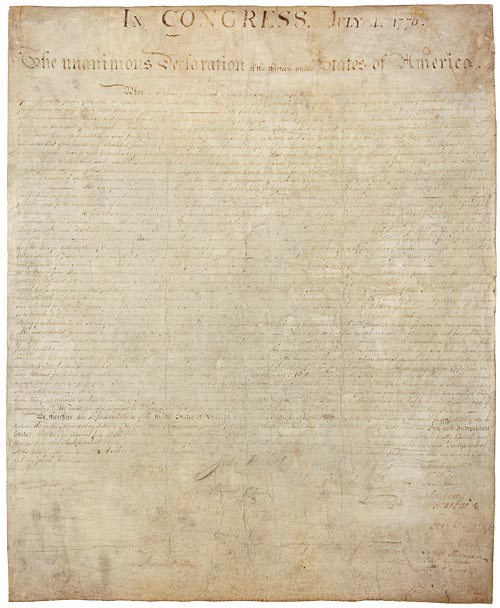 Document
Primary source
Declaration of Independence
Continental Congress (drafted by Thomas Jefferson) · 1776
 Document
Primary source
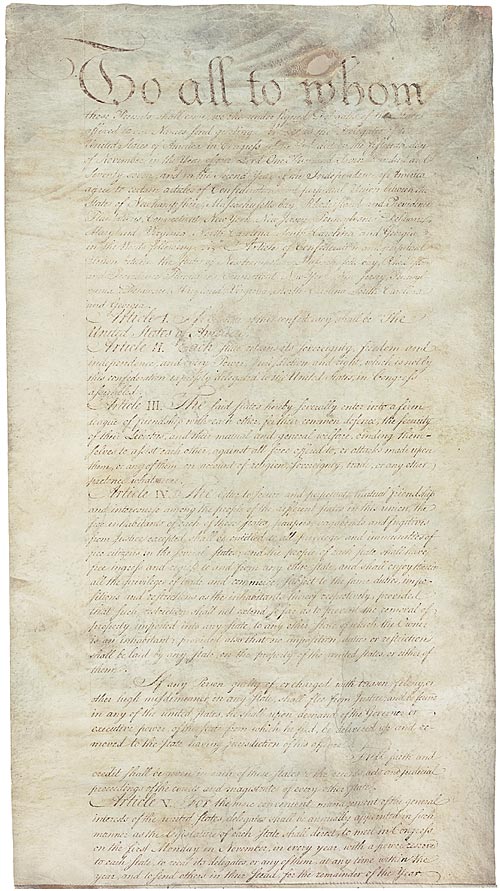
Articles of Confederation
Continental Congress · 1777
 Painting
Primary source
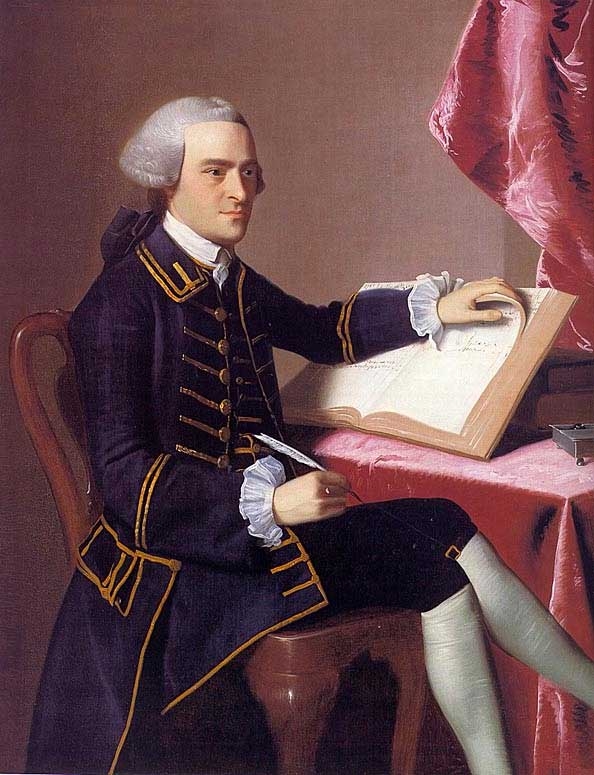
John Hancock
John Singleton Copley · 1765
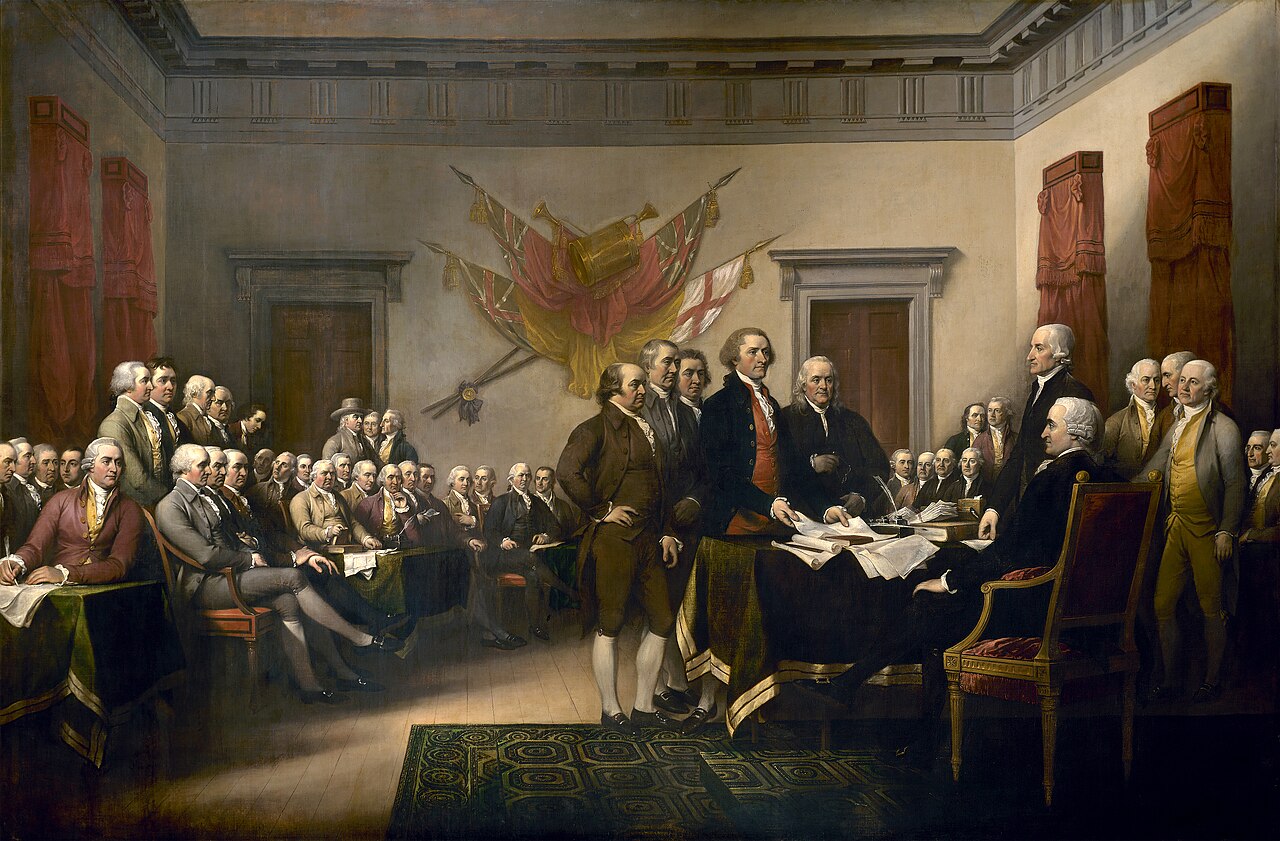 Painting
Secondary source
Declaration of Independence
John Trumbull · 1818
Primary source
Massachusetts ratification of the United States Constitution
Massachusetts Ratifying Convention · 6 February 1788
Ready when you are
Start chatting with John Hancock now.
20 messages free · No credit card · Available in 50+ languages.