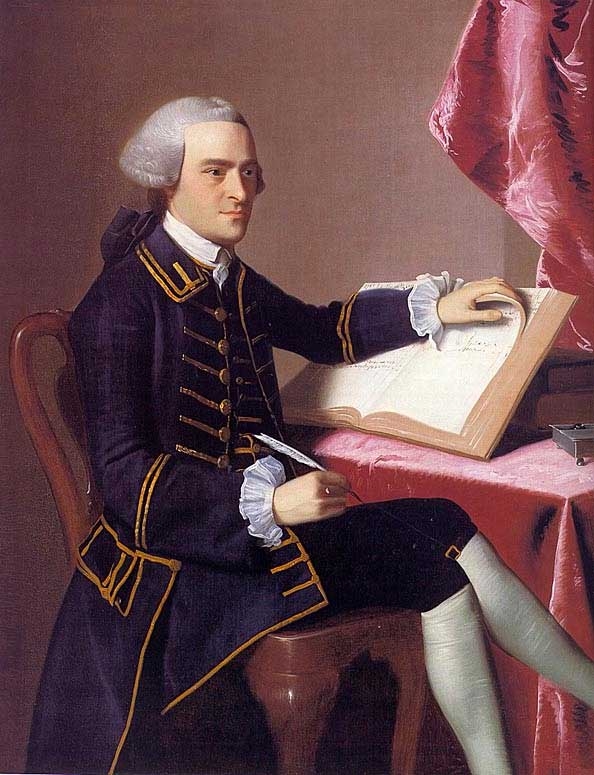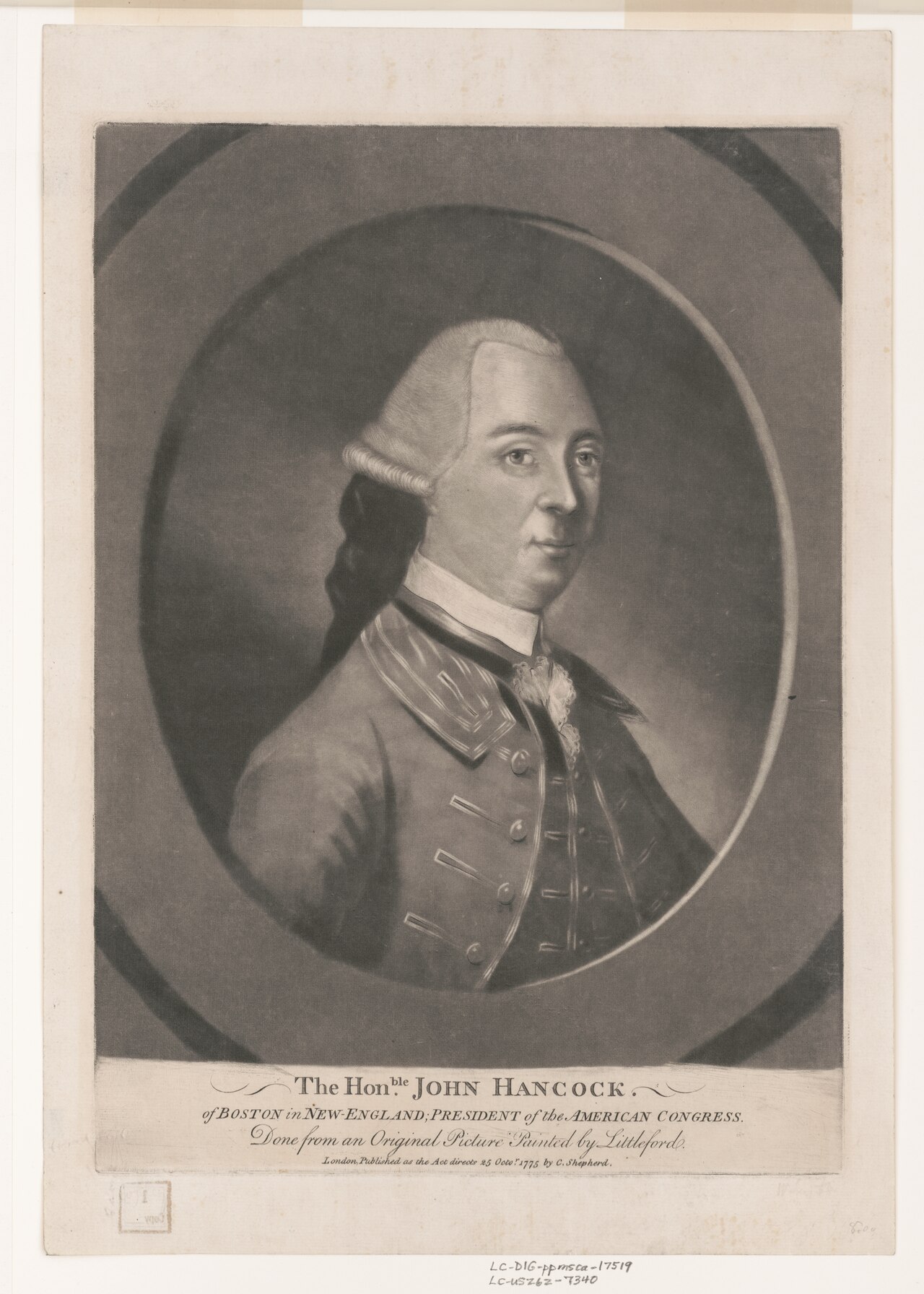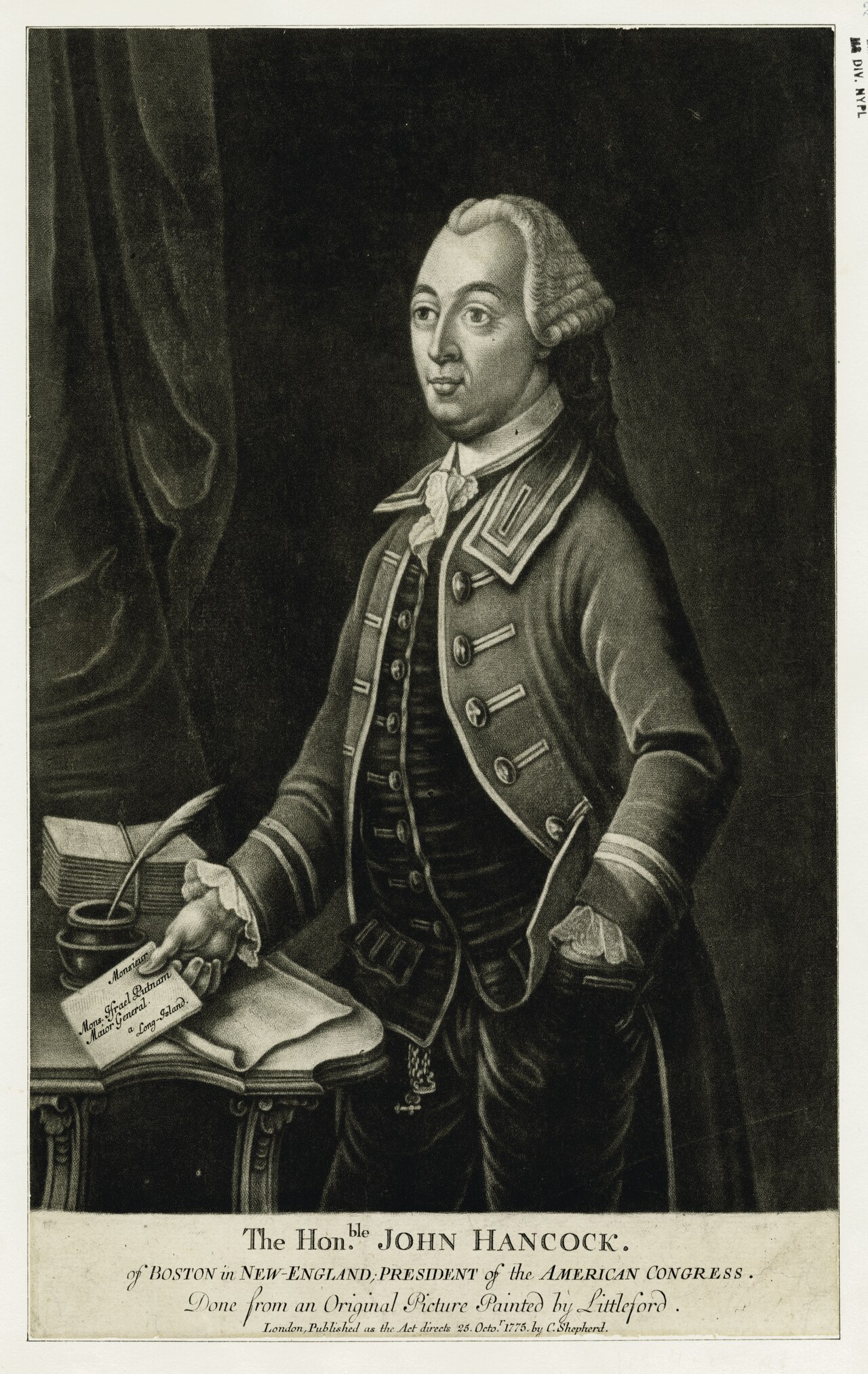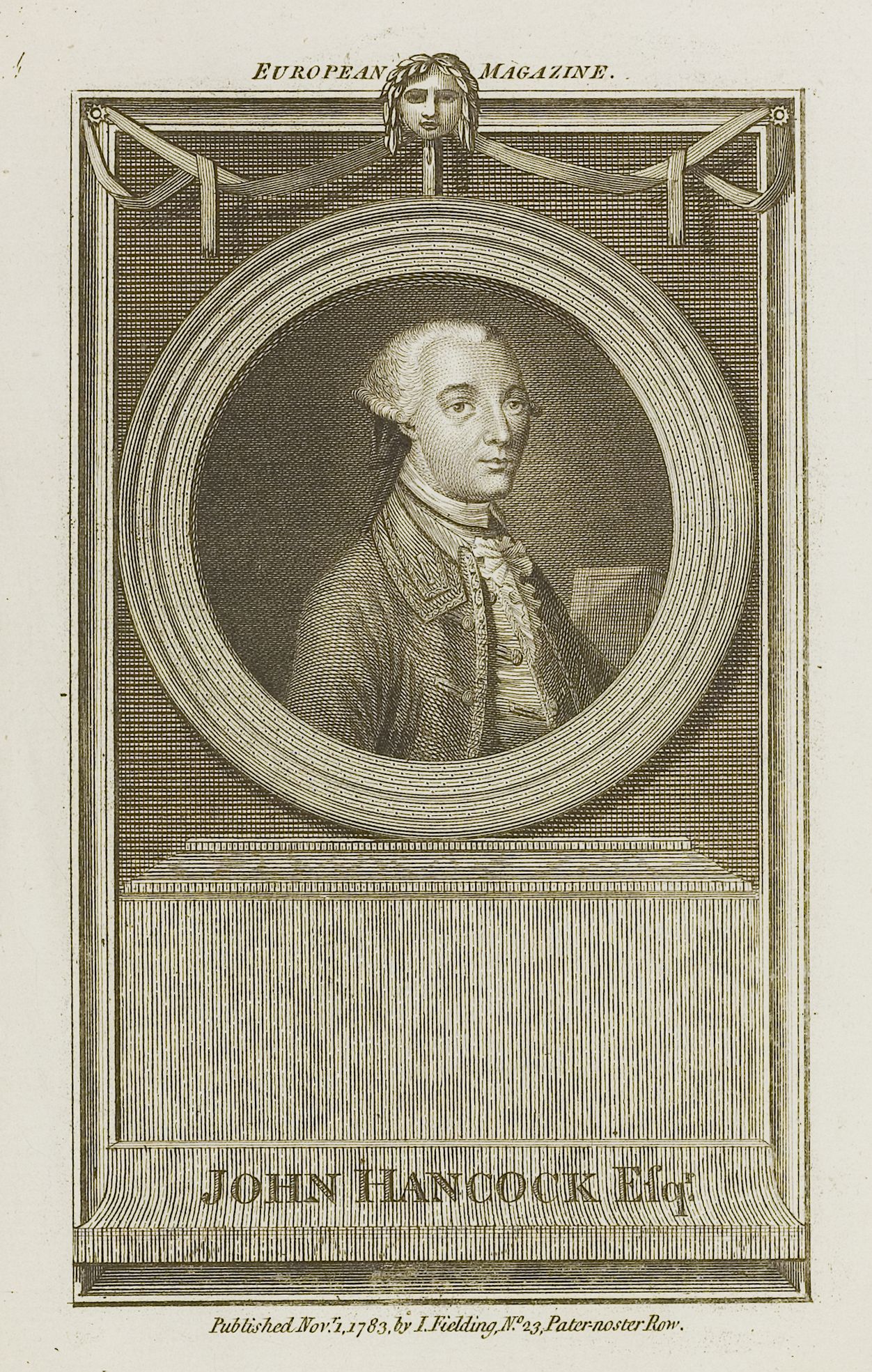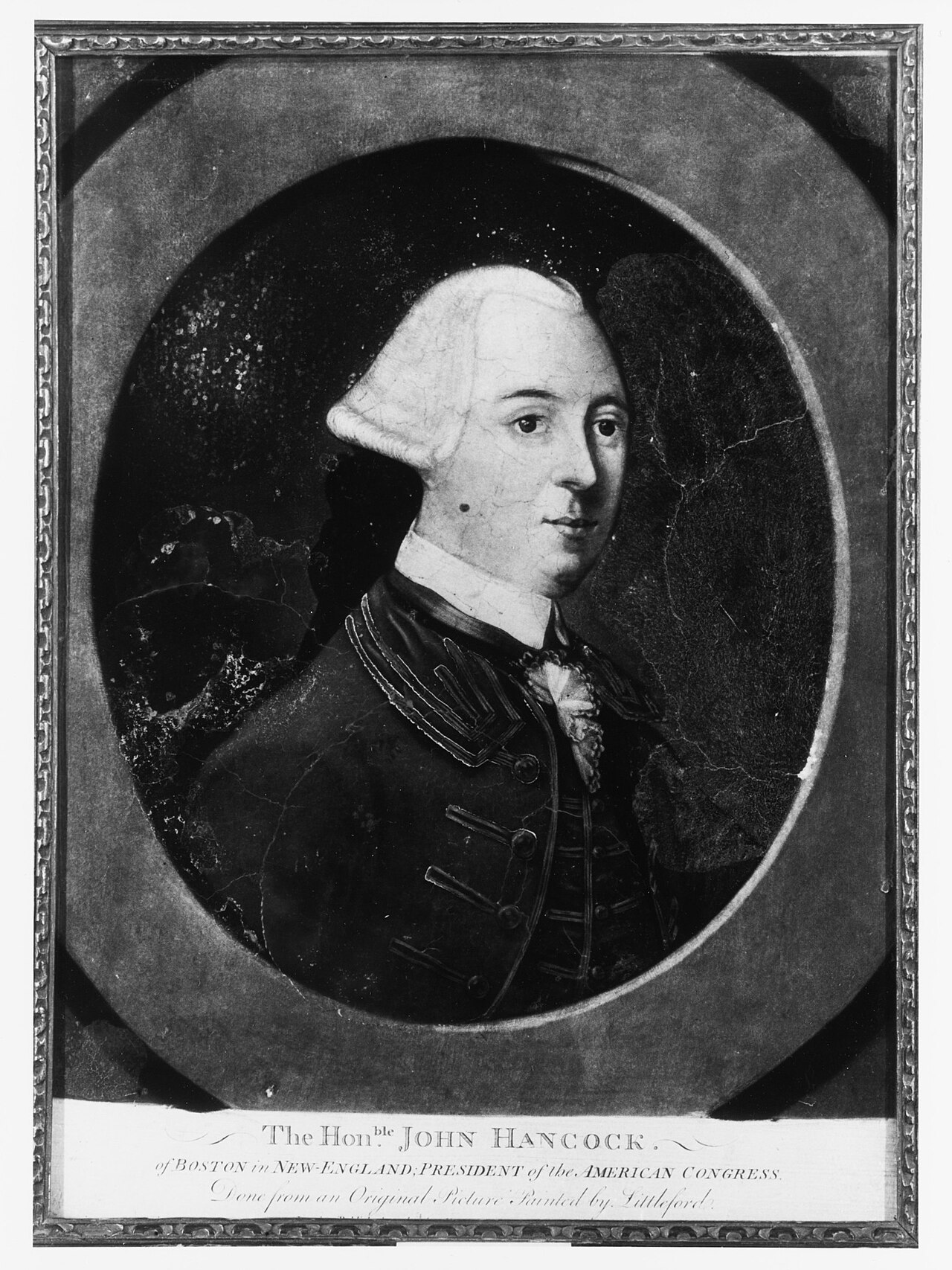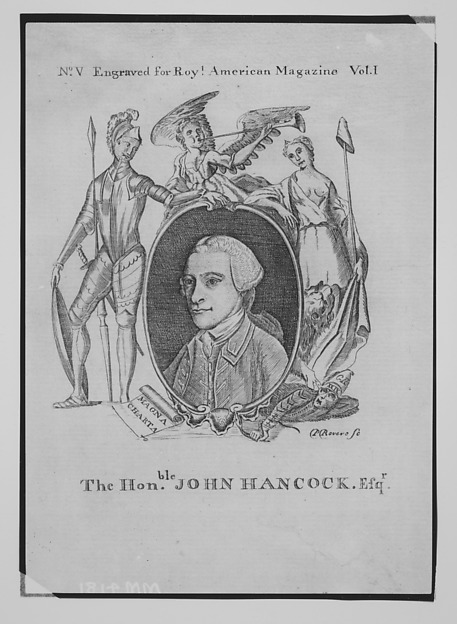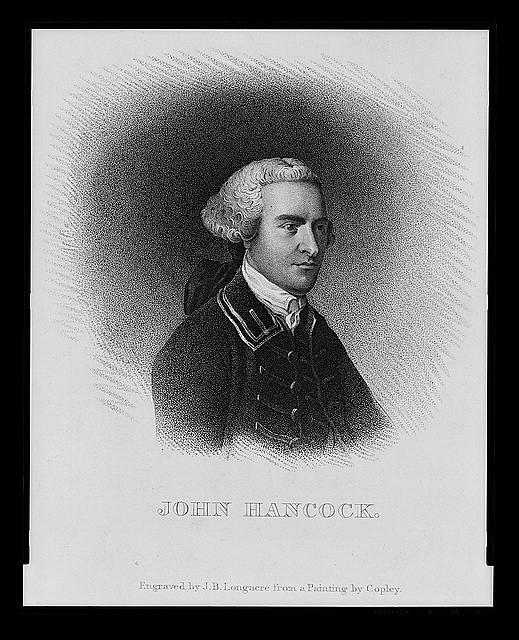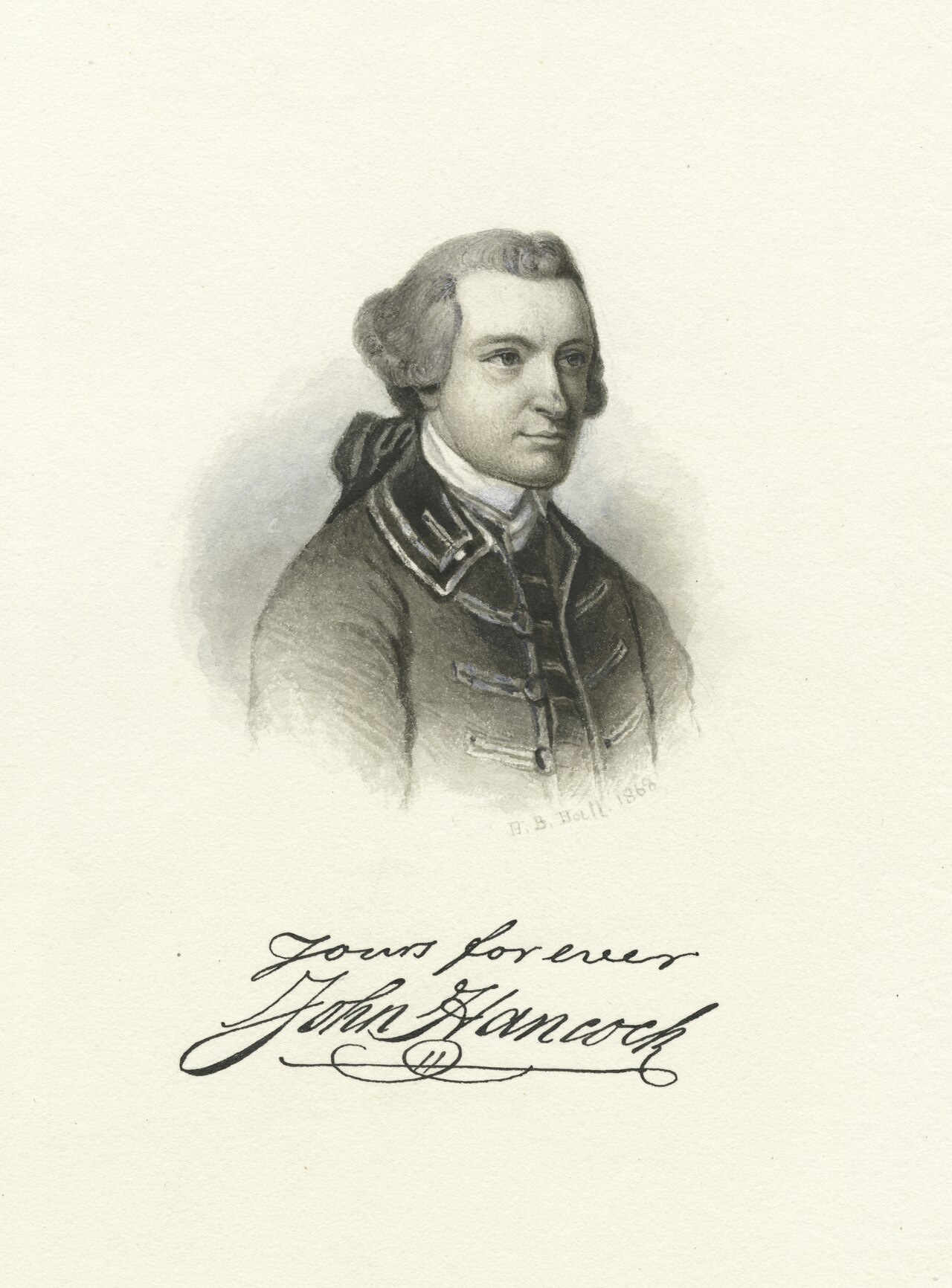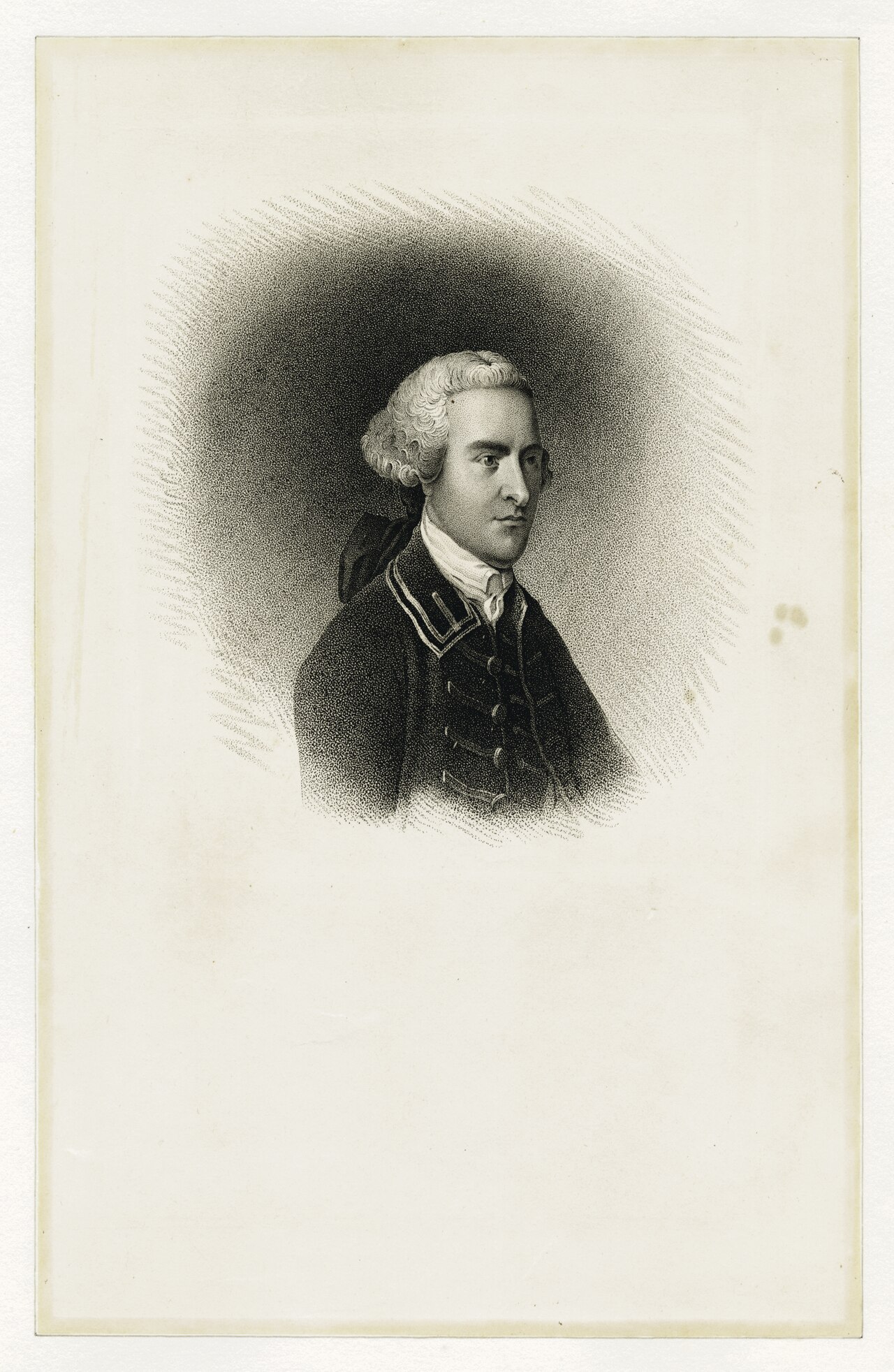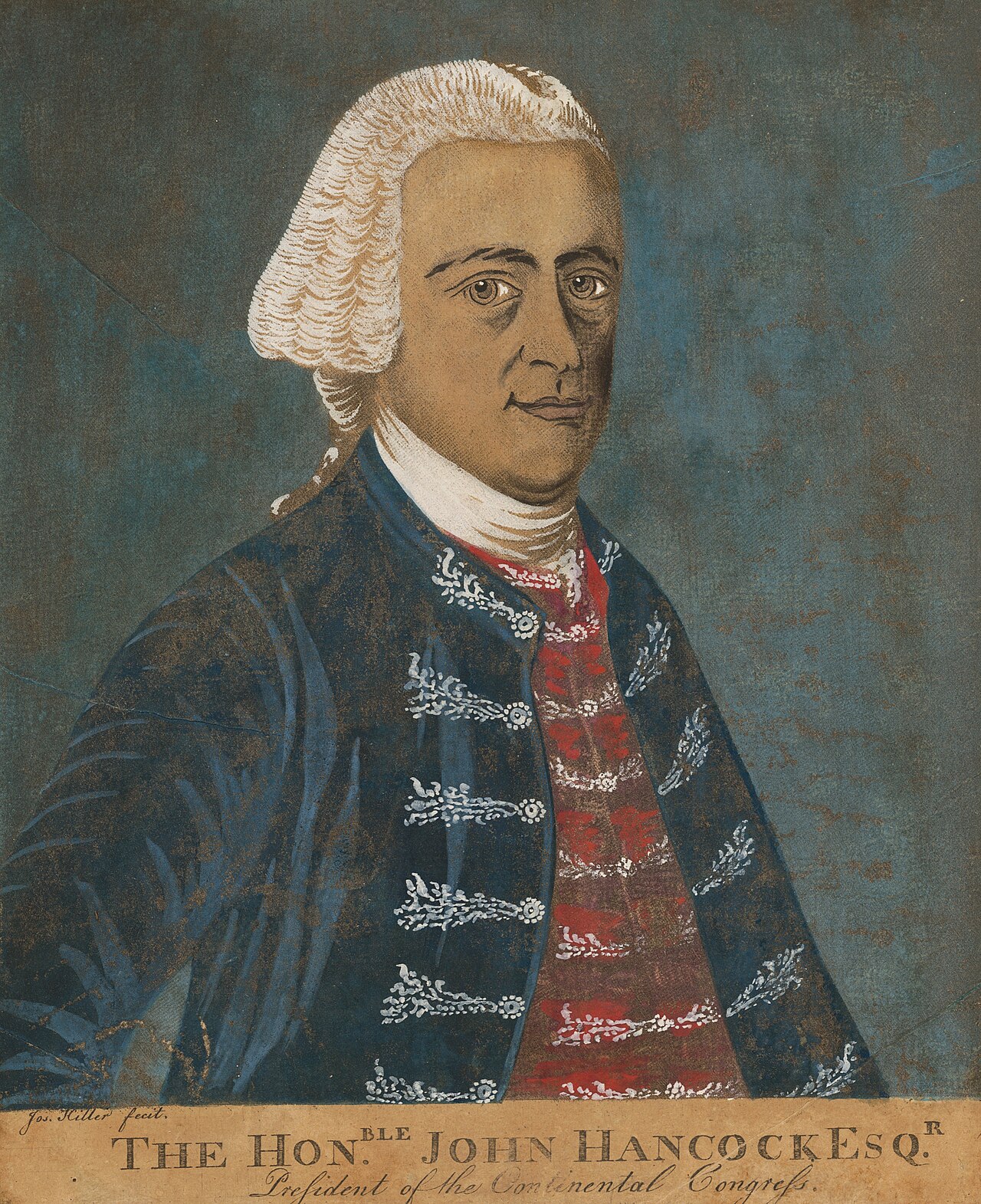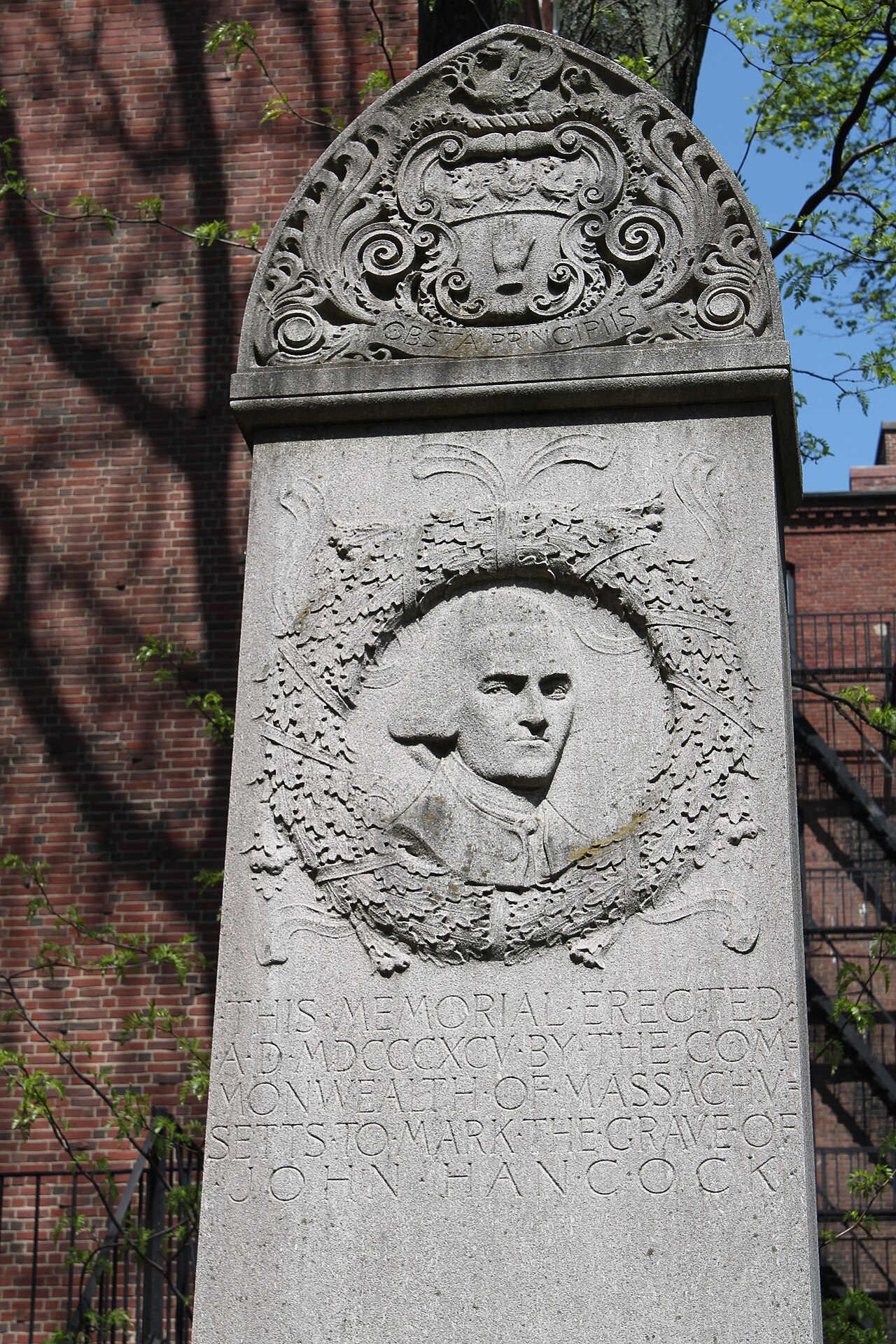
Portrait of John Hancock

AI Historical Figure

John Hancock

American merchant, statesman, and Founding Father, best known for his prominent signature on the Declaration of Independence and for serving as the first Governor of Massachusetts

Chat with John Hancock via text or voice — in 42 languages, drawing on a curated biography and 94 historical sources. Available 24/7.

Start chatting with John Hancock20 messages free · No credit card
Lived
1737–1793
From
United States
Known for
Politics & governmentBusiness
John Hancock

John Hancock

Online · responds in seconds

Hello — I'm John Hancock. American merchant, statesman, and Founding Father, best known for his prominent signature on the Declaration of Independence and for serving as the first Governor of Massachusetts. What would you like to ask me?

20 messages free · No credit card · Powered by Humy.ai

Live preview · Switch between 42 languages above · Send a message to continue in the app

Multilingual

Talk to John Hancock in 42 languages

Ask John Hancock questions in any language below, and the rest of Humy's app speaks it too. Pick yours to open the chat in that language.

Also in German (Austria), German (Switzerland), English (UK), English (Australia), English (Canada).

The sources behind this AI

94 sources · 34 paintings · 22 documents · 12 photographs · 9 artifacts · 7 books · 3 speeches · 3 letters · 2 newspaper articles · 1 sculpture · 1 interview

John Hancock doesn’t improvise from thin air. The AI is grounded in 94 curated historical sources students can inspect. Open any of them to see what informs the conversation.

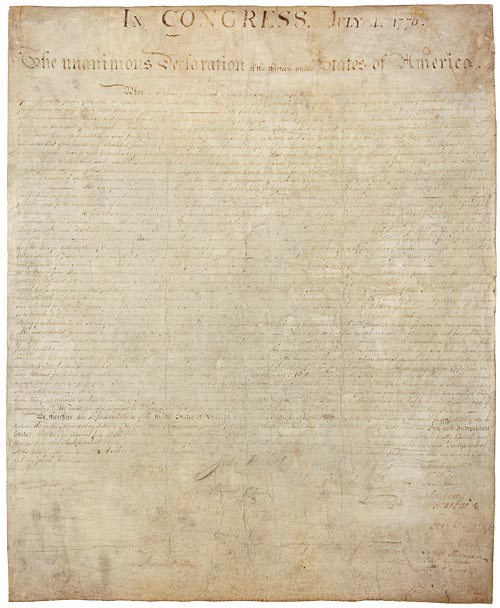
Scan of the engrossed Declaration of Independence on aged parchment. Heading reads 'In Congress, July 4, 1776' with the title 'The unanimous Declaration of the thirteen United States of America' below. Dense handwritten text fills the page; signatures appear at the bottom.Document

Primary source

Declaration of Independence

Continental Congress (drafted by Thomas Jefferson) · 1776

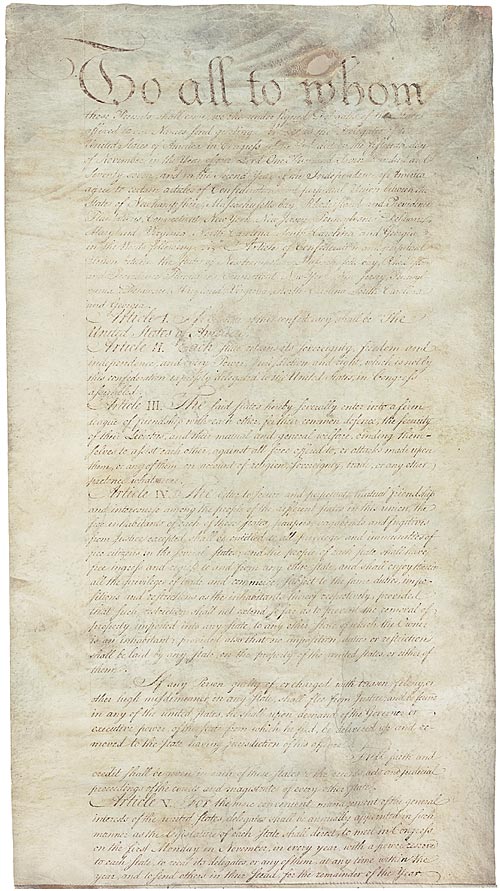
Scan of the handwritten Articles of Confederation manuscript on aged, cream-colored paper. The ornate heading reads 'To all to whom these Presents shall come'. Dense cursive text fills the page in columns, with article headings visible.Document

Primary source

Articles of Confederation

Continental Congress · 1777

Oil portrait of a man in a navy coat with gold braid and a white wig, seated in a wooden chair at a table draped in pink fabric, holding a quill over an open ledger book, with a pink curtain behind him.Painting

Primary source

John Hancock

John Singleton Copley · 1765

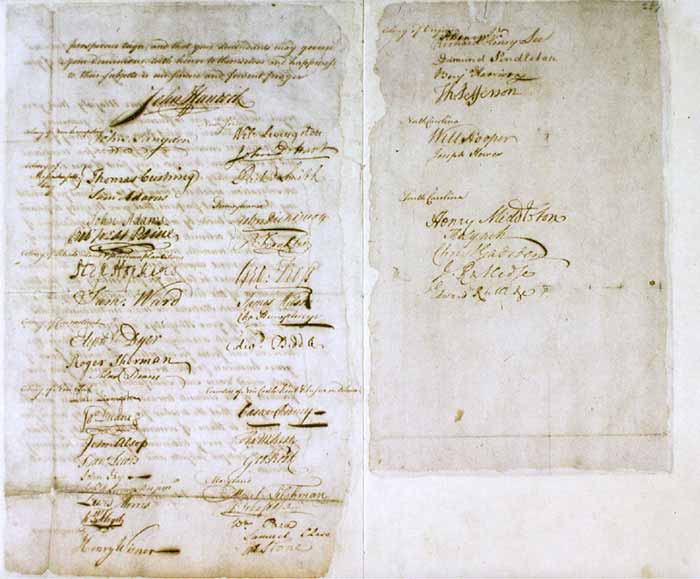
Scan of the Olive Branch Petition, a handwritten document on aged paper with many signatures in ink. Large signature at top left reads John Hancock, with other delegates' names below in columns, and a second sheet with more signatures on the right.Document

Primary source

Olive Branch Petition

Second Continental Congress · 1775

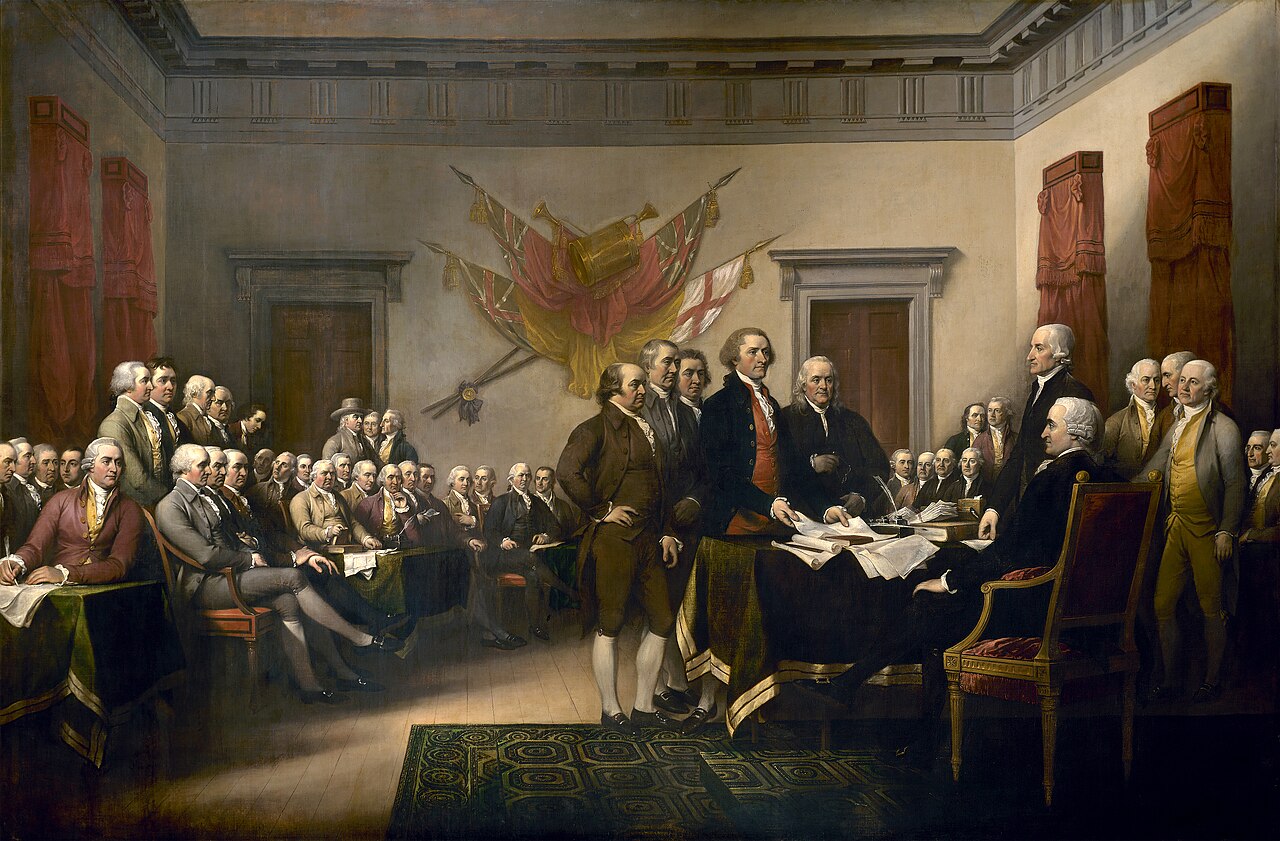
Large painting of the Continental Congress in a wood-paneled room. Men in 18th-century clothing stand and sit around a central table where five men present documents. Red curtains frame the room, and flags hang on the back wall.Painting

Secondary source

Declaration of Independence

John Trumbull · 1818

Document

Primary source

Massachusetts ratification of the United States Constitution

Massachusetts Ratifying Convention · 6 February 1788

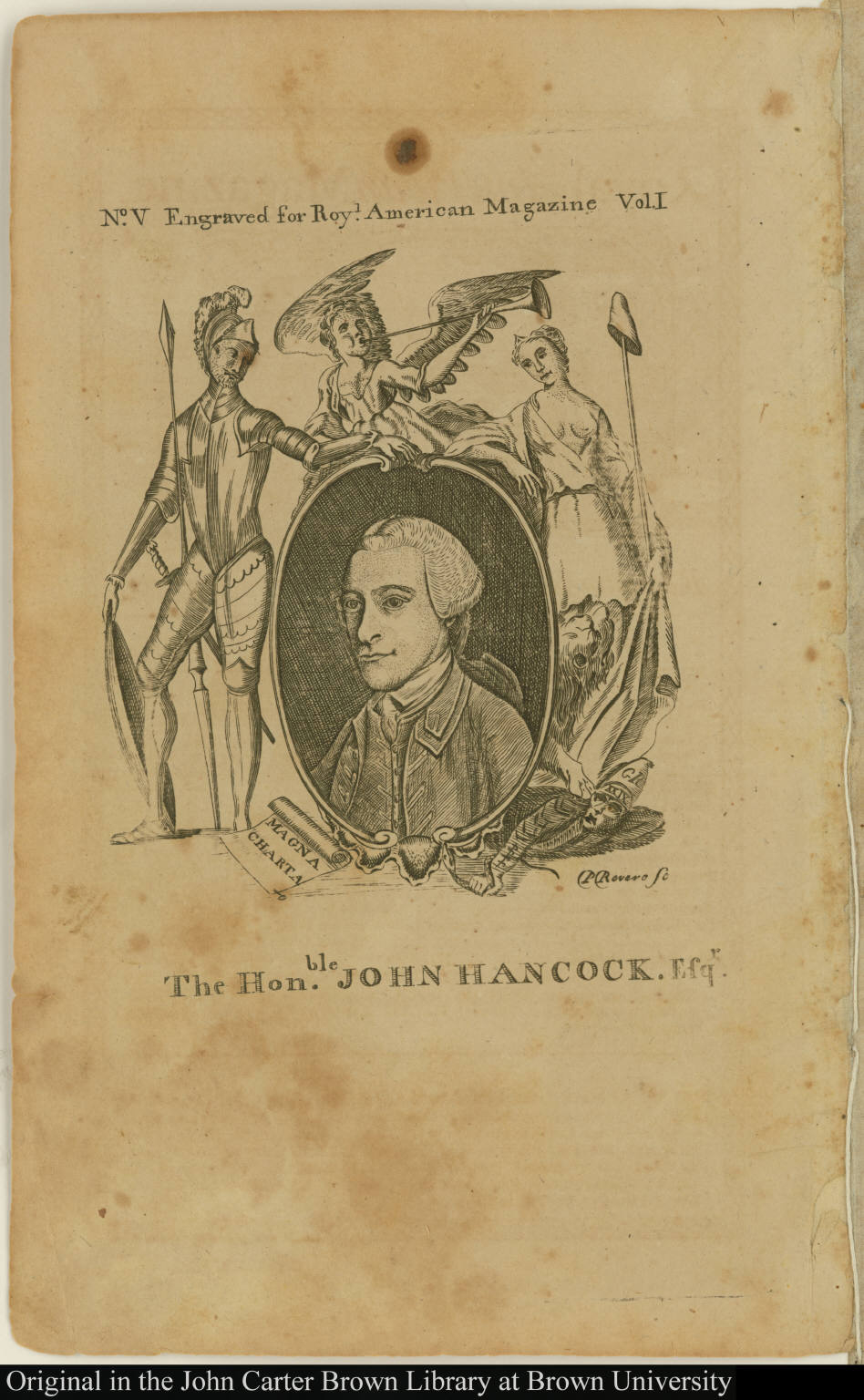
Engraved print titled 'The Hon. John Hancock, Esq.' with 'No. V Engraved for Royal American Magazine Vol. I' at top. An oval portrait of a man with powdered hair and a plain coat sits in the center, flanked by a standing armored figure with a spear and a winged figure with a trumpet, and a woman holding a staff with a cap on top. A scroll labeled 'Magna Charta' is at lower left. Signed 'P. Revere Sc.' at lower right. Caption at bottom.Painting

Primary source

The Hon. John Hancock, Esq.

Paul Revere · 1774

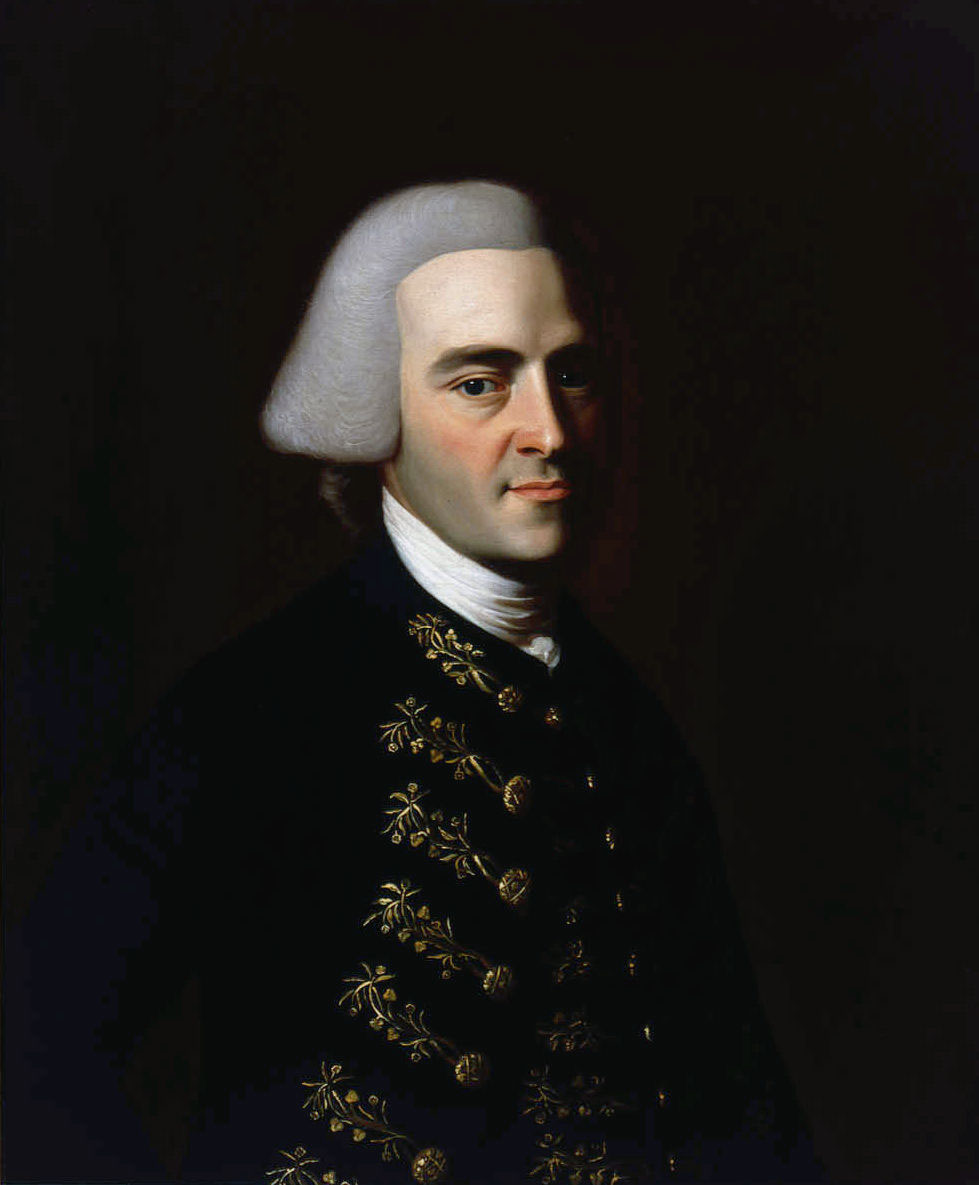
Oil portrait of a man with a white powdered wig, wearing a black coat with ornate gold braided embroidery and buttons, a white cravat at his neck, against a dark background. He looks toward the viewer with a slight smile.Painting

Primary source

John Hancock

John Singleton Copley · c. 1770

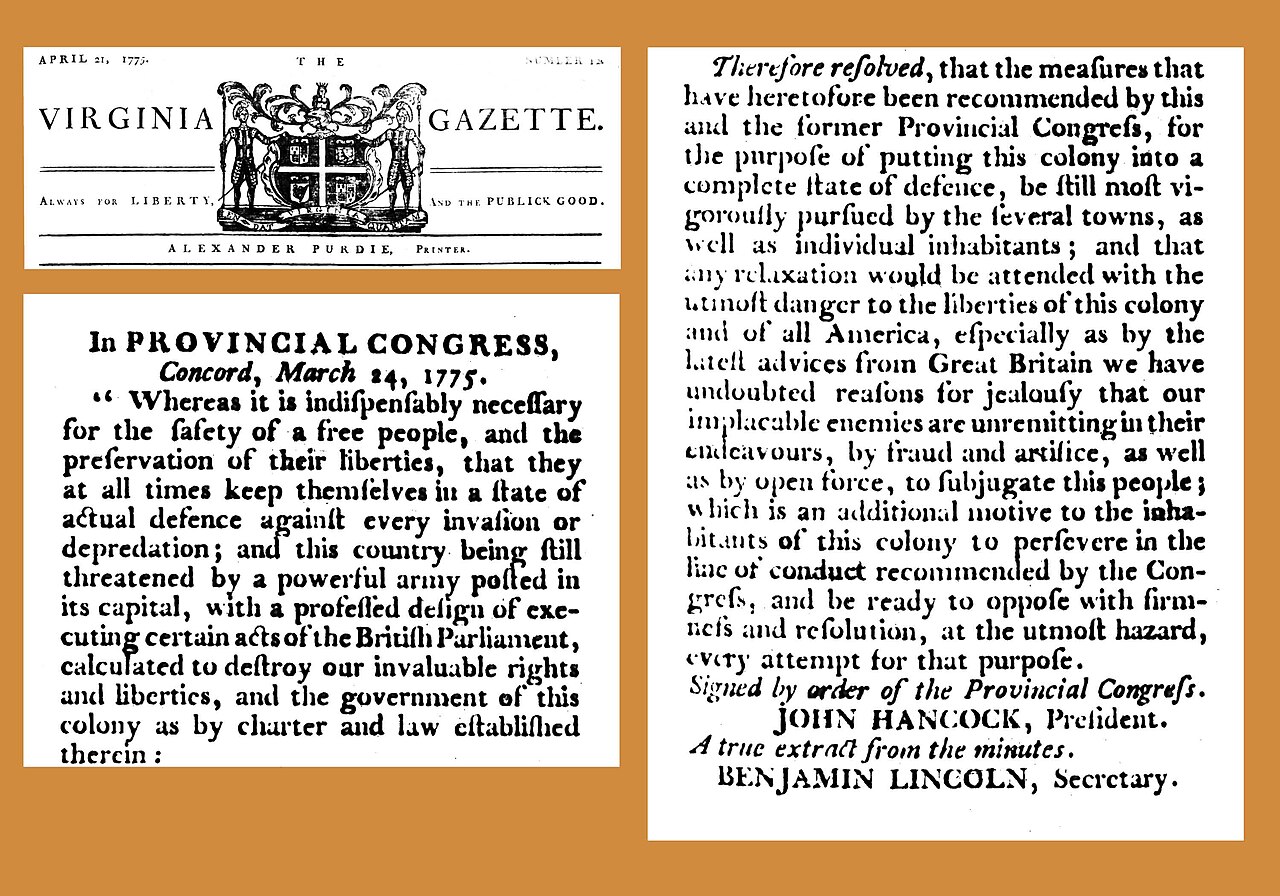
Scan of a Virginia Gazette newspaper page dated April 21, 1775, with masthead and crest, showing the printed Resolution of the Provincial Congress, Concord, March 24, 1775, signed by John Hancock, President, and Benjamin Lincoln, Secretary.Newspaper article

Primary source

Resolution of the Massachusetts Provincial Congress, March 24, 1775

John Hancock · 24 March 1775 (printed 21 April 1775)

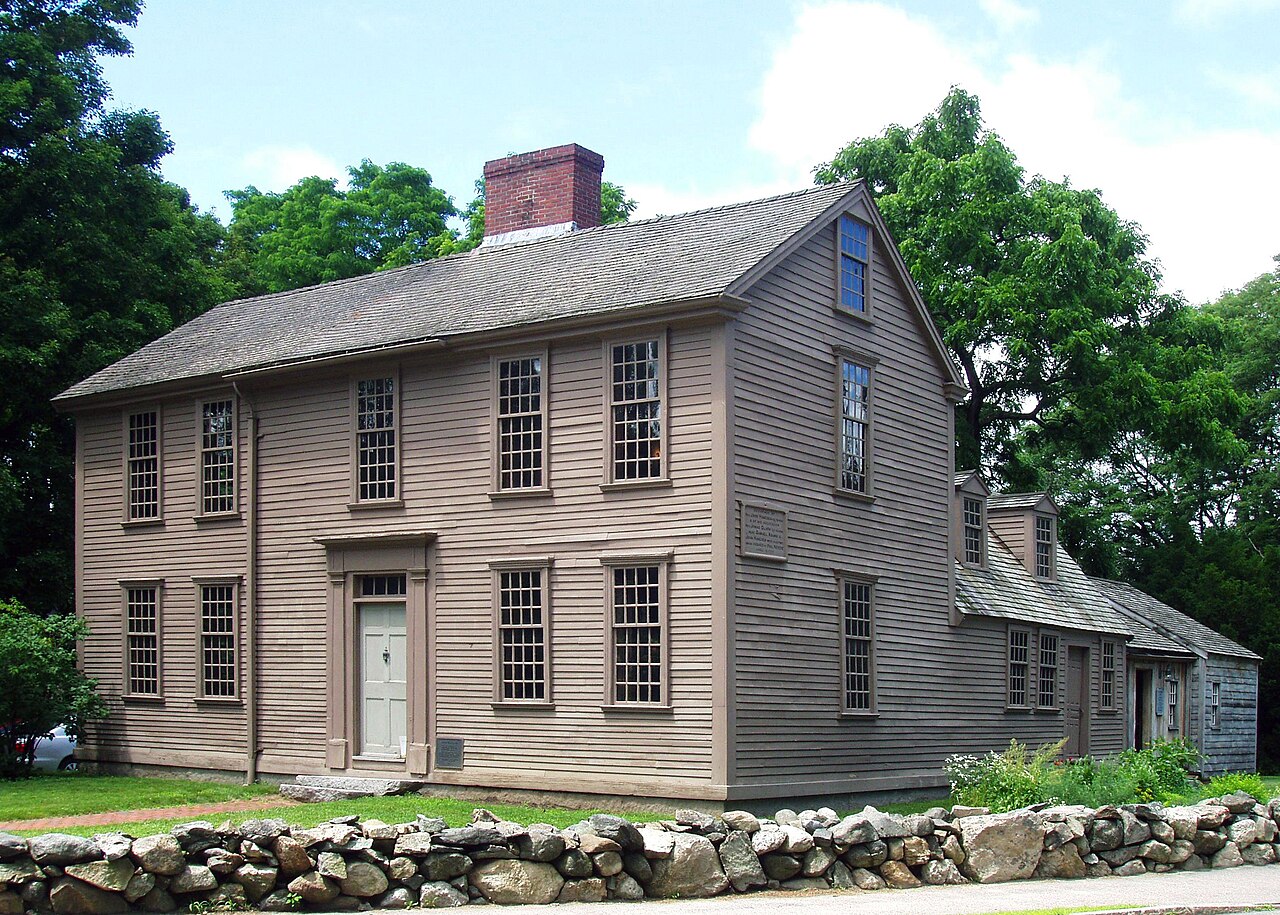
A two-story gray clapboard colonial house with a large red brick chimney and gray shingled roof, set behind a low fieldstone wall under green trees. A small white-trimmed entry door sits under a plain pediment in the center.Artifact

Secondary source

Hancock-Clarke House

1738

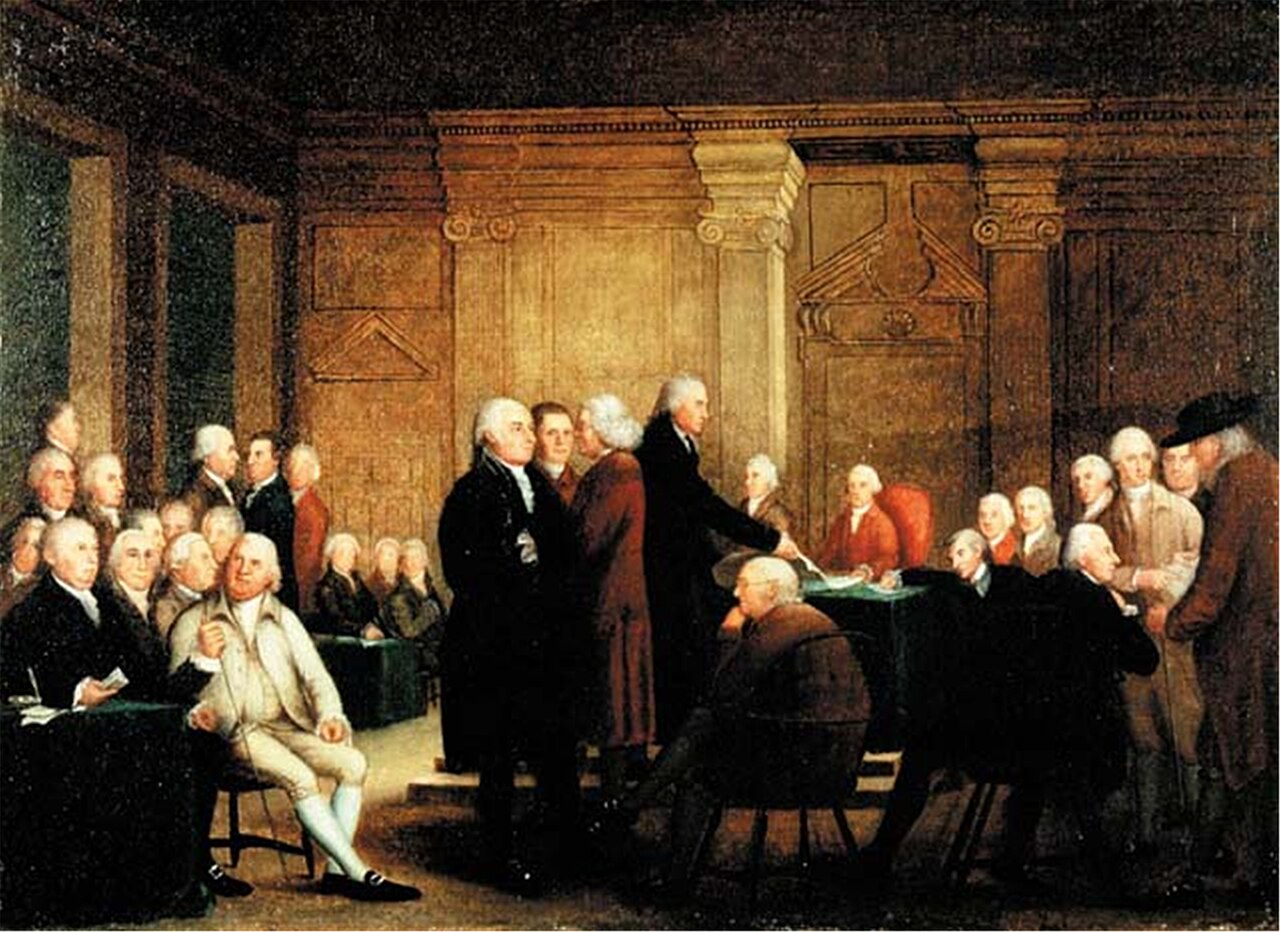
A painting of an interior with wood-paneled walls and columns, where men in 18th-century dress are gathered. In the center, a man in dark clothing and a man in a red coat stand near a table, while a figure reaches toward a desk. Many seated and standing men look on.Painting

Secondary source

Congress Voting Independence

Robert Edge Pine · 1784 (unfinished)

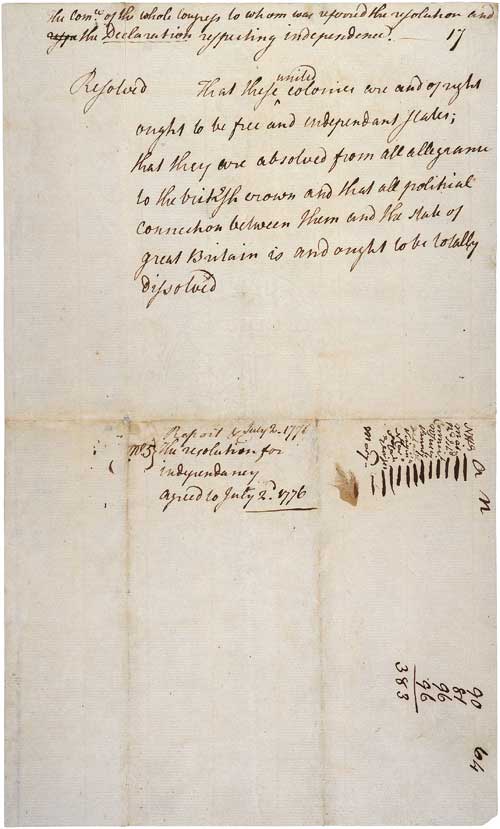
Handwritten manuscript page of the Lee Resolution, showing the resolution text beginning 'Resolved: That these United Colonies are, and of right ought to be, free and independent States', with an endorsement on the lower fold reading 'Resolution for independency, agreed to July 2, 1776' and manuscript notations in the margins.Document

Primary source

Lee Resolution

Richard Henry Lee · 7 June 1776; voted 2 July 1776

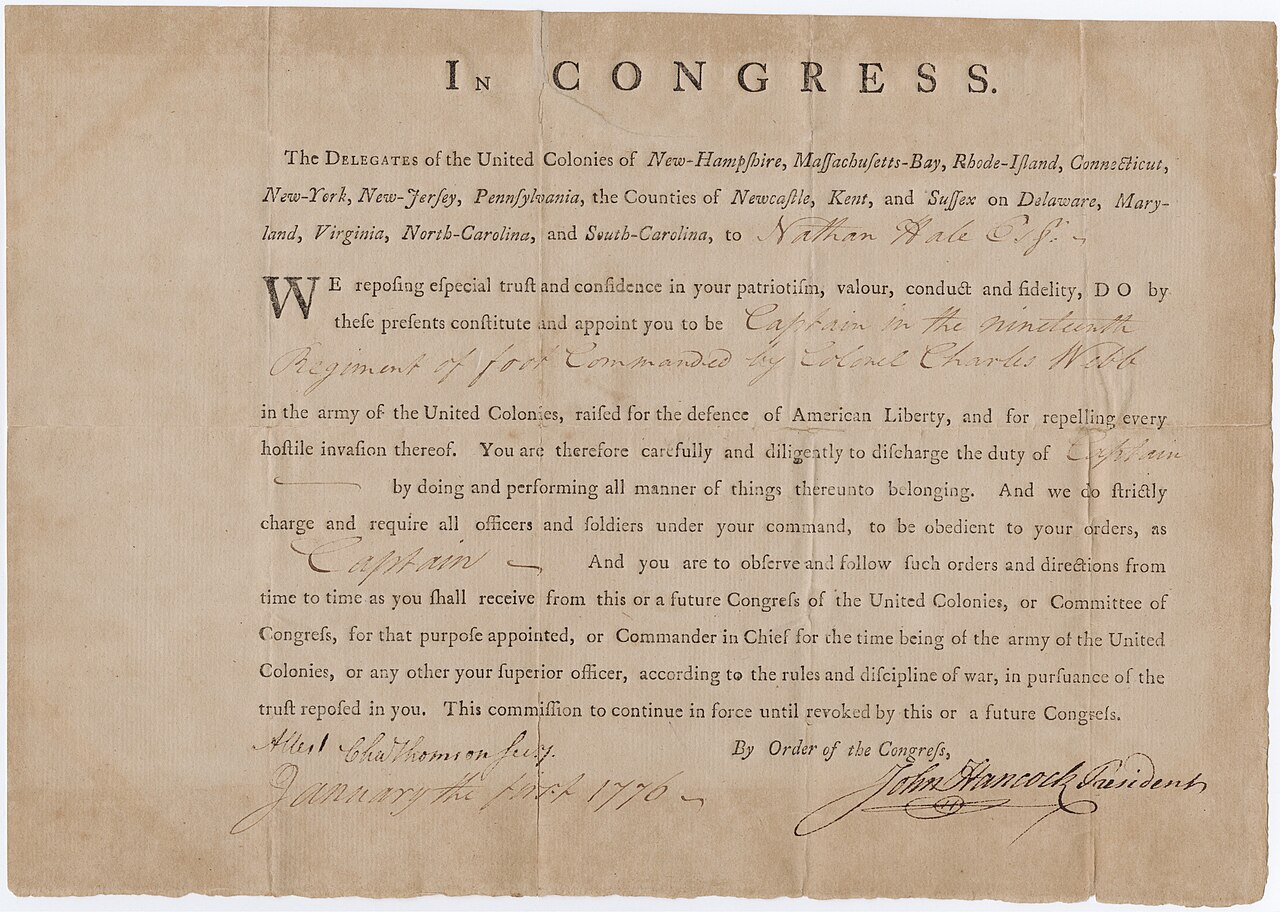
Scan of a handwritten commission document headed 'IN CONGRESS.' It names Nathan Hale as Captain in the Nineteenth Regiment of Foot, commanded by Colonel Charles Webb. The text is signed by John Hancock as President, with a January 1776 date and a second signature line.Document

Primary source

Nathan Hale Commission as Captain

John Hancock · 1 January 1776

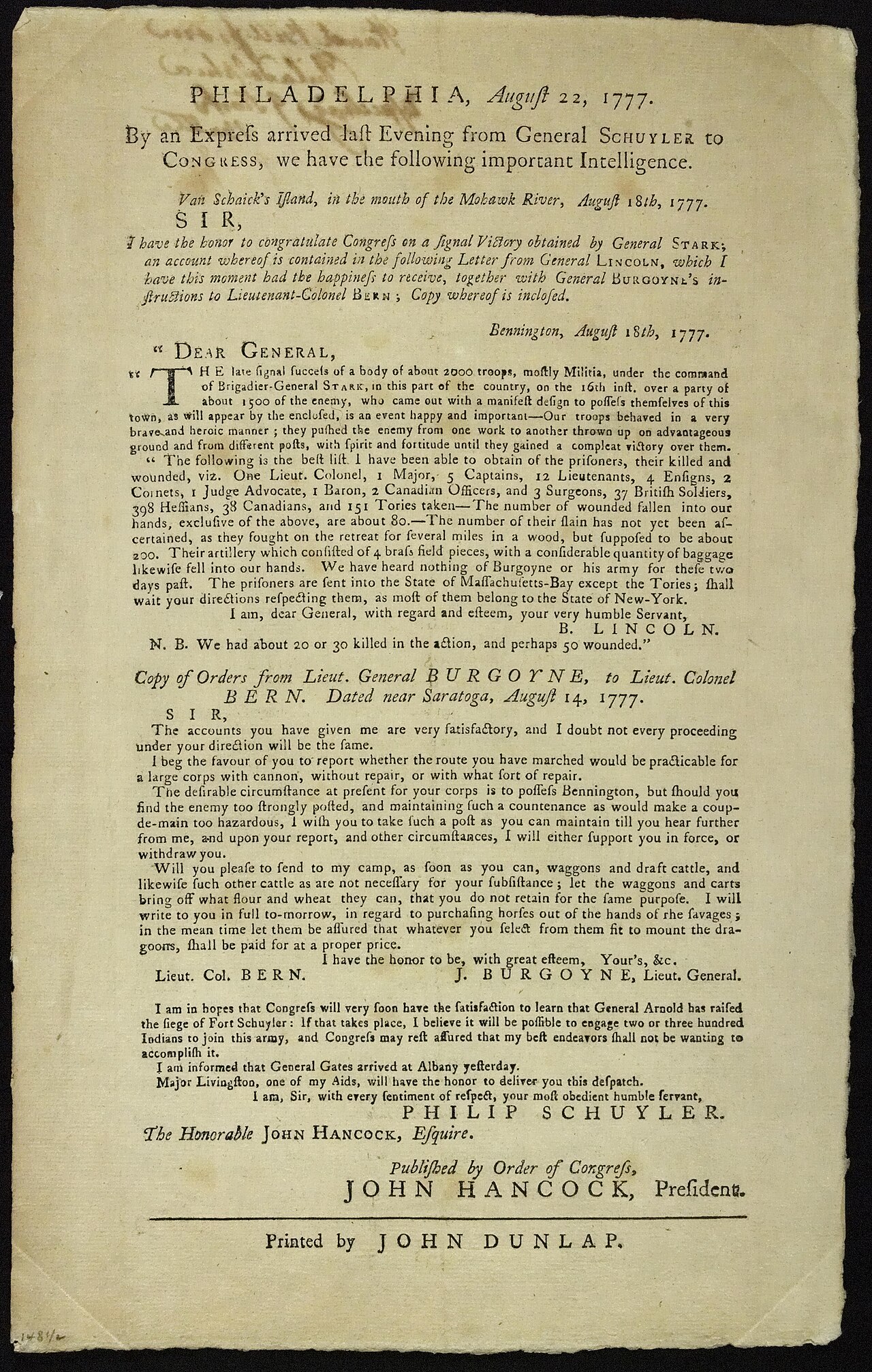
Scan of a 1777 printed broadside dated Philadelphia, August 22, 1777, reporting General Lincoln's letter and Burgoyne's orders. Signed by John Hancock, printed by John Dunlap, with dense small-type text in columns.Document

Primary source

Continental Congress Broadside on General Lincoln Letter, 1777

22 August 1777

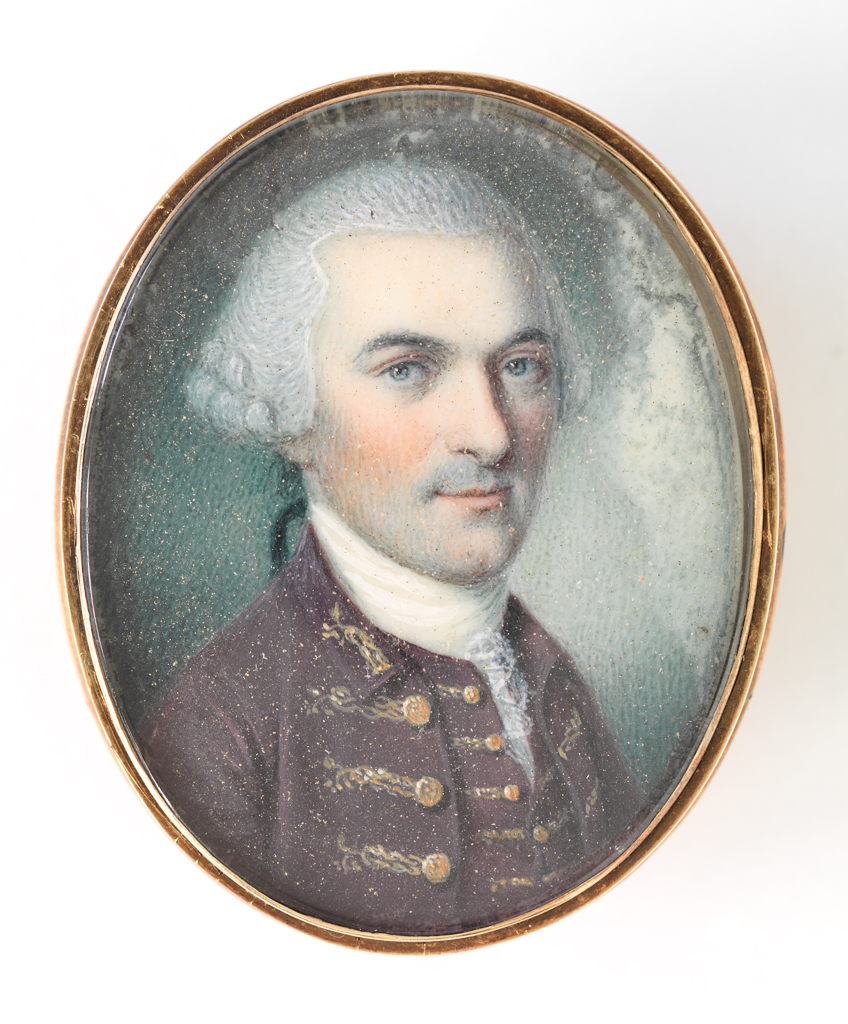
Oval miniature portrait in a gold frame of a man with powdered grey hair, pale blue eyes, and a faint smile. He wears a dark plum coat with gold braided trim and buttons over a white cravat, against a teal-green background.Painting

Primary source

Portrait of John Hancock

Charles Willson Peale · 1776

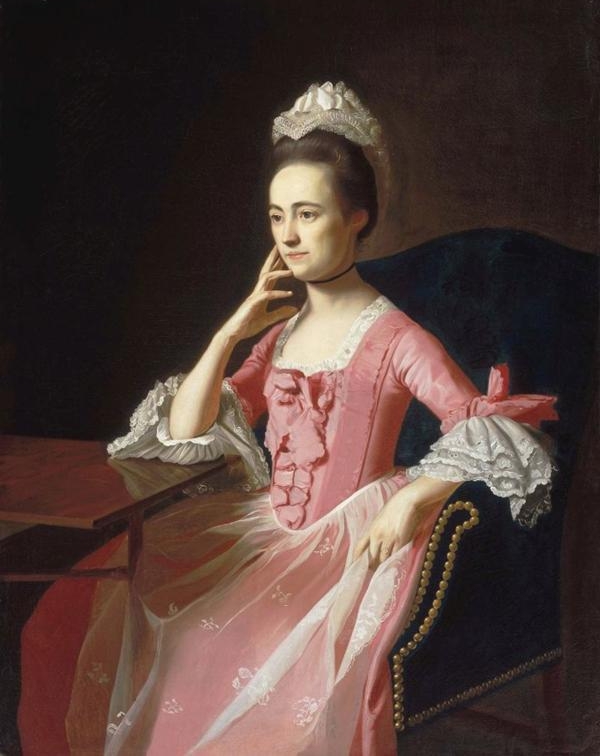
Painting of a seated woman in a pink silk gown with white lace trim, wearing a white lace headdress and a black velvet choker. Her left hand touches her cheek, and she rests her right arm on a table beside a dark blue velvet armchair with brass studs.Painting

Primary source

Mrs. John Hancock (Dorothy Quincy)

John Singleton Copley · c. 1772

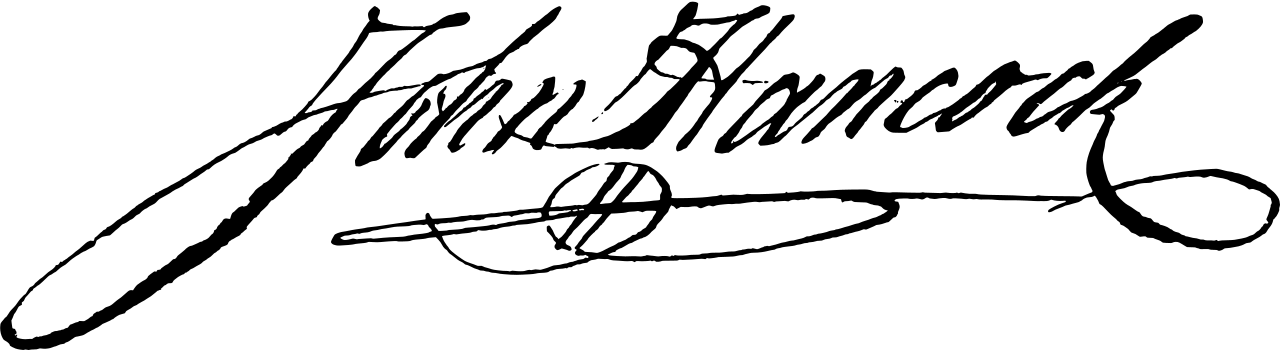
Black ink signature reading 'John Hancock' in flowing cursive script, with a large looping flourish extending left and right beneath the name, and a stylized underline with a circular loop.Document

Primary source

Signature of John Hancock

John Hancock

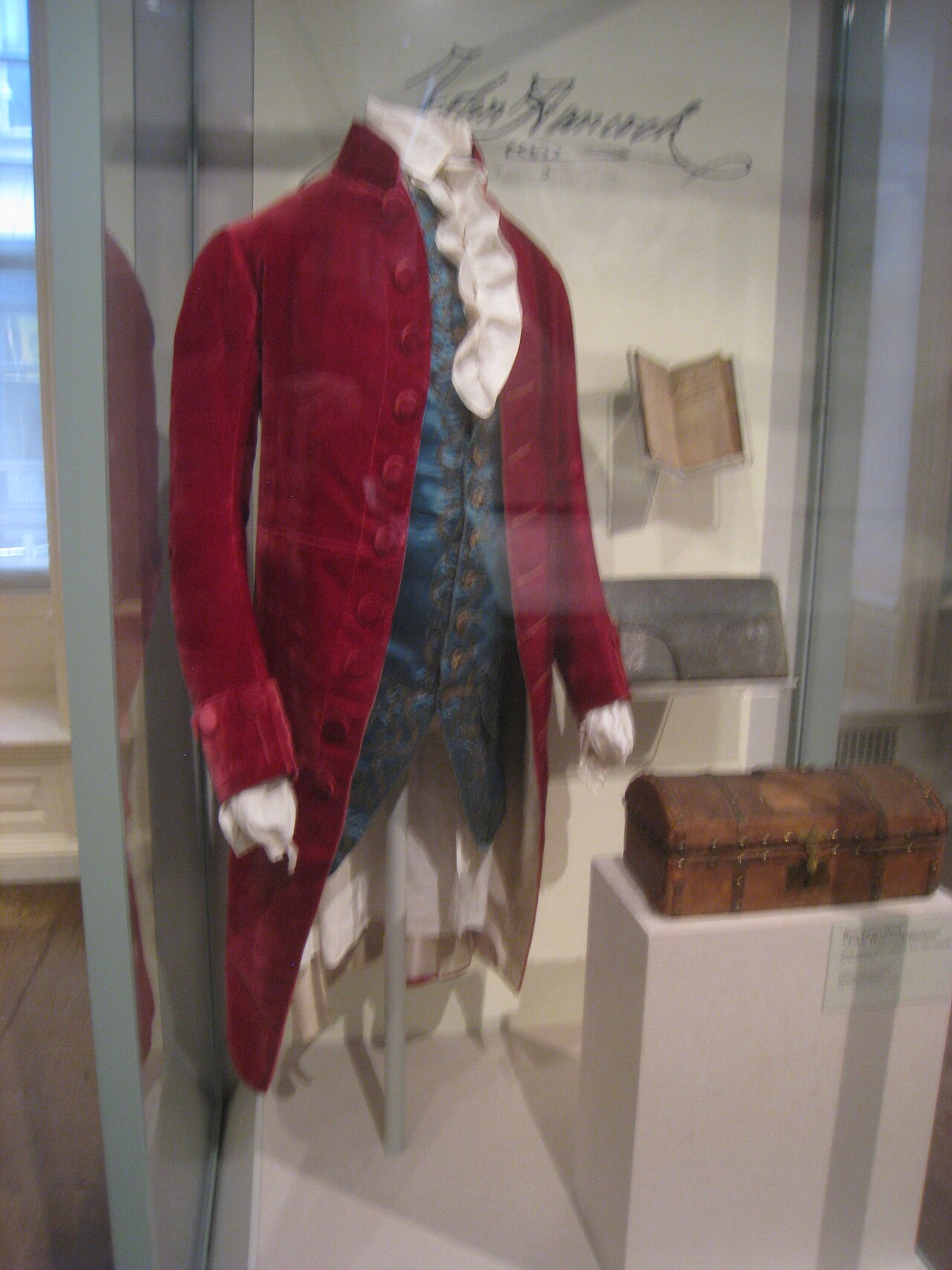
A red velvet coat with large buttons, worn over a blue embroidered waistcoat with a white ruffled jabot, displayed on a mannequin in a glass case. Beside it is a small open book on a stand and a brown leather trunk on a white pedestal.Artifact

Primary source

John Hancock's Coat

c. 1780

Mezzotint engraving of a man in a powdered white wig and dark military-style coat with a white cravat, in an oval frame. Caption below reads: The Hon'ble John Hancock, of Boston in New-England, President of the American Congress.Painting

Primary source

Hancock Mezzotint

R. Purcell (as C. Corbutt) · 1775

Speech

Primary source

Hancock's Speech to the Massachusetts Ratifying Convention Proposing Amendments

John Hancock · 31 January 1788

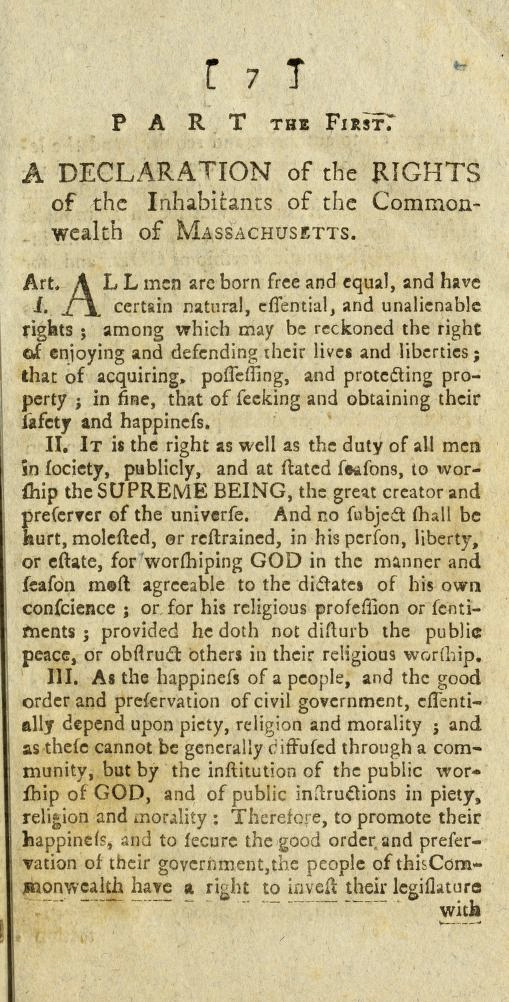
Scan of a printed page titled 'Part the First: A Declaration of the Rights of the Inhabitants of the Commonwealth of Massachusetts', with Article I and Article II text in old-style typeface.Document

Primary source

Constitution of Massachusetts

John Adams · 1779-1780

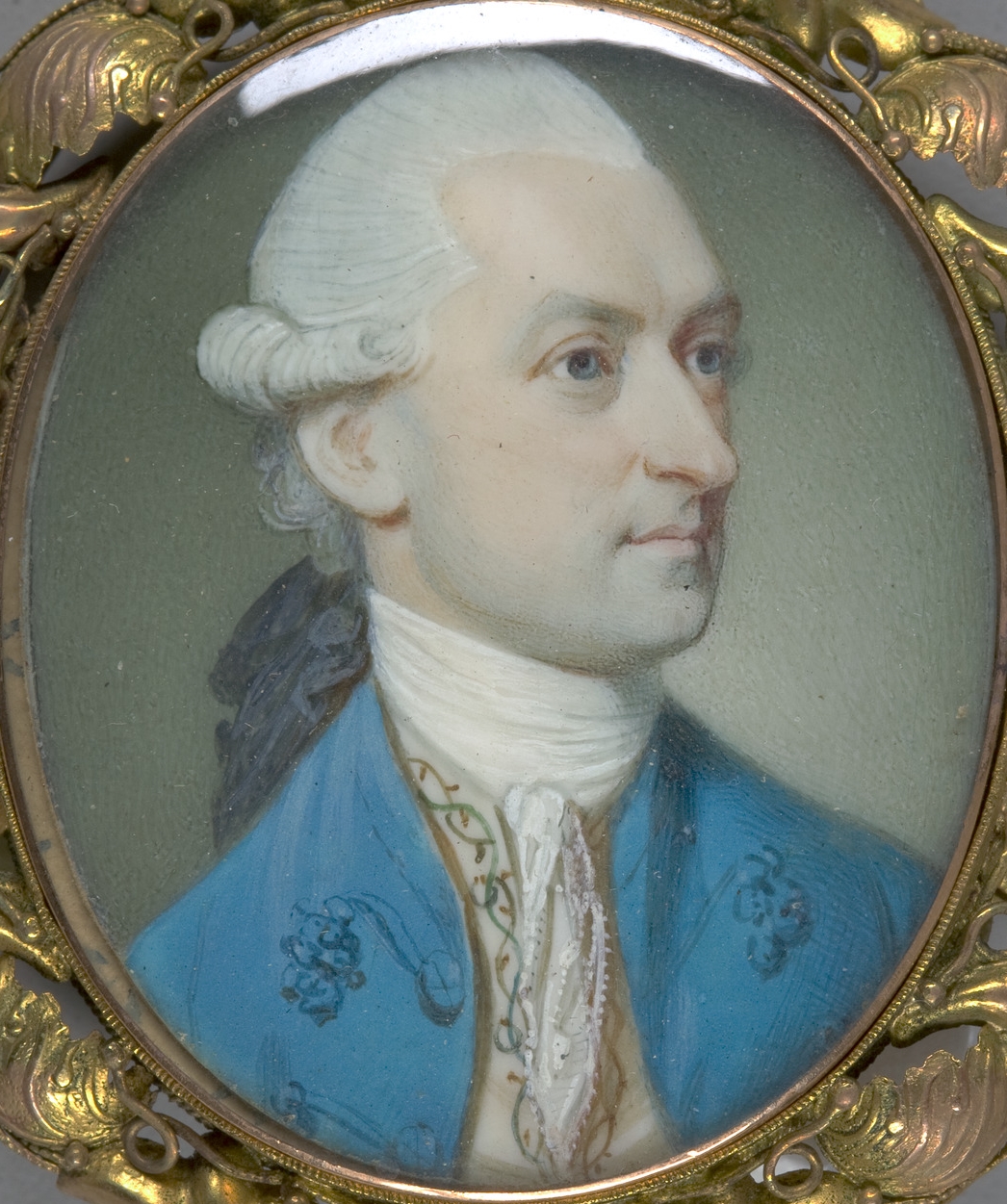
Oval miniature portrait painting of a man in profile-turned three-quarter view, with powdered white hair in a rolled queue, blue eyes, wearing a blue coat with embroidered details over a white cravat, set against a grey-green background within an ornate gold frame.Painting

Primary source

Portrait Miniature of John Hancock

Jeremiah Meyer

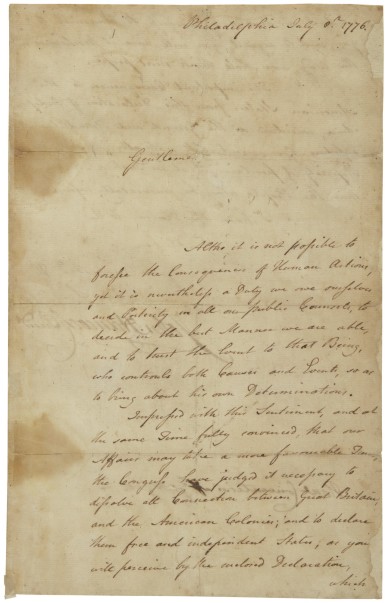
Handwritten manuscript letter on aged paper, dated Philadelphia July 9, 1776 at top, beginning 'Gentlemen' with cursive text discussing the Declaration of Independence and separation from Great Britain. Brown stains mark the left edge.Letter

Primary source

Letter from John Hancock, Philadelphia, 9 July 1776

John Hancock · 9 July 1776

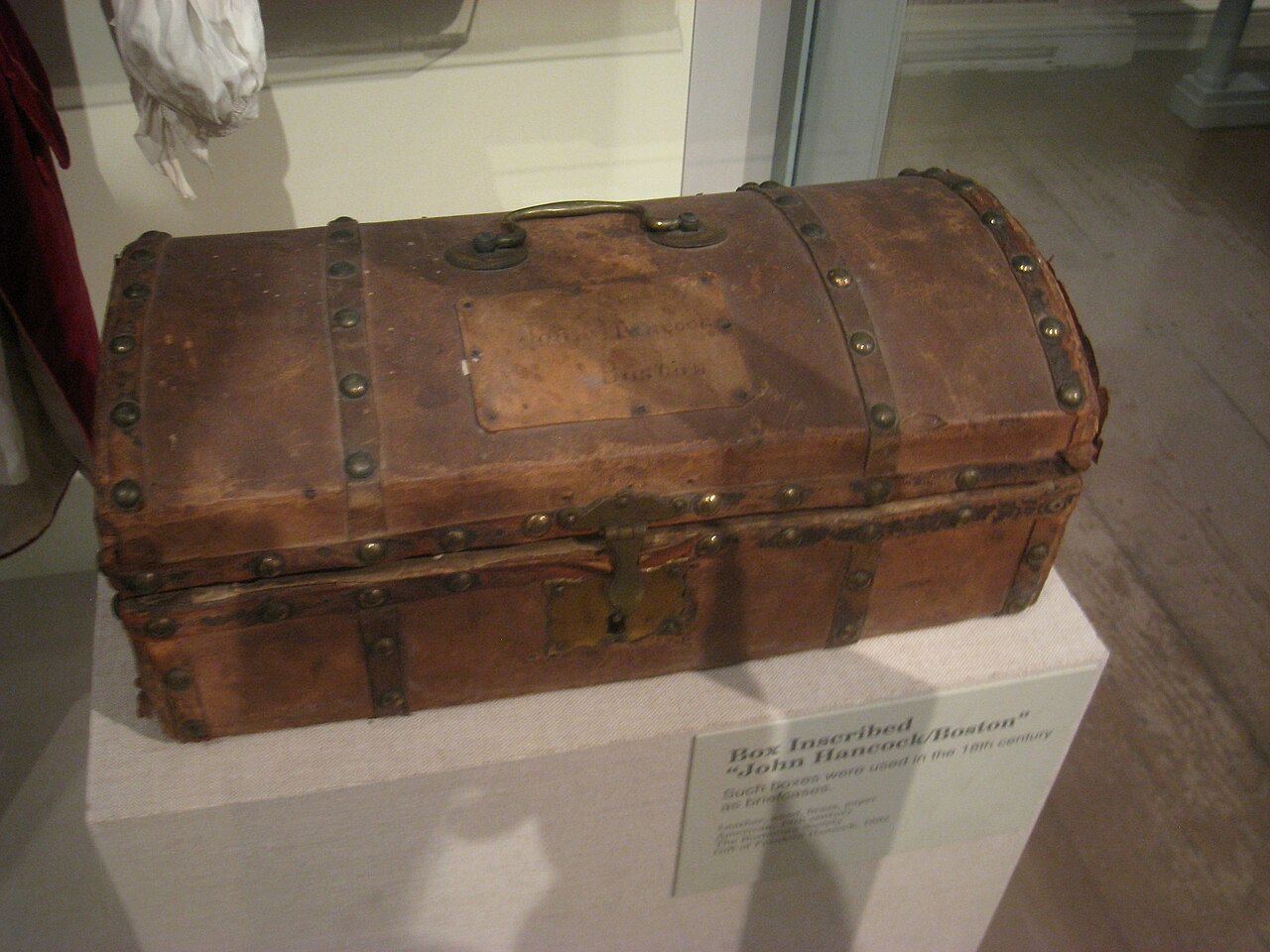
A worn brown leather trunk with a domed lid, brass studs, straps, and a brass handle on top. A brass plate on the lid is engraved with a name. A museum placard sits in front of it.Artifact

Primary source

John Hancock's Trunk

1700s

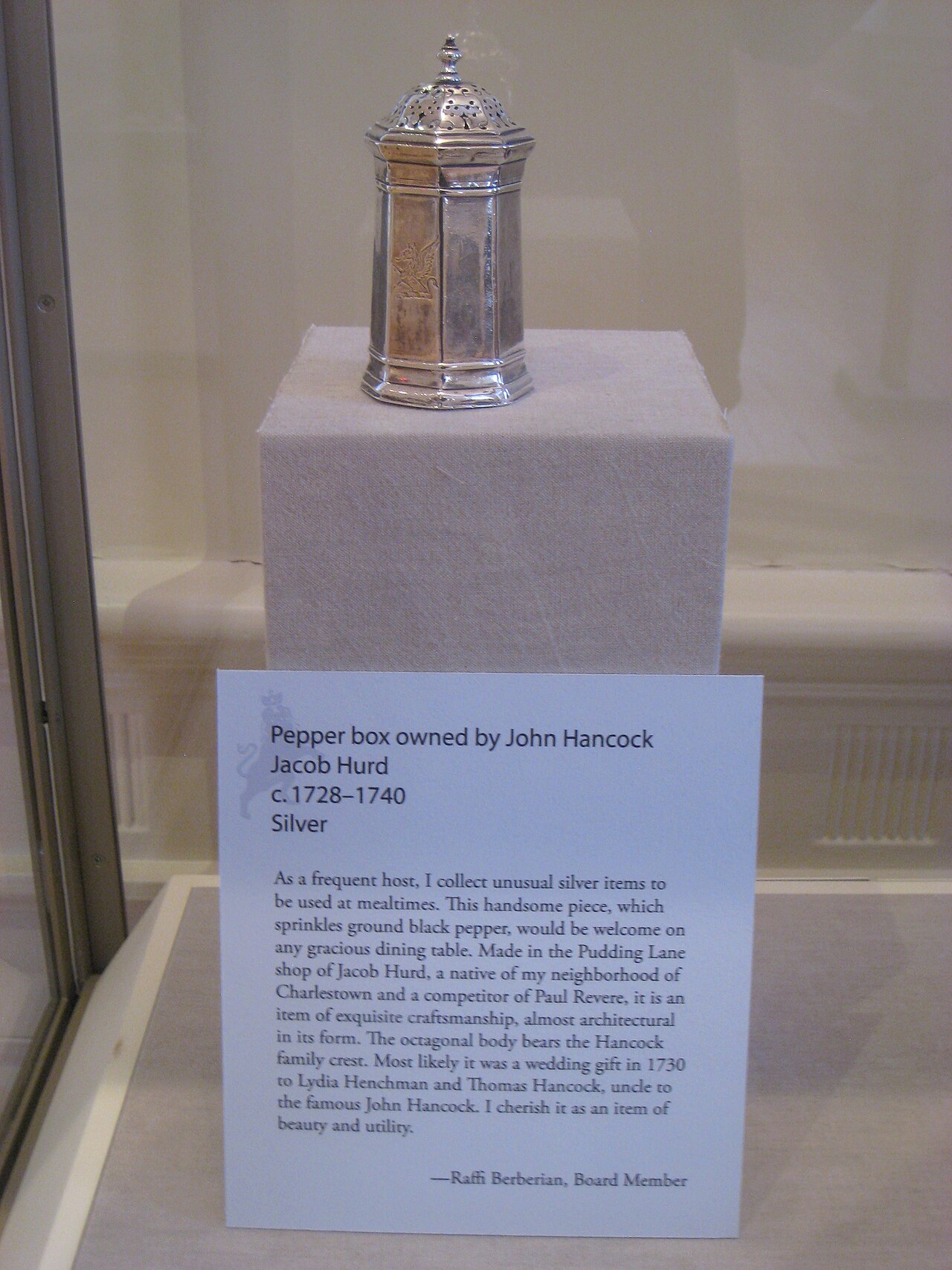
A silver octagonal pepper box with a pierced domed lid and finial, displayed on a beige fabric pedestal in a glass case. A placard in front gives its details and a description of the piece.Artifact

Primary source

John Hancock's Pepper Box

Jacob Hurd · c. 1728-1740

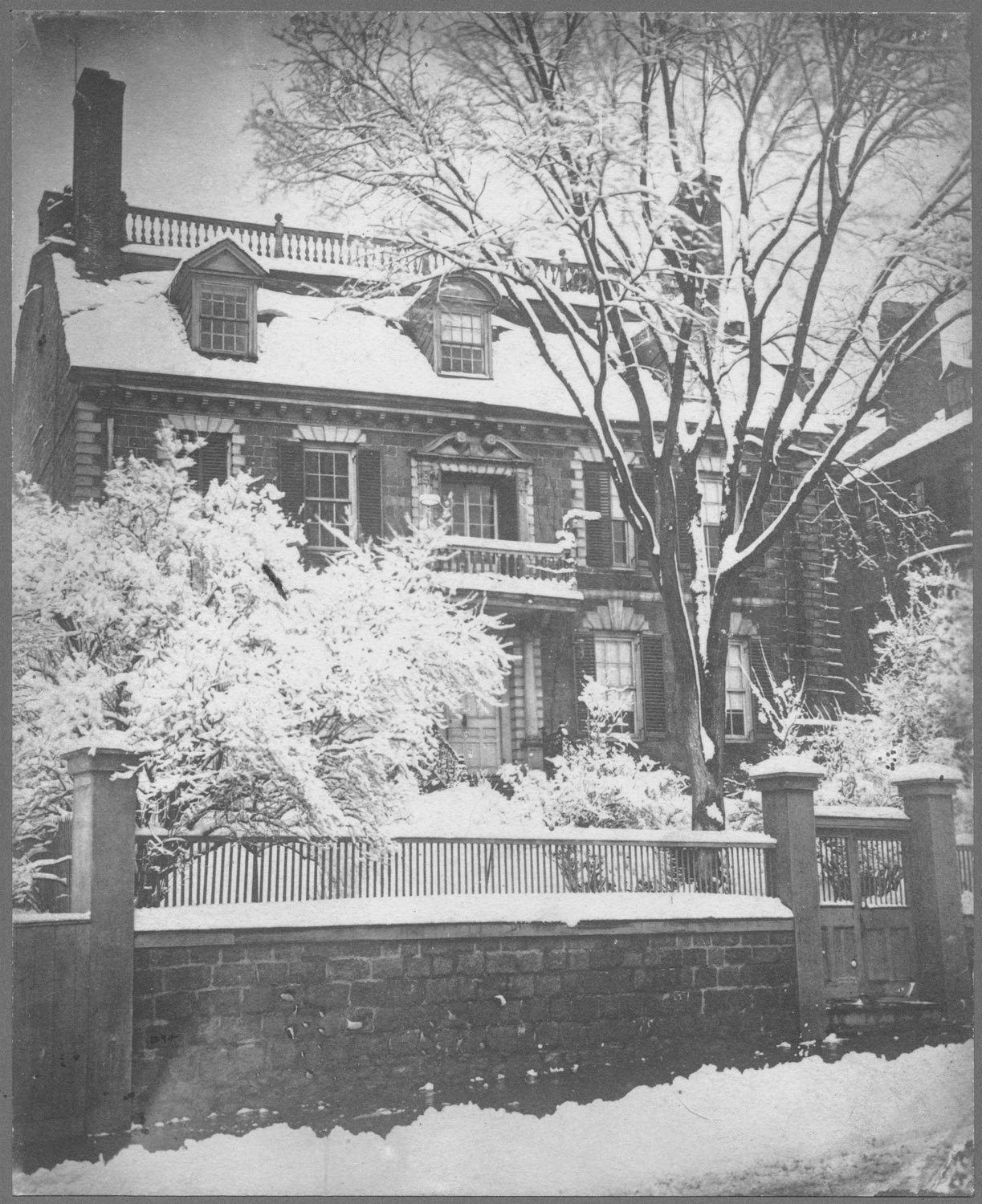
Black and white photograph of a two-story brick colonial mansion in snow, with dormer windows, a chimney, a small balcony over the front door, and a stone wall with iron fence in front. Bare snow-covered trees stand beside it.Photograph

Secondary source

Hancock Manor

1737 (building); photograph c. 1860-1898

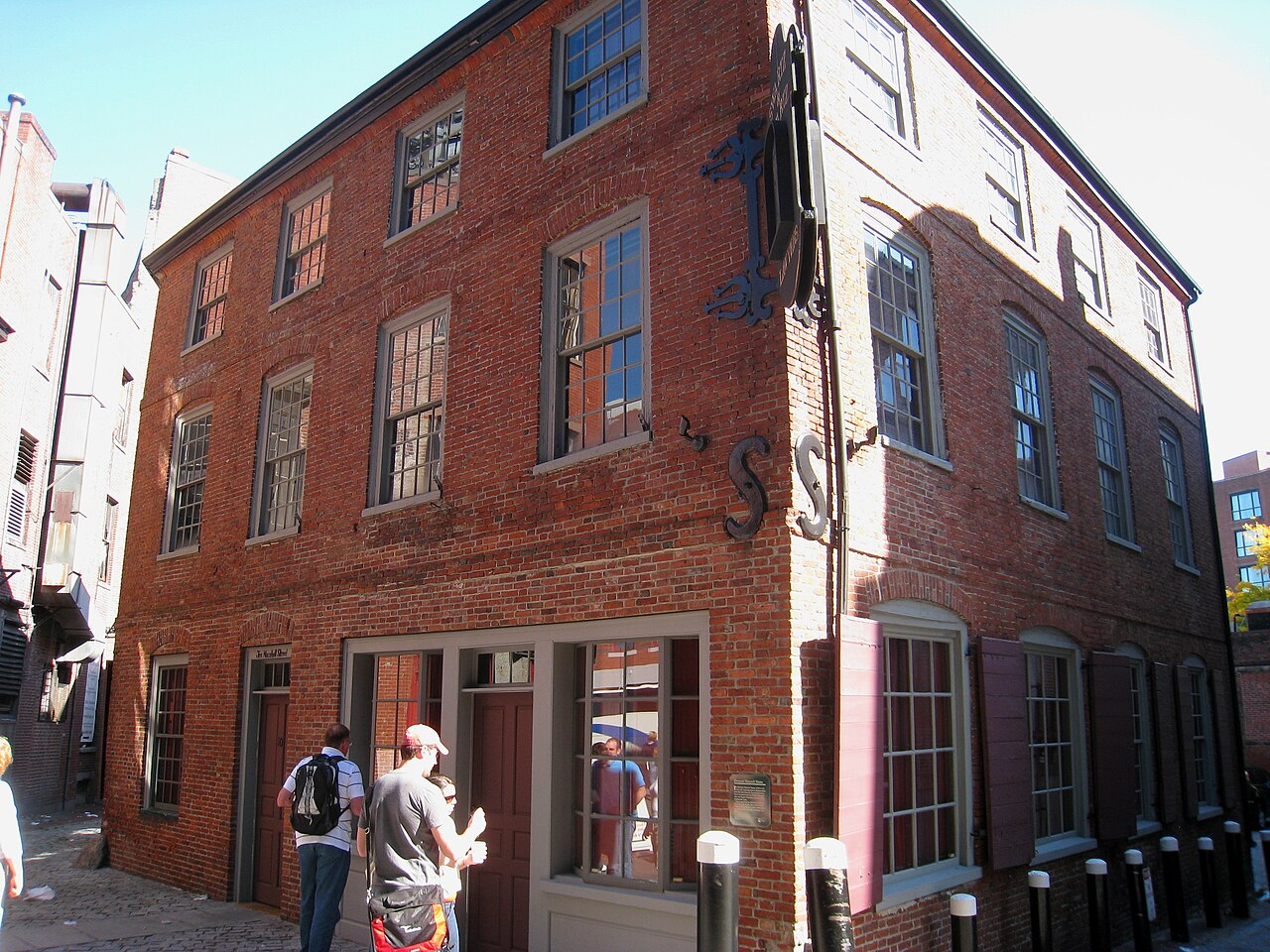
Three-story red brick building on a corner with many multi-pane windows, shutters, and an iron sign bracket. Two pedestrians stand on cobblestones at the street-level entrance with a dark wooden door.Photograph

Secondary source

Ebenezer Hancock House

Daderot · Built 1767

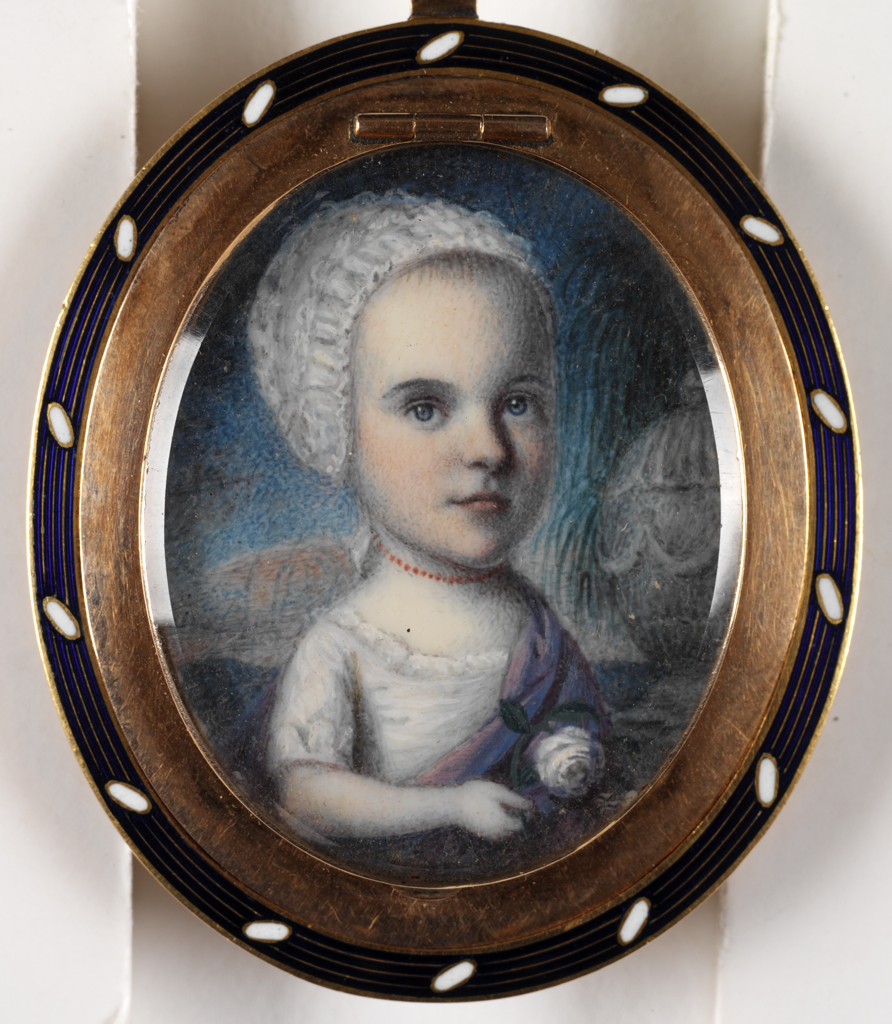
Oval miniature portrait of a young child in a white lace bonnet and white dress with a red coral necklace, holding a white rose, against a blue and dark background, set in an oval gold and blue enamel frame.Painting

Primary source

Portrait of Lydia Henchman Hancock

Charles Willson Peale

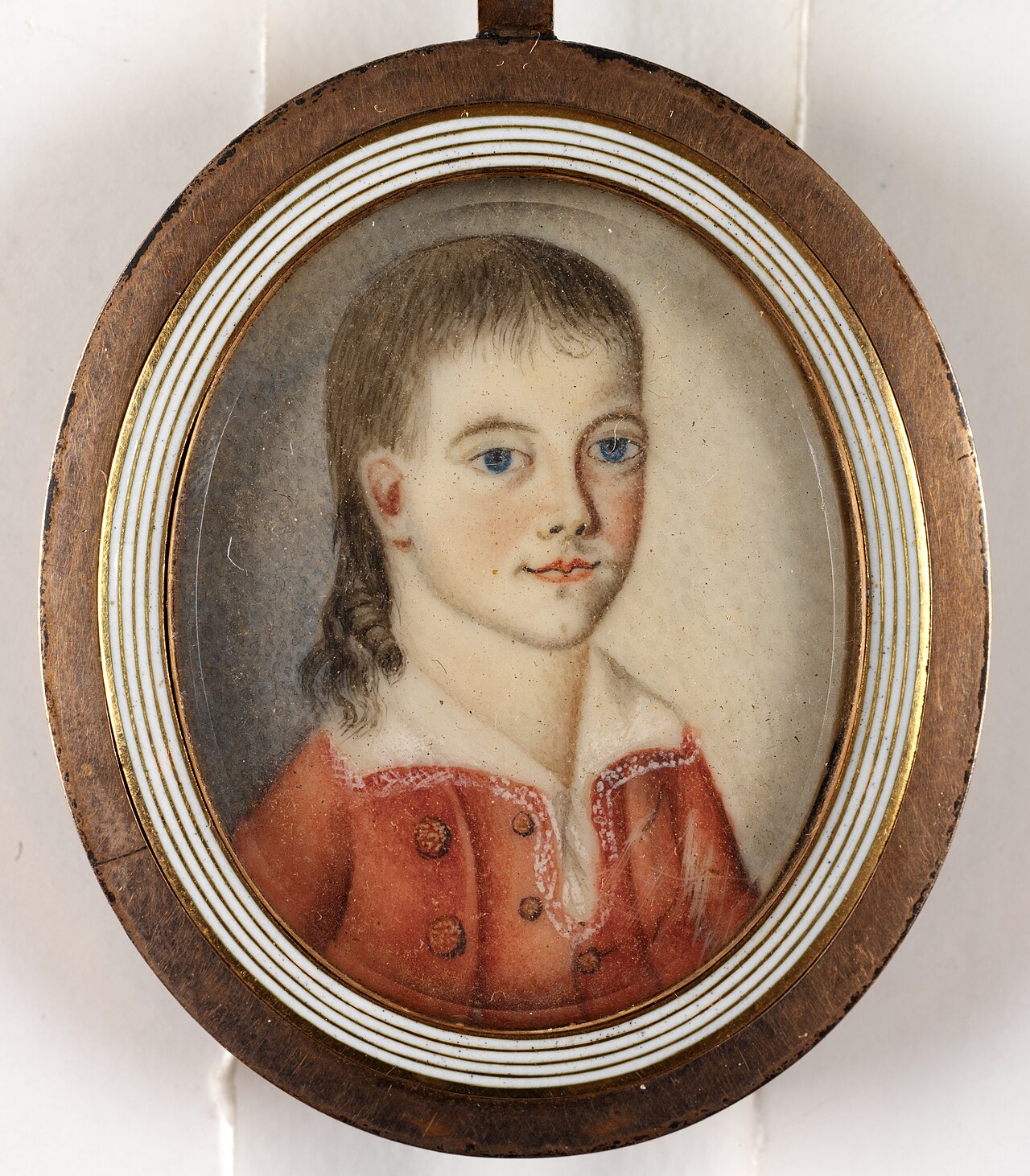
Oval miniature portrait painting of a young boy with short brown hair and blue eyes, wearing a red jacket with a white collar and small buttons, set against a grey-to-cream background. The painting is framed in a wooden oval frame with white and gold striped banding.Painting

Primary source

Portrait of John George Washington Hancock

Charles Willson Peale

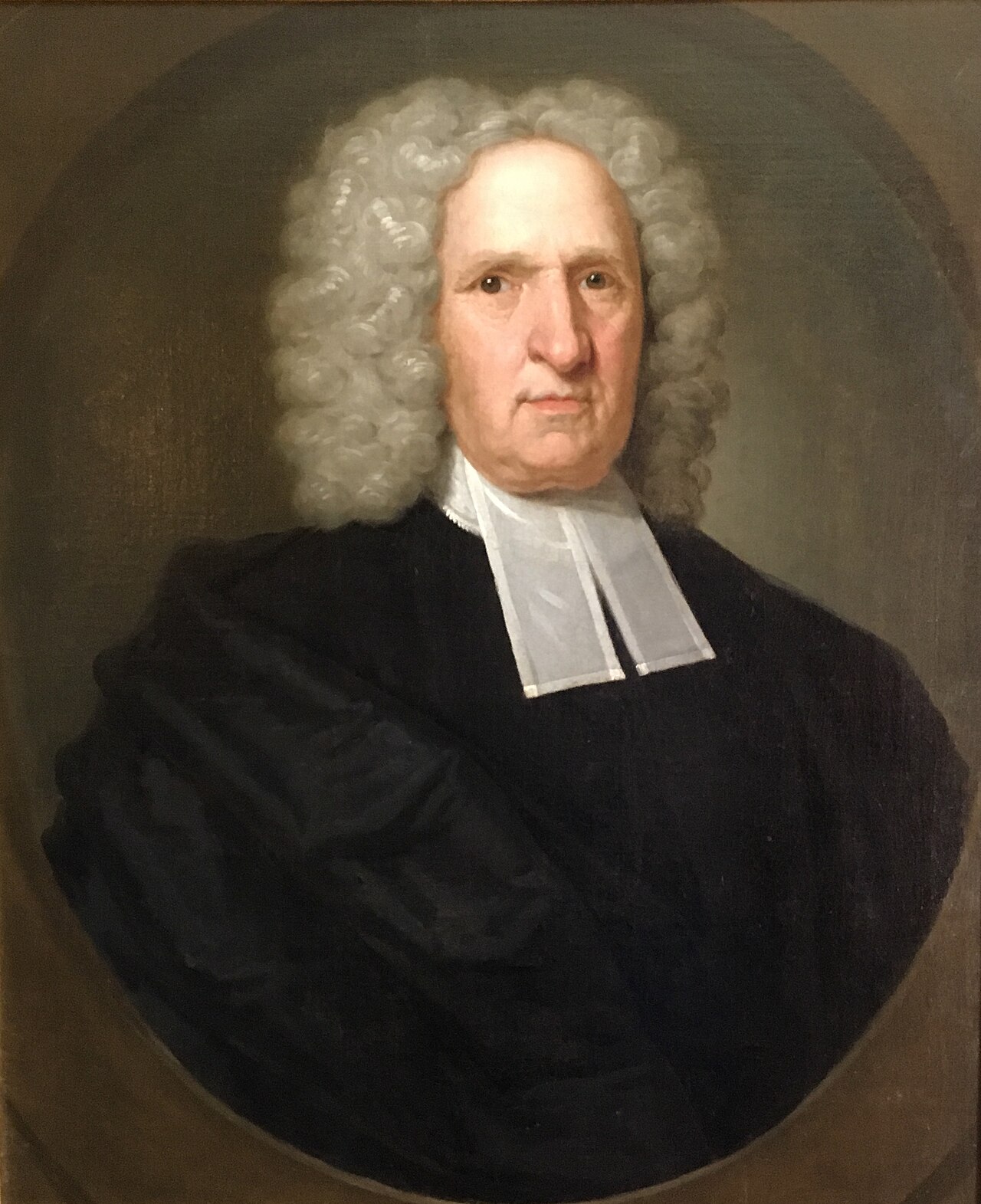
Oil portrait of an elderly man with a full gray wig of curled hair, wearing a black clerical gown and white bands at the collar, shown in an oval vignette against a dark background.Painting

Primary source

Portrait of Reverend John Hancock Sr.

John Smibert · 1730s

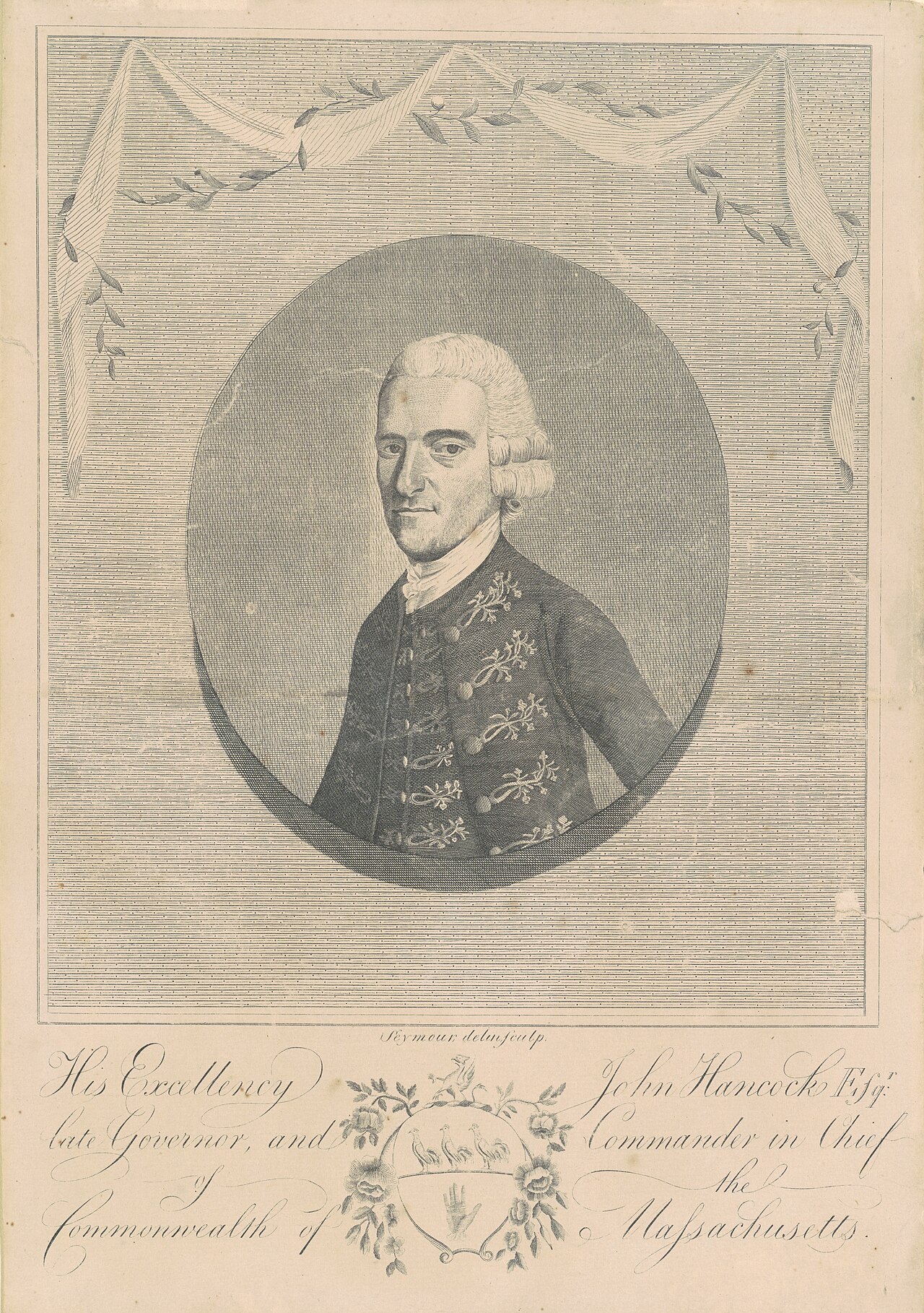
Engraved print of a man in an oval frame, wearing a powdered white wig, high white cravat, and dark embroidered coat. Draped swags with leaves decorate the top border. Script caption below reads His Excellency John Hancock, Esq., late Governor and Commander in Chief of the Commonwealth of Massachusetts. Engraver's credit below the frame.Painting

Secondary source

His Excellency John Hancock, Esquire

Joseph H. Seymour · c. 1794

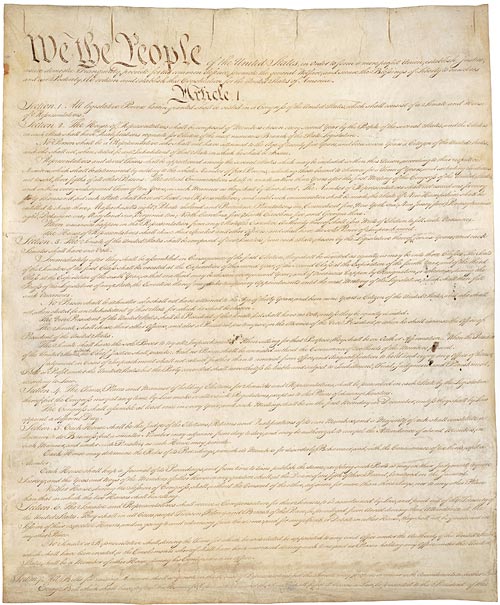
Photograph of the original parchment of the United States Constitution. The large handwritten text begins with the words 'We the People' in ornate script, followed by the article headings and dense lines of brown-ink writing on aged, yellowed parchment.Document

Primary source

United States Constitution

Constitutional Convention · 17 September 1787

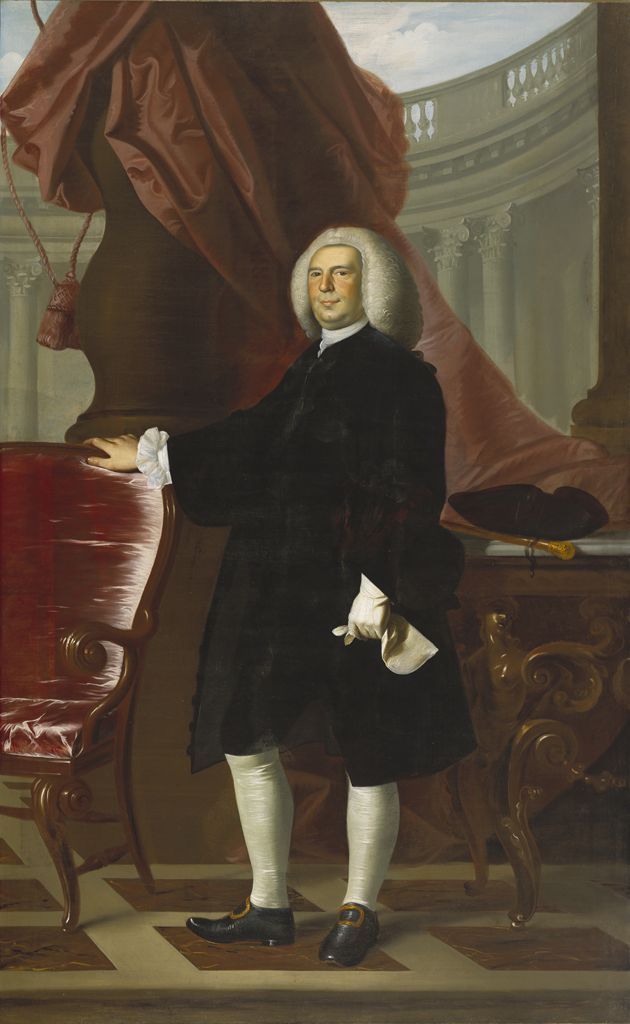
Full-length oil portrait of a man in a white wig and black coat with white cuffs and stockings, standing beside a red upholstered chair and a carved table with a hat, before a classical colonnade and red drapery.Painting

Primary source

Portrait of Thomas Hancock

John Singleton Copley · c. 1764–1766

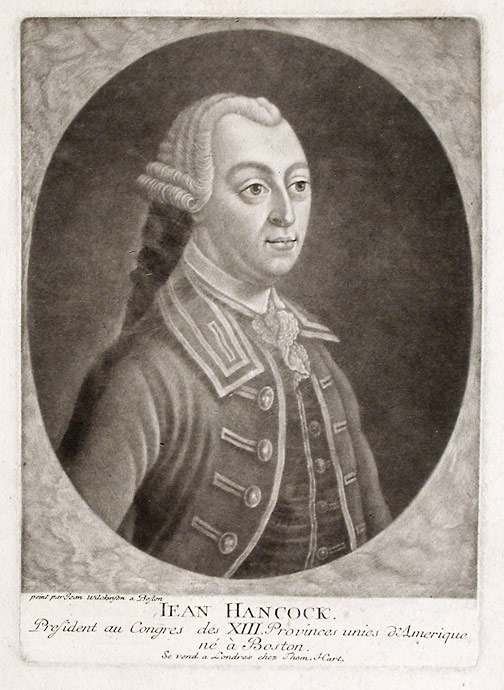
Engraved oval portrait of a man in a powdered wig and military-style coat with braided trim and buttons, in three-quarter view. Printed caption below reads 'Jean Hancock, Président au Congrès des XIII Provinces unies d'Amerique, né à Boston.' Small publisher credit in lower corners.Painting

Primary source

Jean Hancock, Président au Congrès des XIII Provinces unies d'Amerique

c. 1776

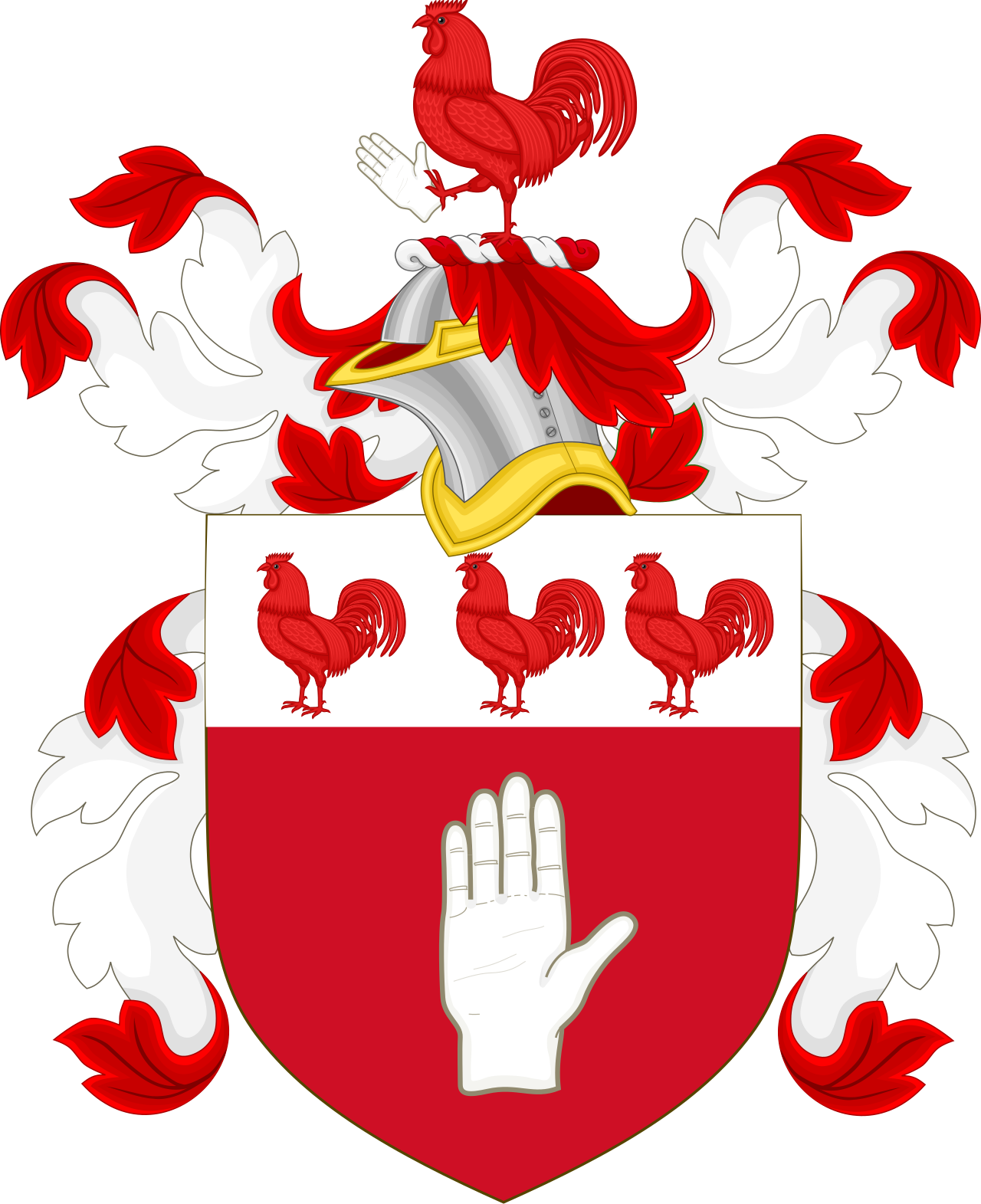
Heraldic coat of arms: a red shield with a white top band bearing three red roosters, and a white dexter hand (open palm) in the lower red field. Above the shield sits a helmet with red mantling, topped by a red rooster holding a white hand. White and red foliage ornaments surround the shield.Artifact

Primary source

Coat of Arms of John Hancock

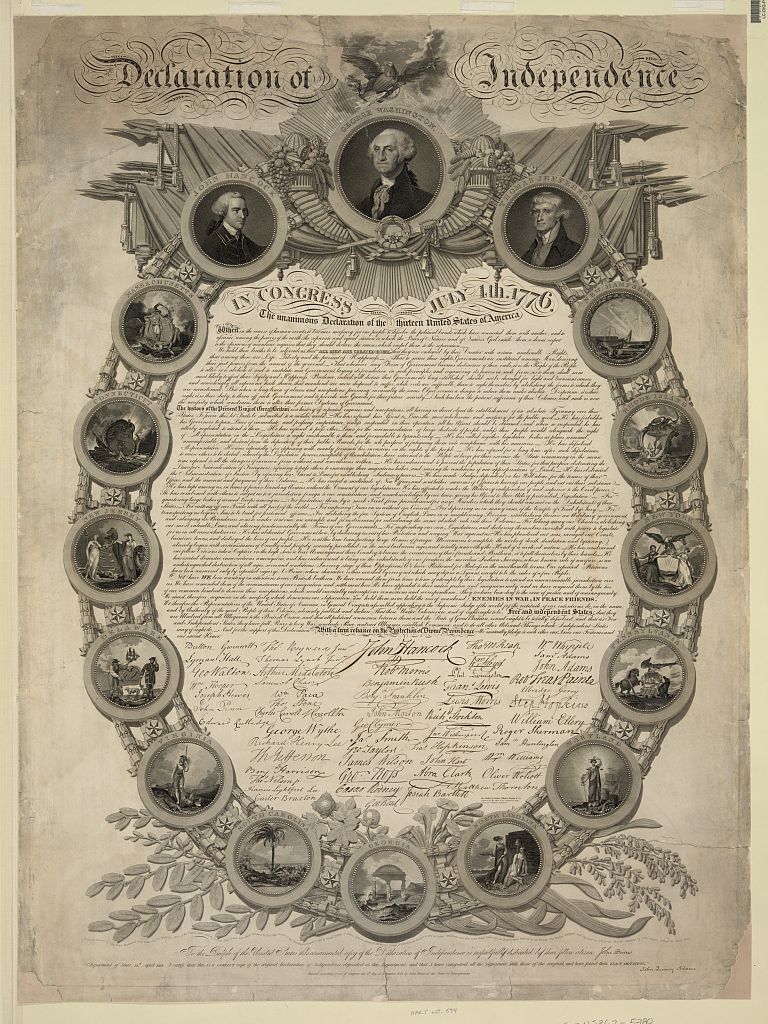
An ornate engraved print of the Declaration of Independence titled 'Declaration of Independence' with 'In Congress July 4th 1776' below. Portrait medallions of George Washington at top center, with two other men flanking him, and vignette scenes around the border. Dense text fills the center, with signatures at the bottom including John Hancock's large signature.Painting

Secondary source

Binns Declaration

John Binns · 1819

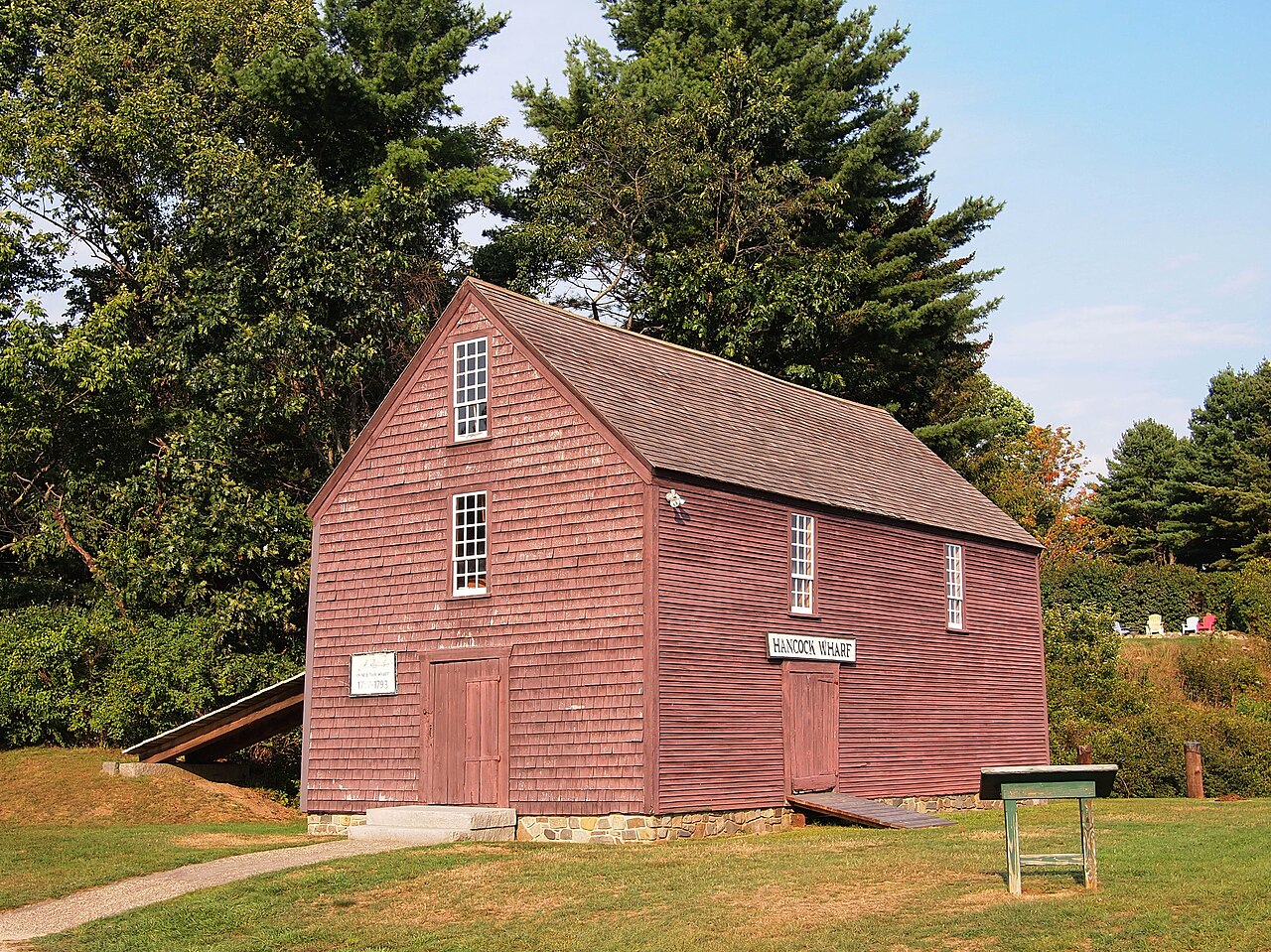
A two-story red-painted wooden warehouse with shingled gable end, multi-pane windows, and a sign reading 'Hancock Wharf' on its side, set on a stone foundation in a grassy area near trees.Artifact

Secondary source

Hancock Wharf

1787-1793

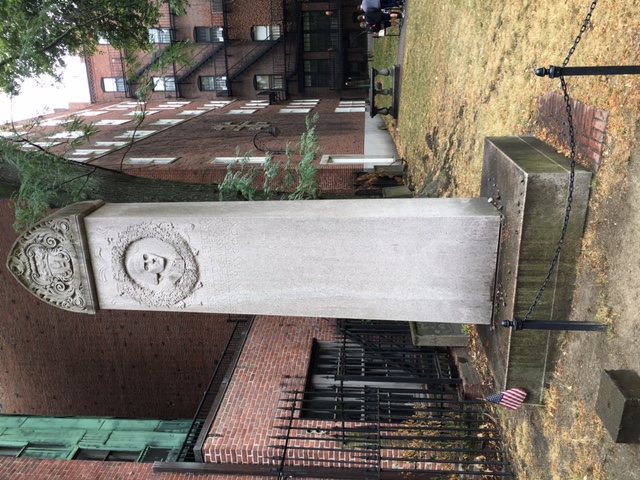
A tall granite obelisk-style stone monument with a carved medallion portrait of a man in a wreath near its top, standing in a small grassy plot beside brick buildings and an iron fence with a flag.Sculpture

Secondary source

Grave of John Hancock

Letter

Primary source

Letter to the Inhabitants of the Province of Canada

Continental Congress · 24 January 1776

An Oration Delivered March 5, 1774Speech

Primary source

An Oration Delivered March 5, 1774

John Hancock · 5 March 1774

Ten Chapters in the Life of John HancockNewspaper article

Primary source

Ten Chapters in the Life of John Hancock

Stephen Higginson · 1789 (reprinted 1857)

Document

Primary source

In Congress, Philadelphia, July 28, 1775

Continental Congress · 28 July 1775

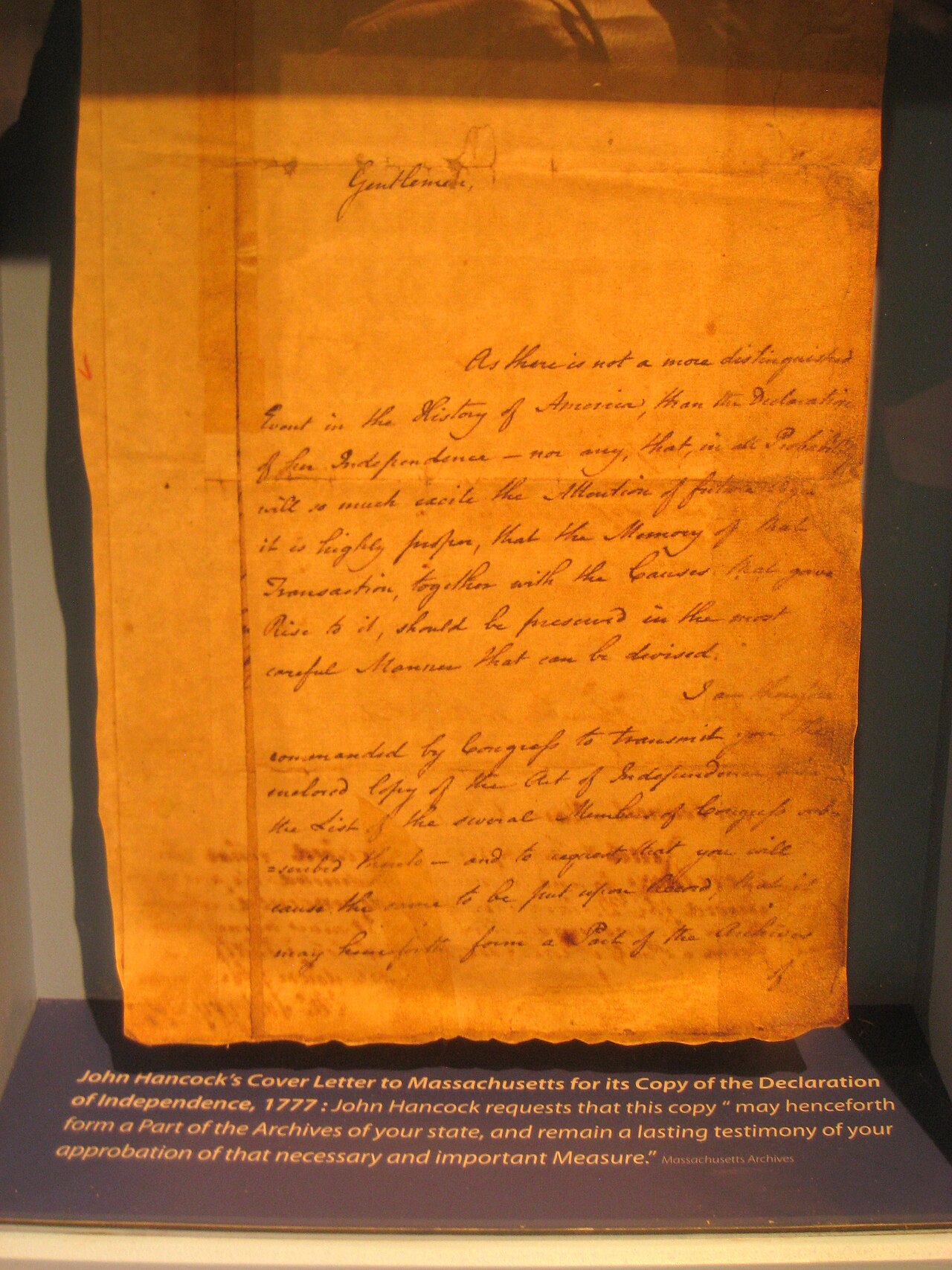
Photo of a handwritten letter on aged, orange-tinted paper in a museum display case, beginning 'Gentlemen,' with a caption plate below describing John Hancock's 1777 cover letter to Massachusetts.Letter

Primary source

John Hancock's 1777 Cover Letter to Massachusetts

John Hancock · 1777

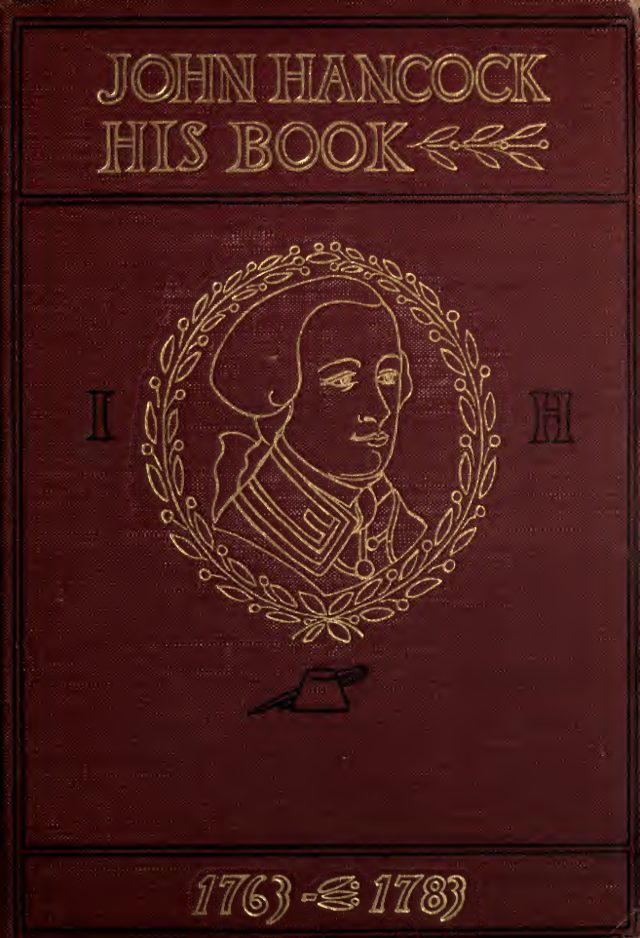
John Hancock, His BookBook

Secondary source

John Hancock, His Book

Abram English Brown · 1898

John Hancock: A Character SketchBook

Secondary source

John Hancock: A Character Sketch

John R. Musick · 1903

John Hancock, the Picturesque PatriotBook

Secondary source

John Hancock, the Picturesque Patriot

Lorenzo Sears · 1912

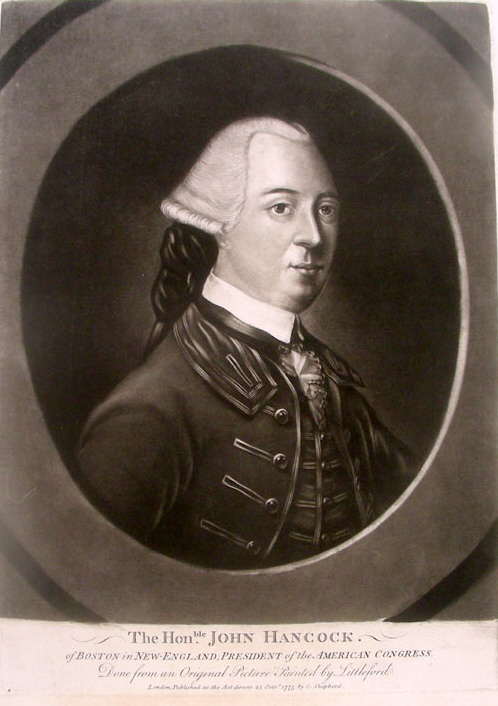
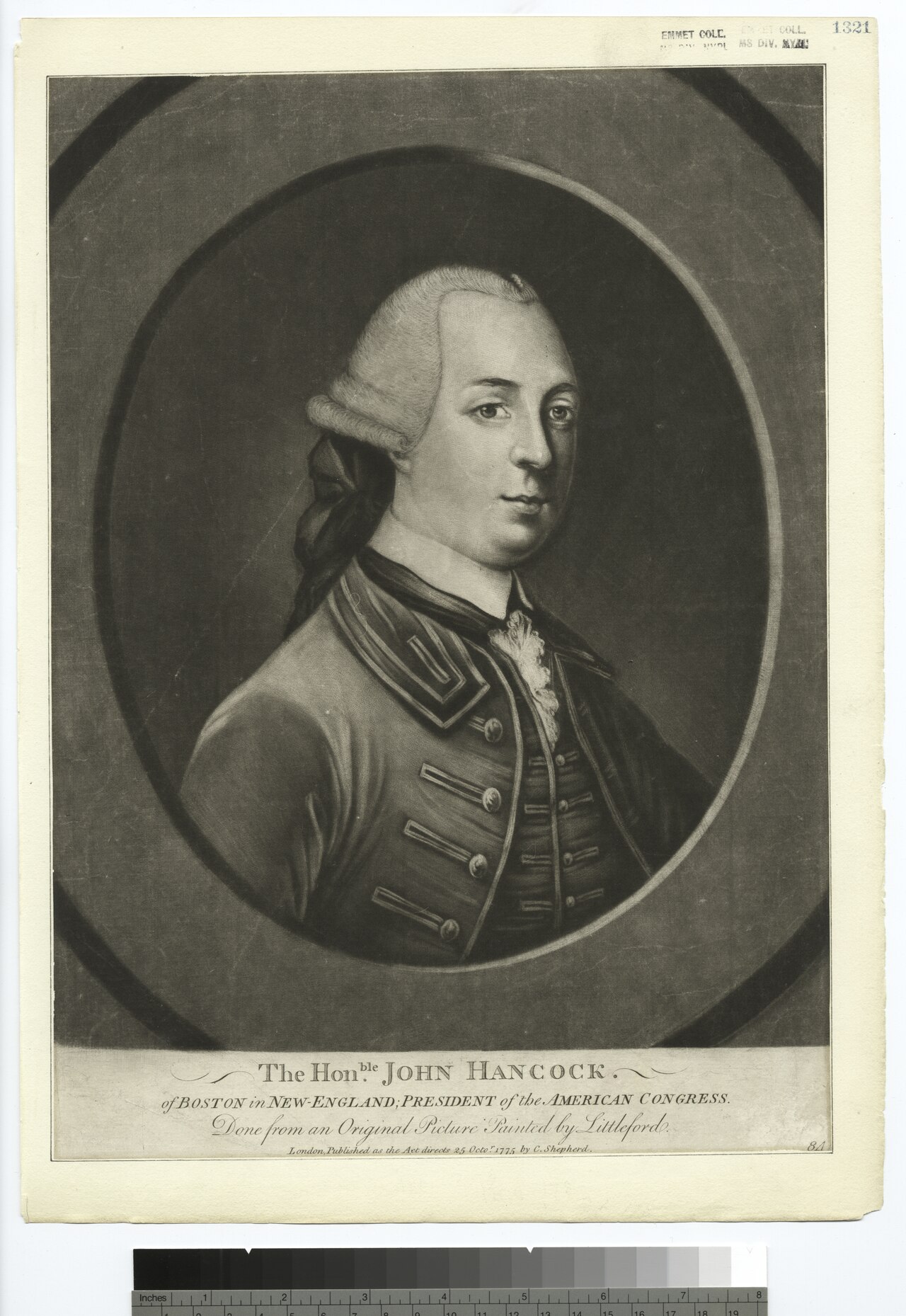
Mezzotint print in an oval frame of John Hancock, head-and-shoulders portrait facing right, wearing a powdered wig tied back and a high-collared coat with buttons. Caption below reads 'The Honble John Hancock'.Painting

Primary source

The Honble. John Hancock of Boston in New-England, President of the American Congress

Littleford · 1775

John Hancock and His TimesSpeech

Secondary source

John Hancock and His Times

William Clarence Burrage · 13 June 1890

Document

Tertiary source

Hancock, John, Encyclopaedia Britannica 1911 entry

1911

Interview

Secondary source

John Hancock: The Picturesque Patriot

Lorenzo Sears · 1913

Document

Primary source

Massachusetts Ratifying Resolution of the Constitution

1788

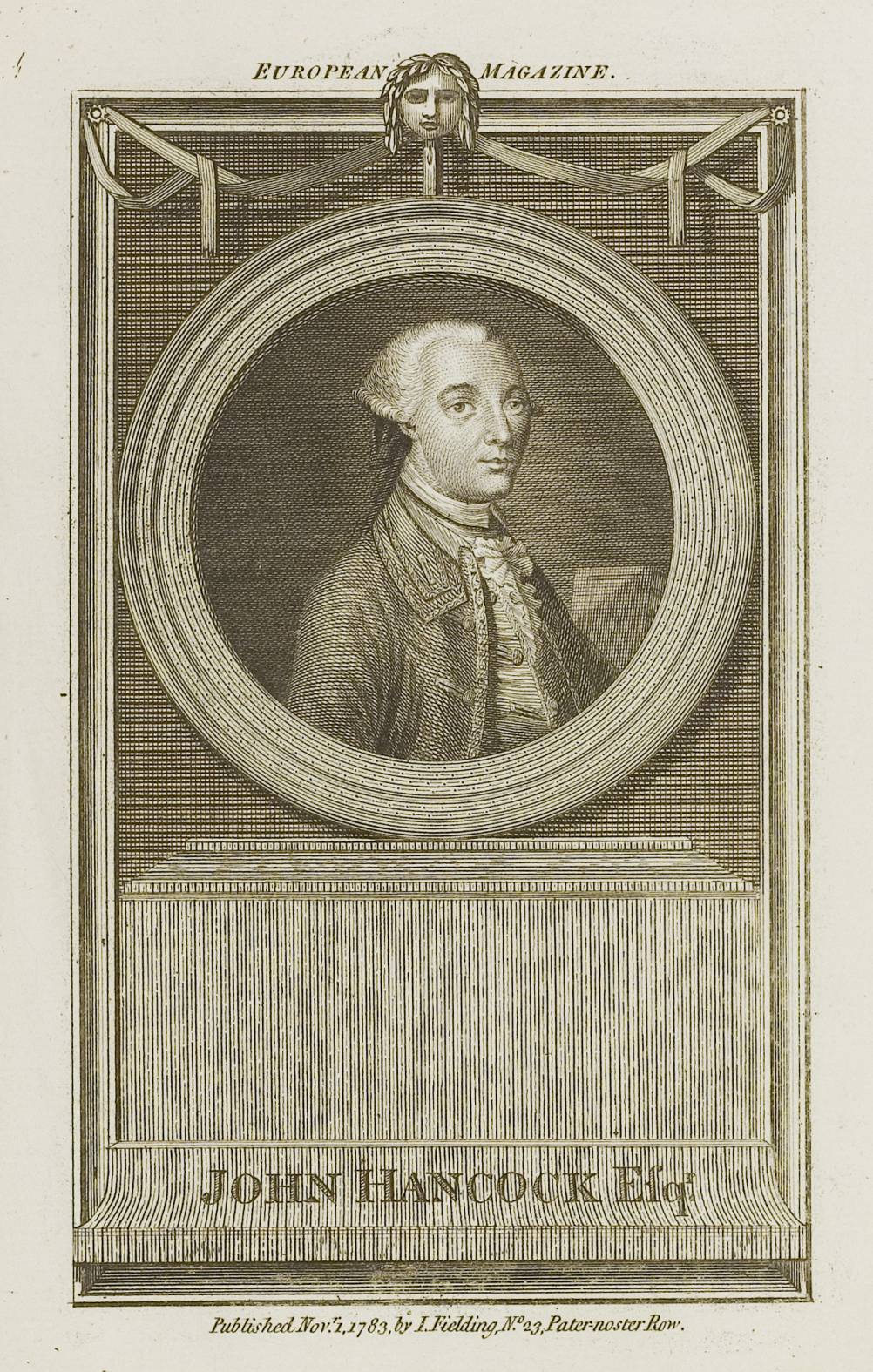
Engraved portrait of a man in an oval frame, shown bust-length in 18th-century dress with a high white cravat and powdered hair, mounted on a pedestal inscribed 'John Hancock Esq.' Above reads 'European Magazine'; below, 'Published Nov 1, 1783, by J. Fielding, No 23, Pater-noster Row.'Painting

Primary source

John Hancock, Engraving in the European Magazine

1783

Engraved oval portrait of a man in a powdered wig with a dark queue ribbon, wearing a military-style coat with braided buttonholes and a lace jabot. Printed title and caption below read: The Honble. John Hancock, of Boston in New-England, President of the American Congress. Scale bar at bottom.Painting

Primary source

The Honble. John Hancock, President of the American Congress

1800

Black-and-white engraved portrait of a man in an 18th-century military-style coat with braided trim, white wig and cravat, holding a quill near an inkwell and papers on a table. Printed caption below names John Hancock, President of the American Congress, 1775.Painting

Primary source

The Honble. John Hancock, 1775 Print

1775

Black-and-white engraved portrait of a man with powdered hair and a high white cravat, in an oval frame beneath a ribbon-and-mask ornament. Caption reads 'John Hancock Esq.' and 'Published Nov. 1, 1783, by J. Fielding, No. 23, Pater-noster Row'. Printed above: 'European Magazine'.Painting

Primary source

John Hancock Engraved Portrait, 1783

1783

Black-and-white photograph of an oval portrait of John Hancock, a man in a white powdered wig, dark coat and white cuffed collar, turned three-quarters to the left. The painting is framed, with a printed caption below reading 'The Honble John Hancock, of Boston in New-England, President of the American Congress.' Cracks and damage are visible in the painted background.Painting

Primary source

Portrait of John Hancock

Anonymous · c. 1770-1800

Black and white engraving of an oval portrait of a man in a wig and high-collared coat, surrounded by allegorical figures: a helmeted warrior with spear on the left, a winged cherub, and a draped female figure with spear on the right. Inscription reads 'The Hon.ble JOHN HANCOCK, Esq.r' with a scroll reading 'Liberty' below.Painting

Primary source

Engraved Portrait of John Hancock

Paul Revere Jr. · 1774

Black-and-white engraved portrait of a man with powdered white hair wearing a dark coat with braided trim and a white cravat. Caption below reads 'JOHN HANCOCK' and 'Engraved by J.B. Longacre from a Painting by Copley.'Painting

Secondary source

Portrait of John Hancock After Copley

J.B. Longacre, after John Singleton Copley

Engraved portrait of a man with powdered hair in a tied queue, wearing a dark military-style coat with braided trim and a white cravat. Below the portrait is the handwritten signature "Yours forever John Hancock" with a flourish underline.Painting

Secondary source

John Hancock Engraved Portrait with Signature

1868

Engraved black-and-white portrait of a man in a powdered wig and dark military-style coat with braided trim and buttons, a white cravat at his neck, set in an oval vignette on a cream paper sheet.Painting

Secondary source

John Hancock Portrait Print, 1823

1823

Hand-colored engraved portrait of a man in a white powdered wig, white cravat, and dark blue embroidered coat over a red waistcoat, against a blue-gray background. Caption below reads: The Hon. ble John Hancock Esq. r, President of the Continental Congress.Painting

Secondary source

Engraving of John Hancock after John Singleton Copley

After John Singleton Copley, engraved by Joseph Hiller, Sr. · 1775

Journals of the Continental Congress, 1774-1789, Volume 1Document

Primary source

Journals of the Continental Congress, 1774-1789, Volume 1

United States Continental Congress · 1774-1775 (published 1904)

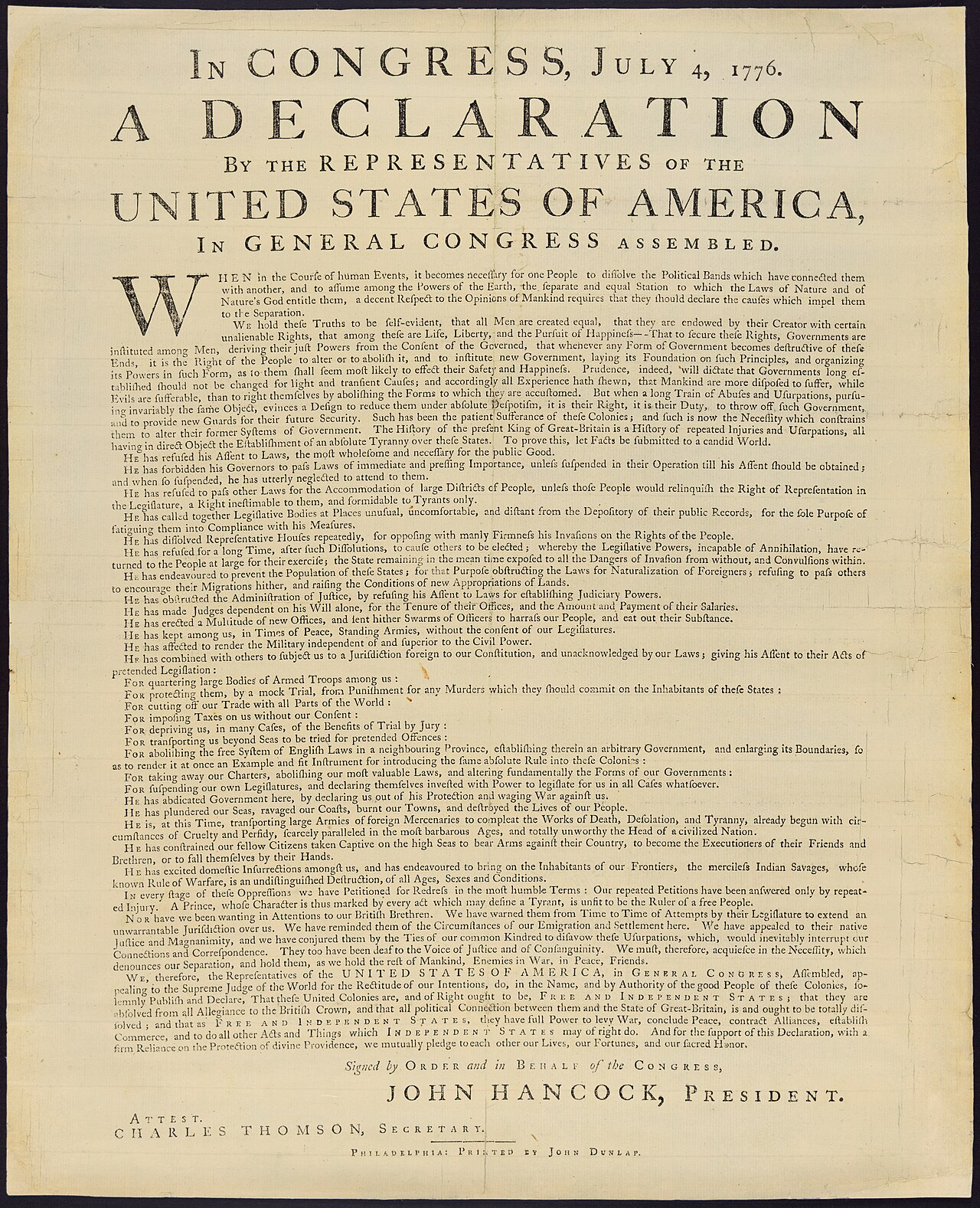
Scan of the Dunlap broadside printing of the Declaration of Independence. Title reads 'In Congress, July 4, 1776. A Declaration by the Representatives of the United States of America, in General Congress Assembled.' Dense body of printed text on aged paper, signed 'John Hancock, President' and attested by Charles Thomson, Secretary. Printed in Philadelphia by John Dunlap.Document

Primary source

Dunlap Broadside of the Declaration of Independence

John Dunlap; text by Thomas Jefferson et al. · 4 July 1776

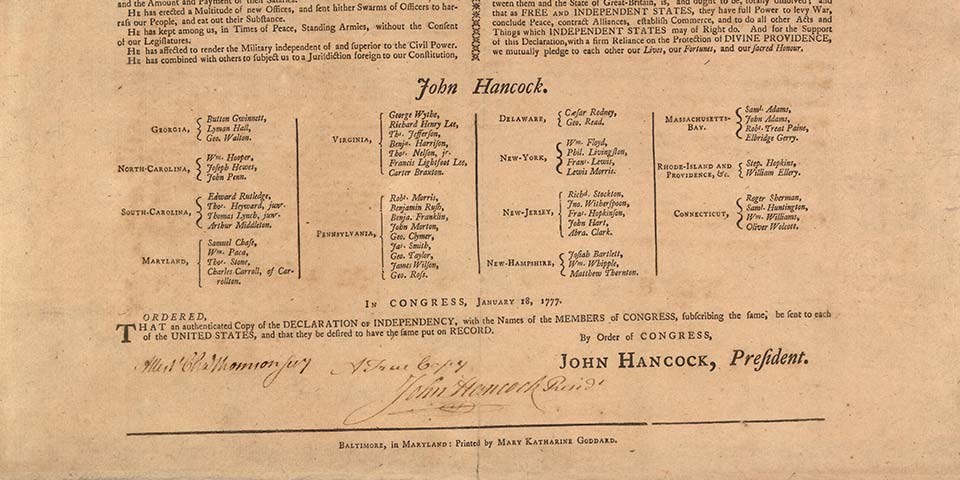
Scan of the Goddard Broadside: a printed sheet listing signers of the Declaration of Independence by colony, headed 'John Hancock' with 'Ordered' text, signatures, and the imprint Baltimore: Printed by Mary Katharine Goddard.Document

Primary source

The Goddard Broadside

Mary Katharine Goddard · January 1777

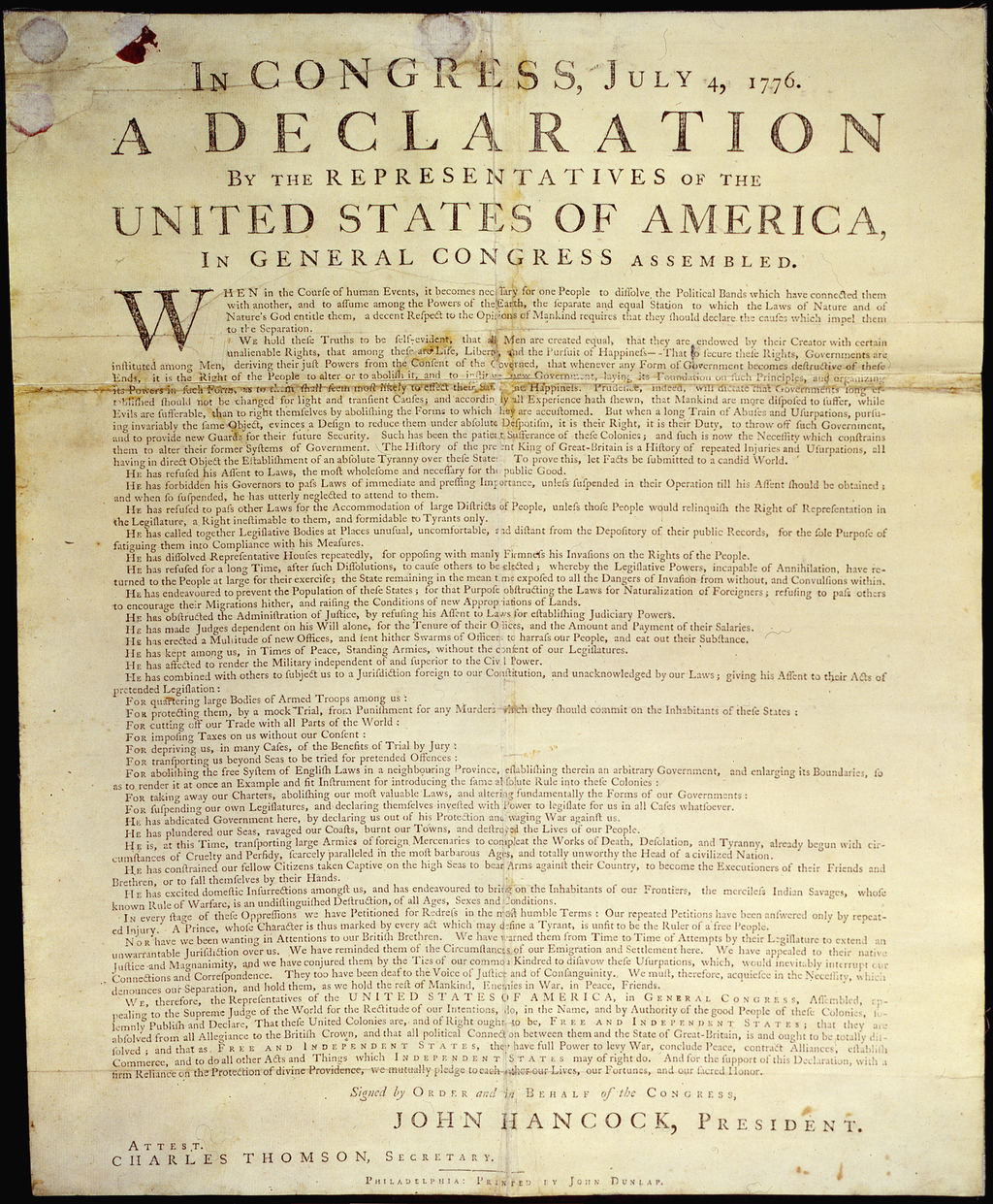
Scan of the Dunlap Broadside, a printed sheet headed 'In Congress, July 4, 1776' with 'A Declaration by the Representatives of the United States of America, in General Congress Assembled' in large capitals. Dense body text follows, with 'John Hancock, President' and 'Attest. Charles Thomson, Secretary' at the bottom, and 'Philadelphia: Printed by John Dunlap' in small print below. The paper is aged and yellowed with dark spots.Document

Primary source

Dunlap Broadside, first printing of the Declaration, 1776

Thomas Jefferson · 4 July 1776

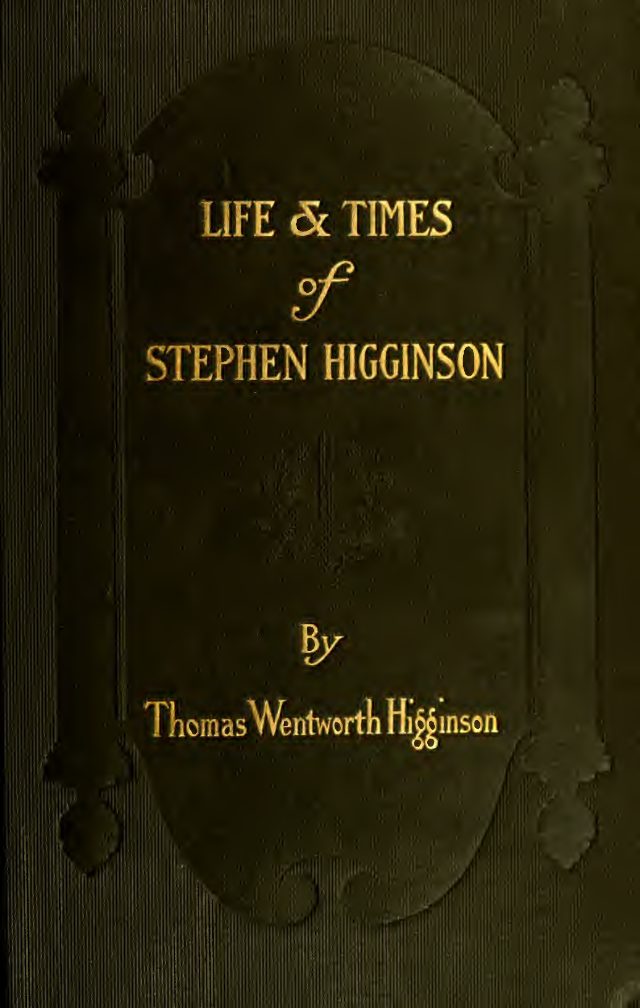
Life and Times of Stephen Higginson, including his Laco letters on John HancockBook

Secondary source

Life and Times of Stephen Higginson, including his Laco letters on John Hancock

Thomas Wentworth Higginson · 1907

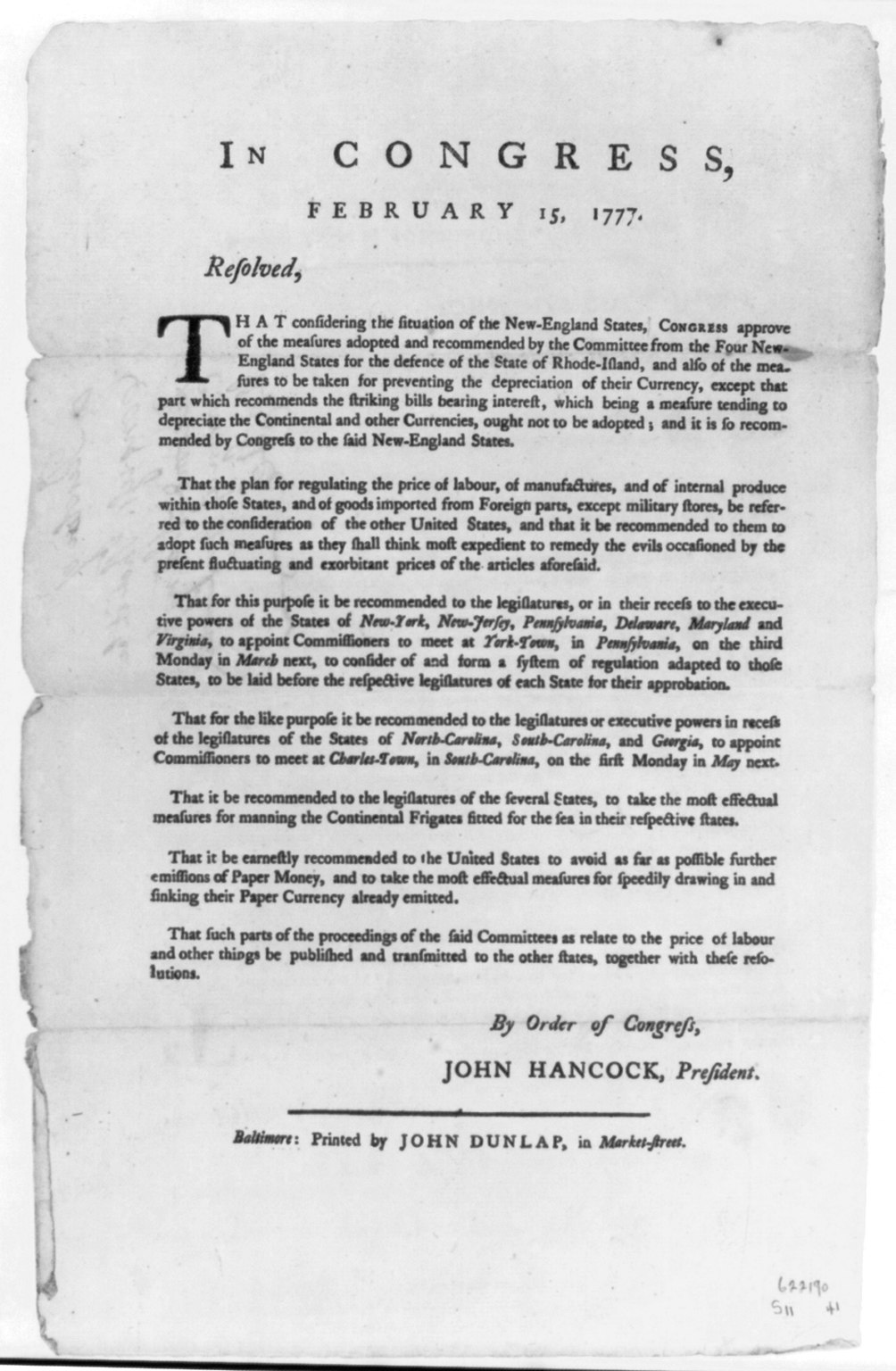
Black-and-white scan of a printed broadside headed 'In Congress, February 15, 1777', with 'Resolved' and several paragraphs of text, signed 'John Hancock, President', printed by John Dunlap in Baltimore.Document

Primary source

Continental Congress Broadside, Resolve of February 15, 1777

15 February 1777

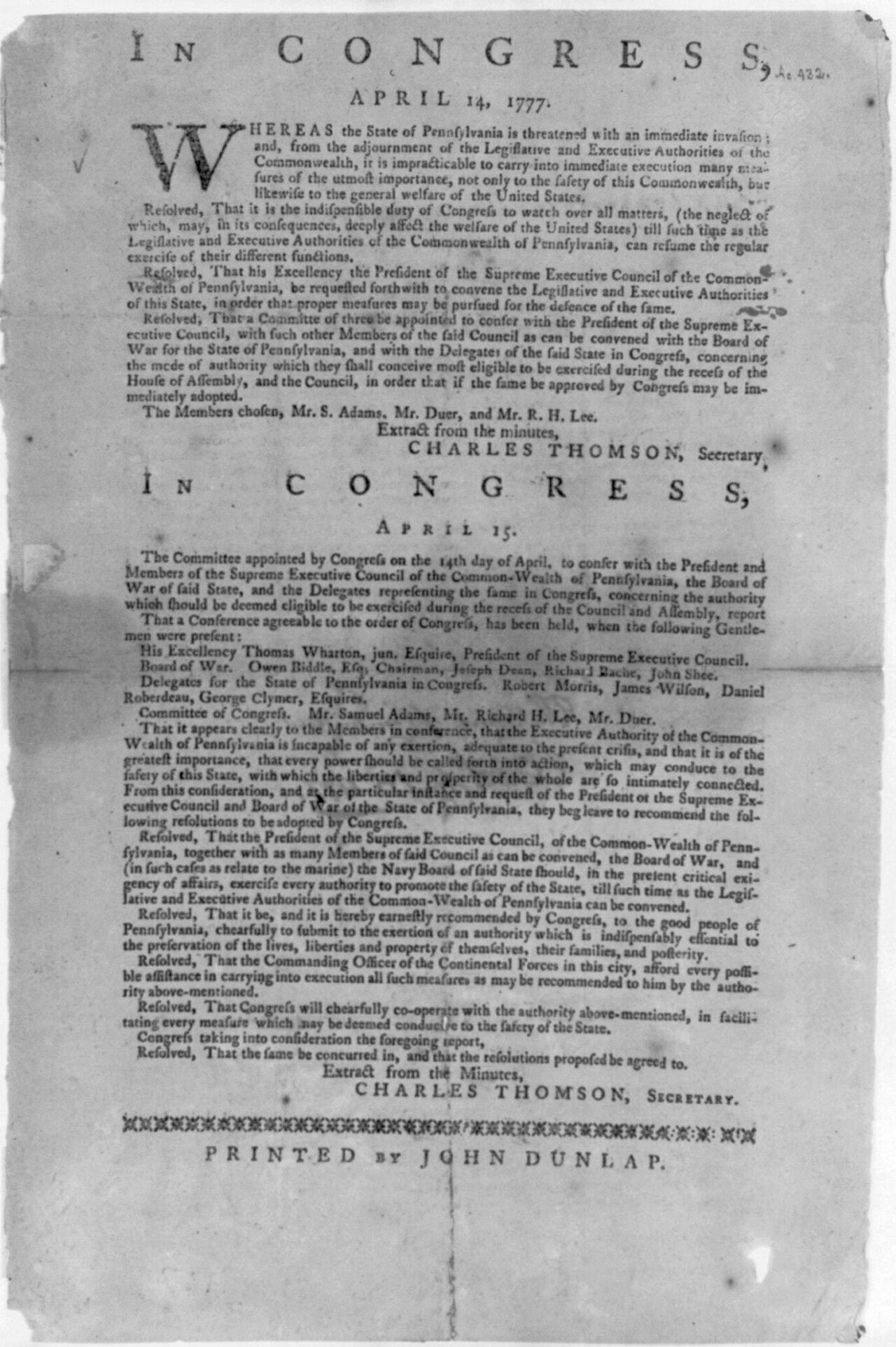
Scan of a 1777 printed broadside headed 'In Congress, April 14, 1777' with dense text of resolves about Pennsylvania's defense, followed by 'In Congress, April 15' and the signature 'Charles Thomson, Secretary', ending with 'Printed by John Dunlap'.Document

Primary source

Continental Congress Broadside on Committee of Conference, April 1777

14-15 April 1777

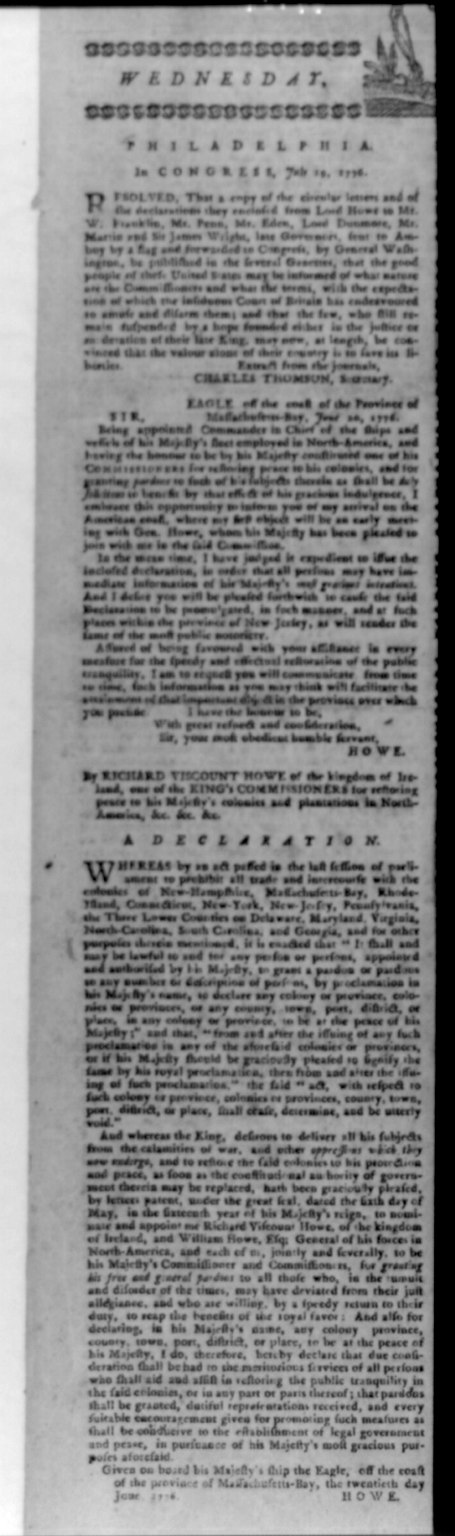
Photograph of a tall, narrow printed broadside with a masthead reading Wednesday, Philadelphia, In Congress, July 19, 1776. The dense black-and-white text includes a resolve, a letter from Lord Howe, and a Declaration, with a signed Howe at the bottom.Document

Primary source

Resolve of the Continental Congress, July 19, 1776

19 July 1776

Book

Secondary source

Little Journeys to the Homes of American Statesmen

Elbert Hubbard · 1916

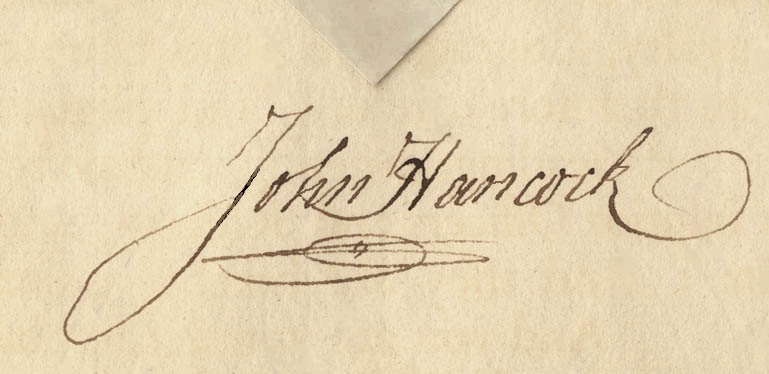
Close-up of a handwritten signature reading 'John Hancock' in brown ink on aged cream paper, with a large looping flourish extending to the left and right and a small underline stroke beneath. A grey triangular paper fragment appears at the top.Document

Primary source

John Hancock signature on an envelope

John Hancock

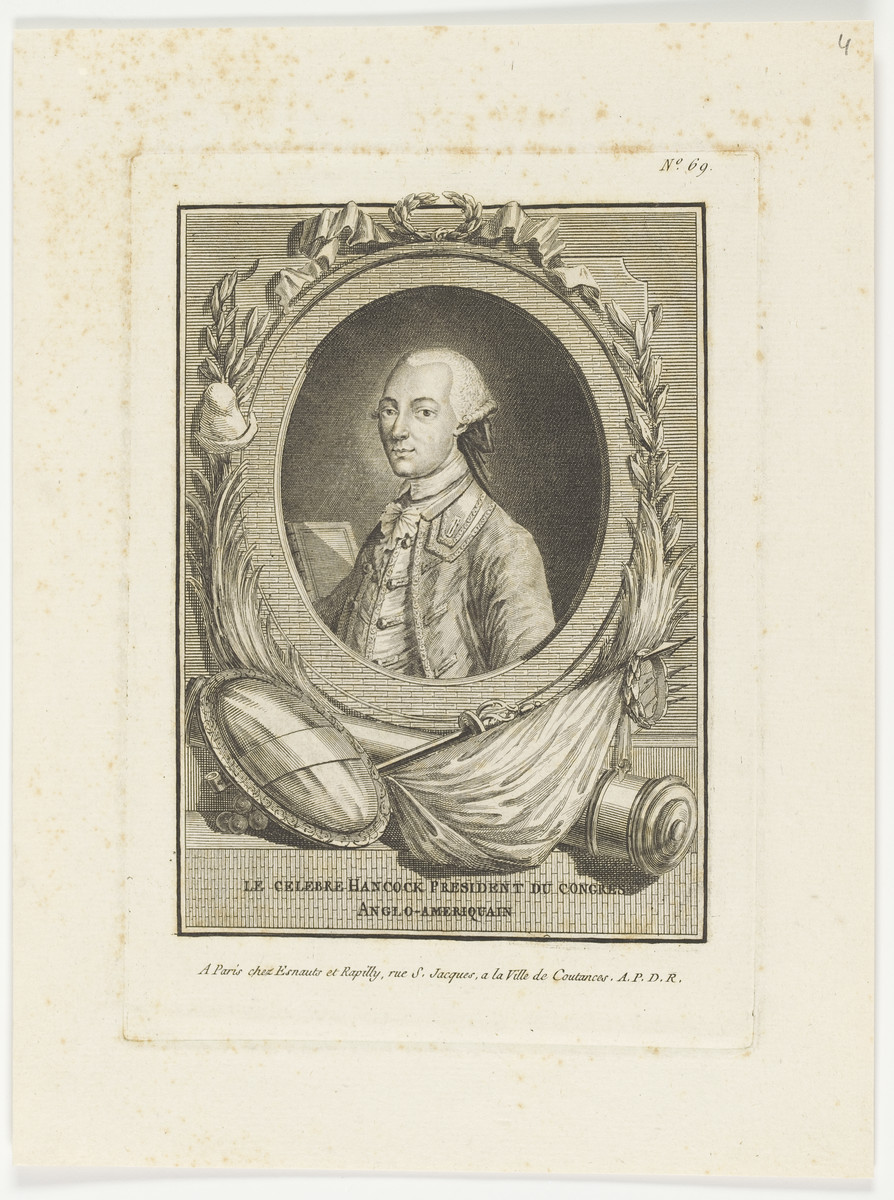
Engraved portrait print of a man in an oval frame, wearing a powdered wig with a black ribbon, a high collared coat and cravat, within an ornate border with laurel branches, a tricorn hat, a drum, a sword, and a cannon. Caption below reads: LE CELEBRE HANCOCK PRESIDENT DU CONGRES ANGLO-AMERIQUAIN. Publisher line reads: A Paris chez Esnauts et Rapilly. Plate number No. 69 at upper right.Painting

Secondary source

Bildnis des Hancock (Portrait of Hancock), Leipzig University Library

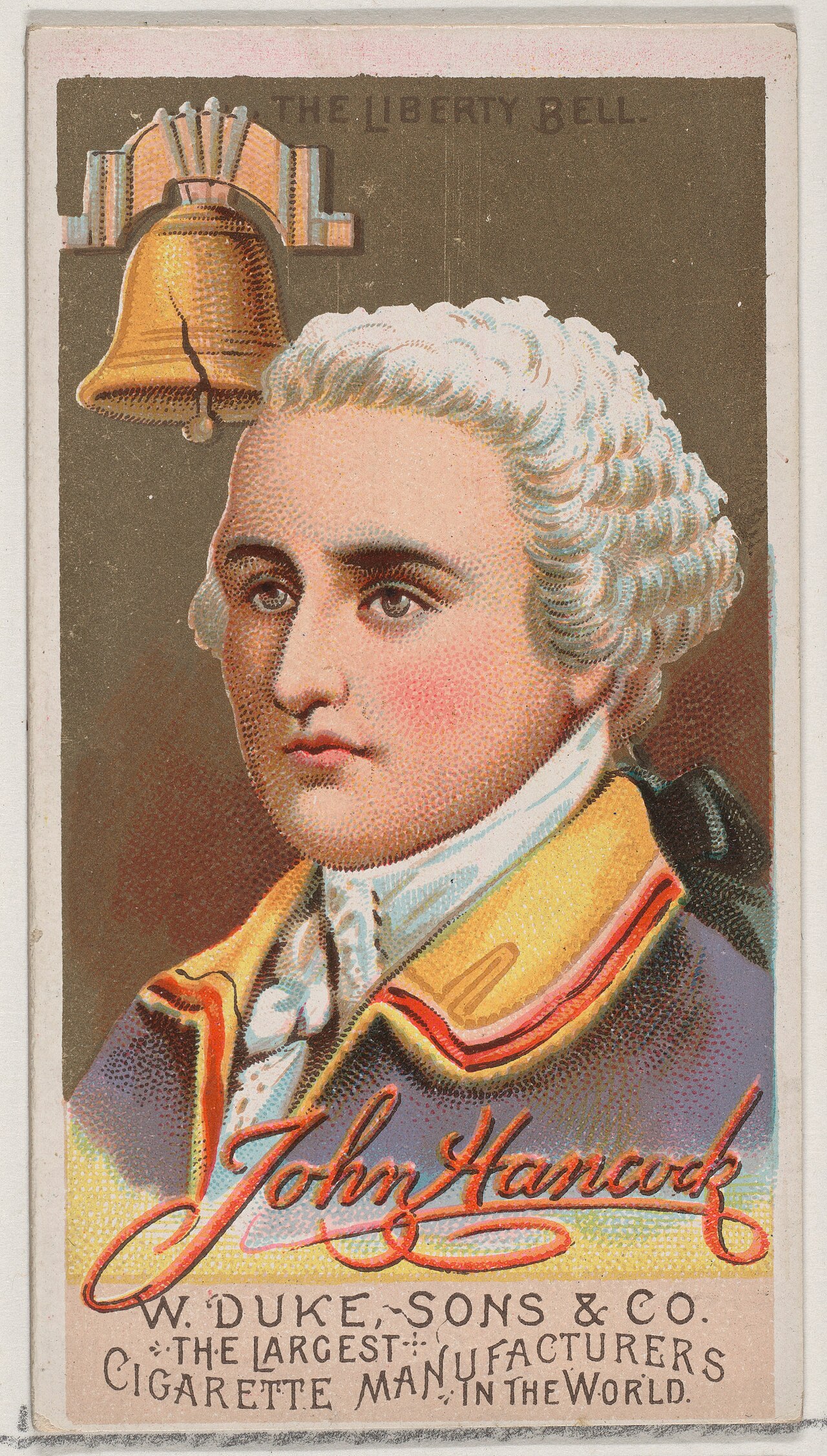
Color printed cigarette card showing a portrait of a man with powdered white hair, a yellow and red collar over a blue coat, and a white cravat. A gold bell is at upper left with the words 'The Liberty Bell' above. The name 'John Hancock' is written in red script across the bottom, with text 'W. Duke, Sons & Co., The Largest Manufacturers Cigarette Manufacturers in the World' below.Artifact

Secondary source

John Hancock, Great Americans cigarette card (1888)

W. Duke, Sons & Co. · 1888

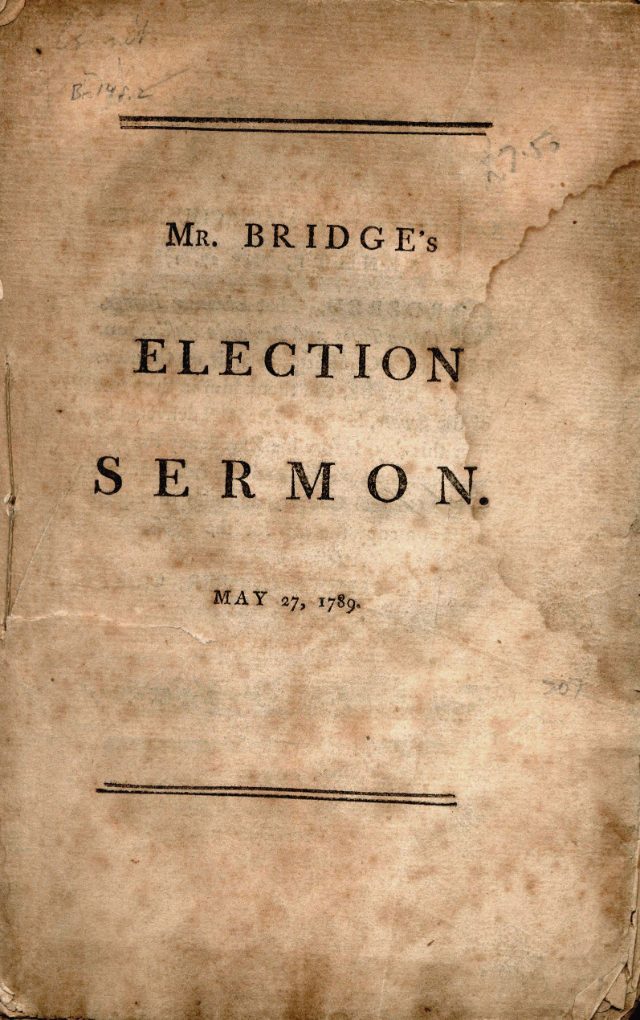
A Sermon Preached before His Excellency John Hancock, Esq., Governour (1789)Book

Primary source

A Sermon Preached before His Excellency John Hancock, Esq., Governour (1789)

Josiah Bridge · 1789

Sermon preached before Governor John Hancock, 1780Book

Primary source

Sermon preached before Governor John Hancock, 1780

Samuel Cooper · 1780

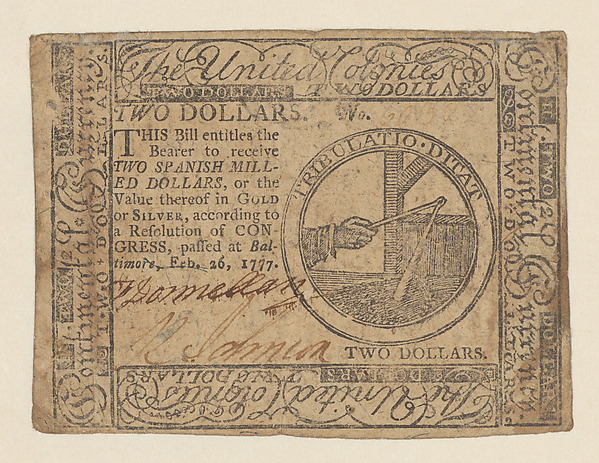
Scan of a worn, yellowed two-dollar Continental currency note from 1777. It reads 'The United Colonies' and 'TWO DOLLARS', with text stating the bill entitles the bearer to receive two Spanish milled dollars. A circular seal shows a hand holding a rod and the motto 'Fidem Ferunt' or similar Latin text, and handwritten signatures appear in ink.Document

Primary source

United Colonies Continental Currency, Two Dollars, 1777

Hall and Sellers · February 26, 1777

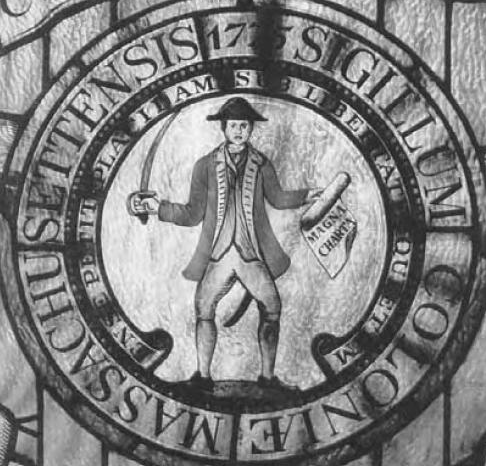
Circular stained-glass or painted panel reproducing the Massachusetts colonial seal: a standing figure in a three-cornered hat holds a sword in one hand and a scroll labeled Magna Carta in the other. Ring text reads Sigillum Colonie Massachusetts Setensis.Artifact

Primary source

First Massachusetts state seal

between 1775 and 1780

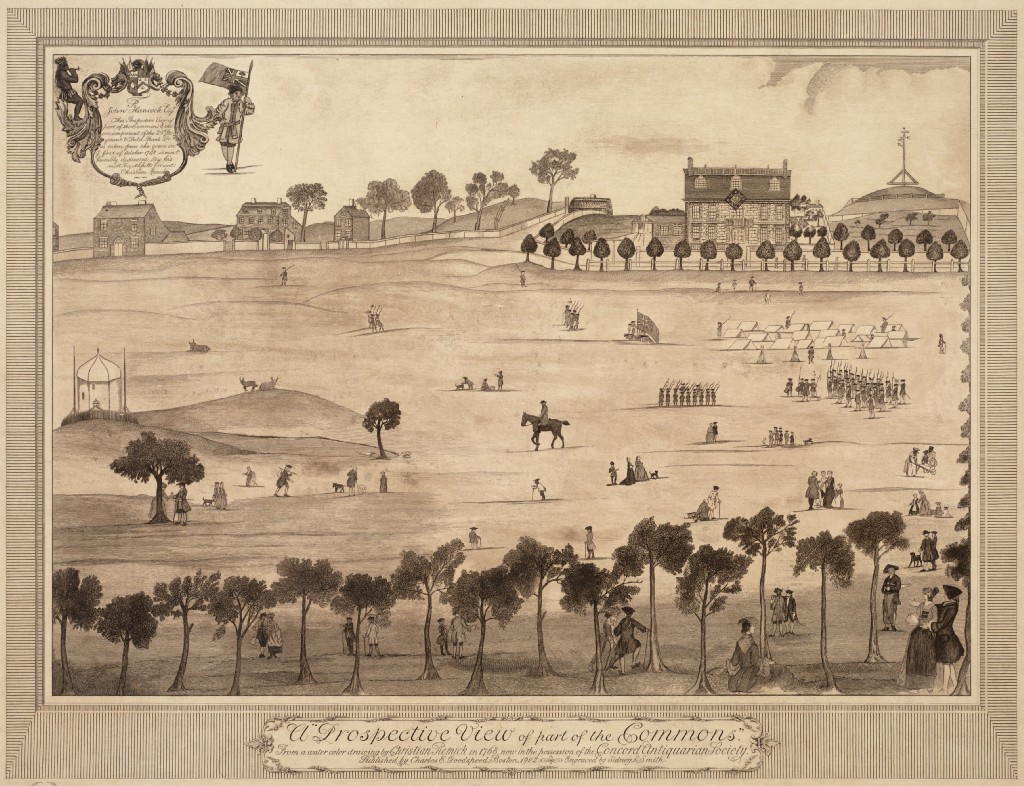
Sepia engraving titled 'A Prospective View of part of the Commons.' Wide panoramic view of an open field with trees in the foreground, soldiers in formation, tents, a mounted rider, strollers, and buildings on a distant rise, with a decorative cartouche naming John Hancock at upper left.Painting

Secondary source

A Prospective View of part of the Boston Common

Christian Remick · 1768 (engraving 1902)

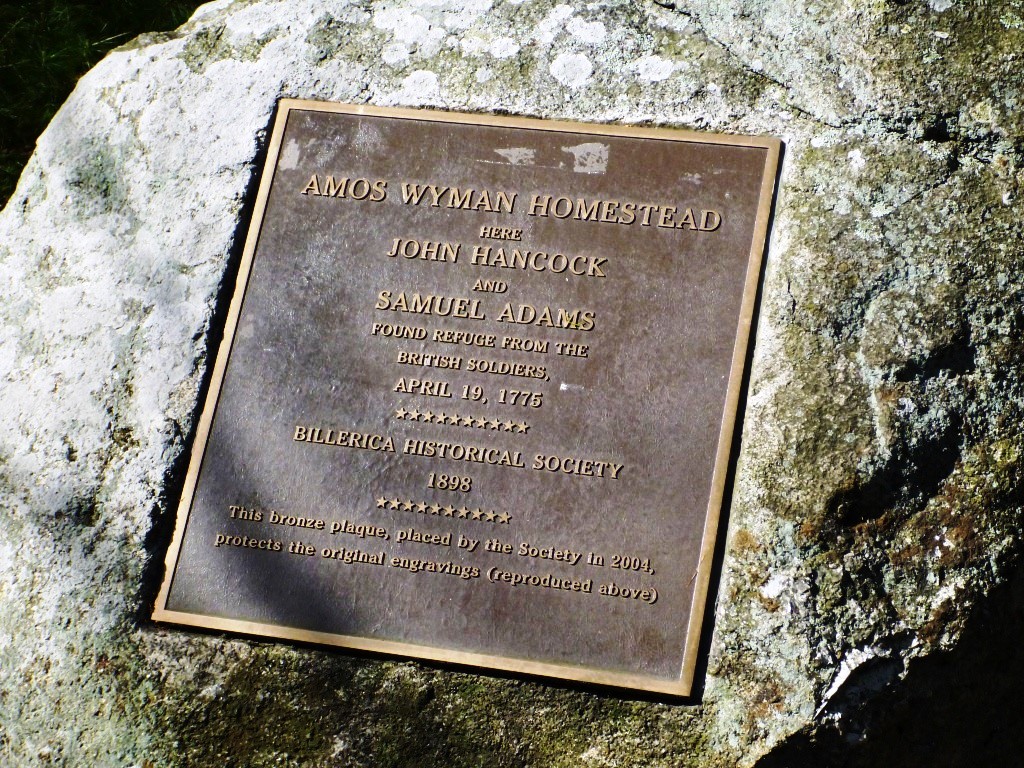
Bronze plaque mounted on a lichen-covered granite boulder reading 'Amos Wyman Homestead, here John Hancock and Samuel Adams found refuge from the British soldiers, April 19, 1775,' with 'Billerica Historical Society 1898' and a note that the plaque was placed by the Society in 2004.Photograph

Secondary source

Amos Wyman plaque commemorating Hancock and Adams' 1775 escape

Knobby983 · 2012-04-29

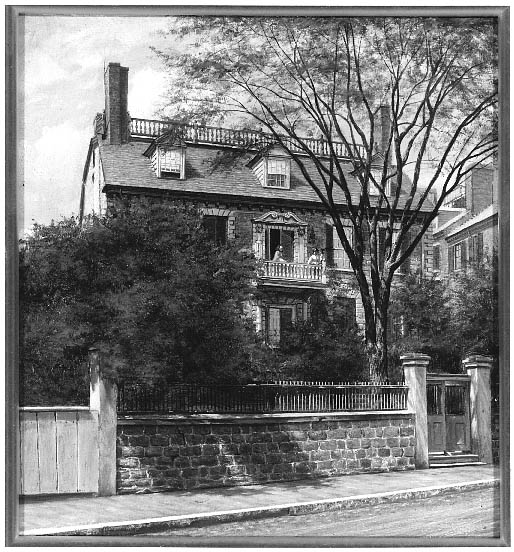
Black-and-white reproduction of a painting of a large stone house with a central balcony, dormer windows, and a tall chimney, behind a low stone wall and iron fence, with a tree in the foreground and a street at the bottom.Painting

Secondary source

View of the John Hancock House, 1867

William Edward Norton · 1867

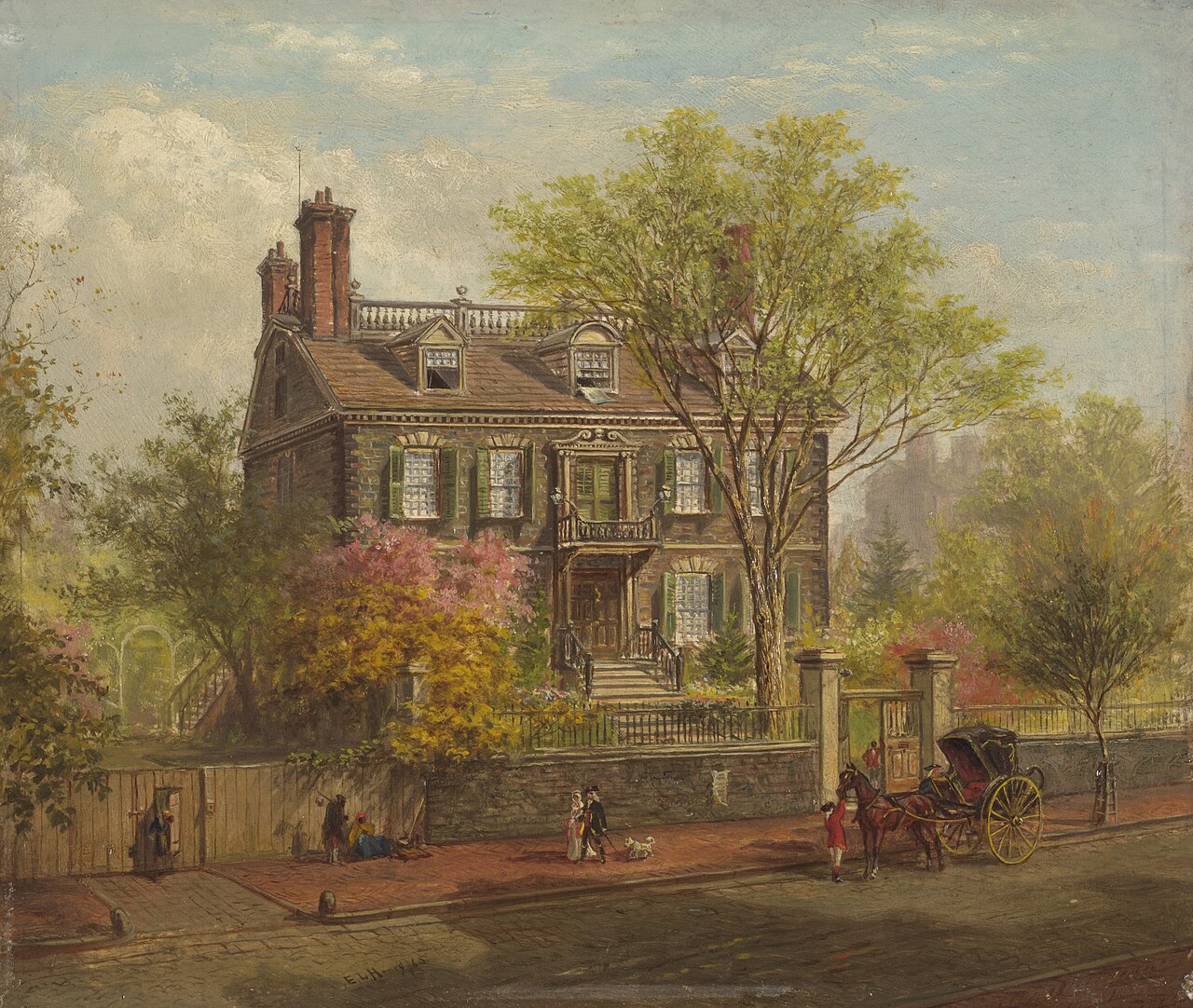
Painting of a three-story brick house with a mansard-style roof, dormer windows, a rooftop balustrade, and two tall chimneys. Trees with pink and green foliage stand beside it. A horse-drawn carriage with yellow wheels and several people on the sidewalk are in the street scene.Painting

Secondary source

The John Hancock House by Edward Lamson Henry, 1865

Edward Lamson Henry · 1865

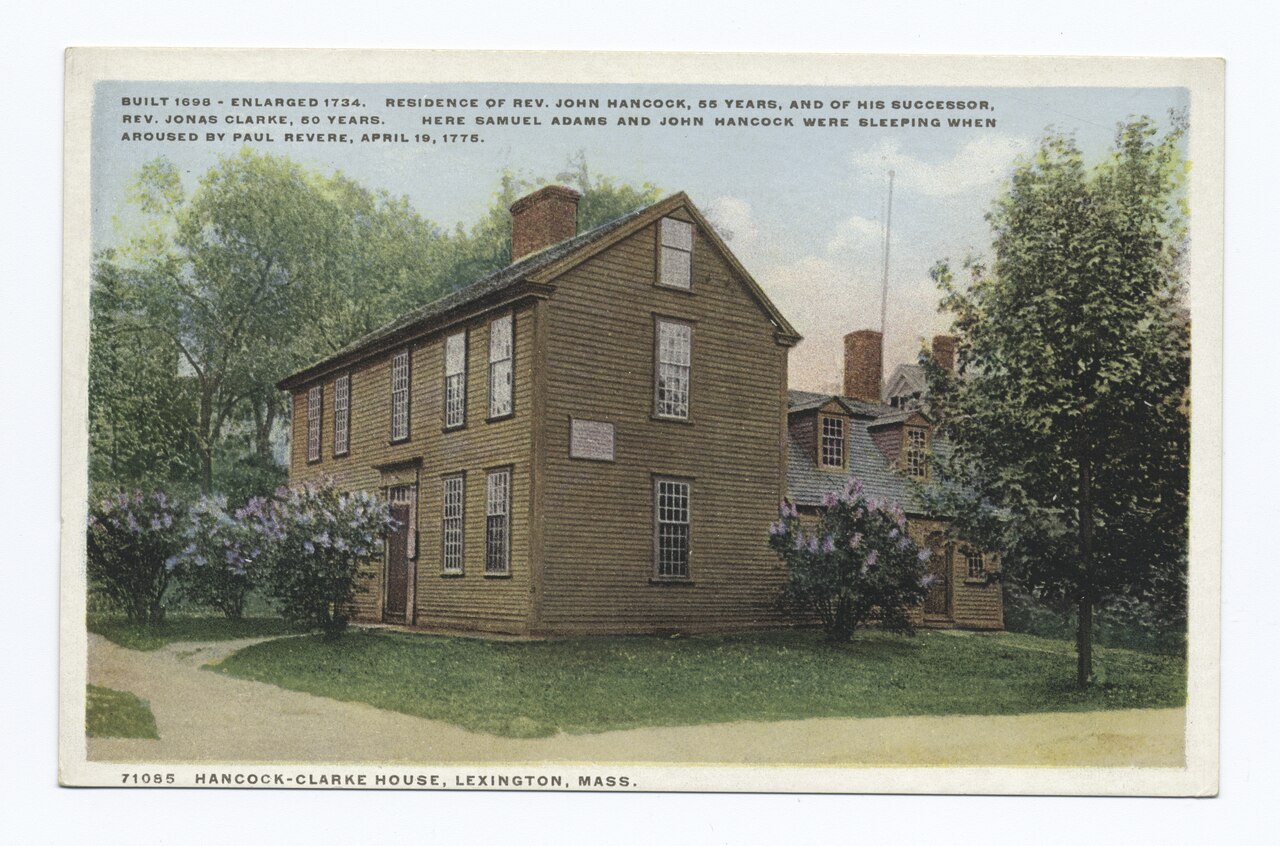
Hand-colored postcard of the Hancock-Clarke House in Lexington, Massachusetts. A two-story clapboard house with a steep gabled roof and brick chimney stands on a lawn, with lilac bushes and trees around it. Printed text above and caption below describe the house and the 1775 events, and read 71085 Hancock-Clarke House, Lexington, Mass.Photograph

Secondary source

Hancock-Clarke House, Lexington, Massachusetts, postcard

Detroit Publishing Company · c. 1913-1930

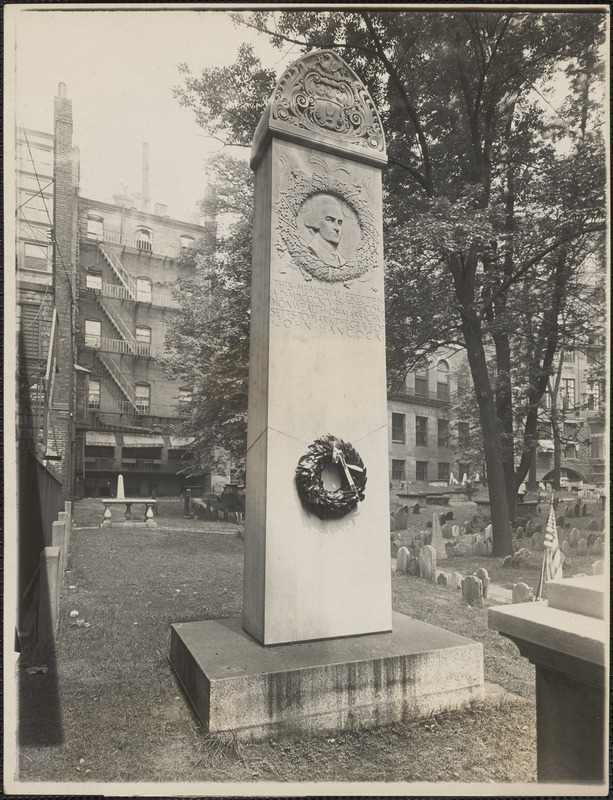
Black-and-white photograph of a tall granite obelisk memorial in an old cemetery, with a carved portrait medallion of a man in profile and a wreath at its base. Apartment buildings with fire escapes stand behind it, and gravestones are visible to the right.Photograph

Secondary source

Massachusetts memorial to mark John Hancock's grave, 1920s photo

Leon H. Abdalian · between 1920 and 1929

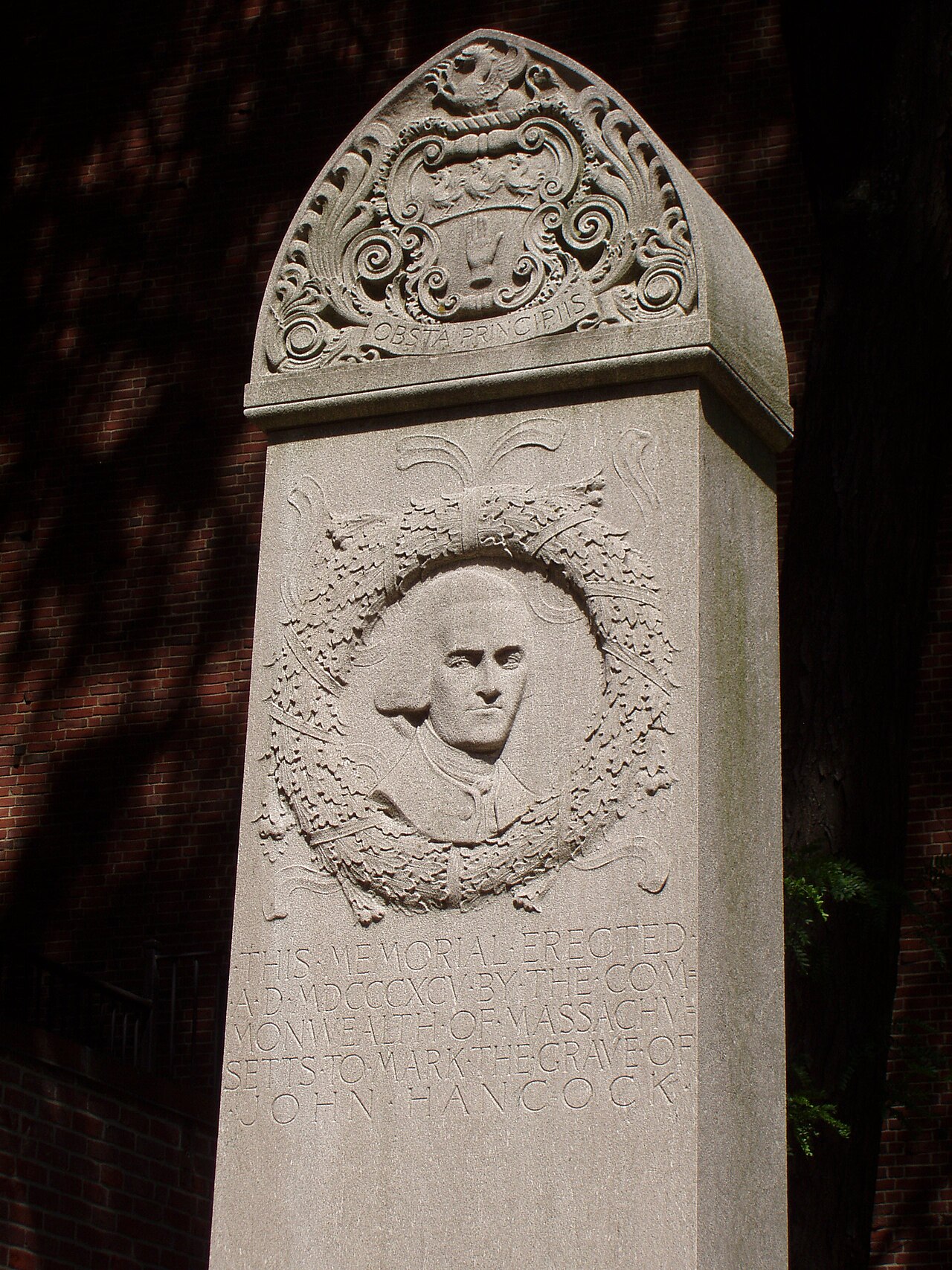
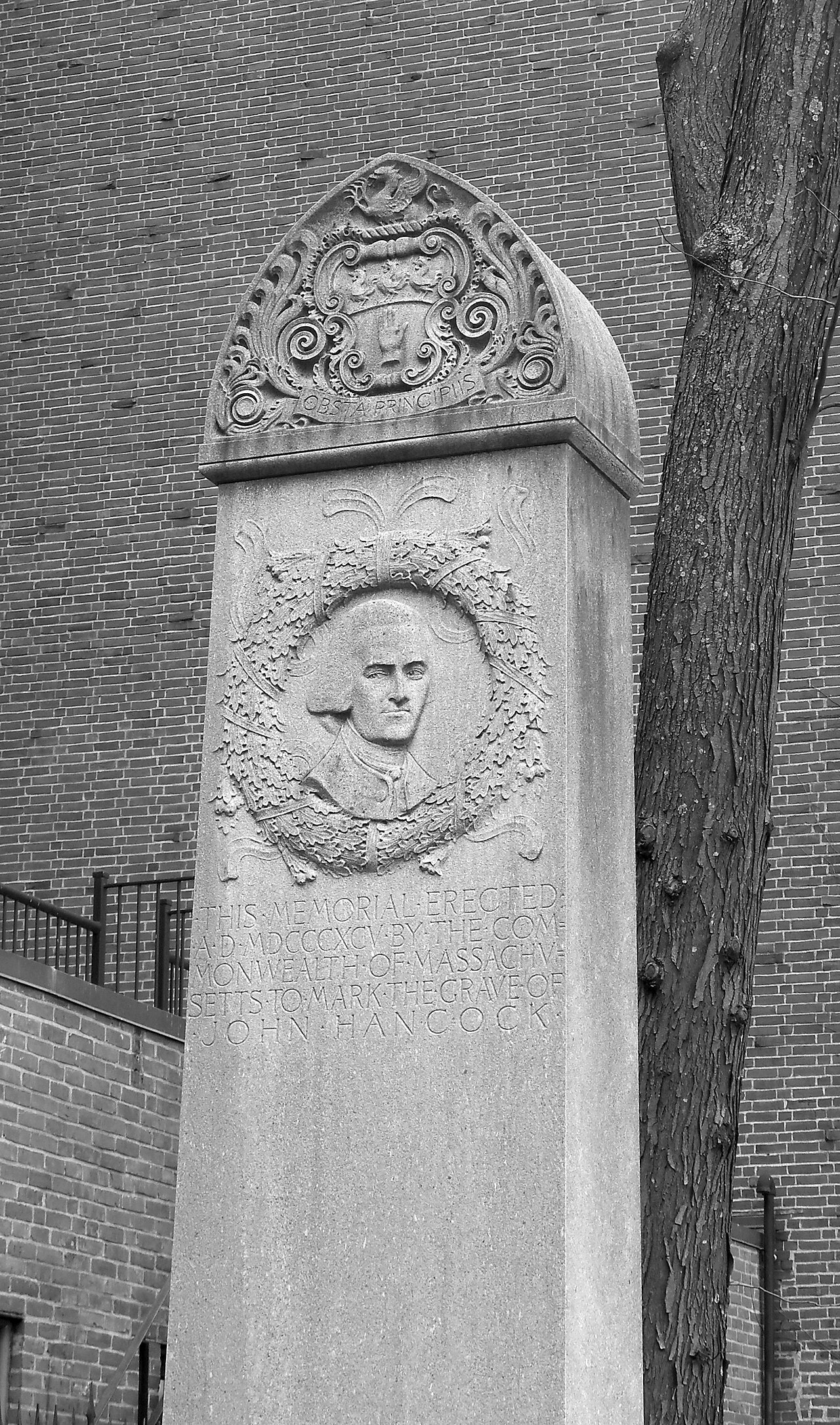
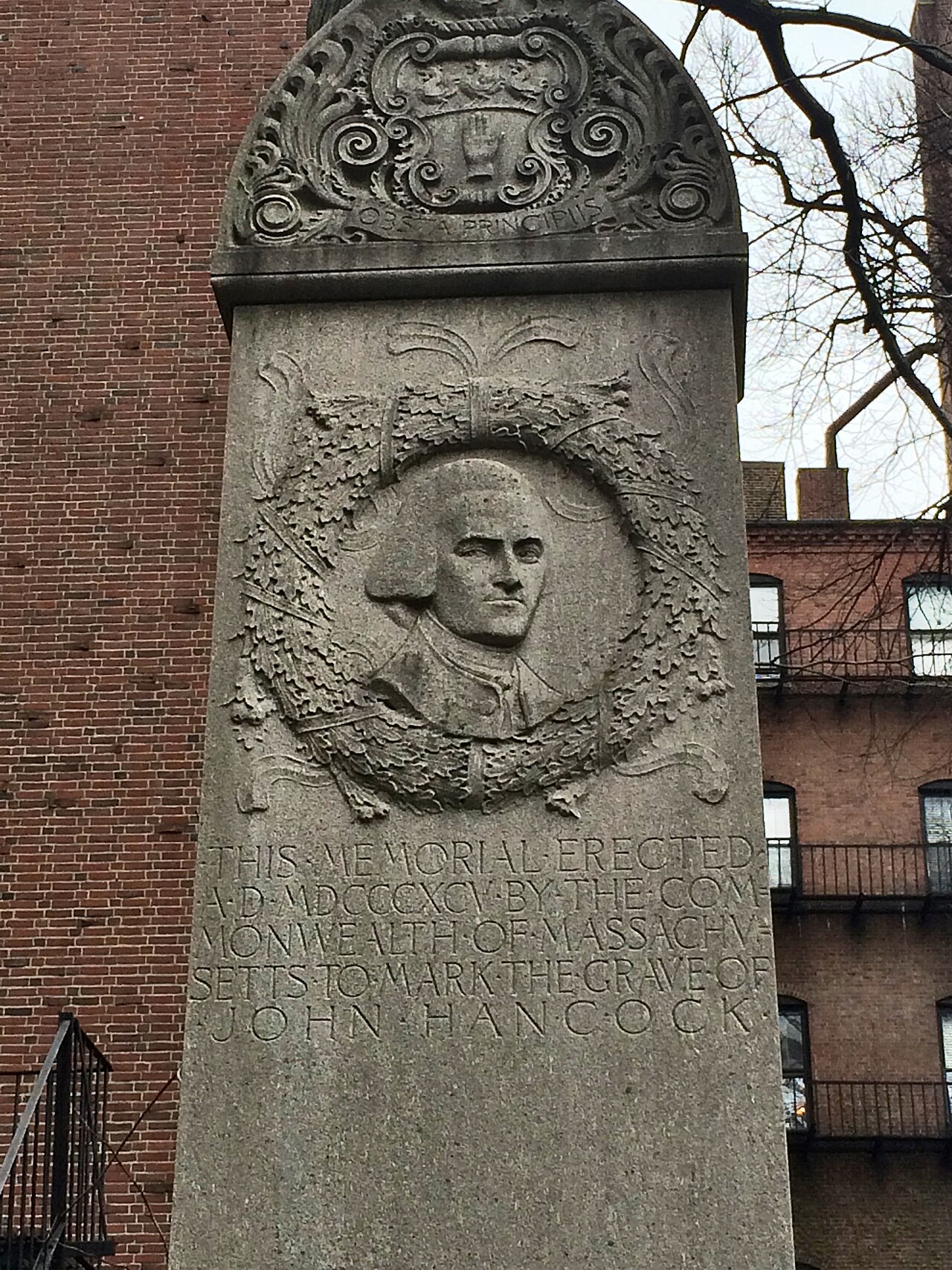
Granite grave marker for John Hancock with a carved crest and motto 'Obsta Principiis' at top, a circular wreath surrounding a carved relief portrait of a man in period dress, and an inscription reading 'This memorial erected A.D. MDCCCXCV by the Commonwealth of Massachusetts to mark the grave of John Hancock.' Brick building and trees behind.Photograph

Secondary source

The Grave of John Hancock, NPS photo, 2018

NPS Photo · 15 May 2018

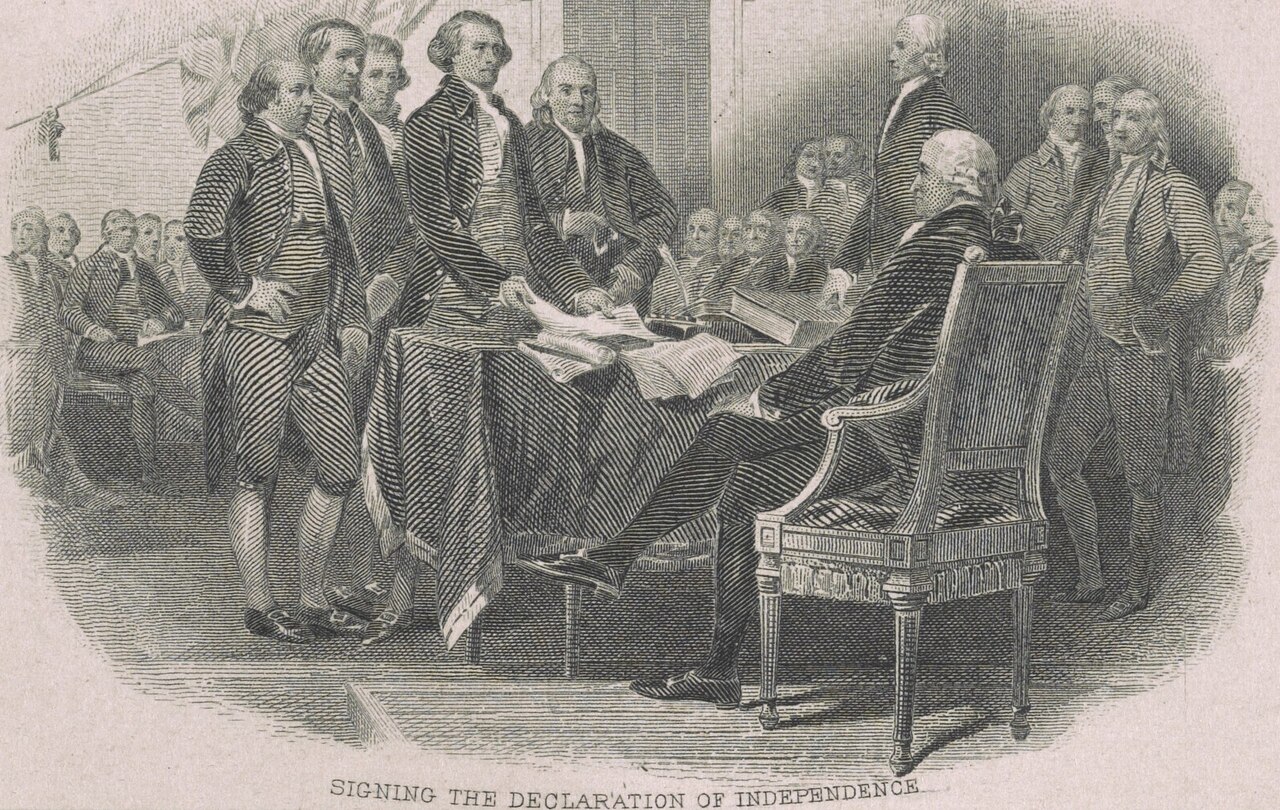
Engraving titled 'Signing the Declaration of Independence' showing a group of men in 18th-century dress standing around a draped table. A seated older man with white hair leans toward a document in an ornate chair, while others look on from the left and right, with a crowd in the background.Painting

Secondary source

Signing the Declaration of Independence

Charles Toppan · 1840

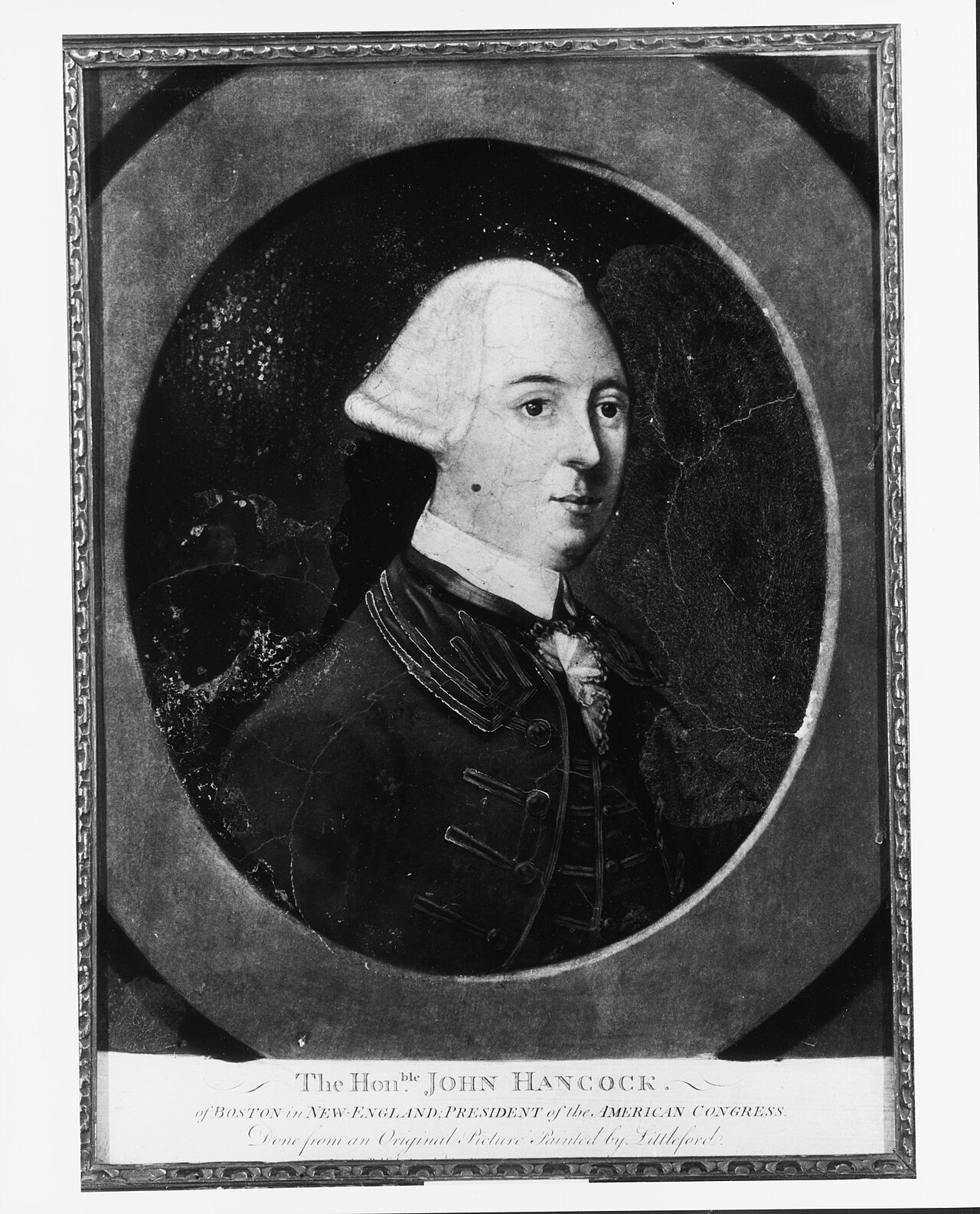
Black-and-white photographic reproduction of an oval portrait of a man in a white powdered wig, white cravat, and dark coat with braided trim. A printed caption below reads: The Honble John Hancock, of Boston in New-England, President of the American Congress. Done from an Original Picture Painted by Littlefford.Painting

Primary source

John Hancock, anonymous portrait

between 1770 and 1800

Black-and-white photograph of an oval framed portrait of a man in a white powdered wig, dark coat, and white cravat, set within a rectangular frame with a printed caption beneath reading 'The Hon'ble John Hancock'.Painting

Primary source

John Hancock, oil on glass

1770–1800

Granite memorial marker with an arched top carved with a coat of arms and the Latin motto OBSTA PRINCIPIIS. A relief portrait of a man in a wreath sits on the shaft, with inscribed text below naming John Hancock.Photograph

Secondary source

John Hancock memorial marker, Granary Burial Ground

Daderot · July 2005

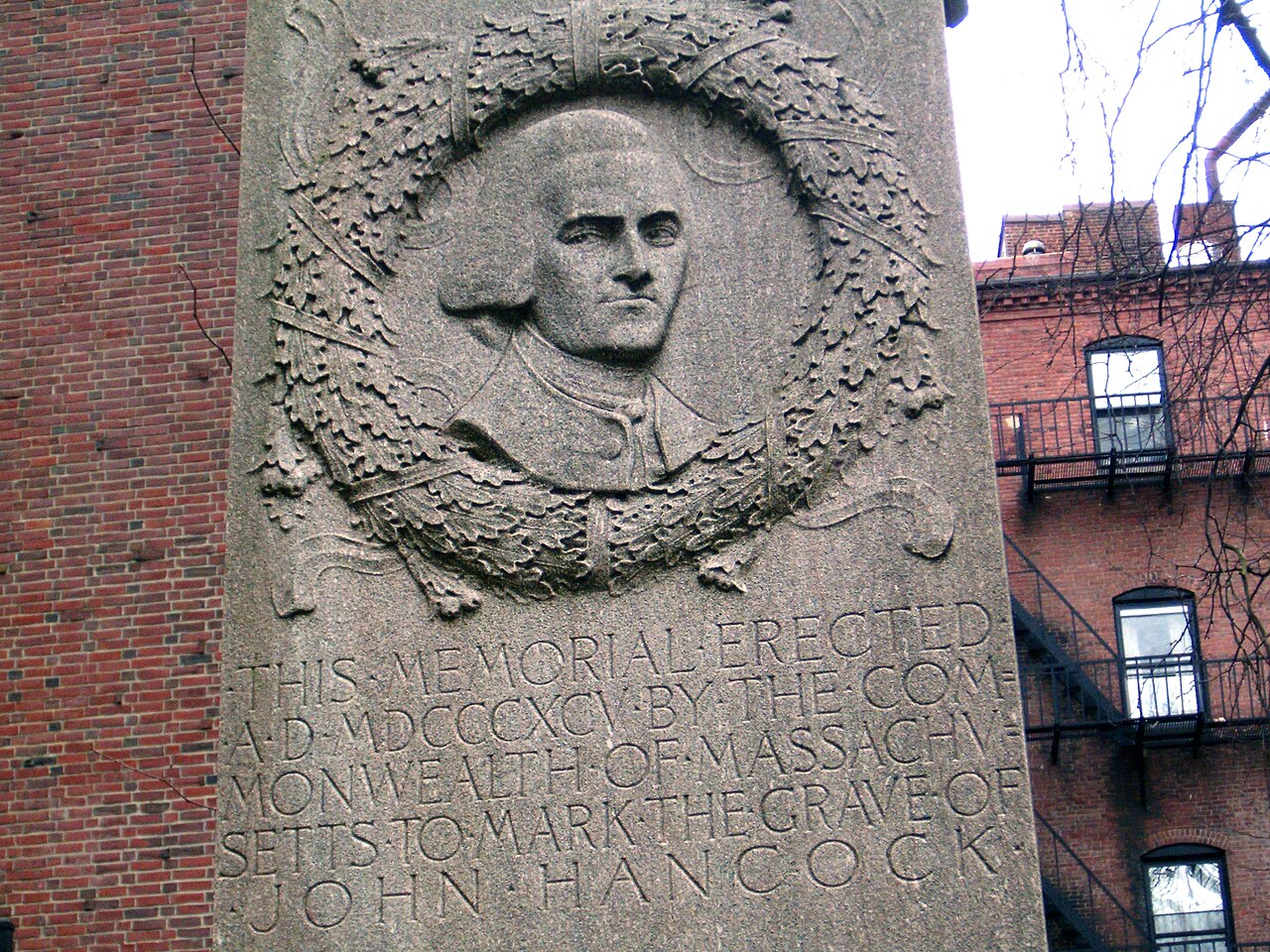
Carved granite monument with a relief portrait of a man in a wig and collar, framed by an oak-leaf wreath. Below is an inscription reading 'This memorial erected A.D. MDCCCXCV by the Commonwealth of Massachusetts to mark the grave of John Hancock.' Red brick buildings stand beside it.Photograph

Secondary source

John Hancock's gravestone in Boston

Shadow0704 · 4/2/08

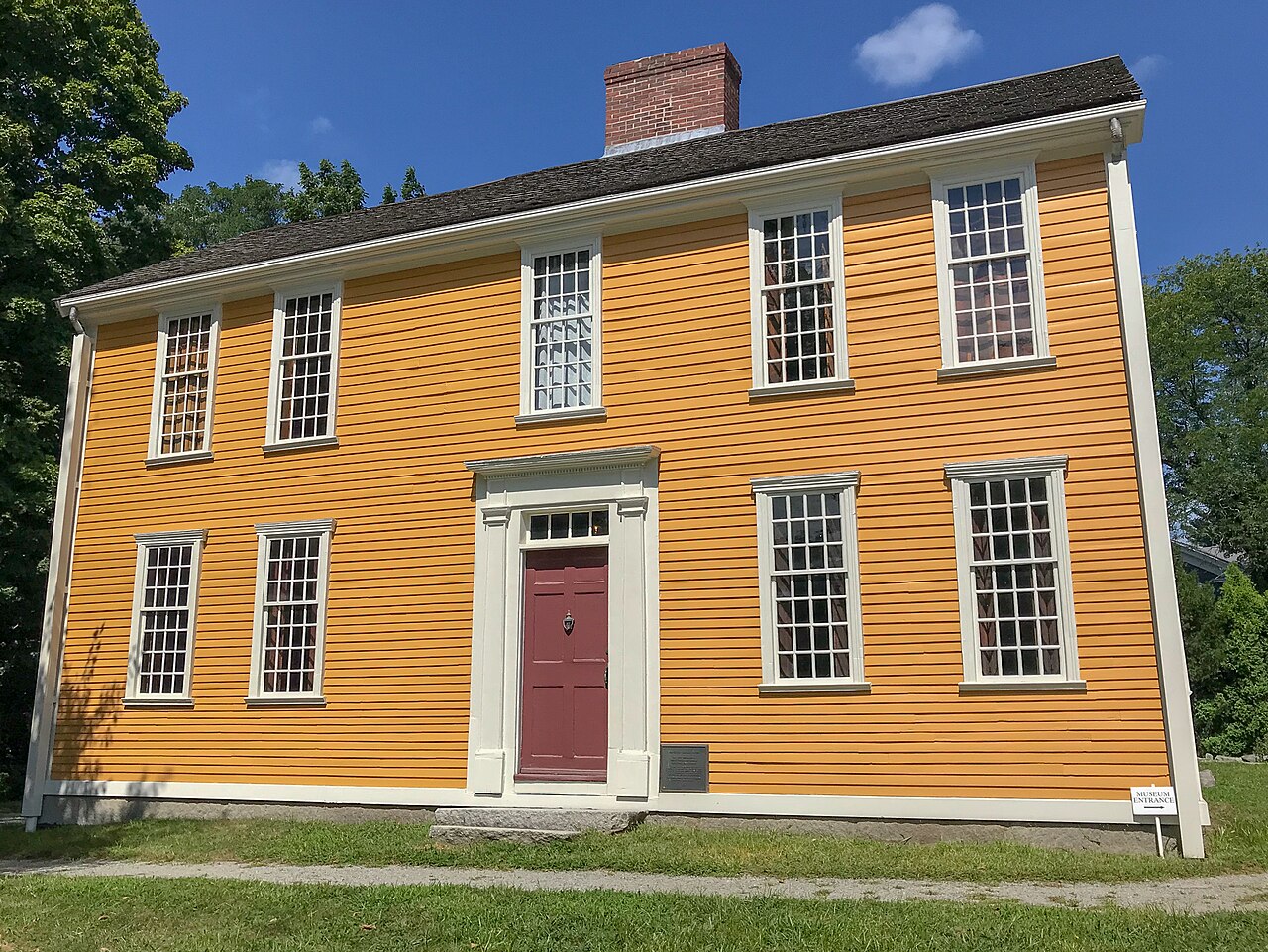
A two-story yellow wooden clapboard house with white trim, a central maroon front door with a white pediment and sidelights, a red brick chimney, and a dark shingled roof. A small museum entrance sign is visible at lower right.Photograph

Secondary source

Hancock-Clarke Parsonage

Karen Mayhall · 2018-08-31

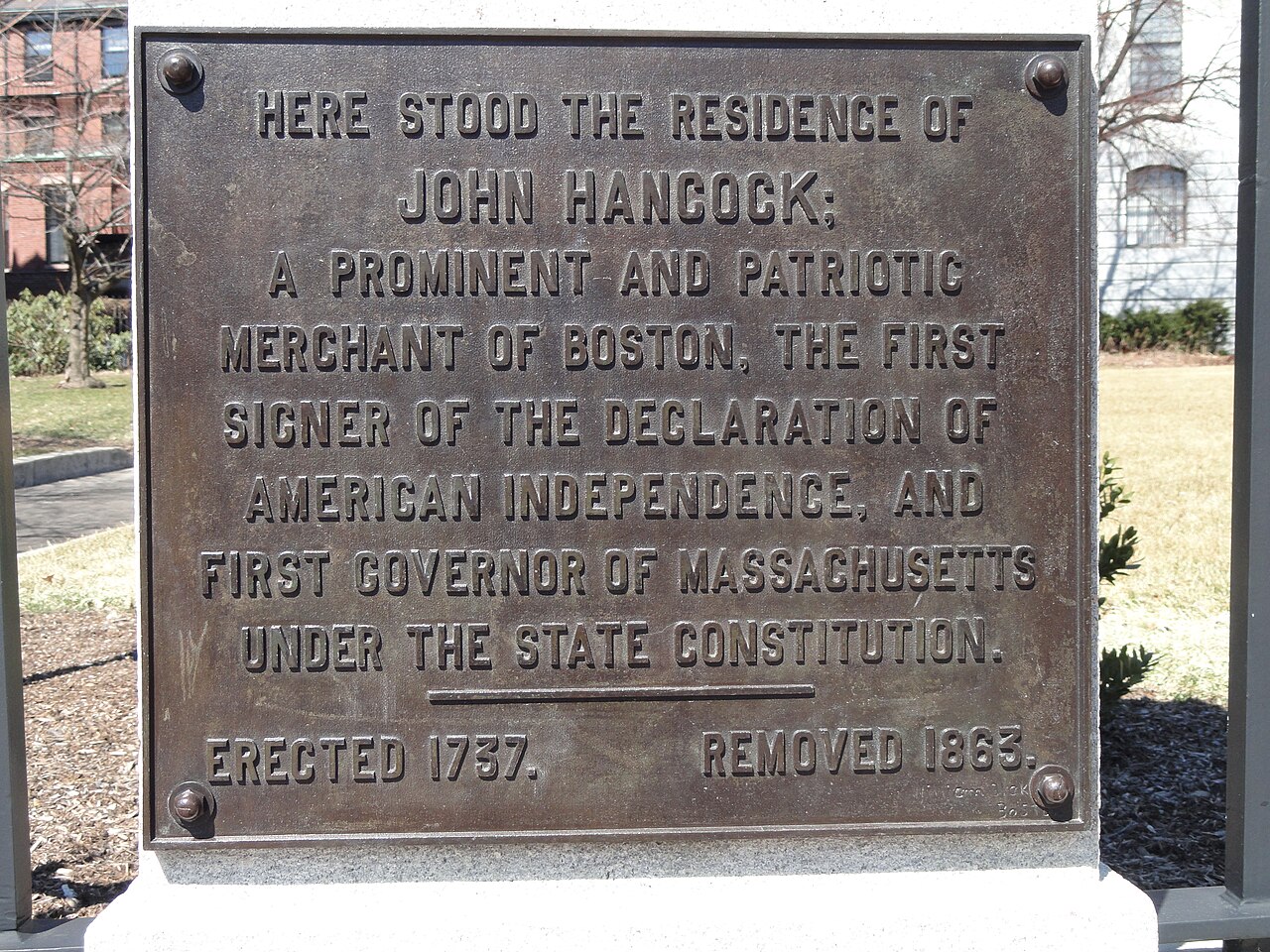
Bronze plaque on a granite base reading: Here stood the residence of John Hancock, a prominent and patriotic merchant of Boston, the first signer of the Declaration of American Independence, and first Governor of Massachusetts under the State Constitution. Erected 1737, removed 1863. Brick building and bare trees in background.Photograph

Secondary source

Memorial plaque for John Hancock's Boston residence

Daderot · 26 March 2011

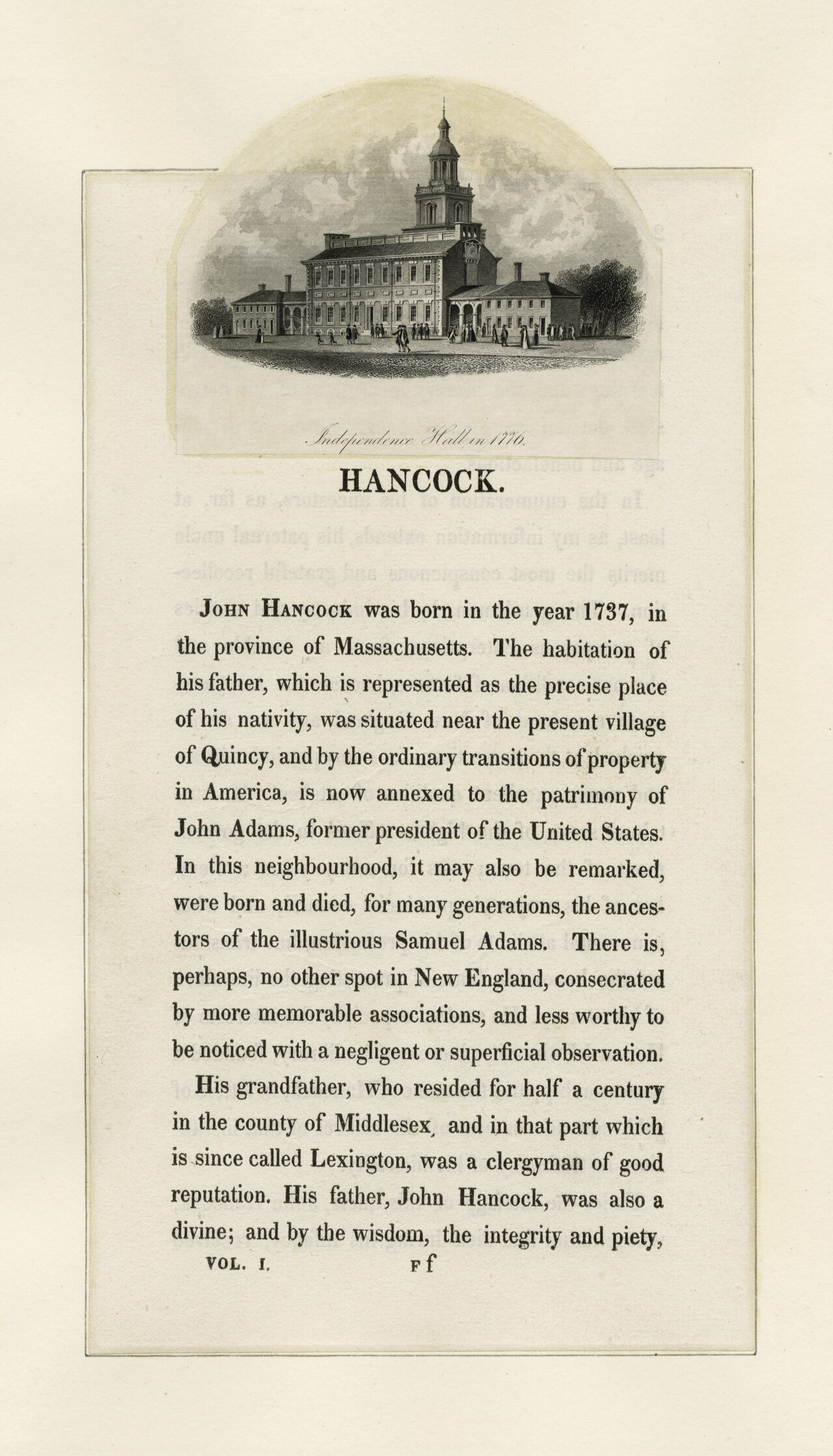
Engraved vignette titled 'Independence Hall in 1776' showing a large brick colonial building with a tall central steeple and tower, flanked by wings, with people in the street. Below it is a page of printed text beginning 'HANCOCK.' about John Hancock's birth in 1737 in Massachusetts.Artifact

Secondary source

Independence Hall in 1776

1870

Black-and-white photo of a granite memorial marker with a carved coat of arms and Latin motto at the top, a carved relief portrait of a man within a laurel wreath, and inscribed text reading 'This memorial erected ... to mark the grave of John Hancock.' A brick building and tree are behind it.Photograph

Secondary source

Photo of John Hancock's grave marker

Jon Platek · 24 November 2012

Granite grave monument with a carved bronze-toned relief medallion of a man in a wig and high collar, framed by a laurel wreath. Below is an inscription reading 'This memorial erected A.D. MDCCCXCV by the Commonwealth of Massachusetts to mark the grave of John Hancock'. A red brick building stands behind it.Photograph

Secondary source

Monument of John Hancock, Boston

Stephanie Kraus · 19 April 2016

Want the full shelf? Chat with John Hancock in the app and open the Sources panel — every quote links back to the original.

Use John Hancock in class

3 collections

Ready-made collections from the Humy team and other teachers that feature John Hancock. Preview any of them, then try it free.

Trusted by educators worldwide

Conversations
375,000+
Real exchanges between students and historical figures
Messages exchanged
4,142,000+
Across every figure, classroom and language
Historical figures
100,000+
Each informed by a curated biography and selected sources
Languages supported
50+
From English and Spanish to Arabic and Korean

Paying customers

Used by 98 schools and universities

Partner school logo
Tecnológico de Monterrey logo
Hyper Island logo
Partner school logo
Chambersburg Area School District logo
Broward County Public Schools logo
Nebo School District logo
National Louis University logo
South Florida PBS logo
Punahou School logo
University of Wisconsin–River Falls logo
Partner school logo
Partner school logo
Archbishop Mitty High School logo
Kingsburg High School logo
Norwalk Public Schools logo
Partner school logo
Connections logo
Partner school logo
Moore Public Schools logo
Partner school logo
Partner school logo
Partner school logo
Partner school logo
Robbinsville Public Schools logo
Partner school logo
Partner school logo
Partner school logo
Tecnológico de Monterrey logo
Hyper Island logo
Partner school logo
Chambersburg Area School District logo
Broward County Public Schools logo
Nebo School District logo
National Louis University logo
South Florida PBS logo
Punahou School logo
University of Wisconsin–River Falls logo
Partner school logo
Partner school logo
Archbishop Mitty High School logo
Kingsburg High School logo
Norwalk Public Schools logo
Partner school logo
Connections logo
Partner school logo
Moore Public Schools logo
Partner school logo
Partner school logo
Partner school logo
Partner school logo
Robbinsville Public Schools logo
Partner school logo
Partner school logo

What educators are saying

“We enjoyed the program last year and used it frequently.”
“My students say it’s a welcome change of pace. I’m not a fan of the “sage on the stage” model, so I try to incorporate research-oriented and self-paced activities. With Humy, students have to take charge of their learning. They’ve become more adept at critical thinking, forming better questions, and improving their reading comprehension. The interview feature has been my go-to tool. I create assignments where students must ask historical figures a set number of questions, then summarize the responses to ensure they’re truly absorbing the material. This approach lets them actively explore the past rather than passively consuming information.”
“Humy has helped me bring historical figures, sometimes long past, to life. When my students interact with these figures in real-time, it eliminates some of the perceived “ancient” characteristics of my curriculum. This has shifted my students’ thinking away from viewing history as abstract or irrelevant. Real-time interactions make historical figures relatable, even allowing students to ask off-topic questions that help put historical lives in a more relevant context for 13-year-olds. The feature I use the most is the interview feature. After teaching a topic, most recently Gandhi and Joan of Arc, I have the students ask pointed, focused questions. We practice good conversation techniques beforehand, teaching them to listen (or read) carefully and formulate thoughtful follow-up questions rather than just interrogating. It helps students practice effective conversation skills.”

FAQ

Frequently asked questions

Who is John Hancock?
American merchant, statesman, and Founding Father, best known for his prominent signature on the Declaration of Independence and for serving as the first Governor of Massachusetts On Humy.ai you can chat with an AI version of John Hancock that draws on a short biography and 94 historical sources during the conversation — by text or voice, in 42 languages.
Is John Hancock AI free?
John Hancock is part of Humy's full library of more than 100,000 figures, which comes with a paid plan. A free account (no credit card) includes 20 messages a month with the free library's figures, so you can try how the conversations work first.
What sources does the John Hancock AI use?
It draws on a short biography and 94 historical sources (paintings, documents and photographs), including “Declaration of Independence”, “Articles of Confederation” and “John Hancock”. Each source has its own page on Humy.ai.
How historically accurate is the AI version of John Hancock?
Each figure uses a short biography and a small set of selected historical sources as context (retrieval-augmented generation), so answers stay closer to known material than the model's general knowledge alone. It isn't a citation-grade research tool — like any LLM, the AI can get details wrong or extrapolate. Treat it as a strong starting point for inquiry and cross-reference important claims.
Can I talk to John Hancock by voice?
Yes. In addition to text chat, you can call John Hancock and hear their voice respond in real time — useful for auditory learners, interview practice and Socratic dialogue.
Is Humy.ai safe and compliant for schools?
Yes. Humy.ai is used by more than 100 schools, universities and organisations. The platform is FERPA- and GDPR-aligned, supports SSO, and offers an IT-approval pack tailored for school procurement teams.

Ready when you are

Start chatting with John Hancock now.

20 messages free · No credit card · Available in 50+ languages.