


Primary sourcePaintingc. 1764–1766
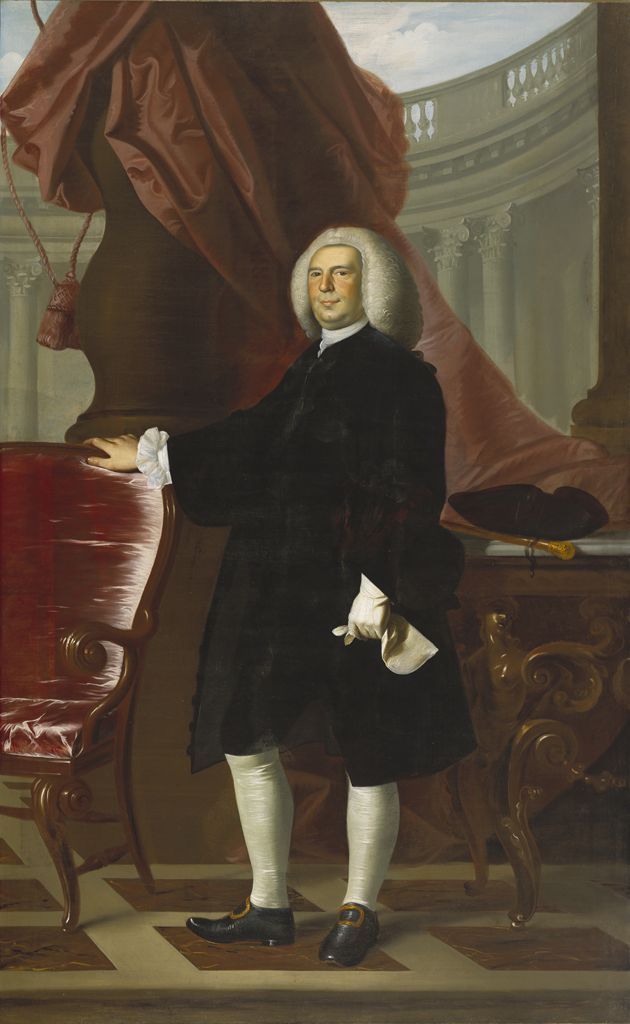
Portrait of Thomas Hancock
John Singleton Copley · c. 1764–1766
A painted portrait of Thomas Hancock, the uncle who raised John Hancock and left him the family merchant fortune.
Portrait of the uncle whose fortune and merchant business John Hancock inherited, shaping his later wealth and status.
About this source
What it is
This full-length oil portrait by John Singleton Copley, painted around 1764–1766, shows Thomas Hancock standing beside a red chair and a carved table, before a classical colonnade. It is held in the Harvard University Portrait Collection.
Why it matters
Thomas Hancock built the House of Hancock, a powerful merchant trading business, and raised his nephew John Hancock after the death of John's father. When Thomas died, John inherited this fortune and business empire, which gave him the wealth and standing he later used in Massachusetts politics and the American Revolution.
Look closer
- What details in the painting (clothing, furniture, setting) suggest Thomas Hancock's wealth and status?
- Why might Copley, a leading colonial portraitist, have been chosen to paint this merchant?
- How might inheriting this fortune have shaped John Hancock's later political choices?
This painting is part of the curated material that grounds the AI version of John Hancock on Humy.ai — when students ask about related events, the AI can quote it and cite it.
More John Hancock sources
Meet the AI John Hancock →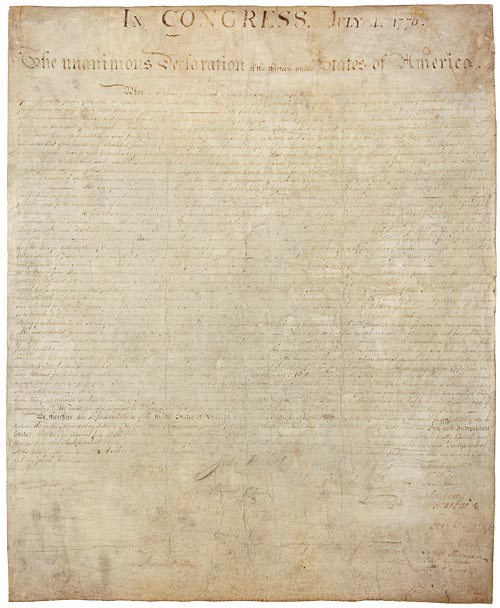 Document
Primary source
Declaration of Independence
Continental Congress (drafted by Thomas Jefferson) · 1776
 Document
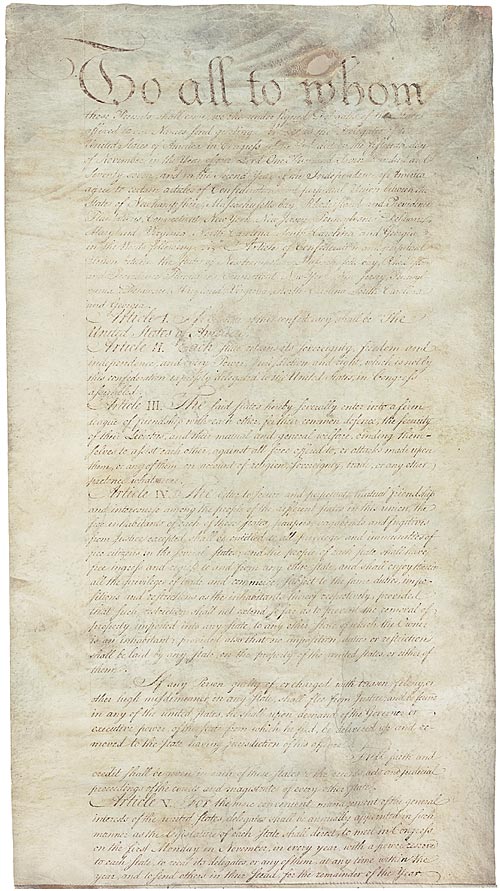
Primary source
Articles of Confederation
Continental Congress · 1777
 Painting
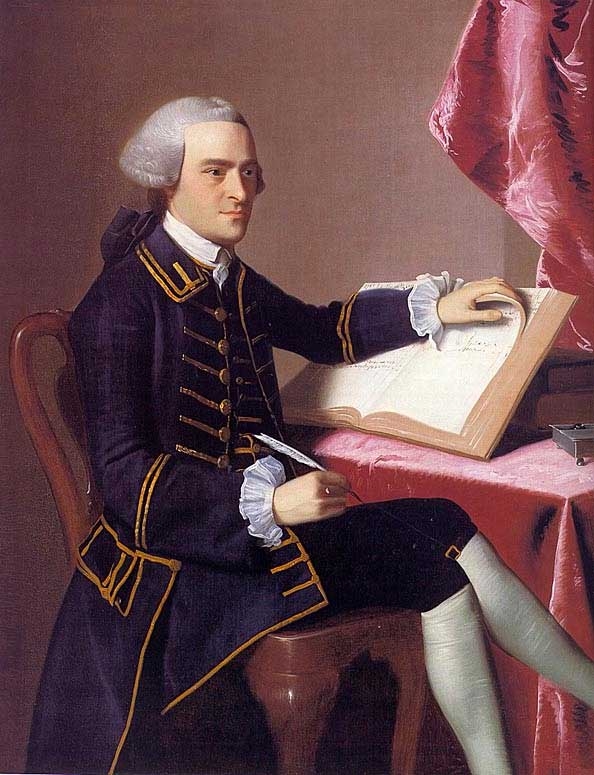
Primary source
John Hancock
John Singleton Copley · 1765
 Document
Primary source
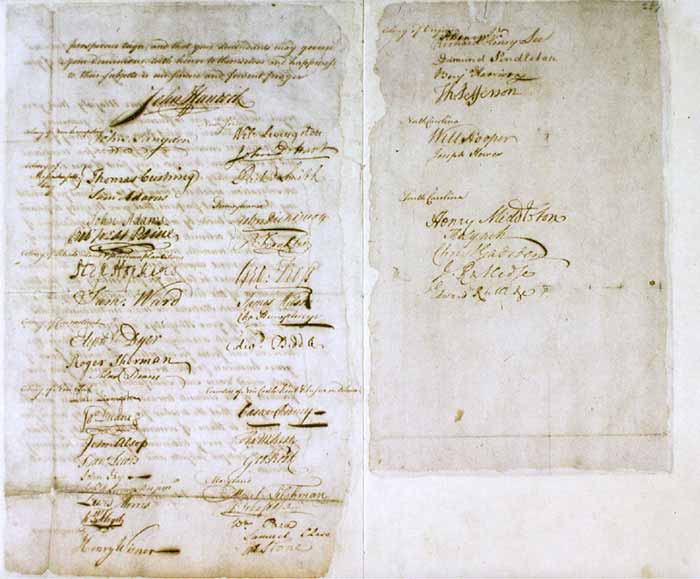
Olive Branch Petition
Second Continental Congress · 1775
 Painting
Secondary source
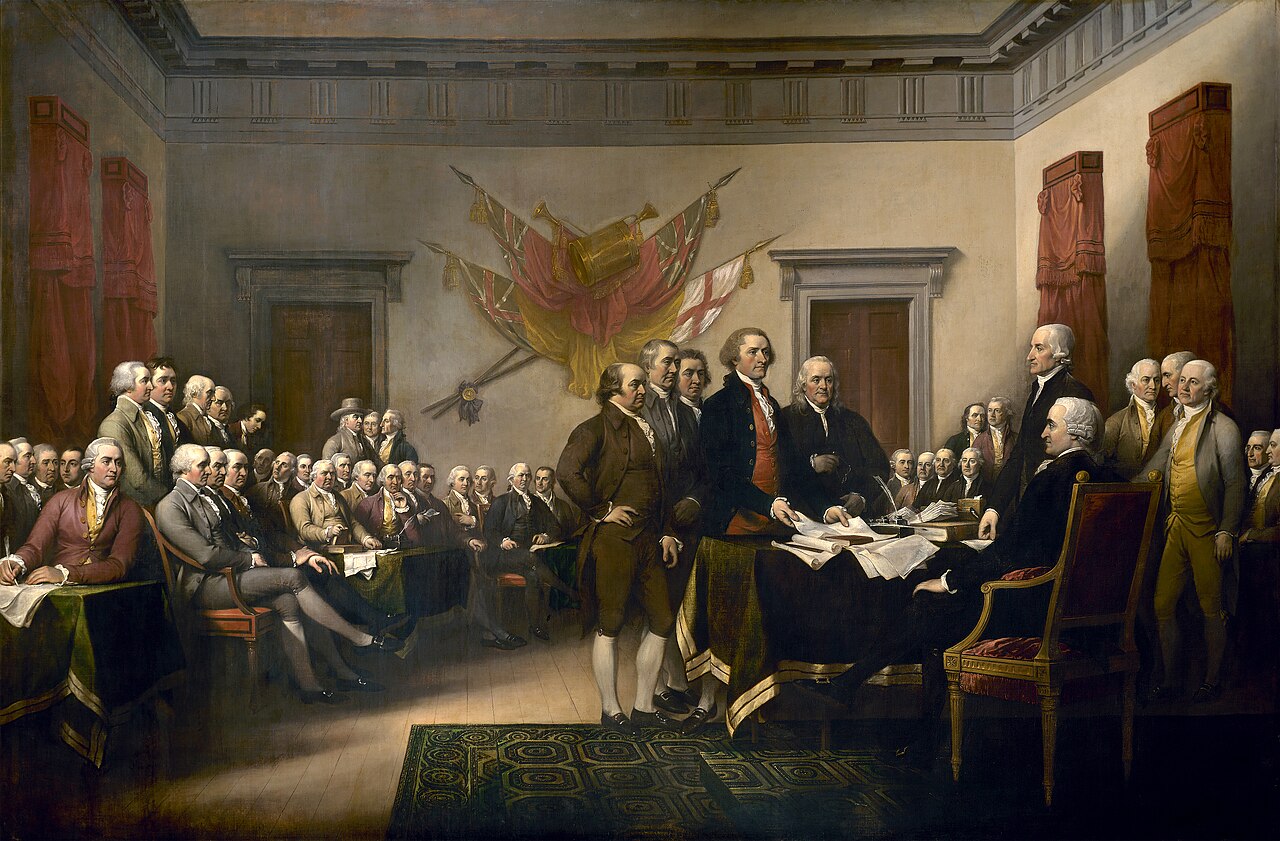
Declaration of Independence
John Trumbull · 1818
Ready when you are
Start chatting with John Hancock now.
20 messages free · No credit card · Available in 50+ languages.