


Secondary sourceArtifact1787-1793
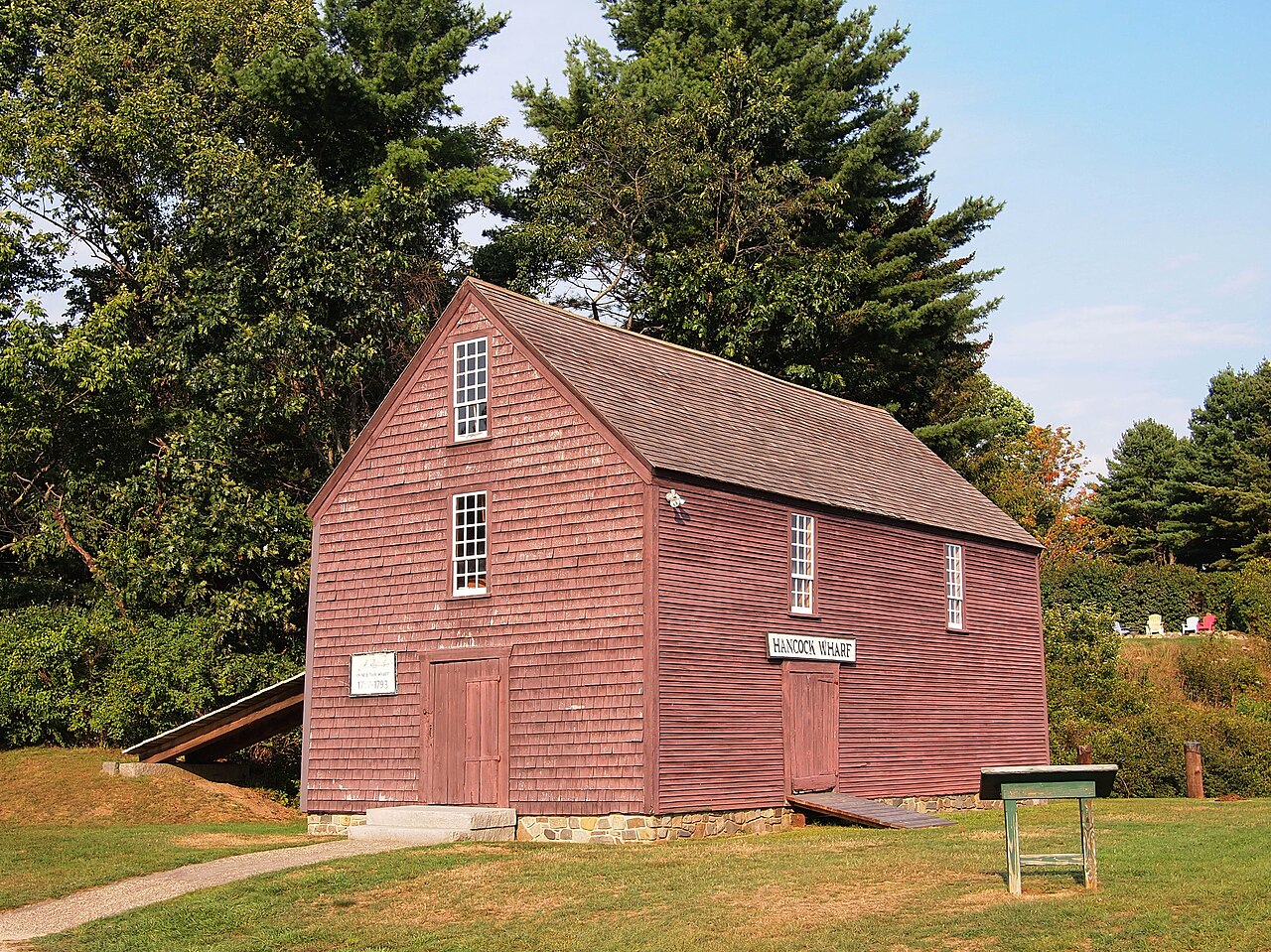
Hancock Wharf
1787-1793
A surviving two-story wooden warehouse linked to John Hancock's later mercantile holdings.
This warehouse is associated with Hancock's commercial holdings, showing his career as a merchant alongside his political life.
About this source
What it is
This red-painted wooden warehouse, with a shingled gable end and multi-pane windows, stands on a stone foundation and carries a sign reading 'Hancock Wharf'. It is identified with the commercial holdings of John Hancock.
Why it matters
Hancock was not only a political leader of the American Revolution but also a wealthy merchant. Warehouses like this one were the physical basis of the trading fortune that funded his public life. It is a reminder that revolutionary leaders were often also businessmen with commercial interests to protect.
Look closer
- What does the building's construction tell you about the trade it served?
- Why might a merchant's wealth have mattered to his political influence?
- What is missing from this photo that would help you understand how the wharf was used?
This artifact is part of the curated material that grounds the AI version of John Hancock on Humy.ai — when students ask about related events, the AI can quote it and cite it.
More John Hancock sources
Meet the AI John Hancock →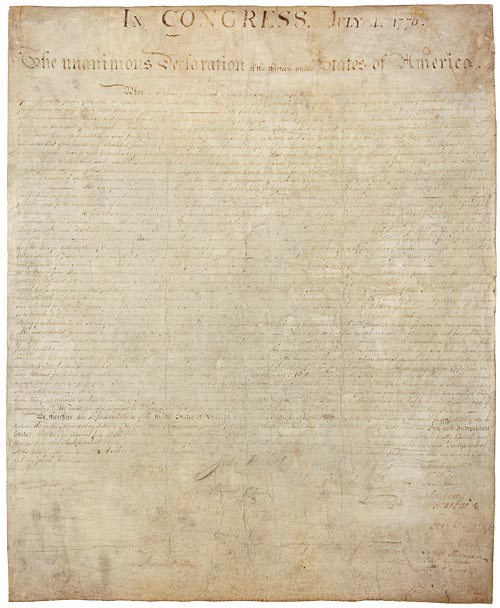 Document
Primary source
Declaration of Independence
Continental Congress (drafted by Thomas Jefferson) · 1776
 Document
Primary source
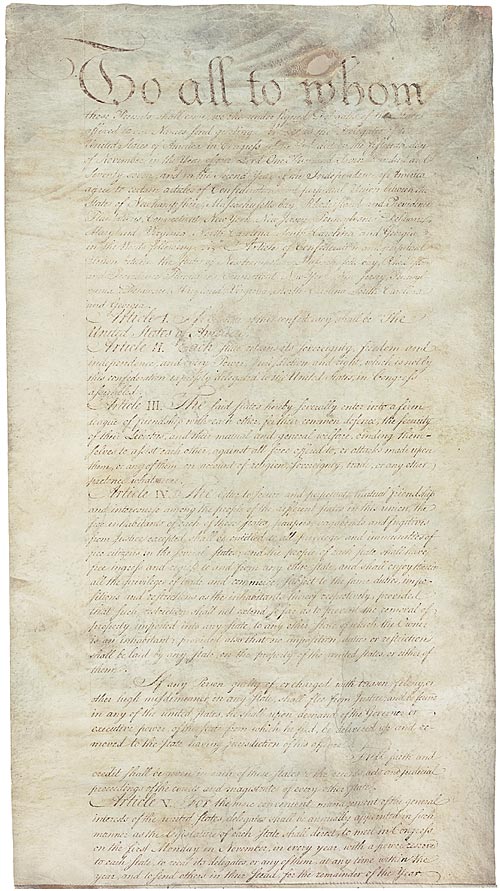
Articles of Confederation
Continental Congress · 1777
 Painting
Primary source
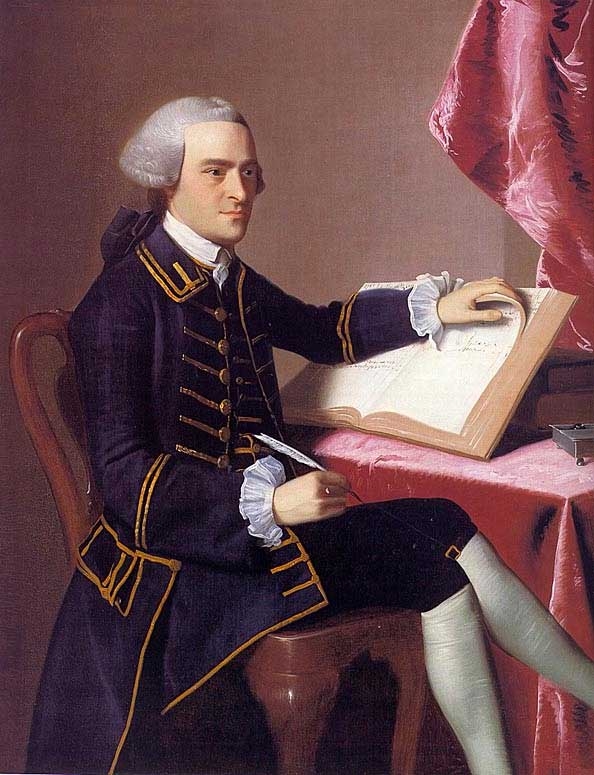
John Hancock
John Singleton Copley · 1765
 Document
Primary source
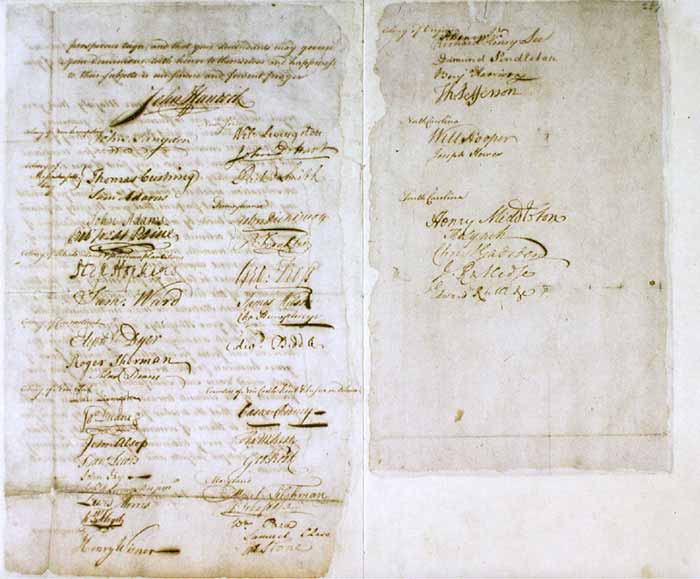
Olive Branch Petition
Second Continental Congress · 1775
 Painting
Secondary source
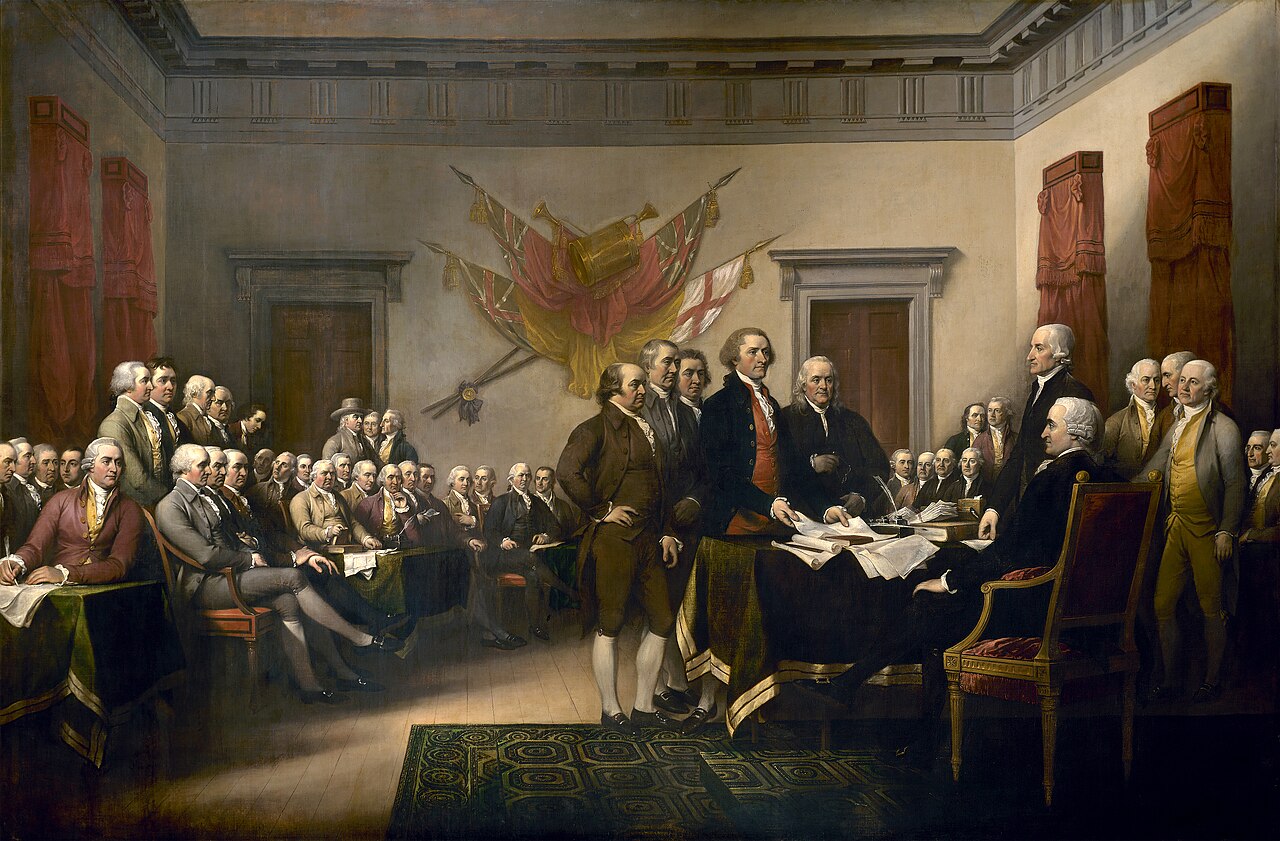
Declaration of Independence
John Trumbull · 1818
Ready when you are
Start chatting with John Hancock now.
20 messages free · No credit card · Available in 50+ languages.