


Secondary sourcePhotographc. 1913-1930
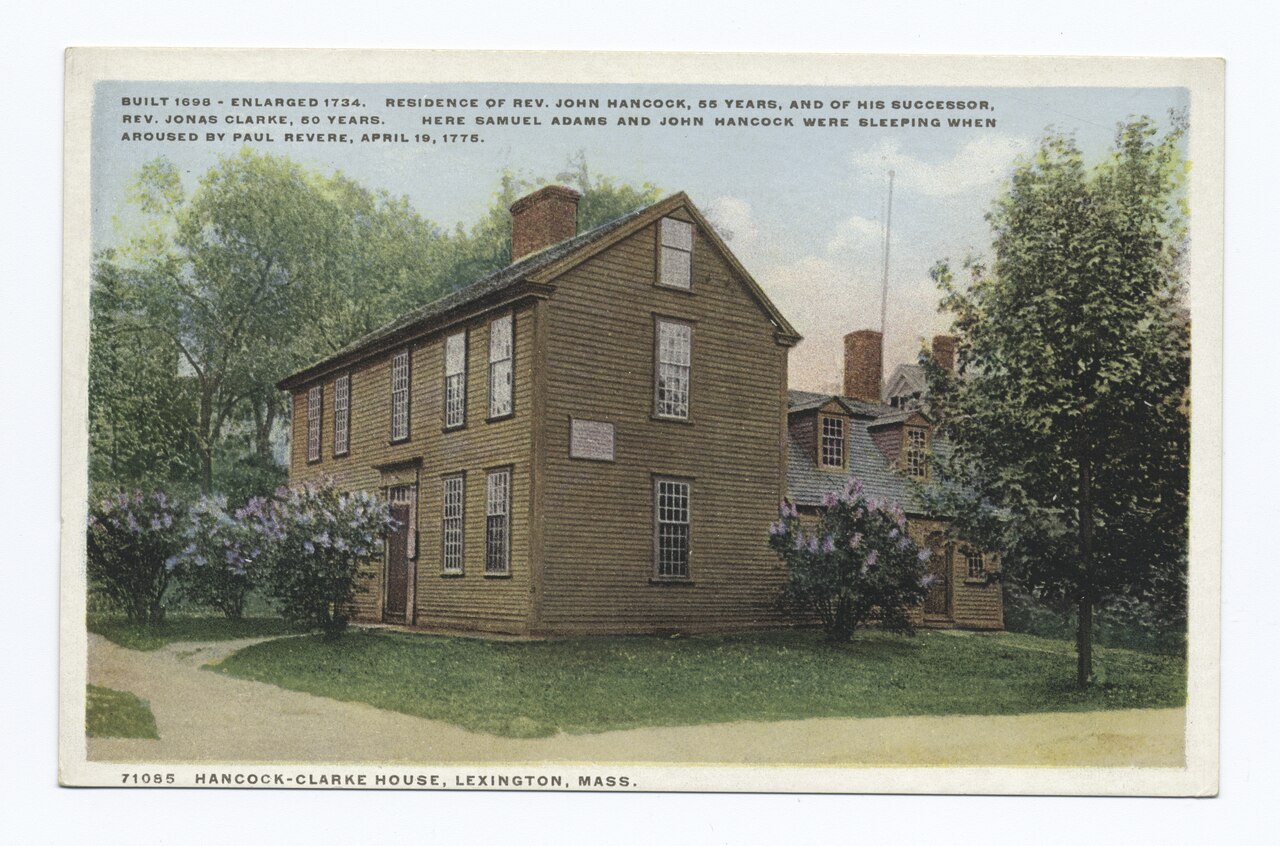
Hancock-Clarke House, Lexington, Massachusetts, postcard
Detroit Publishing Company · c. 1913-1930
A hand-colored postcard, issued by the Detroit Publishing Company, of the Hancock-Clarke House in Lexington. Hancock stayed in this house in 1775.
A later image of a Lexington house where Hancock stayed in 1775, showing how his link to the site was marketed.
About this source
What it is
This is a hand-colored postcard of the Hancock-Clarke House in Lexington, Massachusetts. It shows a two-story clapboard house with a steep gabled roof and a brick chimney, with lilac bushes and trees around it. Printed text above and below the picture describes the house and the events of 1775. The card was published by the Detroit Publishing Company, in a series numbered 71085 that was issued from 1913 to 1918 and continued through 1930. The collection record notes that this series began the 'contract' issues, cards made for museums and other organizations.
Why it matters
Postcards like this one spread images of historic sites to the public in the early twentieth century. The house is tied to John Hancock, who stayed there in 1775, the year the American Revolution began. The card shows how that connection was promoted to visitors long after the events. Students can compare it with the older paintings of Hancock's Boston home.
Look closer
- What does the printed text on the card say about the house, and what does it choose to emphasize?
- Why might a company add color by hand to a photograph of a building?
- Who would have bought or sent a card like this, and what does that suggest about how the past was valued?
This photograph is part of the curated material that grounds the AI version of John Hancock on Humy.ai — when students ask about related events, the AI can quote it and cite it.
More John Hancock sources
Meet the AI John Hancock →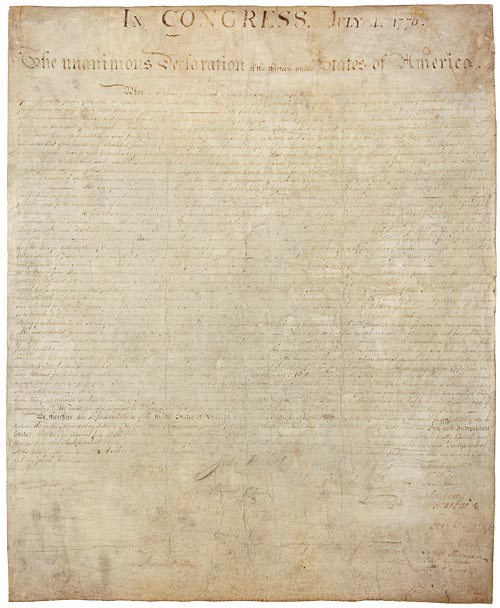 Document
Primary source
Declaration of Independence
Continental Congress (drafted by Thomas Jefferson) · 1776
 Document
Primary source
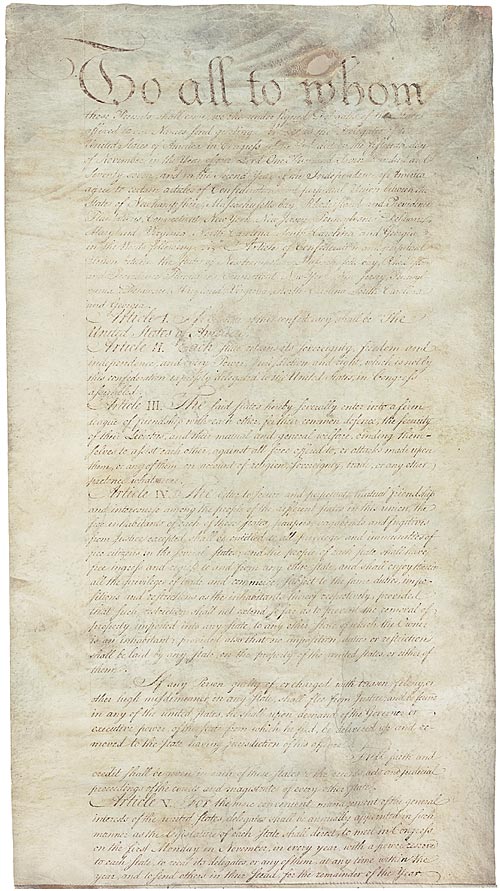
Articles of Confederation
Continental Congress · 1777
 Painting
Primary source
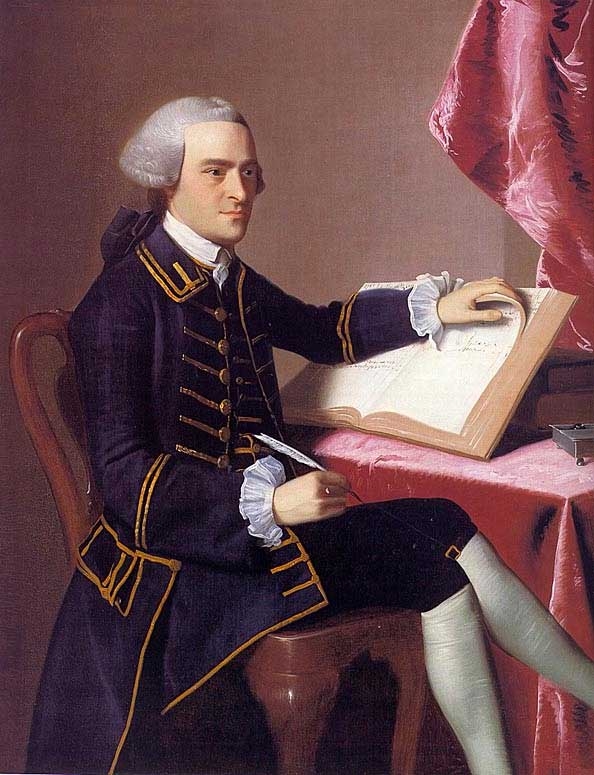
John Hancock
John Singleton Copley · 1765
 Document
Primary source
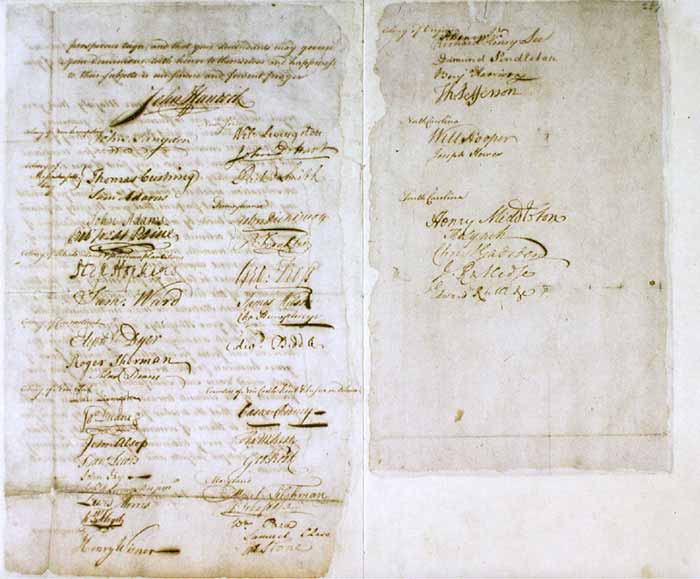
Olive Branch Petition
Second Continental Congress · 1775
 Painting
Secondary source
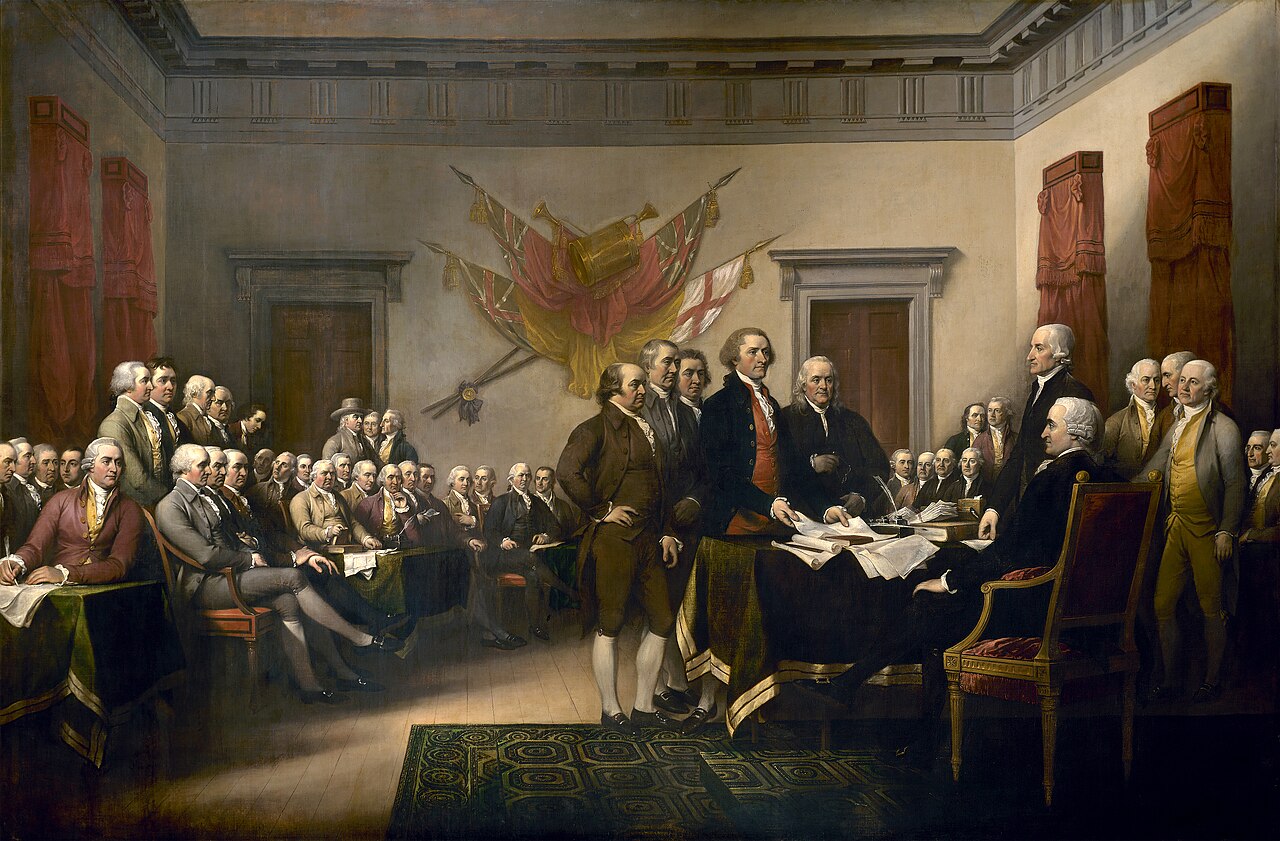
Declaration of Independence
John Trumbull · 1818
Ready when you are
Start chatting with John Hancock now.
20 messages free · No credit card · Available in 50+ languages.