


Secondary sourcePhotograph1737 (building); photograph c. 1860-1898
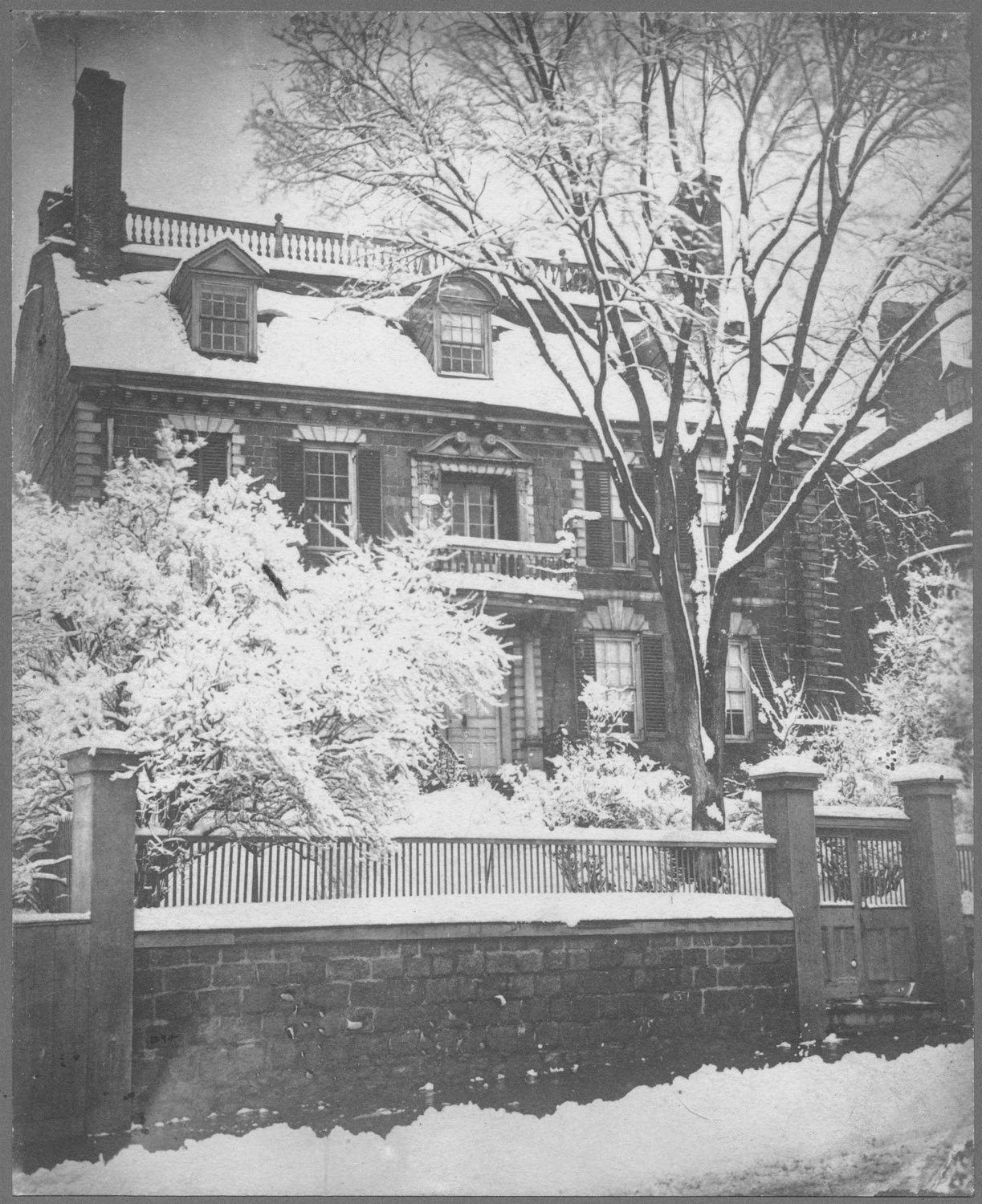
Hancock Manor
1737 (building); photograph c. 1860-1898
The Beacon Hill mansion John Hancock inherited and lived in, once the grand seat of his family's wealth, later demolished.
Hancock inherited this Beacon Hill mansion, the seat of his family's wealth, though the house itself passed to his aunt Lydia.
About this source
What it is
Hancock Manor was a two-story brick colonial mansion on Beacon Street in Boston, built in 1737. It was inherited by John Hancock, though the manor itself and the enslaved people held by the family went to his aunt Lydia under his uncle's will. The house was demolished in 1863, and this black-and-white photograph is a later copy made from an earlier image showing the house in snow.
Why it matters
The mansion was the symbol of the wealth of the House of Hancock, the merchant family that made John Hancock one of the richest men in colonial Boston. The property's history, including its connection to slavery, shows both the grandeur and the harsh realities behind colonial fortunes.
Look closer
- What clues in the photograph suggest this was a wealthy household?
- Why do you think only a photograph survives of this building today?
- What does the mention of enslaved people in the will add to the story of this house?
This photograph is part of the curated material that grounds the AI version of John Hancock on Humy.ai — when students ask about related events, the AI can quote it and cite it.
More John Hancock sources
Meet the AI John Hancock → Document
Primary source
Declaration of Independence
Continental Congress (drafted by Thomas Jefferson) · 1776
 Document
Primary source
Articles of Confederation
Continental Congress · 1777
 Painting
Primary source
John Hancock
John Singleton Copley · 1765
 Document
Primary source
Olive Branch Petition
Second Continental Congress · 1775
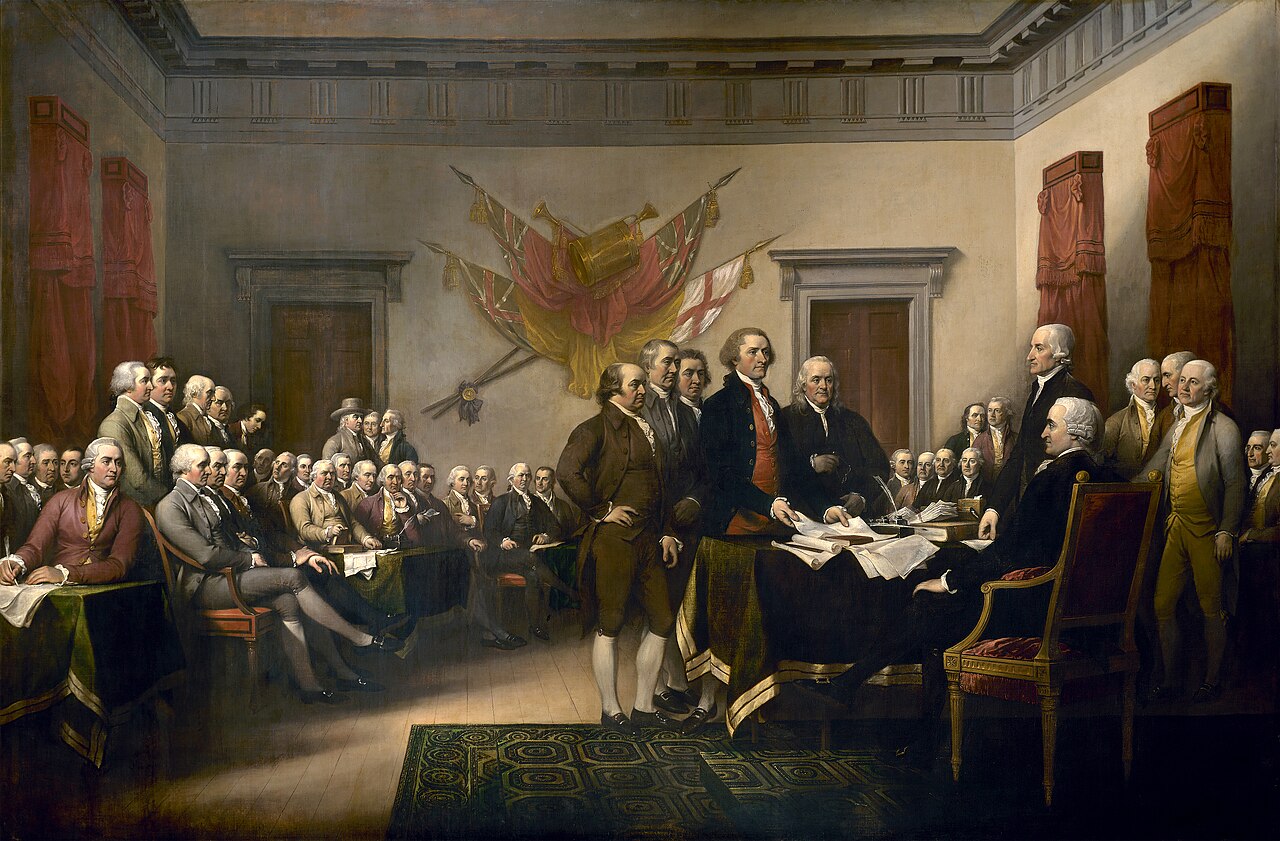 Painting
Secondary source
Declaration of Independence
John Trumbull · 1818
Ready when you are
Start chatting with John Hancock now.
20 messages free · No credit card · Available in 50+ languages.