


Primary sourceBook
On Crises
Hippocrates (traditional attribution; authorship uncertain)
A Hippocratic Corpus treatise on turning points in disease, traditionally credited to Hippocrates.
Traditionally attributed to Hippocrates, this treatise on disease crises reflects the medical theory linked to his name.
Free Humy account · No credit card · 118,535 sources to read
About this source
What it is
This Greek text, known as Peri krision or On Crises, describes signs in the body—sweat, urine, bowel movements—that doctors used to judge whether a disease was improving or worsening. It is part of the Hippocratic Corpus, traditionally linked to Hippocrates, though his authorship of this specific treatise is uncertain. It is preserved on Wikisource among texts on general pathology.
Why it matters
This treatise shows the careful, close observation that characterized ancient Greek medicine, with doctors watching bodily signs to predict the course of illness. This observational approach, associated with the name Hippocrates, influenced how medicine was practiced for centuries.
Look closer
- What kinds of bodily signs does the text focus on, and why might those have been chosen?
- How does this method compare with how doctors diagnose illness today?
- What are the risks of relying only on observation without modern scientific testing?
This book is part of the curated material that grounds the AI version of Hippocrates on Humy.ai — when students ask about related events, the AI can quote it and cite it.
More Hippocrates sources
Browse all 91 →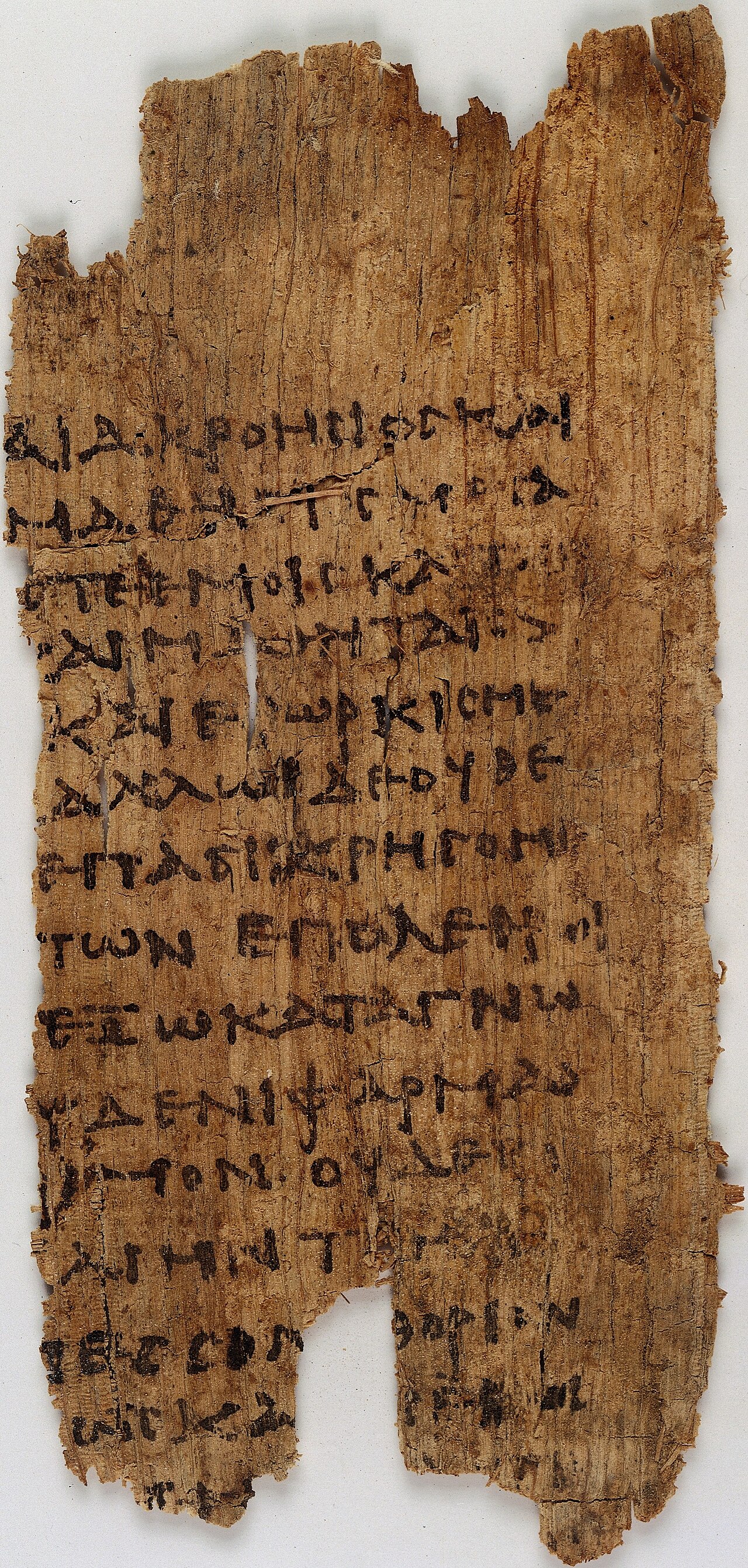 Document
Secondary source
Hippocratic Oath
Attributed to Hippocrates · 5th-3rd century BCE (text); papyrus fragment 3rd century AD
Secondary source
On the Sacred Disease
Attributed to Hippocrates · c. 400 BCE
Secondary source
Nature of Man
Attributed to Hippocrates or Polybus · Classical antiquity
Secondary source
Aphorisms
Attributed to Hippocrates · Classical antiquity
Free account
Read every Hippocrates source
Sign up free →
Ready when you are
Start chatting with Hippocrates now.
20 messages free · No credit card · Available in 50+ languages.