


Primary sourceBook
On Lying
Augustine of Hippo
Augustine's treatise examining whether lying can ever be justified, arguing for a strict prohibition against it.
Augustine's own treatise setting out his strict view that lying is never permissible.
Free Humy account · No credit card · 118,535 sources to read
About this source
What it is
On Lying (De Mendacio) is a treatise written by Augustine of Hippo exploring the problem of lying, including so-called "honest" or well-meaning lies.
Why it matters
Augustine opens by admitting the question is genuinely difficult, troubling him in daily life, and he warns against rashly calling something a lie or assuming that a kind or useful lie is ever permissible. The treatise shows his careful, searching method of reasoning through moral problems and his insistence on strict honesty as a Christian virtue, even when it seems inconvenient.
Look closer
- Why does Augustine say the question of lying is so difficult to resolve?
- What does his warning against "honest" lies suggest about his view of truth?
- How might this strict position have been challenged in real-life situations, such as protecting someone from harm?
This book is part of the curated material that grounds the AI version of Saint Augustine on Humy.ai — when students ask about related events, the AI can quote it and cite it.
More Saint Augustine sources
Browse all 86 →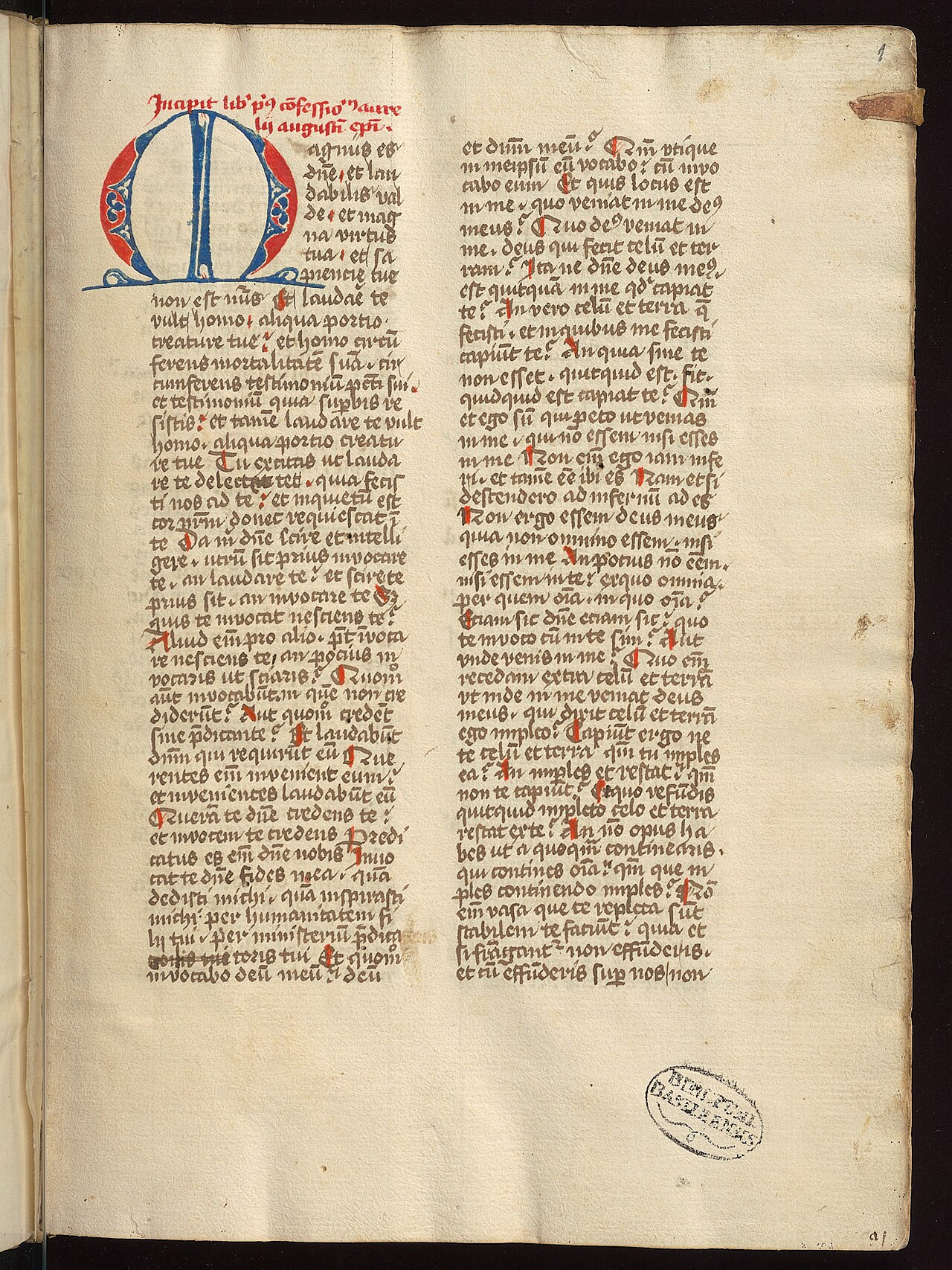 Book
Primary source
Confessions
Augustine of Hippo · AD 397-400
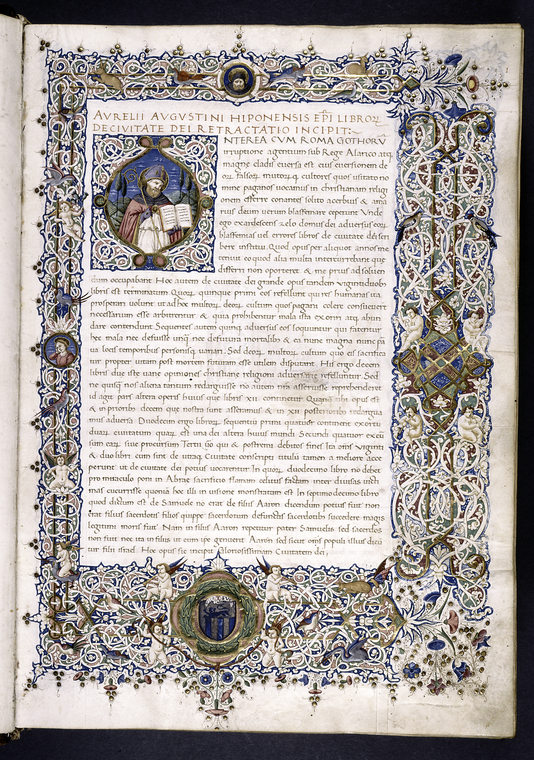 Book
Primary source
The City of God
Augustine of Hippo · early 5th century AD
Primary source
Sermons of Augustine of Hippo
Augustine of Hippo
Primary source
De libero arbitrio
Augustine of Hippo · 388-395 AD

Free account
Read every Saint Augustine source
Sign up free →
Ready when you are
Start chatting with Saint Augustine now.
20 messages free · No credit card · Available in 50+ languages.