


Primary sourceBook50 BCE – 50 CE
On Nature
Epicurus · 50 BCE – 50 CE
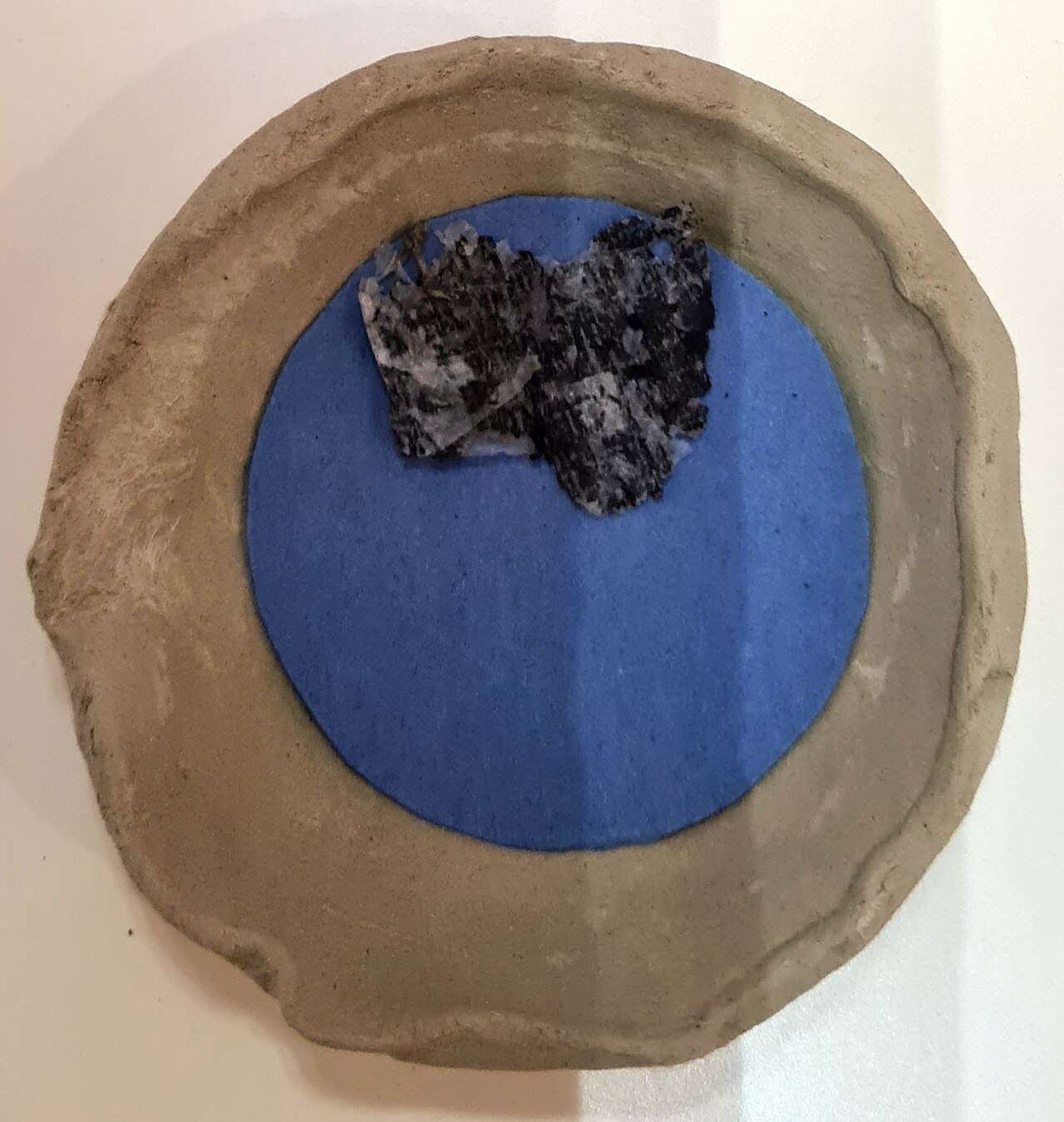
Epicurus's own thirty-seven-book work of physics, surviving only as charred papyrus fragments recovered from Herculaneum.
This is a surviving fragment of Epicurus's own major work of physics, written in his own school's tradition.
About this source
What it is
On Nature was a massive work by Epicurus himself, originally in thirty-seven books, setting out his physical theory of atoms and the natural world. It survives only in carbonised papyrus fragments, buried and burned by the volcanic eruption that destroyed Herculaneum. One such fragment is held in the Papyrus Museum in Syracuse.
Why it matters
Of the hundreds of works Epicurus is said to have written, almost all are lost; only a few letters, a collection of sayings, and fragments like this one remain. These burnt scraps show both how large and detailed his original output was, and how little of it has reached us directly, meaning most of what we know about Epicurus comes through later writers instead.
Look closer
- What does the condition of the papyrus tell you about how fragile ancient texts are?
- Why might a single surviving fragment change how historians understand a philosopher's whole body of work?
- What questions can't be answered because so much of this text is missing?
This book is part of the curated material that grounds the AI version of Epicurus on Humy.ai — when students ask about related events, the AI can quote it and cite it.
More Epicurus sources
Browse all 84 →Primary source
Letter to Menoeceus
Epicurus · 4th-3rd century BCE
Primary source
Letter to Herodotus
Epicurus · 4th-3rd century BCE
Secondary source
Lives of the Eminent Philosophers, Book X
Diogenes Laërtius · 3rd century CE
 Book
Secondary source
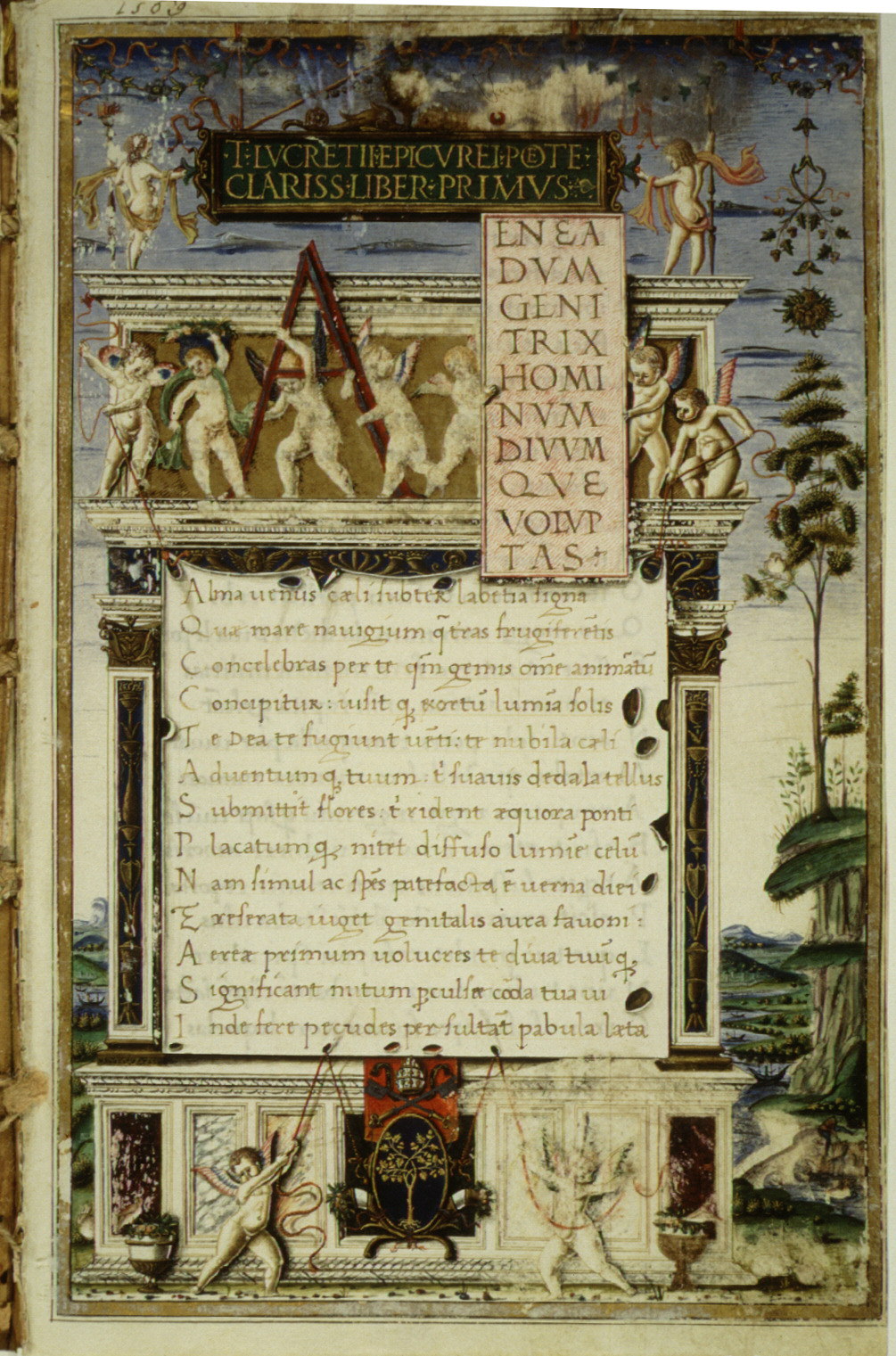
De rerum natura
Lucretius · c. 100 BC
Free account
Read every Epicurus source
Sign up free →
Ready when you are
Start chatting with Epicurus now.
20 messages free · No credit card · Available in 50+ languages.