


Primary sourceBookearly 5th century
On Nature and Grace
Augustine of Hippo · early 5th century
Augustine of Hippo's reply to Pelagius, defending divine grace against views on human nature.
Augustine's direct reply to Pelagius, part of his central role in the Pelagian controversy.
Free Humy account · No credit card · 120,912 sources to read
About this source
What it is
This treatise, De natura et gratia, was written by Augustine of Hippo as a direct response to a book by Pelagius that defended human nature's own capacity for goodness. Augustine explains in his later Retractations that he wrote it to argue that grace does not oppose nature but liberates and guides it.
Why it matters
The work is part of the long dispute between Augustine and Pelagian teaching over whether people can achieve righteousness through their own will or need God's grace. Augustine also admits a mistake in the text, having wrongly attributed some quoted words to a Christian bishop rather than their actual pagan author, showing how even careful scholars could make errors.
Look closer
- Why might Augustine have later corrected his own mistake about the source of a quotation?
- What does this debate with Pelagius tell us about disagreements inside early Christianity?
- How does Augustine describe the relationship between nature and grace?
This book is part of the curated material that grounds the AI version of Saint Augustine on Humy.ai — when students ask about related events, the AI can quote it and cite it.
More Saint Augustine sources
Browse all 86 →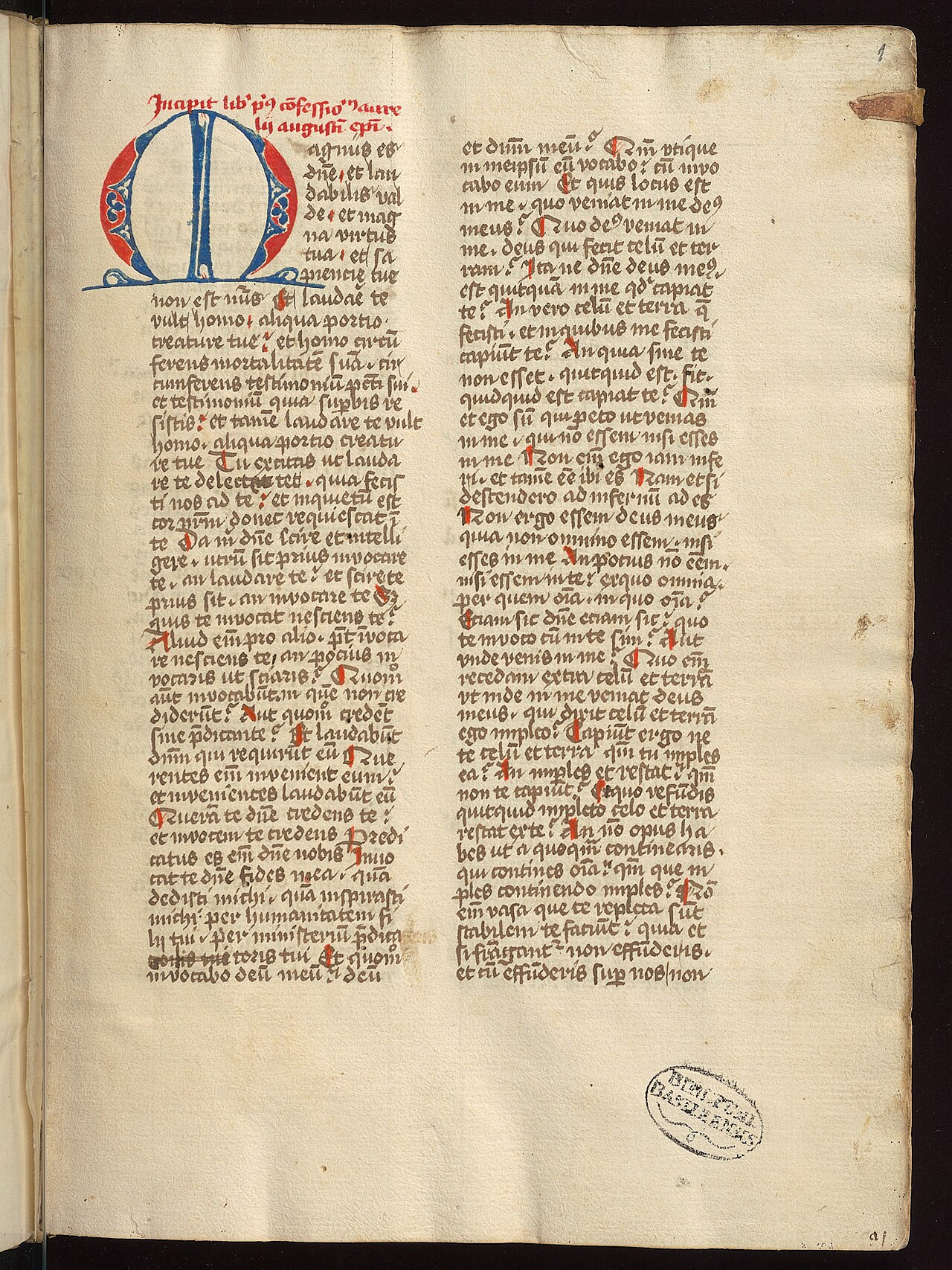 Book
Primary source
Confessions
Augustine of Hippo · AD 397-400
 Book
Primary source
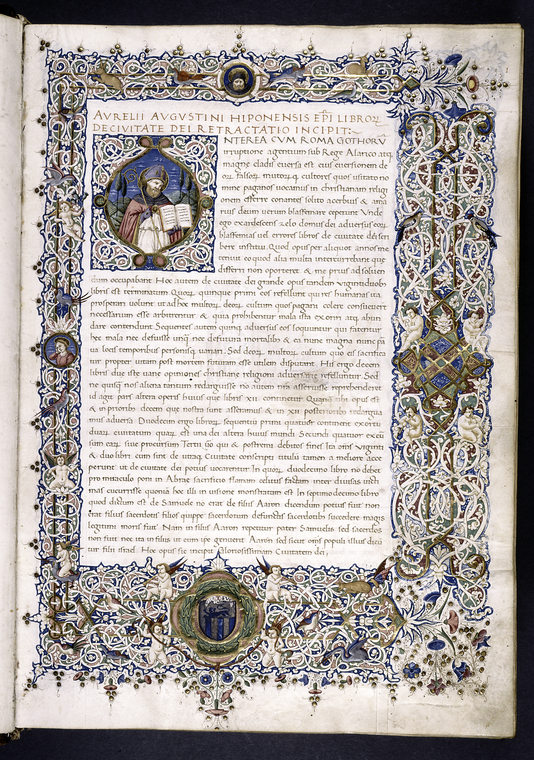
The City of God
Augustine of Hippo · early 5th century AD
Primary source
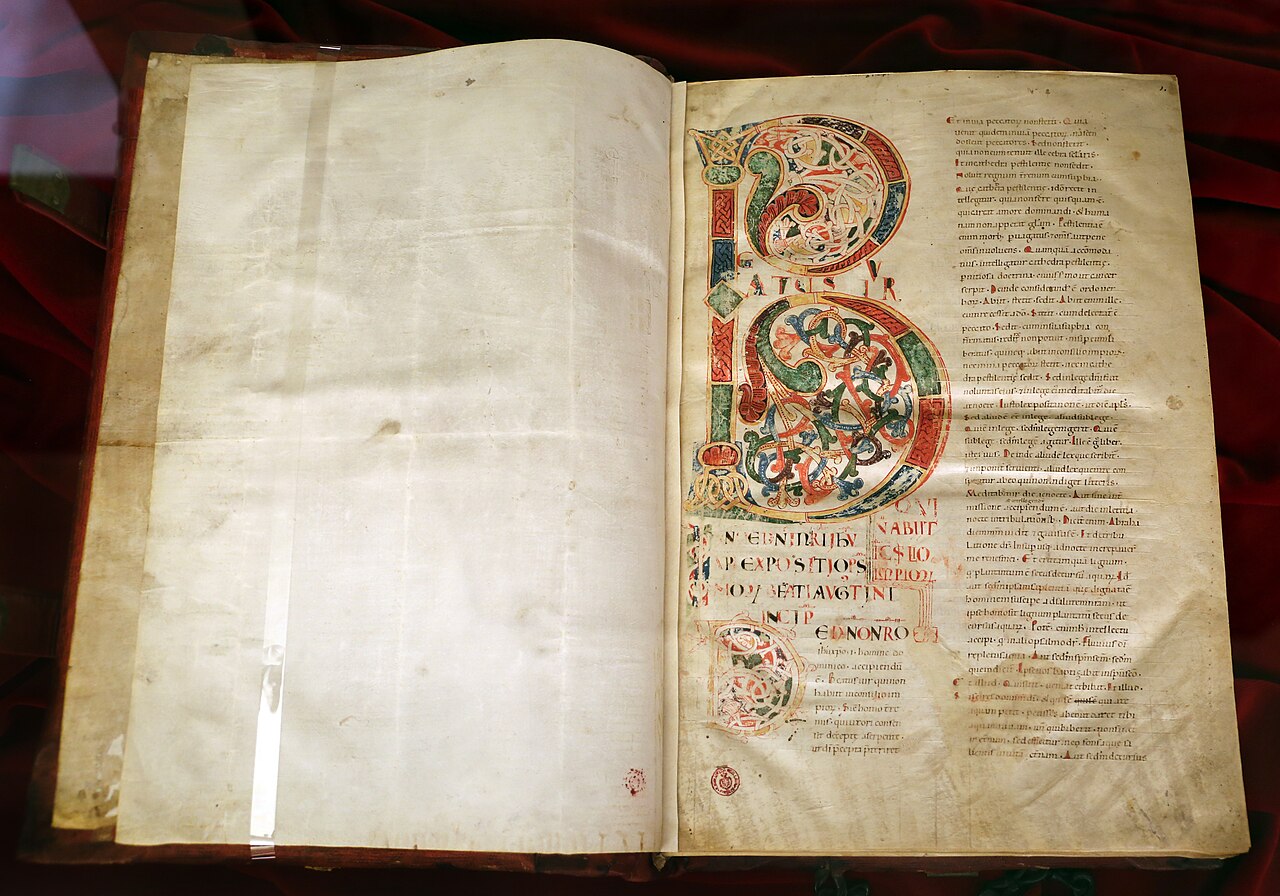
Sermons of Augustine of Hippo
Augustine of Hippo
Primary source
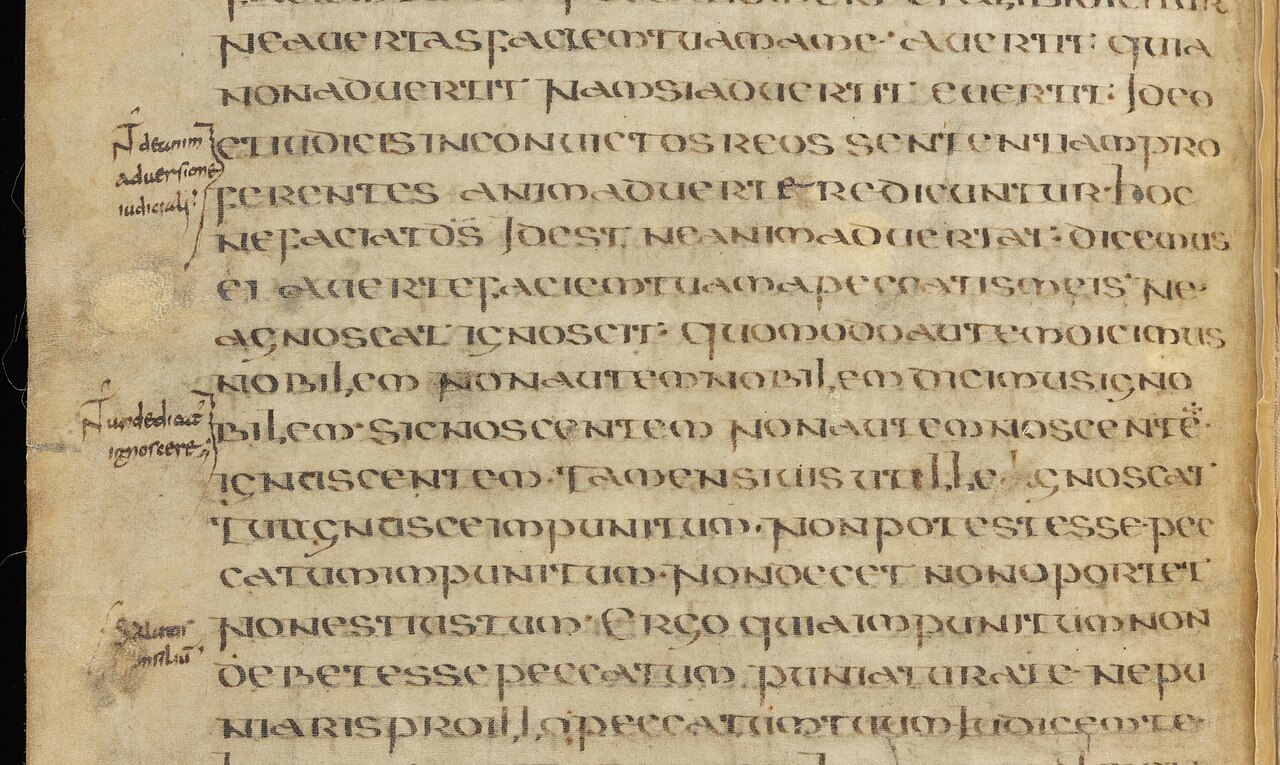
De libero arbitrio
Augustine of Hippo · 388-395 AD
Free account
Read every Saint Augustine source
Sign up free →
Ready when you are
Start chatting with Saint Augustine now.
20 messages free · No credit card · Available in 50+ languages.