


Primary sourceBookc. 387-389
On the Morals of the Catholic Church
Augustine of Hippo · c. 387-389
An early treatise by Augustine, written around 387 to 389 after his baptism in Rome. It defends the moral life of the Catholic Church against Manichaean claims of superior virtue.
Augustine wrote this early anti-Manichaean treatise himself after his baptism, showing his first public defence of Catholic morals.
Free Humy account · No credit card · 120,912 sources to read
About this source
What it is
This is an early treatise on the morals of the Catholic Church. The catalogue dates it to 387 or 389, and the footnote says it was written in 388. In his Retractations, Augustine says he wrote it while in Rome after his baptism. He could not bear the Manichaeans boasting of a false continence that they claimed made them superior to Christians. He wrote two books on this subject, one on Catholic morals and one on Manichaean morals. The original is in Latin; this is an English translation taken from Wikisource.
Why it matters
The treatise shows how Augustine, shortly after his conversion, defended Christian conduct against a rival religious movement. It presents the four virtues as forms of love for God and shows how love for one's neighbour follows from that. It reveals the arguments and the rivalry between Catholics and Manichaeans in the late fourth century.
Look closer
- What claims did the Manichaeans make, and how does Augustine answer them?
- Why might Augustine have written about morals so soon after his baptism?
- What does the text leave out about the Manichaeans' own point of view?
This book is part of the curated material that grounds the AI version of Saint Augustine on Humy.ai — when students ask about related events, the AI can quote it and cite it.
More Saint Augustine sources
Browse all 86 →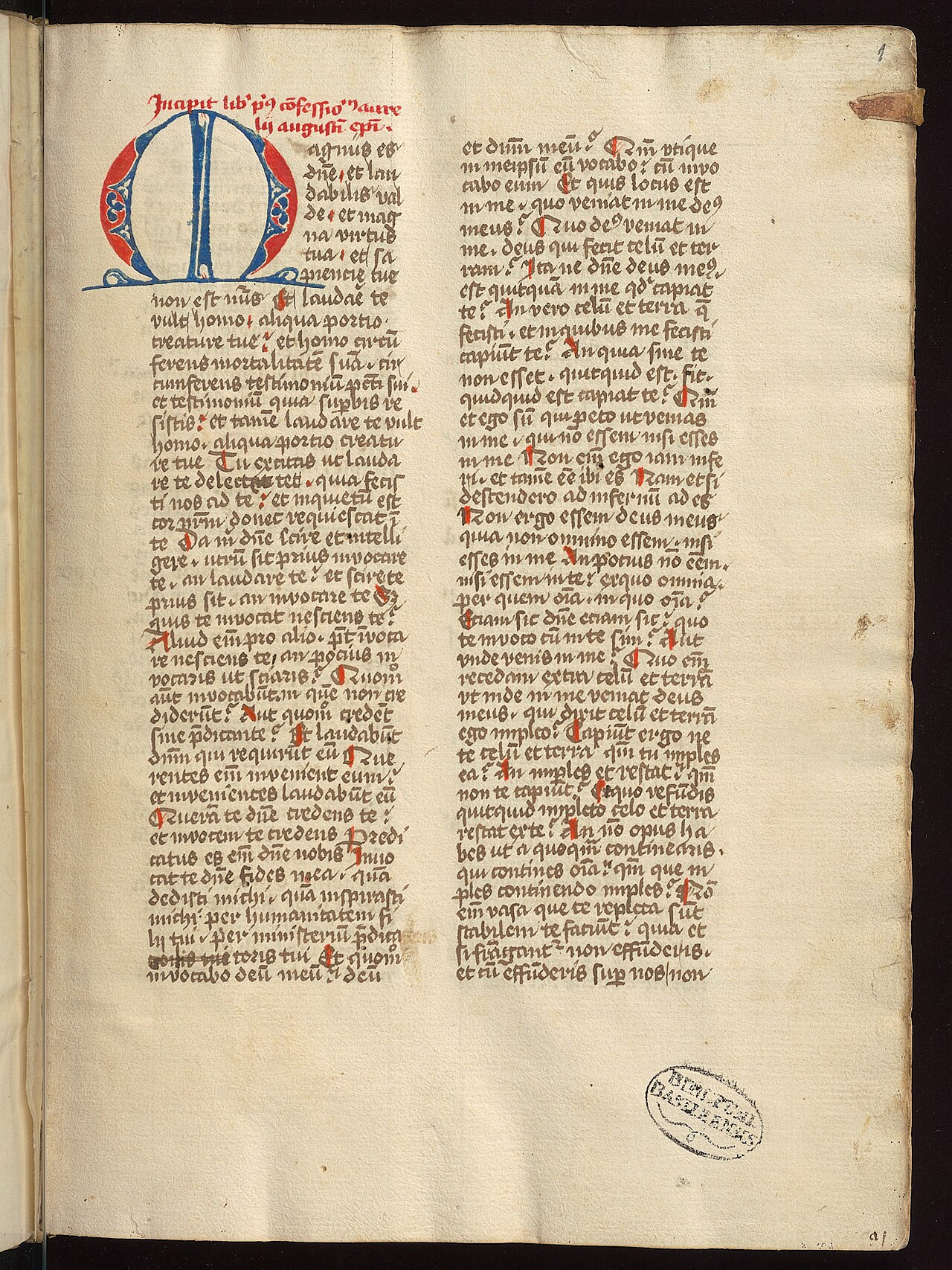 Book
Primary source
Confessions
Augustine of Hippo · AD 397-400
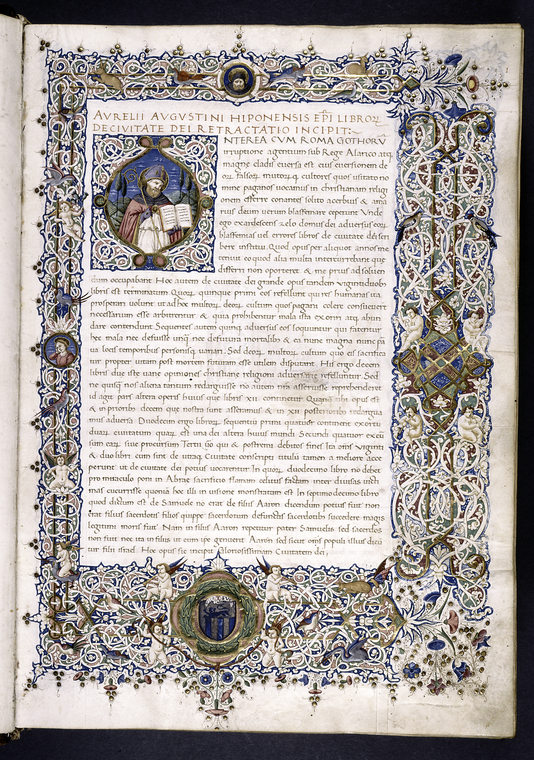 Book
Primary source
The City of God
Augustine of Hippo · early 5th century AD
Primary source
Sermons of Augustine of Hippo
Augustine of Hippo
Primary source
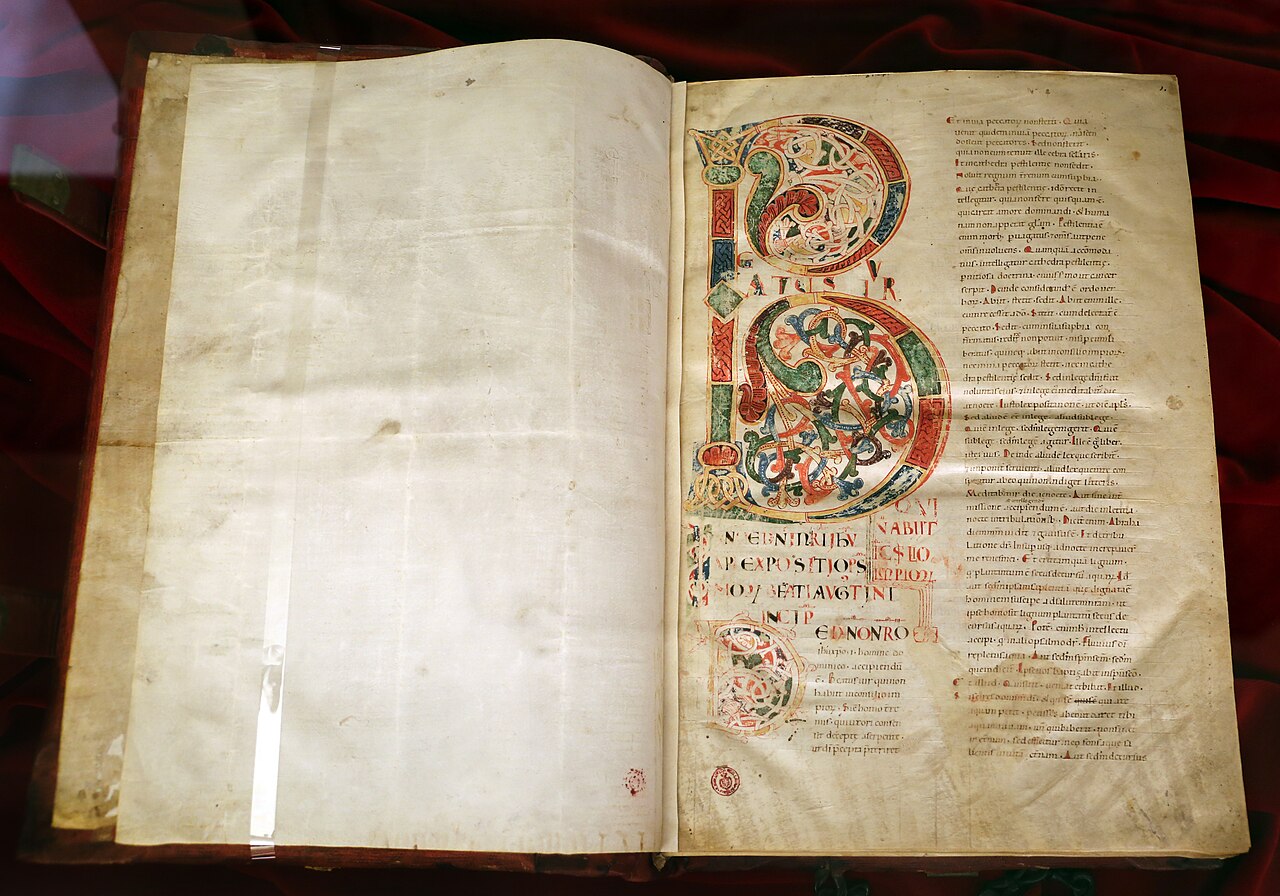
De libero arbitrio
Augustine of Hippo · 388-395 AD

Free account
Read every Saint Augustine source
Sign up free →
Ready when you are
Start chatting with Saint Augustine now.
20 messages free · No credit card · Available in 50+ languages.