


Secondary sourceDocument1918
Oriental Imperialism
1918
A 1918 article in the American Historical Review that uses Hammurabi's correspondence to discuss central control over Babylon's provinces.
This article cites Hammurabi's own correspondence as evidence of his tight administrative control over Babylon's provinces.
About this source
What it is
This is an article published in the American Historical Review, Volume 23, in 1918, discussing imperial control systems in the ancient Near East. It specifically cites Hammurabi's correspondence as evidence for how closely the ancient Babylonian government controlled its provinces.
Why it matters
The article uses Hammurabi's surviving letters as historical evidence of administrative detail and central authority in ancient Babylon. It shows how later historians drew on his correspondence, not just his famous law code, to understand how he and his government actually ruled.
Look closer
- What does the use of Hammurabi's own correspondence (rather than just his code) add to our understanding of his rule?
- Why might a 1918 article use ancient Near Eastern history to comment on 'imperialism'?
- What is left out when a historian focuses only on administrative letters rather than the everyday lives of ordinary people?
This document is part of the curated material that grounds the AI version of Hammurabi on Humy.ai — when students ask about related events, the AI can quote it and cite it.
More Hammurabi sources
Meet the AI Hammurabi →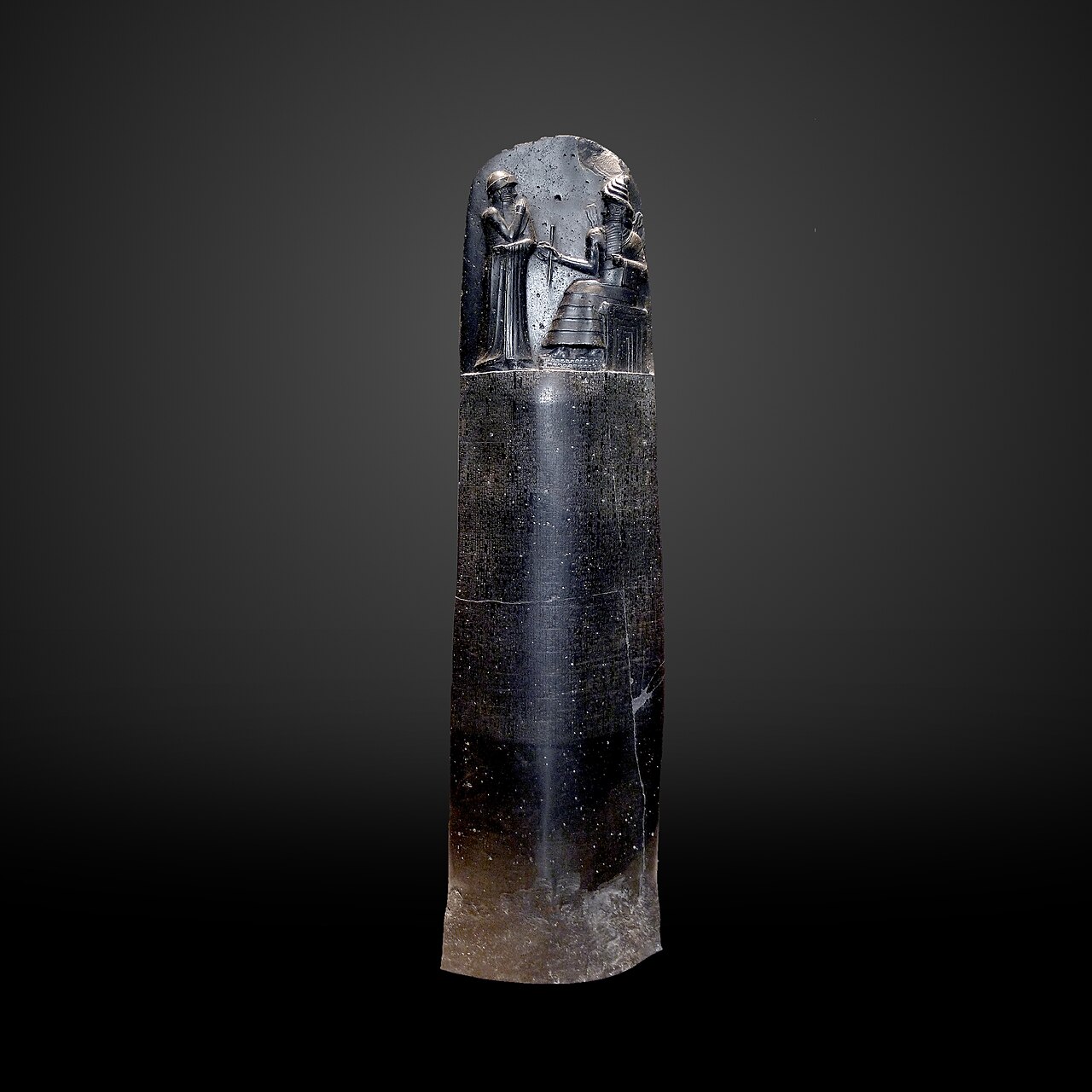 Document
Primary source
Code of Hammurabi
Hammurabi · c. 1753 BCE
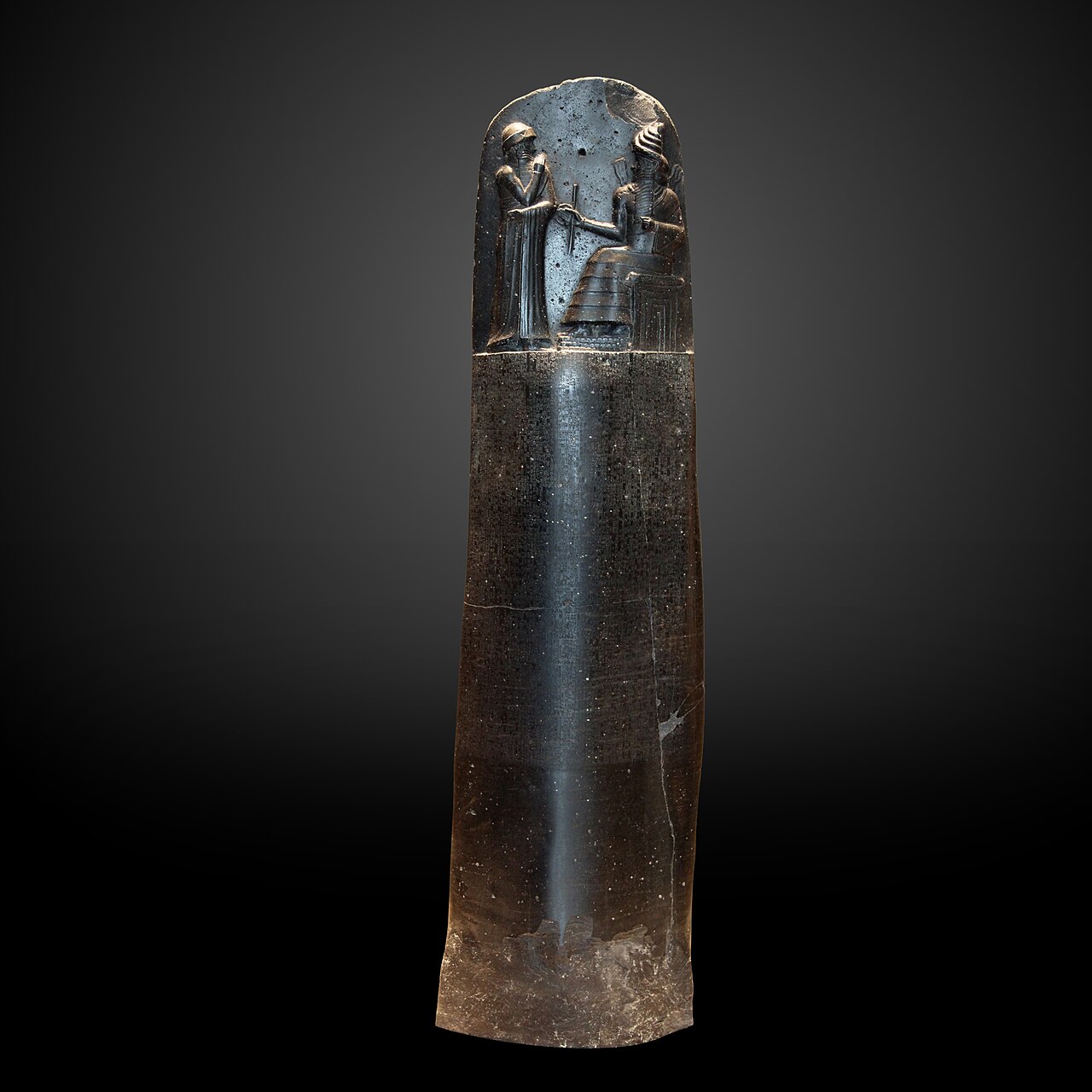 Sculpture
Primary source
Stele with the Code of Hammurabi
Hammurabi · c. 1792 BCE
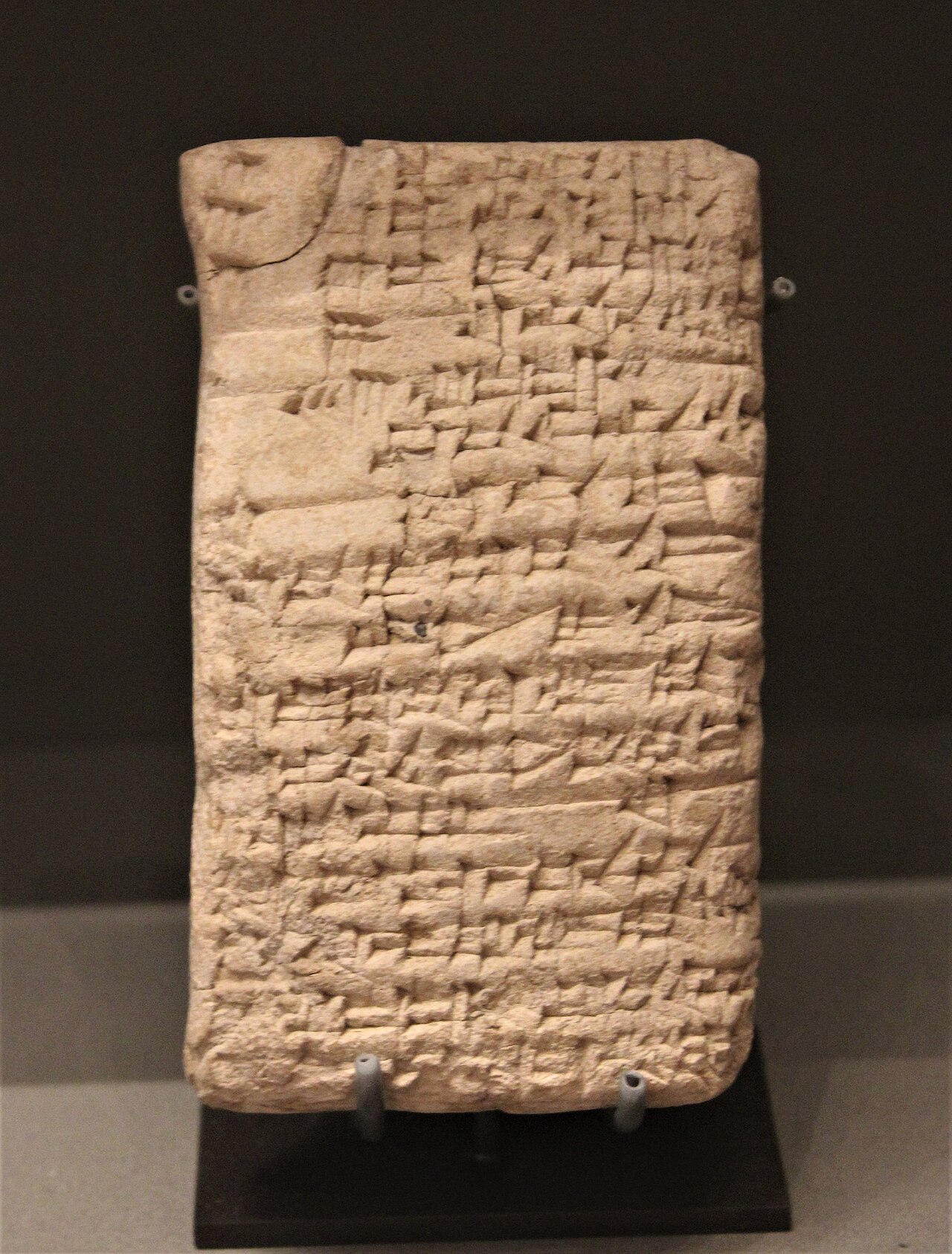 Letter
Primary source
Letter from Hammurabi to Sîn-iddinam
Hammurabi · c. 1792-1750 BCE
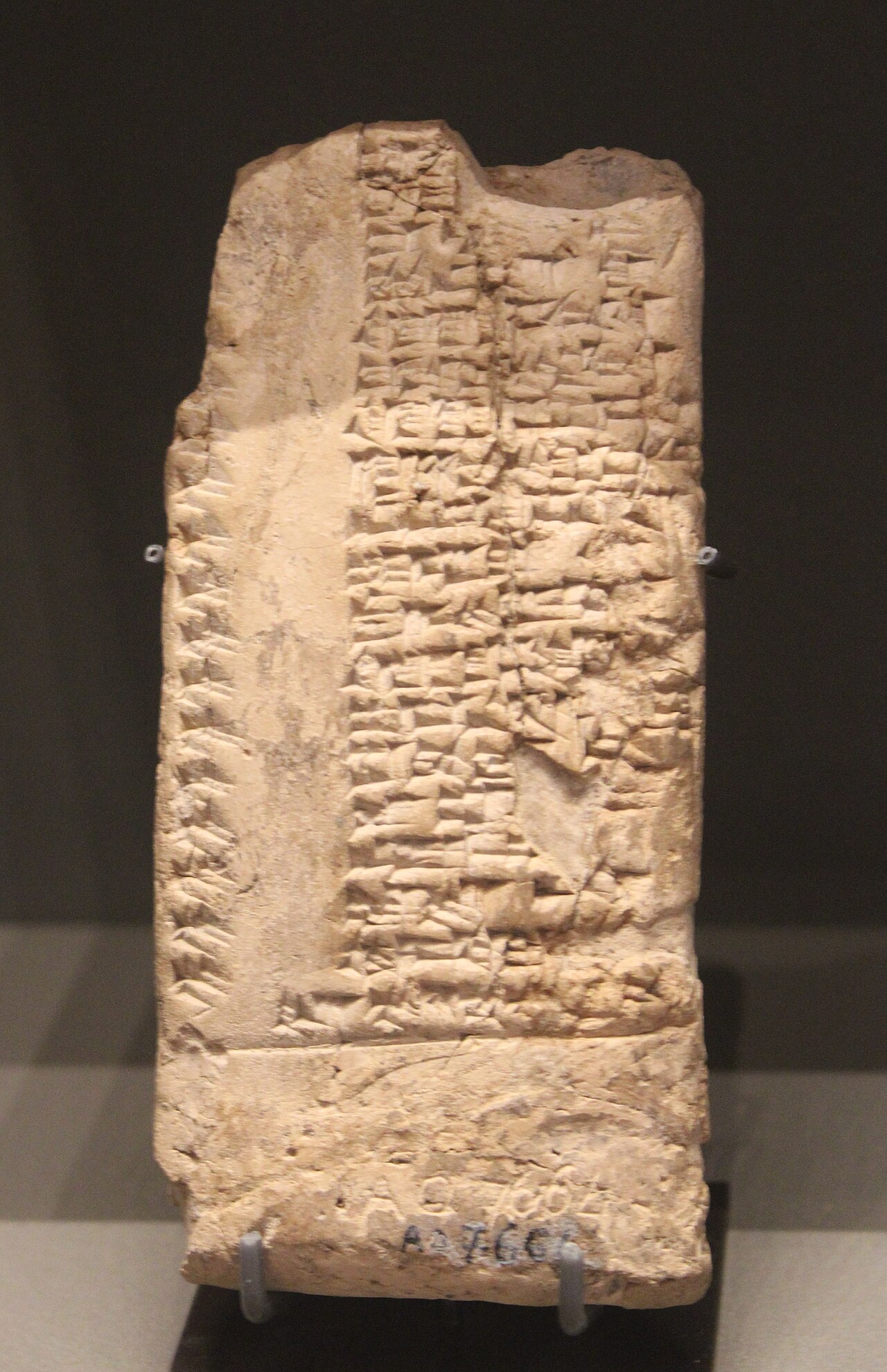 Document
Primary source
List of the year-names of Hammurabi's reign
Old Babylonian period, reign of Hammurabi (c. 1792-1750 BCE)
 Document
Secondary source
Chronicle of Early Kings
Babylonian scribes · c. 6th century BCE copy
Ready when you are
Start chatting with Hammurabi now.
20 messages free · No credit card · Available in 50+ languages.