


Secondary sourceSculpture1352–1360
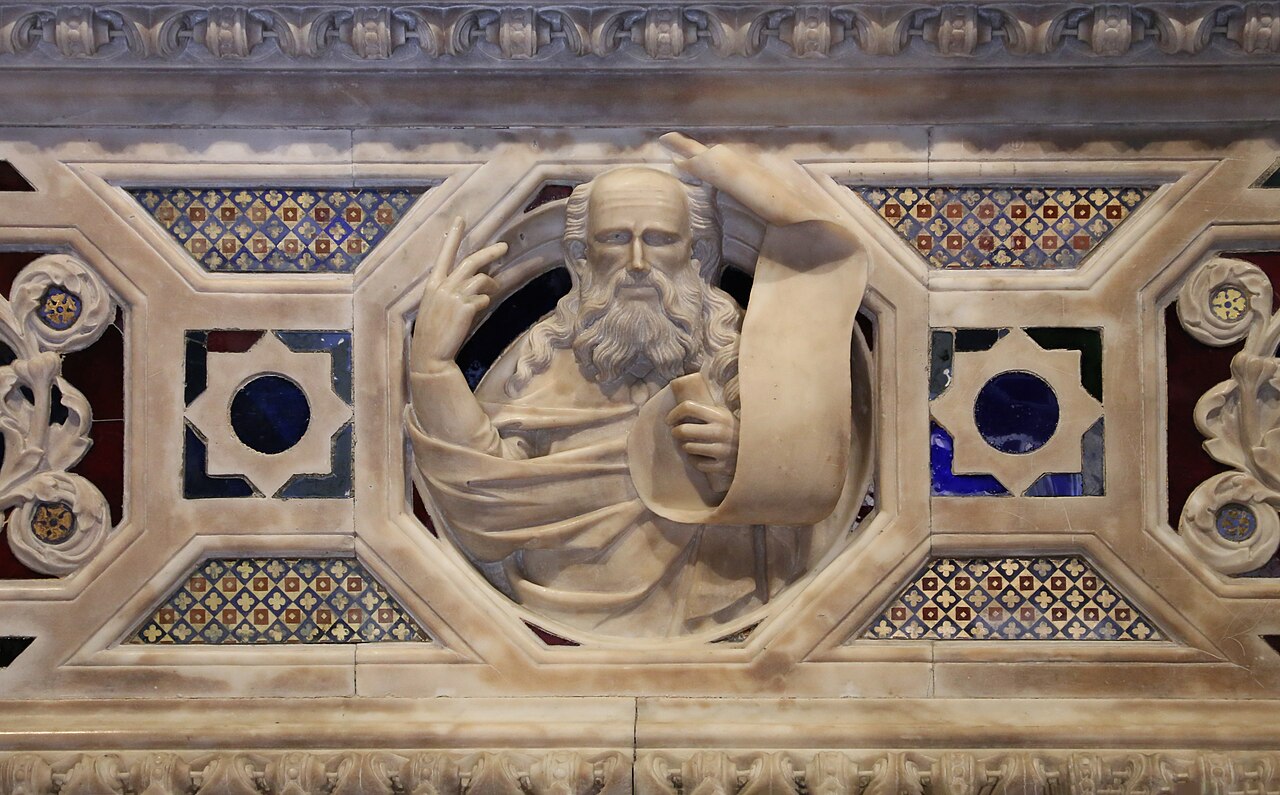
Orsanmichele Tabernacle
Andrea di Cione (Orcagna) · 1352–1360
A marble shrine in Florence built with donations given in gratitude or fear during the 1348 plague.
Built from the wave of pious donations prompted by the 1348 plague, showing its lasting social and religious impact.
About this source
What it is
This marble tabernacle in the church of Orsanmichele in Florence was made by the sculptor Andrea di Cione, known as Orcagna, between 1352 and 1360. It houses a painted image of the Madonna and is decorated with carved reliefs, colored glass, and mosaic.
Why it matters
According to the curator's note, the shrine was funded by the surge of donations Florentines made to the Madonna of Orsanmichele during the 1348 plague outbreak. It stands as a monument to how people responded to the Black Death with religious devotion and public giving, and shows how the pandemic reshaped the art and architecture that followed it.
Look closer
- Why might people give money to a religious shrine during a deadly epidemic?
- What do the materials and craftsmanship tell you about who paid for this work?
- What does this object leave out about the suffering of the plague years?
This sculpture is part of the curated material that grounds the AI version of The Black Death on Humy.ai — when students ask about related events, the AI can quote it and cite it.
More The Black Death sources
Meet the AI The Black Death →Secondary source
The Decameron
Giovanni Boccaccio · 1351
Primary source
Statute of Labourers 1351
1351
 Painting
Primary source
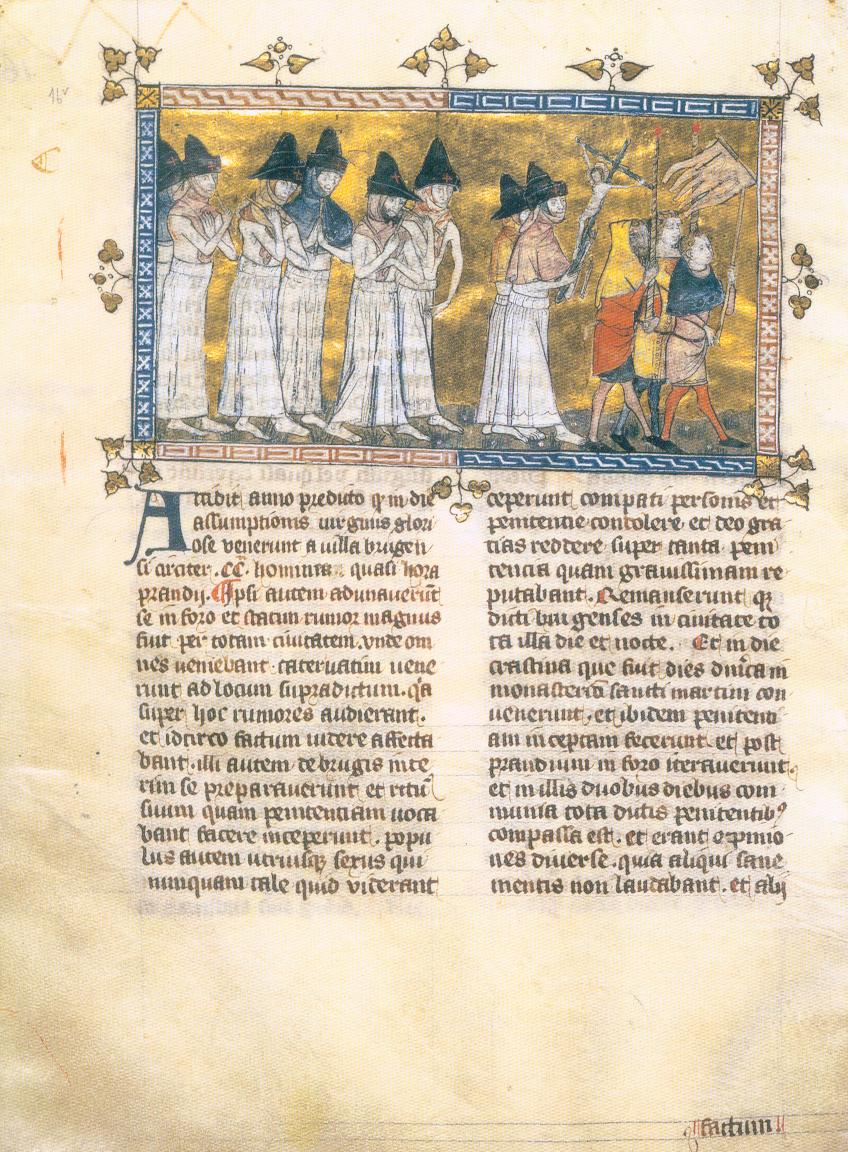
Depiction of the Flagellant Processions
Pierart dou Tielt · c. 1350
 Painting
Primary source
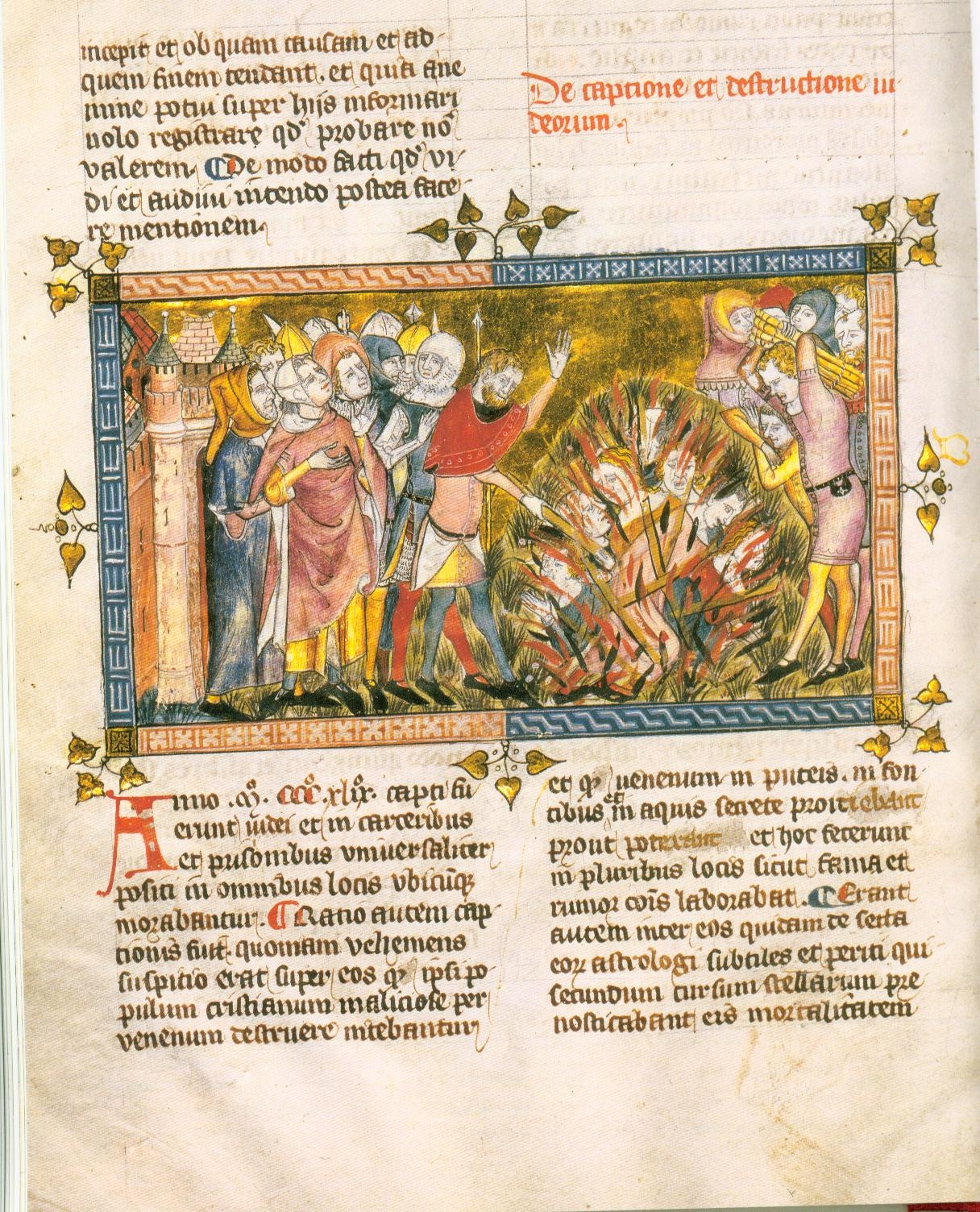
Execution of Jews
c. 1350
 Book
Primary source
The Annals of Ireland by Friar John Clyn
John Clyn · 1348-1349
Ready when you are
Start chatting with The Black Death now.
20 messages free · No credit card · Available in 50+ languages.