


Secondary sourcePainting17th century copy
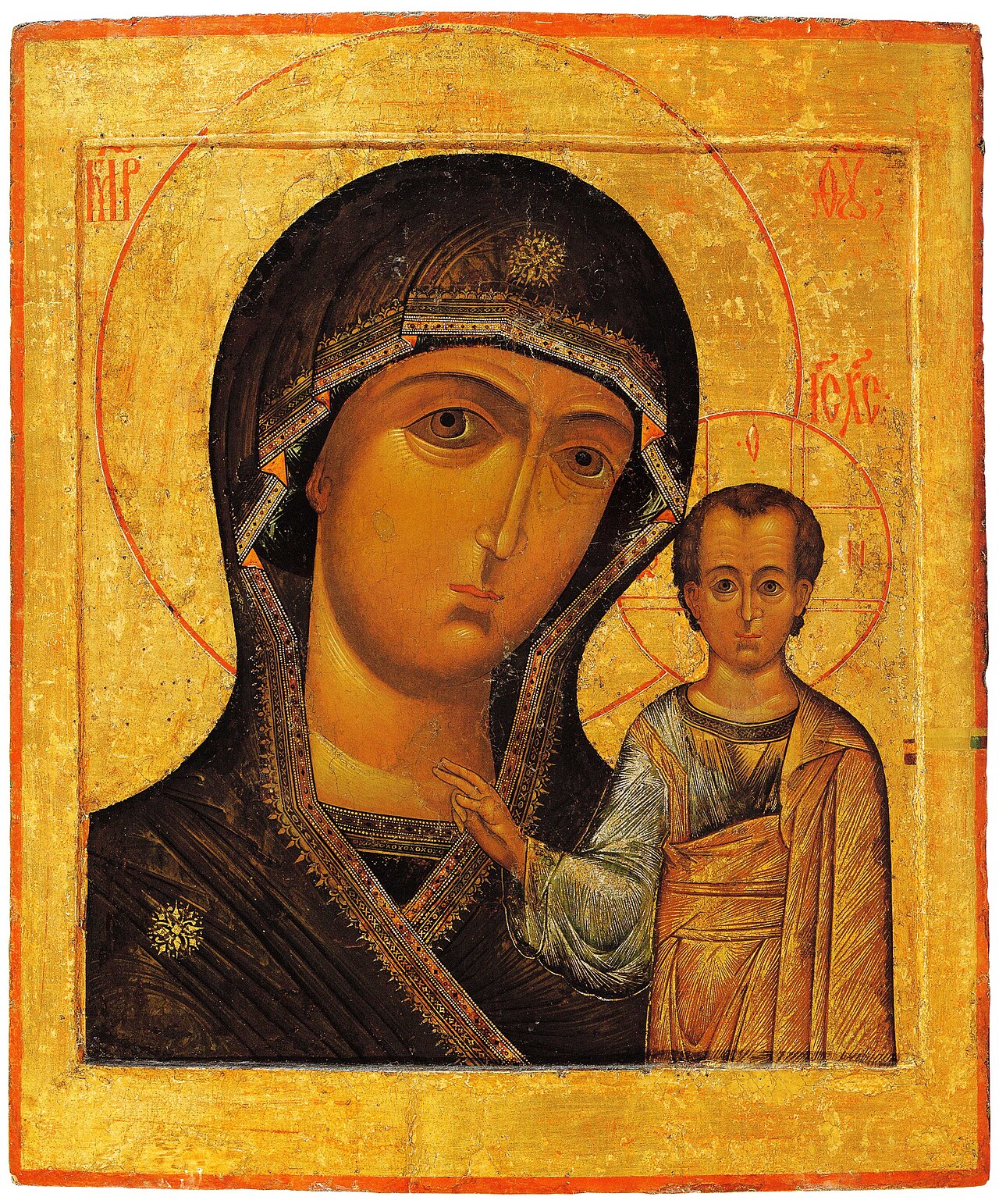
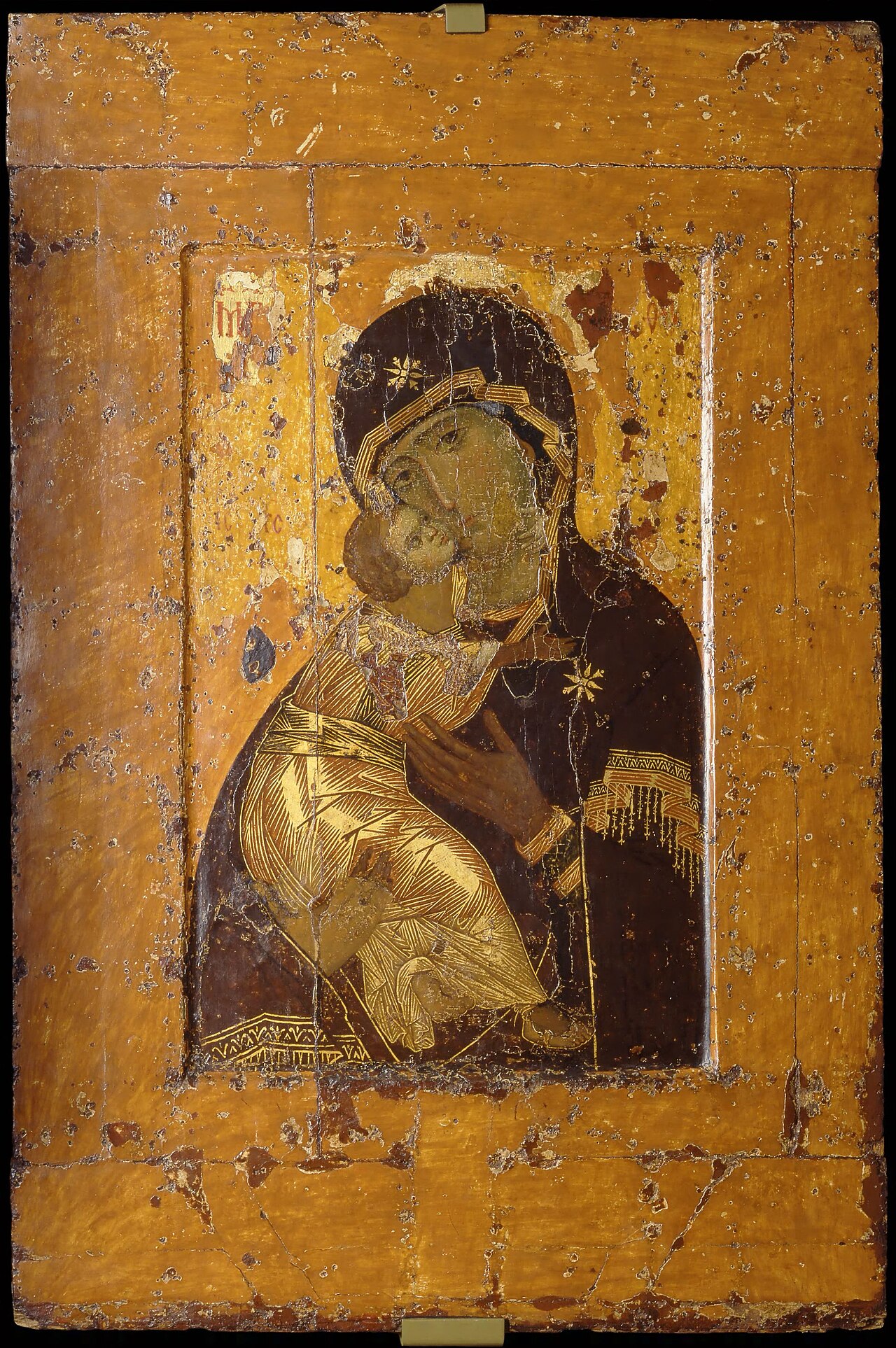
Our Lady of Kazan
17th century copy
A Russian Orthodox icon of the Virgin Mary venerated as protector of Russia, carried in wars of 1612 and 1812.
This icon depicts Mary as a protective, almost national figure, showing how later devotion reshaped her image.
About this source
What it is
This is a holy icon of the Virgin Mary, venerated in the Russian Orthodox Church as the protector of Kazan and of Russia. According to tradition it was recovered in 1579 after being lost, and copies have been kept in cathedrals in Moscow and St Petersburg. The original was stolen in 1904 and likely destroyed; a later copy travelled through Fátima and the Vatican before returning to Kazan in 2004.
Why it matters
The icon shows how images of Mary became bound up with Russian national identity, invoked by military leaders such as Dmitry Pozharsky and Mikhail Kutuzov in moments of war. Its long, tangled history of theft, copying and return reveals how deeply objects of devotion can become tied to politics and national memory.
Look closer
- What does the gold background and the raised hand suggest about how the painter wanted viewers to feel?
- Why might a nation attach military victories to the protection of a religious image?
- What does the icon's theft and disputed authenticity tell us about how much value people placed on it?
This painting is part of the curated material that grounds the AI version of Mary, mother of Jesus on Humy.ai — when students ask about related events, the AI can quote it and cite it.
More Mary, mother of Jesus sources
Browse all 85 →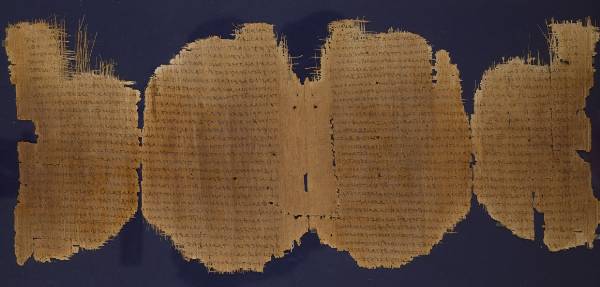 Book
Secondary source
Gospel of Luke
Luke the Evangelist · c. AD 85
 Book
Secondary source
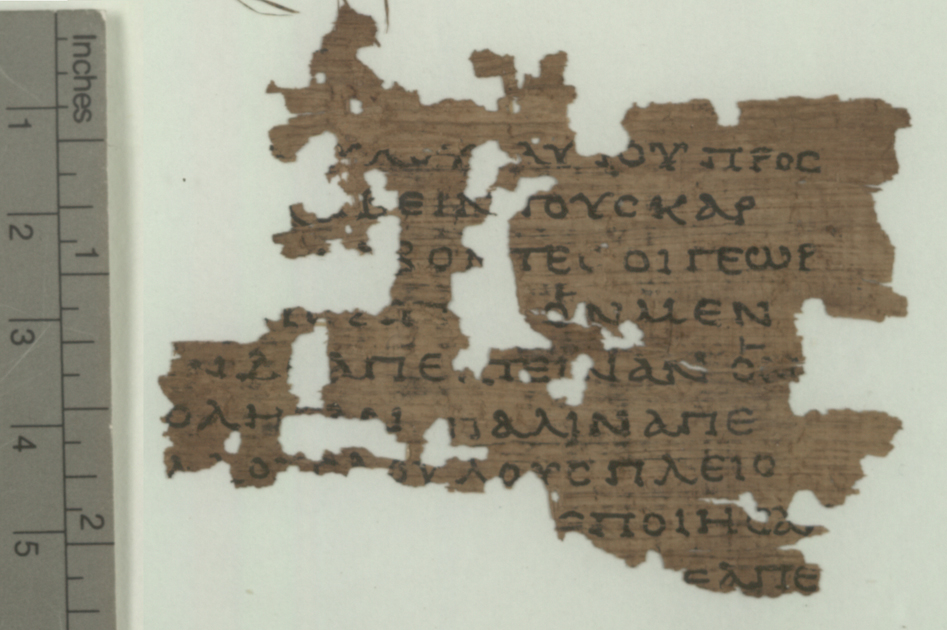
Gospel of Matthew
Matthew the Apostle · late 1st century AD
 Speech
Secondary source
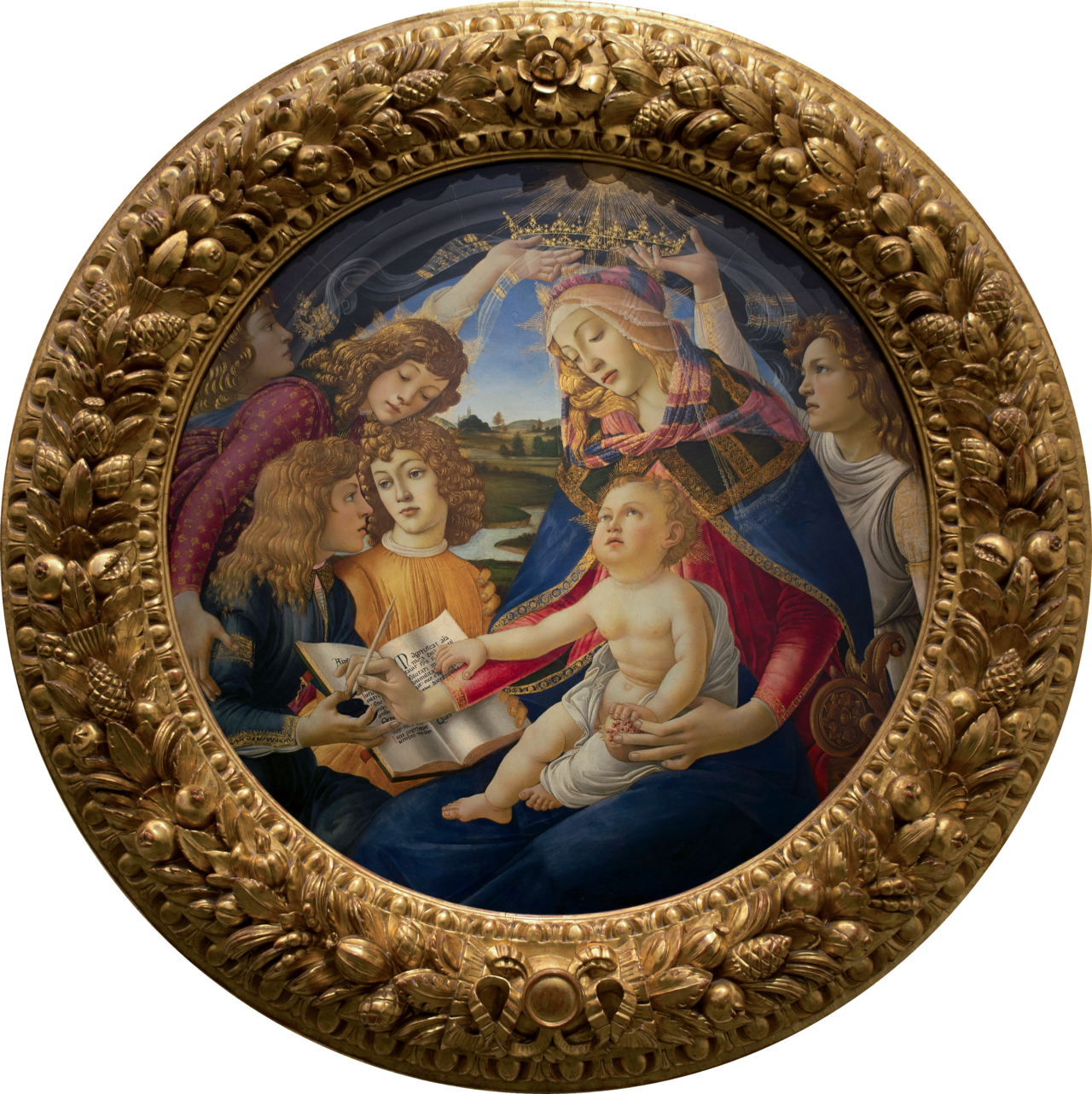
Magnificat
1st century CE
 Book
Secondary source
Gospel of John
John the Evangelist · c. AD 90-100
Free account
Read every Mary, mother of Jesus source
Sign up free →
Ready when you are
Start chatting with Mary, mother of Jesus now.
20 messages free · No credit card · Available in 50+ languages.