


Primary sourcePainting1894
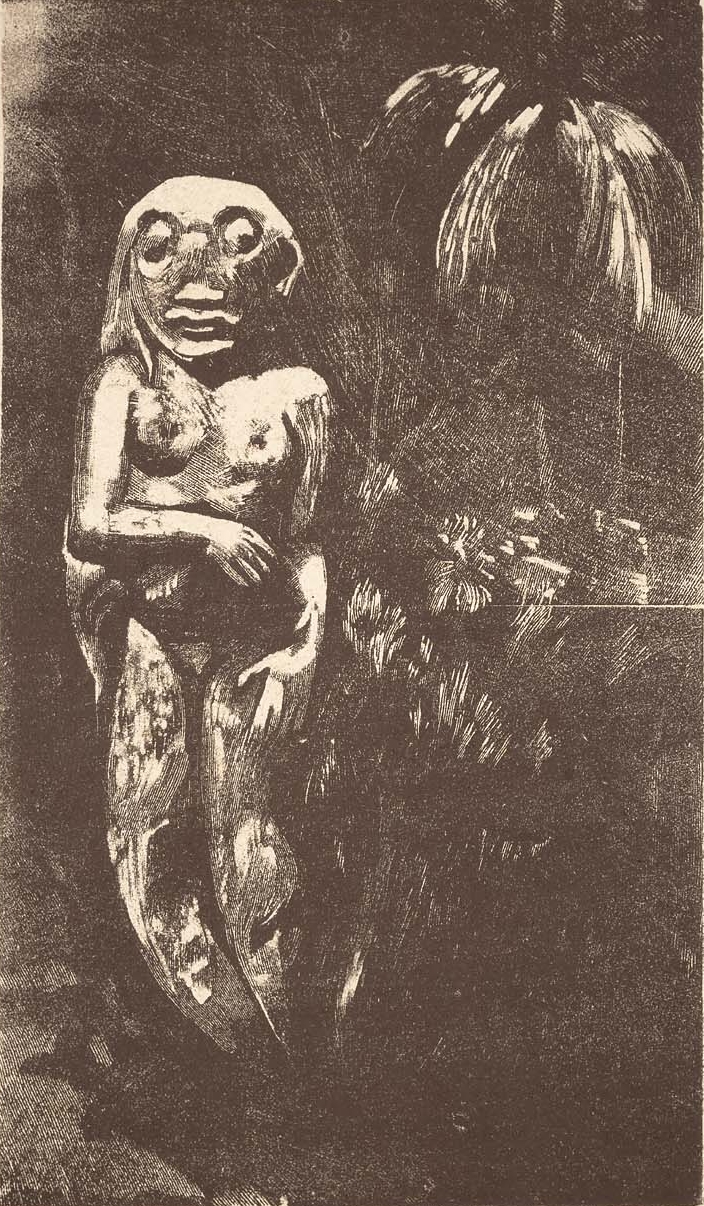
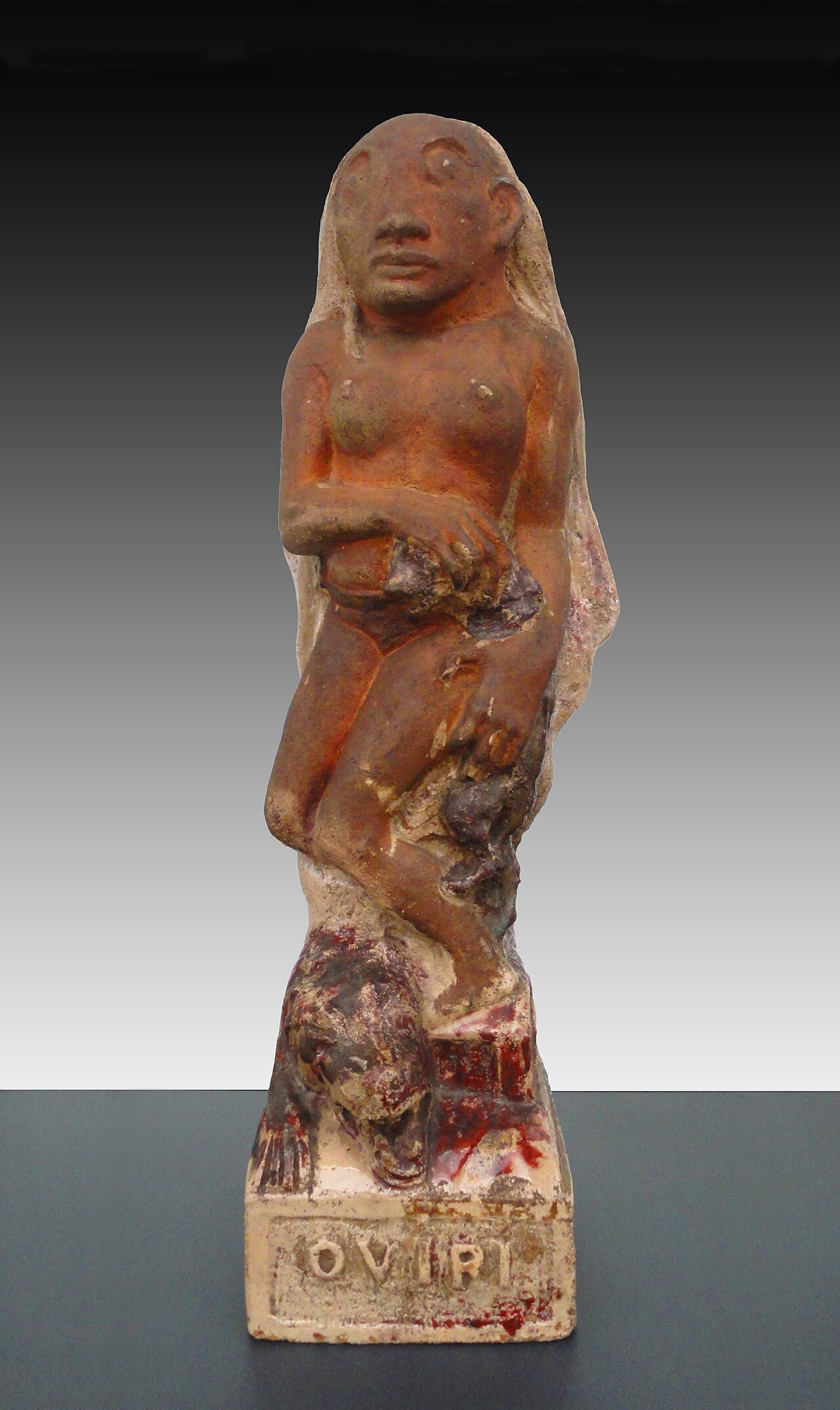
Oviri (Savage)
Paul Gauguin · 1894
A 1894 woodcut by Gauguin depicting his Oviri figure, showing his contribution to printmaking.
A woodcut print made by Gauguin, showing his work as an innovative printmaker.
About this source
What it is
This woodcut print was made by Paul Gauguin in 1894. It depicts his figure known as Oviri, meaning 'savage,' a motif he returned to in multiple works.
Why it matters
Gauguin was an important innovator in printmaking, using the woodcut technique in new, expressive ways rather than for simple reproduction. The Oviri figure reflects his interest in what he saw as primal or non-Western imagery, drawn from his engagement with Polynesian culture.
Look closer
- What effects does the woodcut technique create that a painting could not?
- Why might Gauguin have been drawn to this kind of imagery and the title 'savage'?
- What questions might this raise today about how Gauguin represented other cultures?
This painting is part of the curated material that grounds the AI version of Paul Gauguin on Humy.ai — when students ask about related events, the AI can quote it and cite it.
More Paul Gauguin sources
Browse all 97 →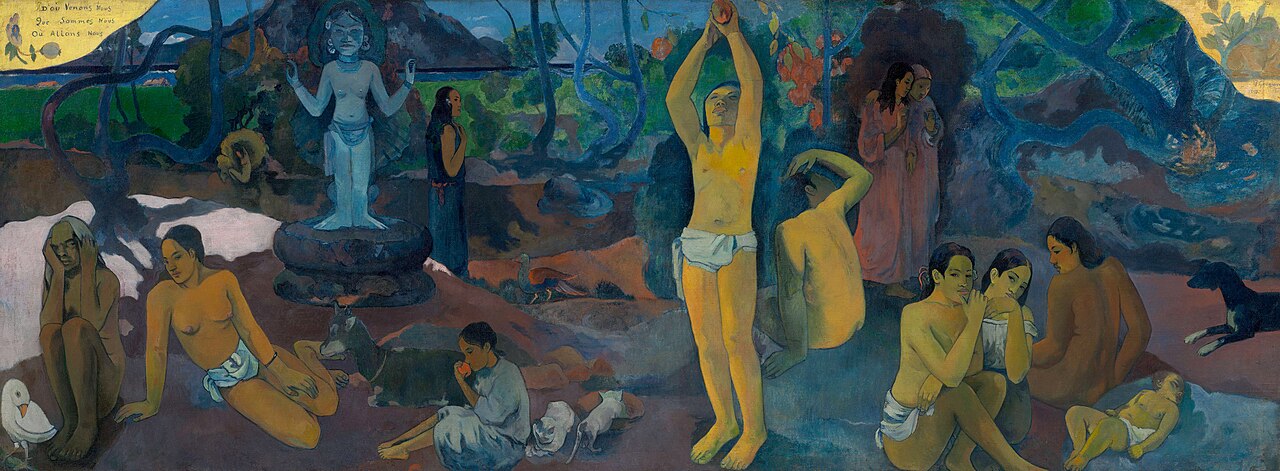 Painting
Primary source
Where Do We Come From? What Are We? Where Are We Going?
Paul Gauguin · 1897-98
 Painting
Primary source
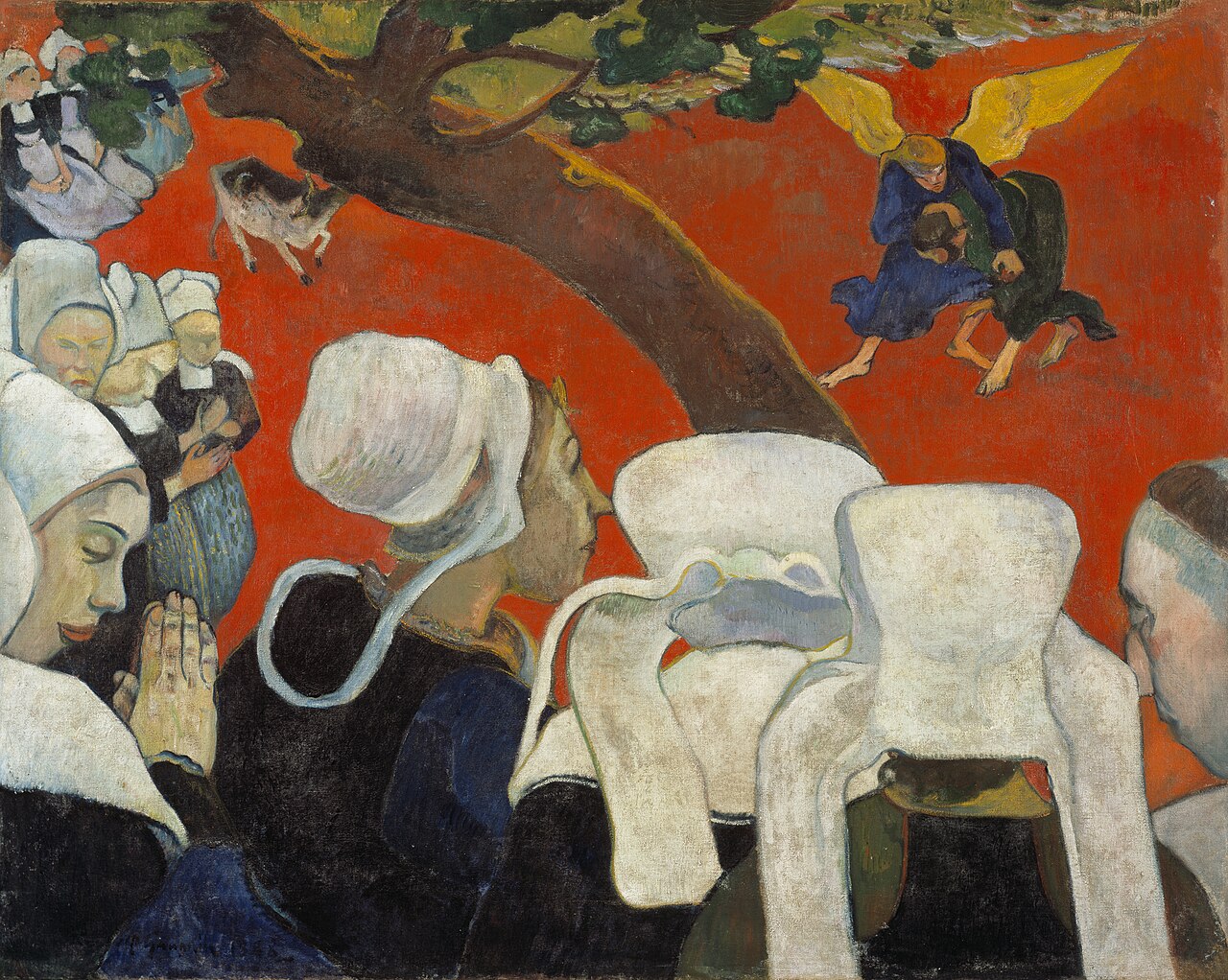
Vision After the Sermon
Paul Gauguin · 1888
 Painting
Primary source
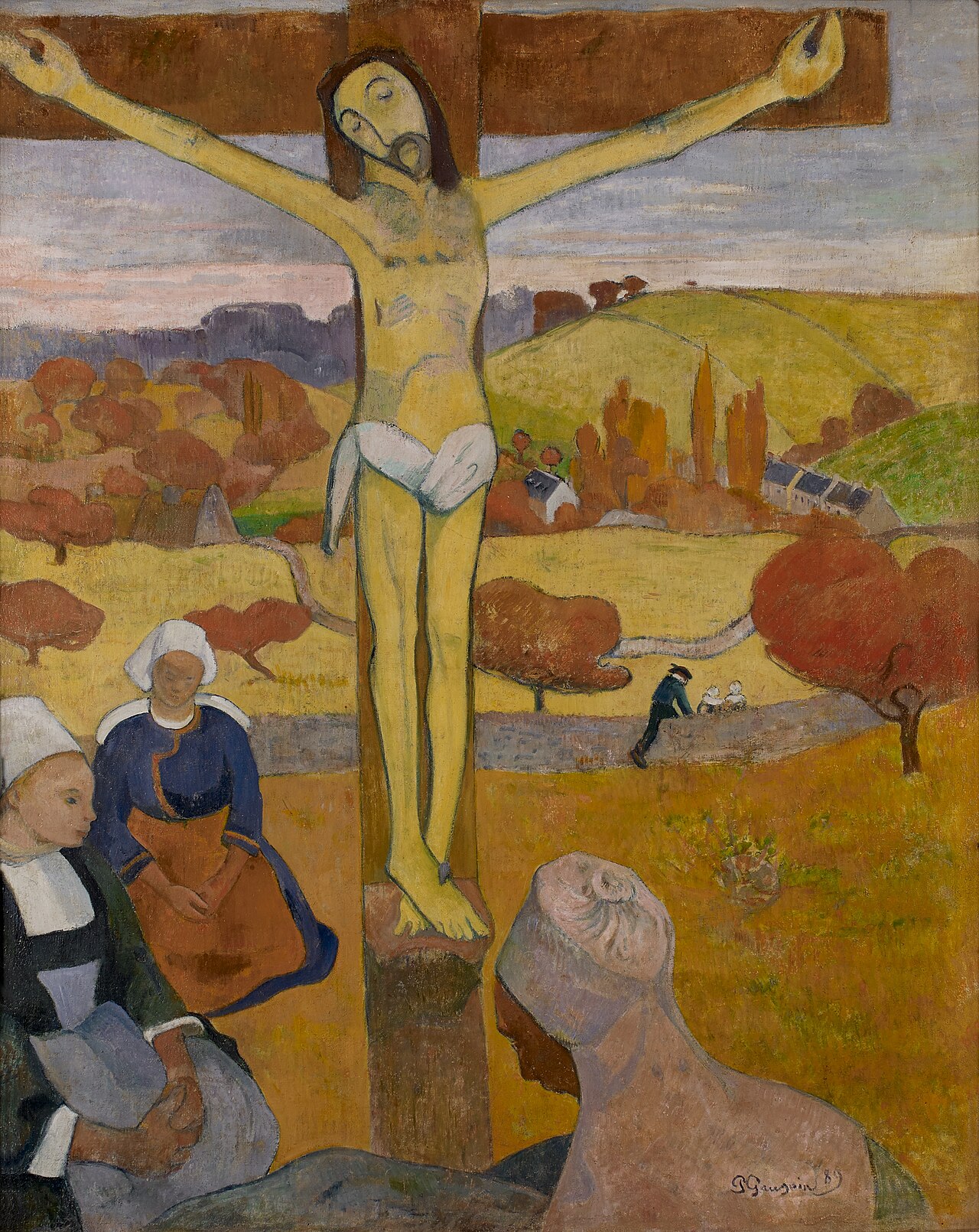
The Yellow Christ
Paul Gauguin · 1889
 Painting
Primary source
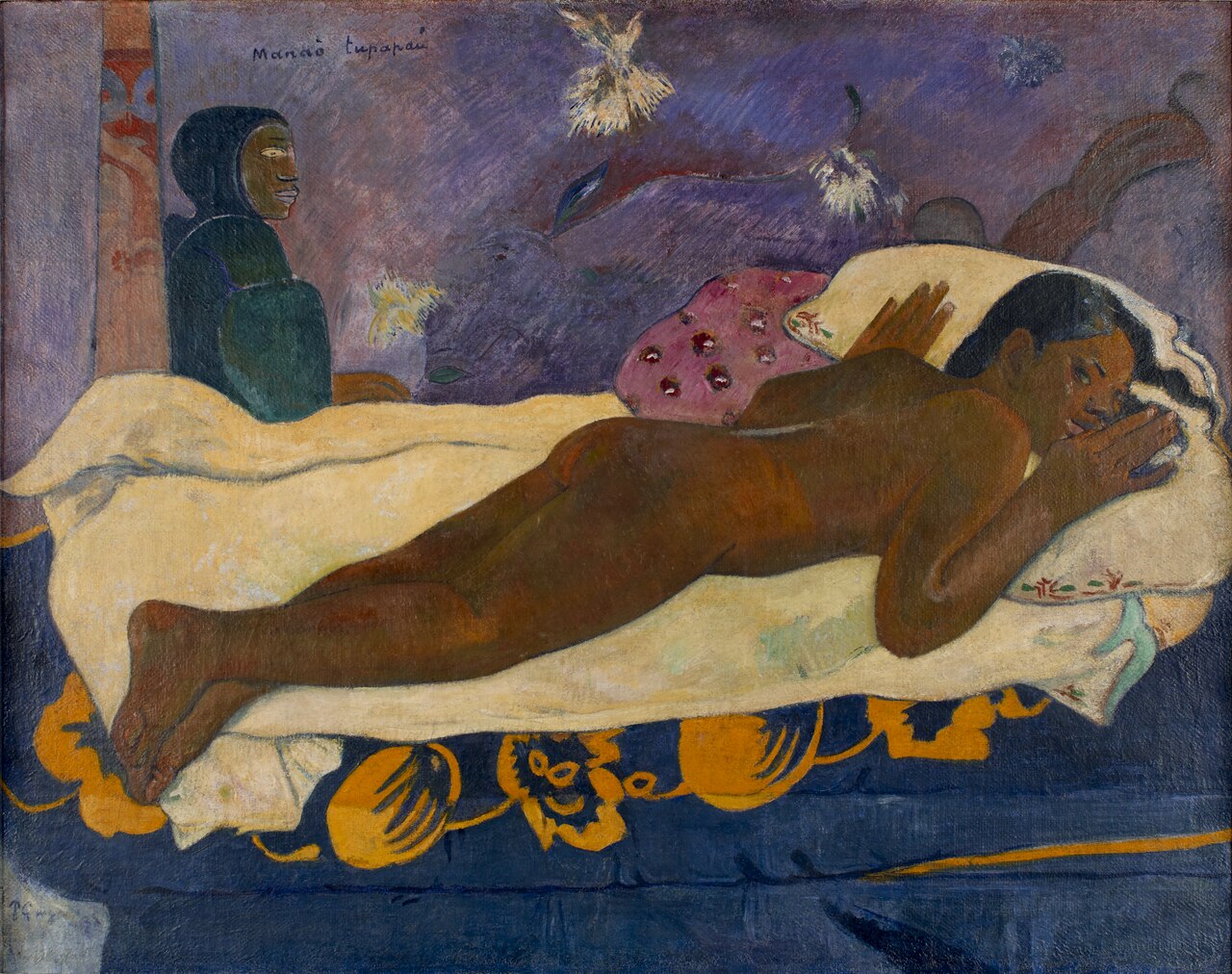
Manaò tupapaú
Paul Gauguin · 1892
Free account
Read every Paul Gauguin source
Sign up free →
Ready when you are
Start chatting with Paul Gauguin now.
20 messages free · No credit card · Available in 50+ languages.