


Secondary sourceBook1818
Ozymandias (Horace Smith)
Horace Smith · 1818
A 1818 sonnet by Horace Smith, written in competition with Percy Shelley, imagining a ruined statue of Ramesses II as 'Ozymandias'.
This poem imagines the ruined statue of Ramesses II, called 'Ozymandias,' as a symbol of the fall of empires.
About this source
What it is
This is a sonnet written in 1818 by Horace Smith, composed as part of a friendly competition with the poet Percy Shelley. Both poets wrote poems on the same theme, inspired by ancient descriptions of a ruined statue of a king called Ozymandias, a Greek name associated with Ramesses II.
Why it matters
The poem imagines the ruins of a once-great empire reduced to a single fragment in the desert, with a future hunter wondering what civilization once stood there. It shows how the memory of Ramesses II, filtered through ancient Greek writing, fascinated poets in nineteenth-century England, who used his ruined monuments to reflect on the fall of all empires, including their own.
Look closer
- What does the poem imagine has happened to the king's city and power?
- Why might Smith have imagined London itself as a future ruin?
- How does this English poem differ from what we actually know about Ramesses II from Egyptian sources?
This book is part of the curated material that grounds the AI version of Ramses II (Ramses the Great) on Humy.ai — when students ask about related events, the AI can quote it and cite it.
More Ramses II (Ramses the Great) sources
Meet the AI Ramses II (Ramses the Great) →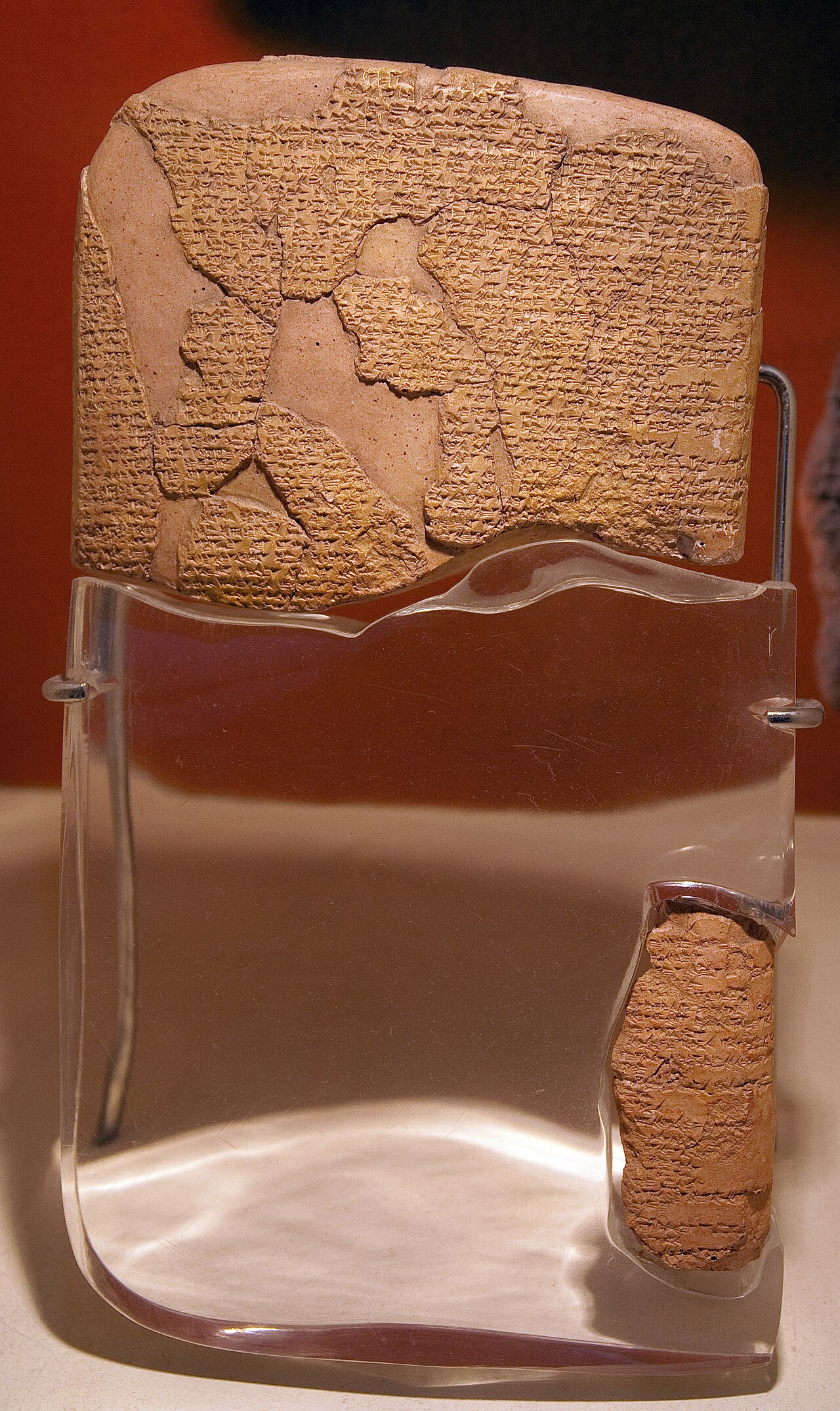 Document
Primary source
Egyptian–Hittite Peace Treaty
c. 1258 BCE
 Photograph
Secondary source
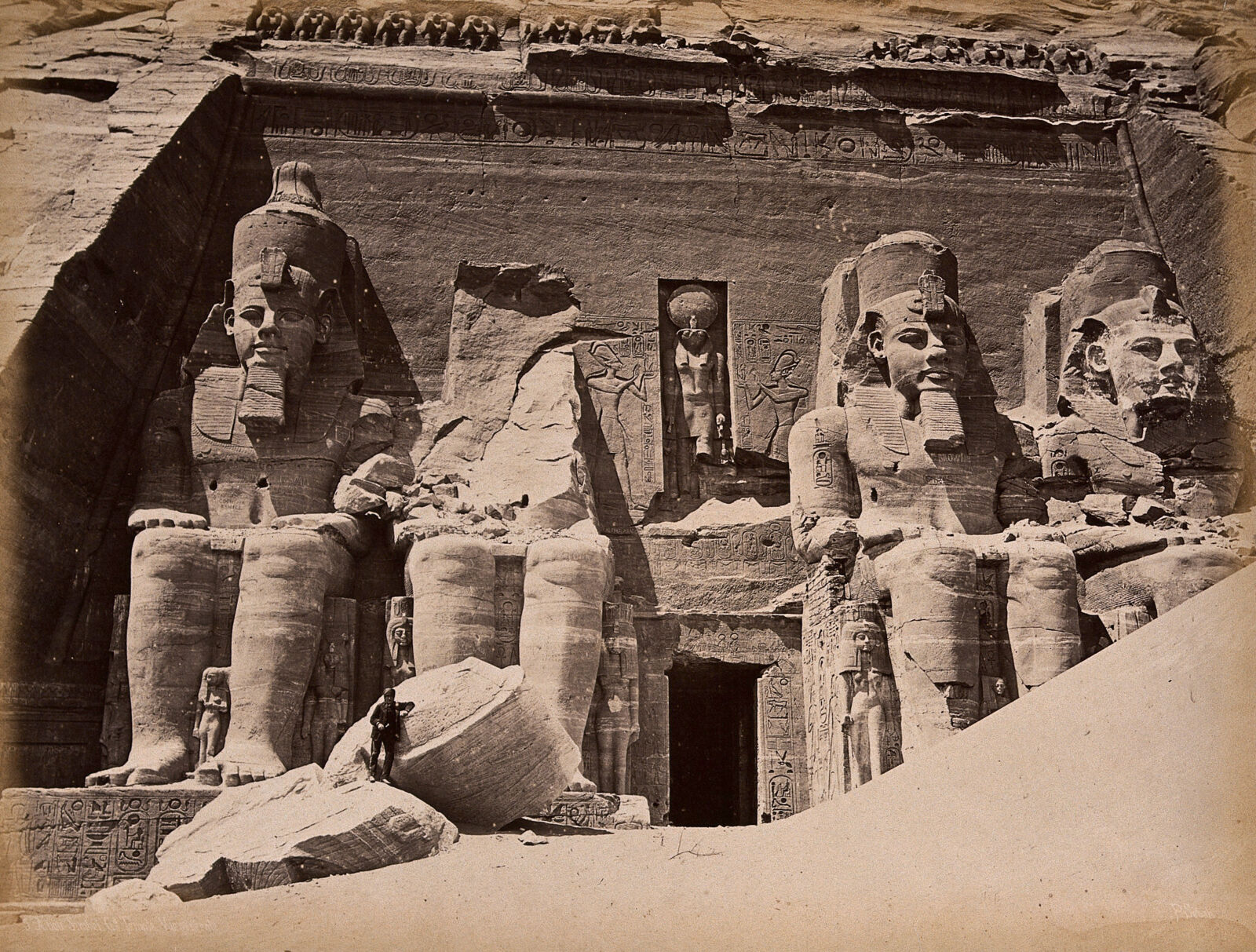
Abu Simbel Temple Colossi
Pascal Sébah · 1875
 Artifact
Primary source
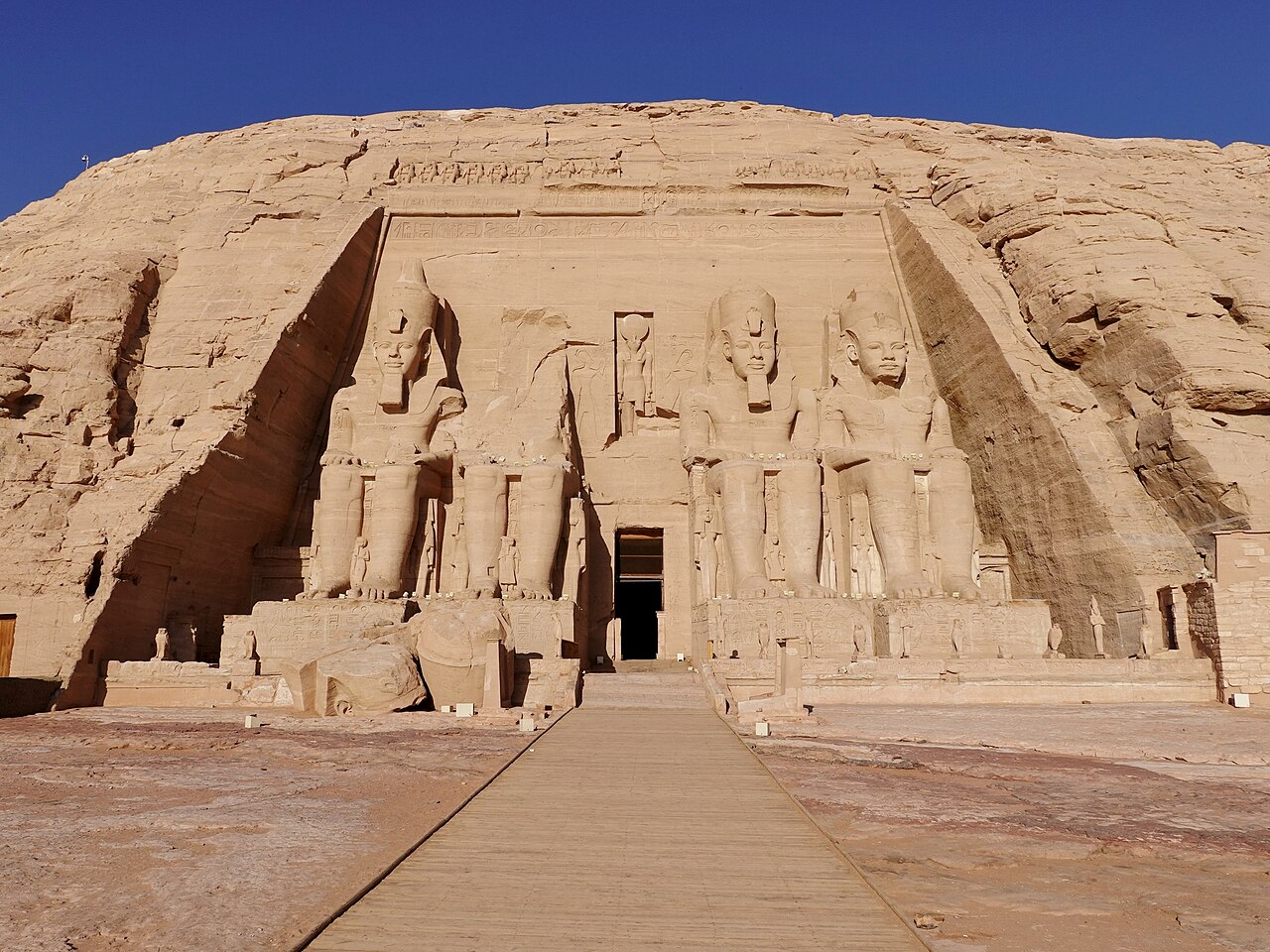
Abu Simbel
Ramesses II · c. 1273 BCE
 Photograph
Secondary source
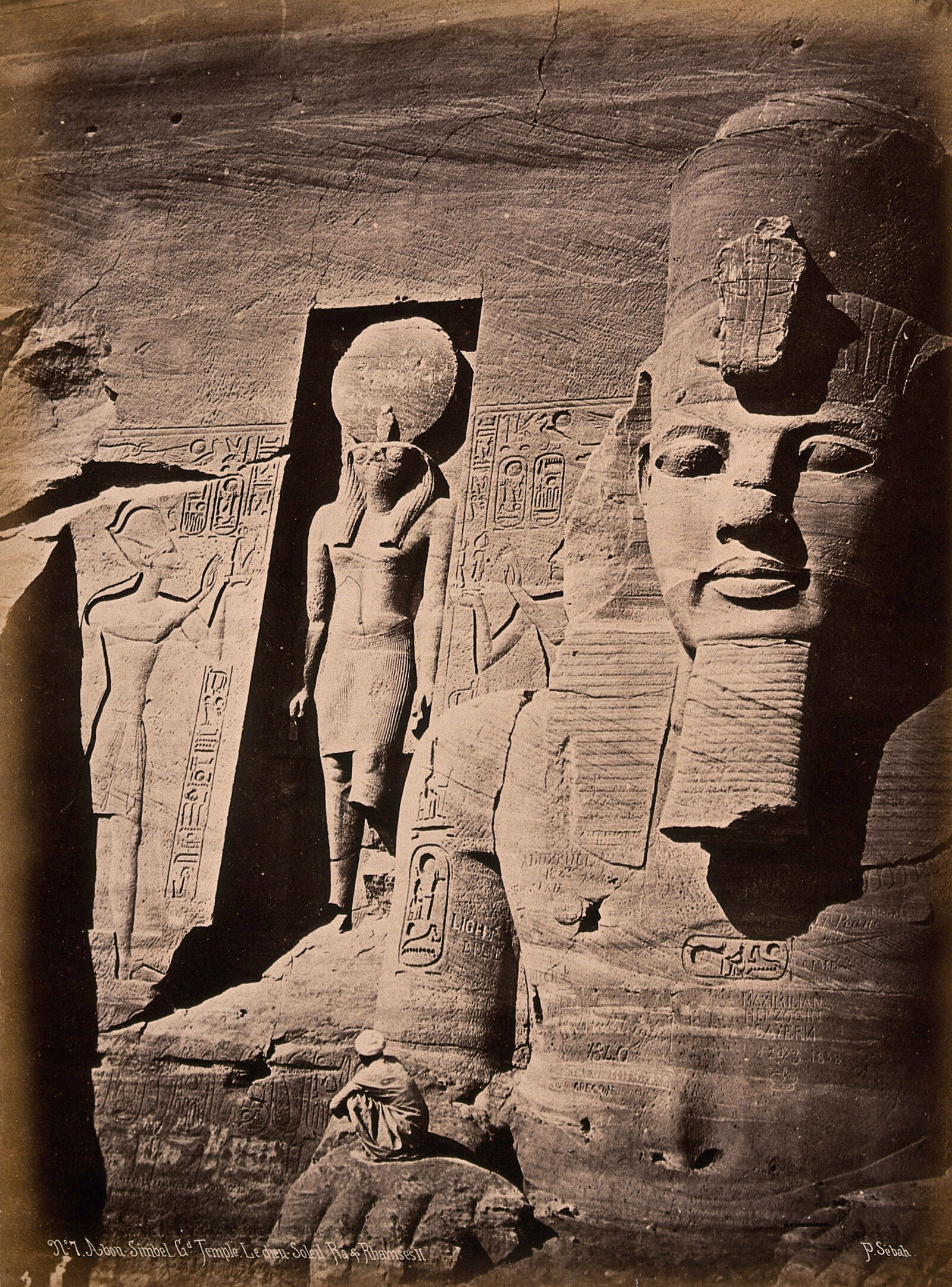
Facade Detail of Abu Simbel Showing Ramesses II and Ra
Pascal Sébah · 1875
 Photograph
Secondary source
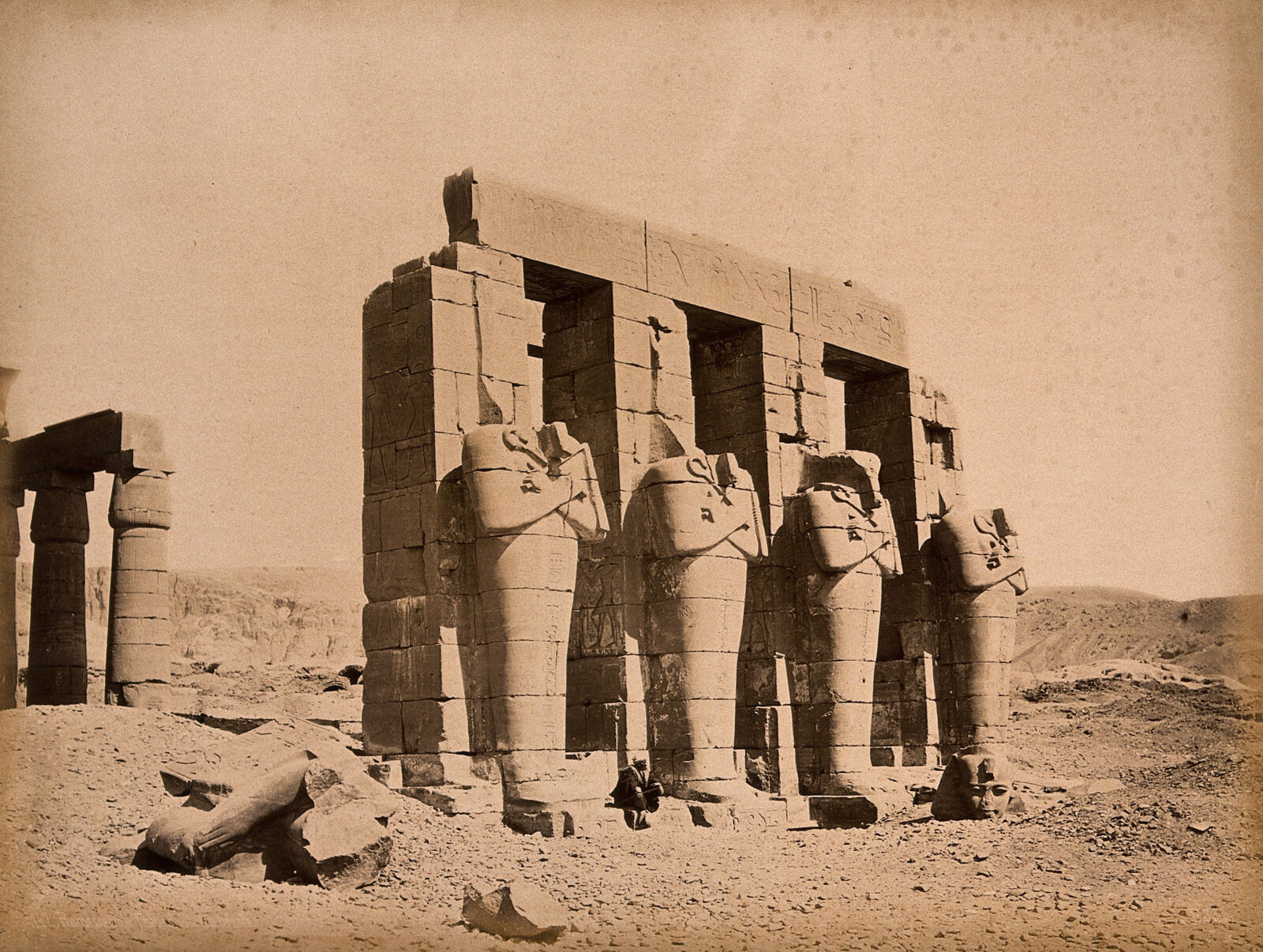
Ramesseum Colossi in Ruins
Pascal Sébah · c. 1875
Ready when you are
Start chatting with Ramses II (Ramses the Great) now.
20 messages free · No credit card · Available in 50+ languages.