


Secondary sourceArtifactc. 1300
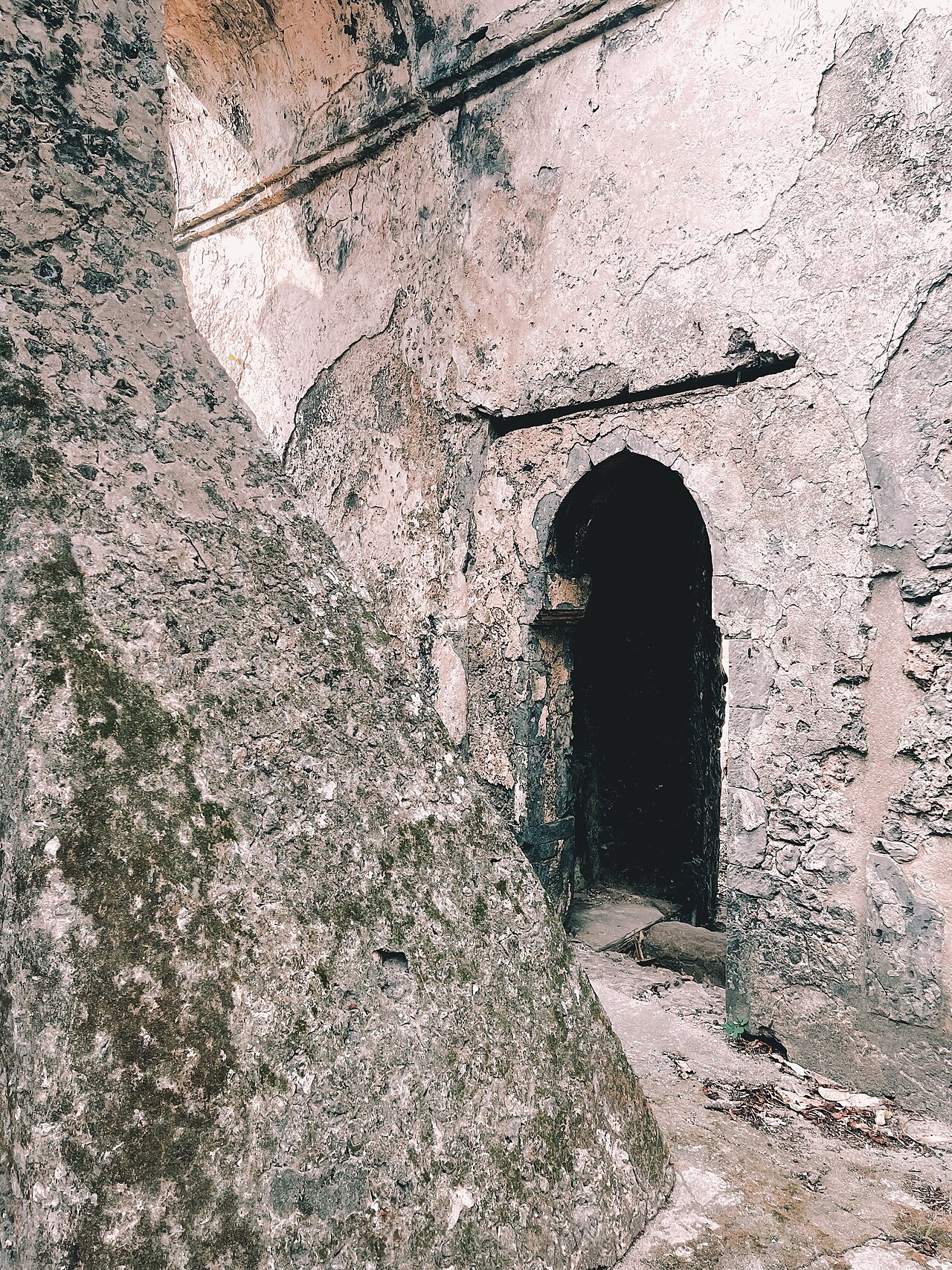
Palace of Husuni Kubwa
c. 1300
The ruined palace of the Kilwa sultan al-Hasan ibn Sulaiman, visited and praised by Ibn Battuta in 1331.
Ibn Battuta's 1331 account of visiting this palace and its sultan is a key eyewitness source on Kilwa.
About this source
What it is
Husuni Kubwa was the palace of Sultan al-Hasan ibn Sulaiman, ruler of the Kilwa Sultanate on the Swahili Coast. Its ruins stand on Kilwa Kisiwani island in present-day Tanzania, part of a UNESCO World Heritage Site.
Why it matters
Kilwa was one of the wealthiest trading cities of the medieval Swahili Coast, built on trade in gold, ivory and other goods across the Indian Ocean. When the Moroccan traveller Ibn Battuta visited in 1331, he described the city and its generous, pious sultan, giving one of the few outside eyewitness accounts of Kilwa at its height.
Look closer
- What does the condition of the ruins tell you about how old the building is and how it has been treated since?
- Why might a palace like this have been built in stone rather than the wattle-and-daub used elsewhere?
- What questions can an outsider's account like Ibn Battuta's answer that archaeology alone cannot?
This artifact is part of the curated material that grounds the AI version of Ibn Battuta on Humy.ai — when students ask about related events, the AI can quote it and cite it.
More Ibn Battuta sources
Meet the AI Ibn Battuta →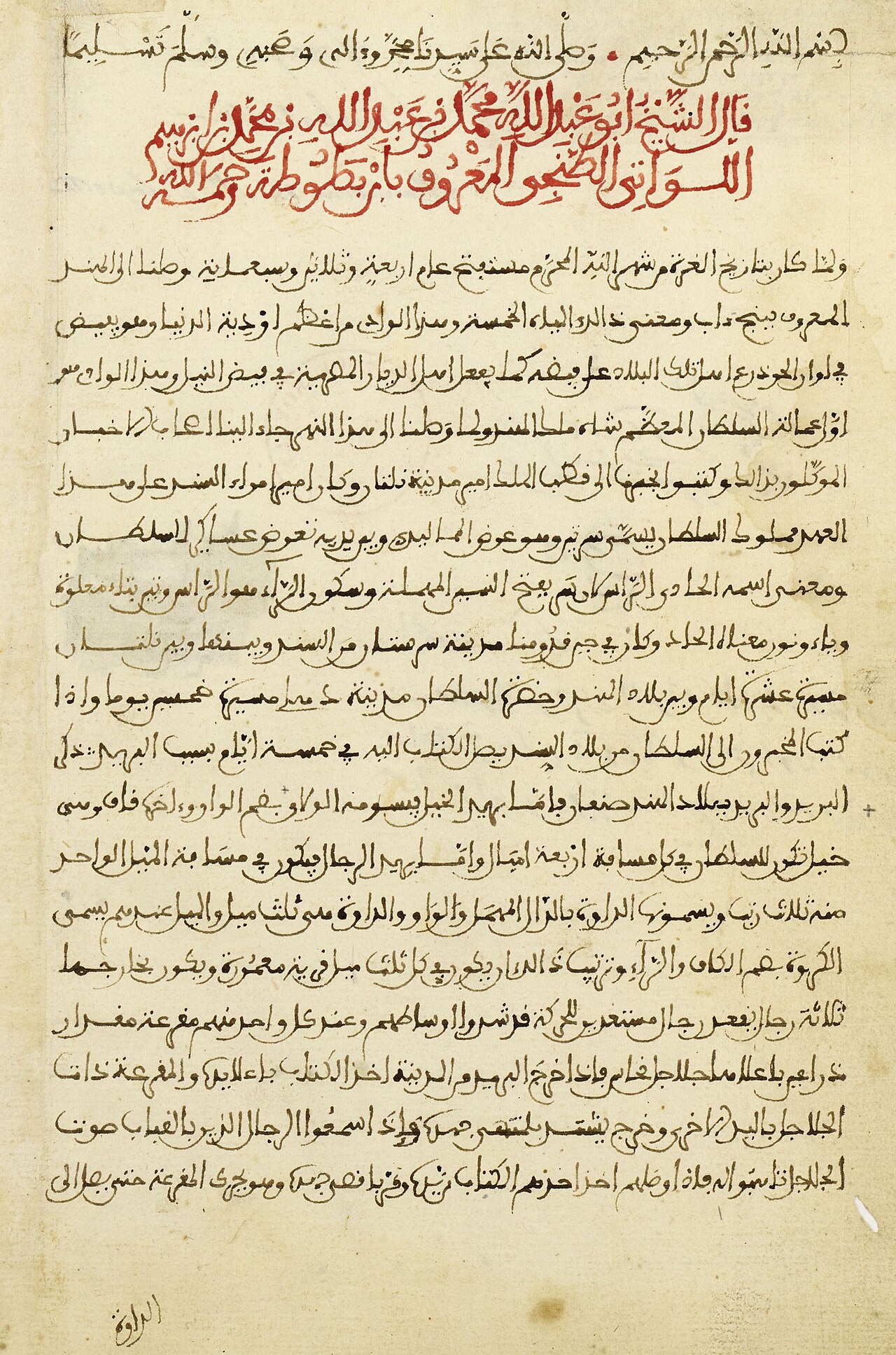 Book
Primary source
The Rihla
Ibn Battuta · 1354-1356
 Book
Primary source
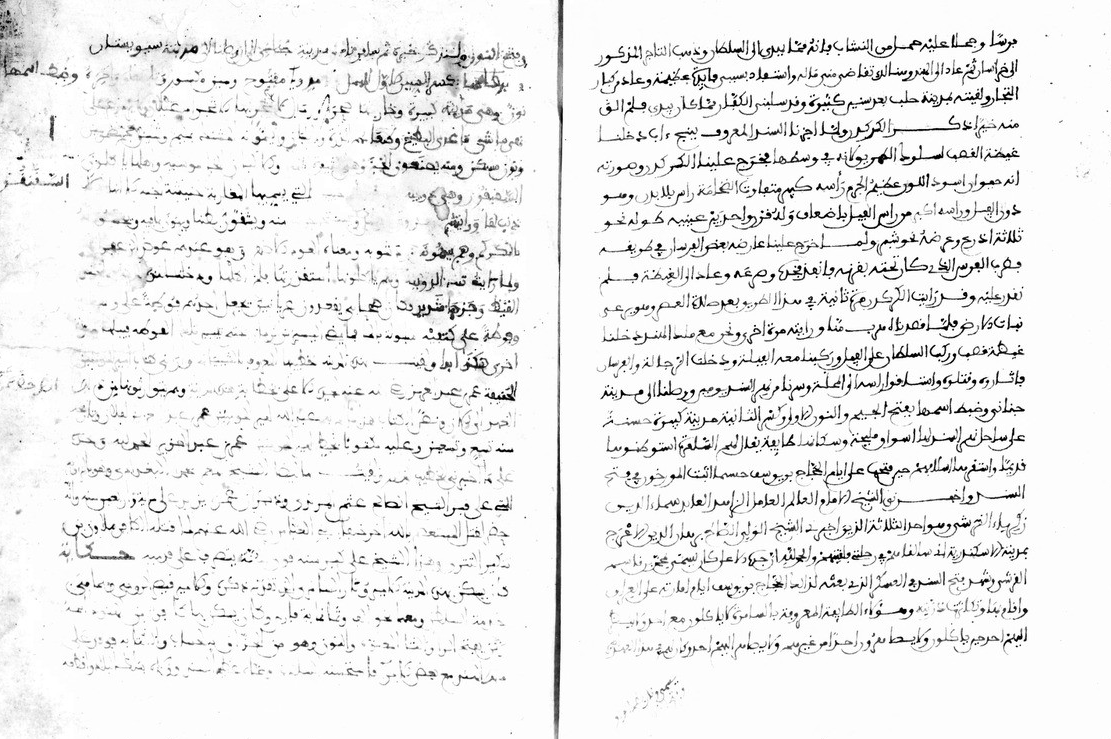
Manuscript of the Rihla by Ibn Juzayy
Ibn Juzayy · 14th century
 Artifact
Secondary source
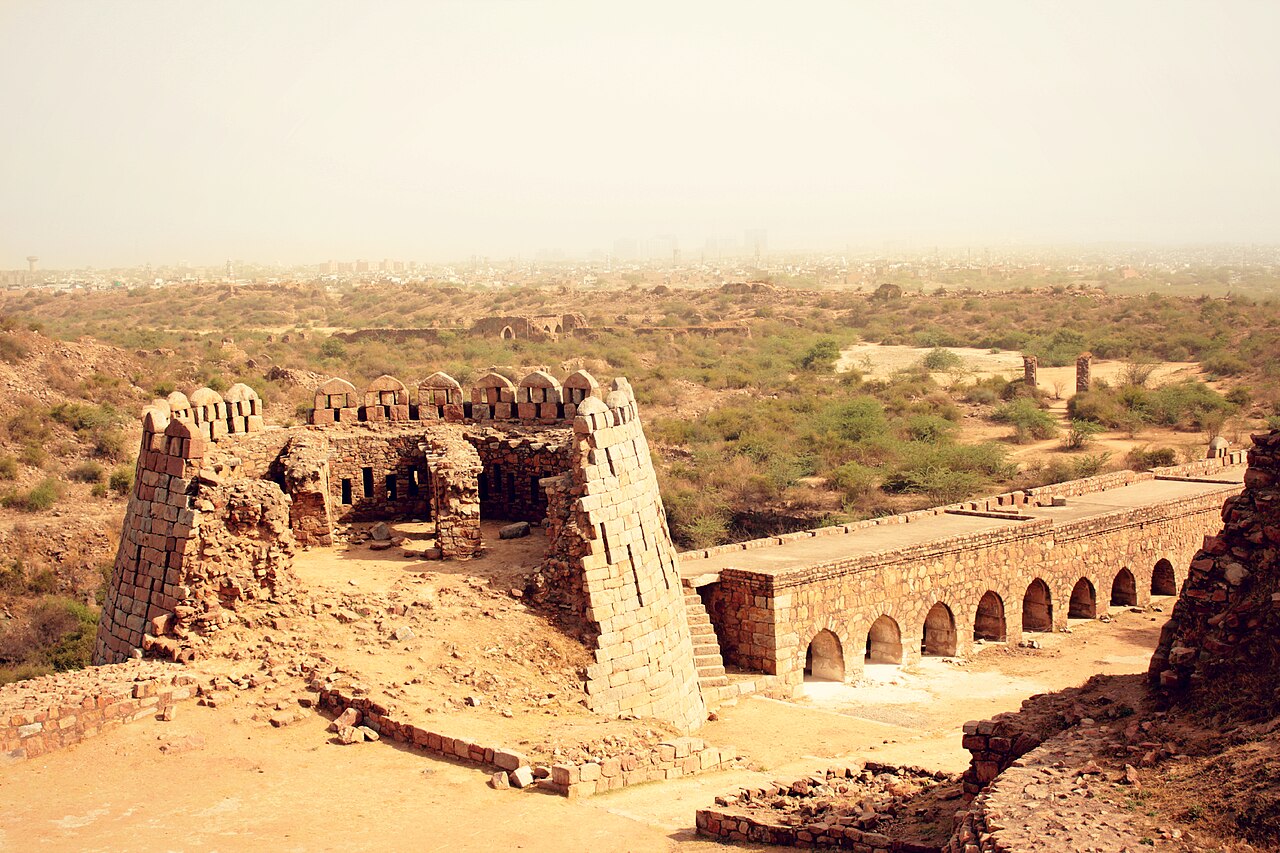
Tughlaqabad Fort
Ghiyath al-Din Tughluq · 1321
 Book
Secondary source
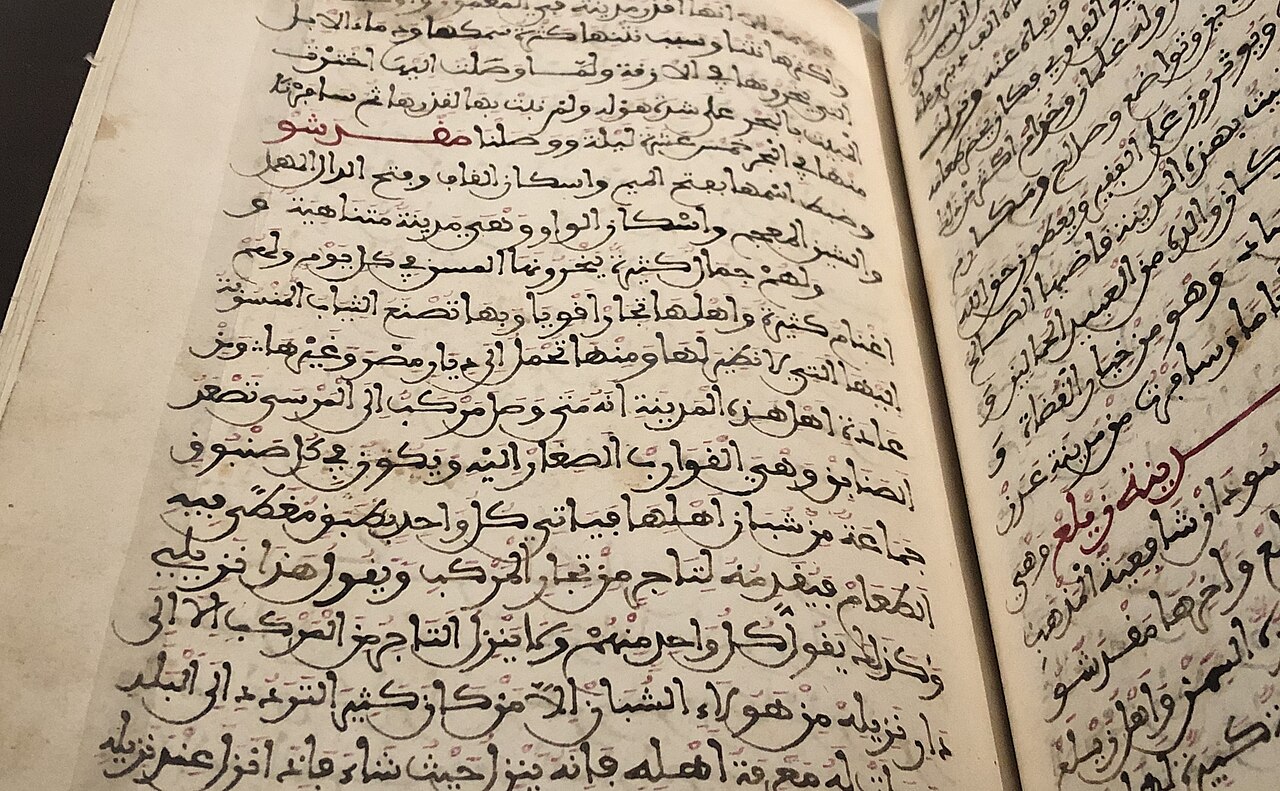
Manuscript copy of the Rihla (1484)
Ibn Juzayy · 1484
 Painting
Primary source
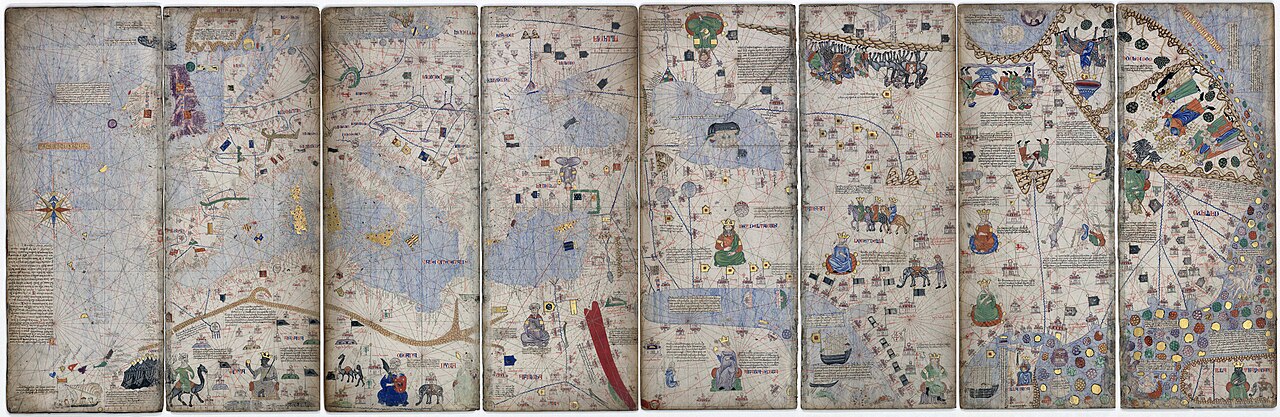
Catalan Atlas
Cresques Abraham · c. 1375
Ready when you are
Start chatting with Ibn Battuta now.
20 messages free · No credit card · Available in 50+ languages.